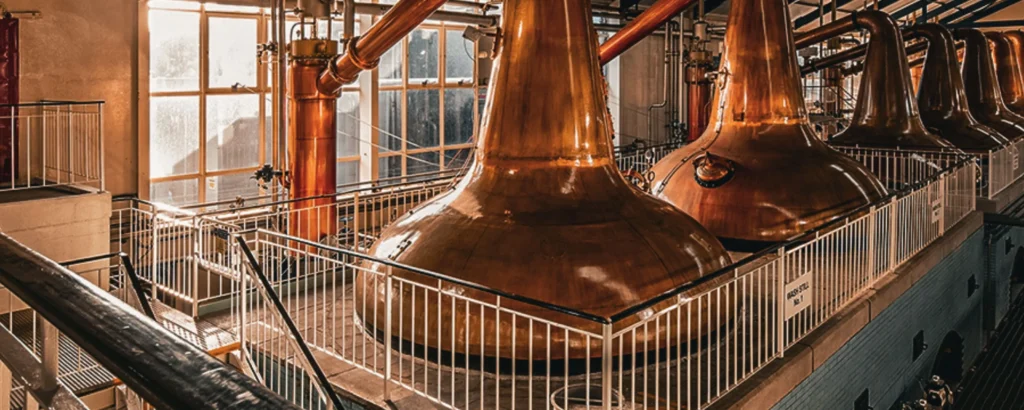
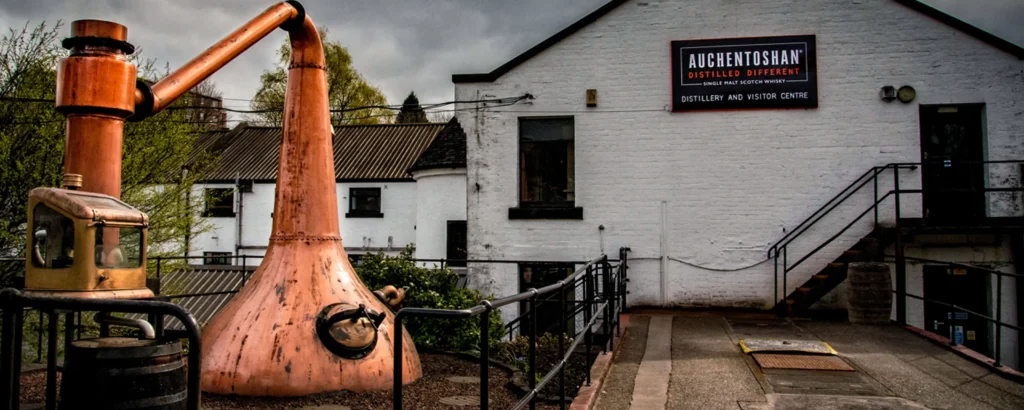
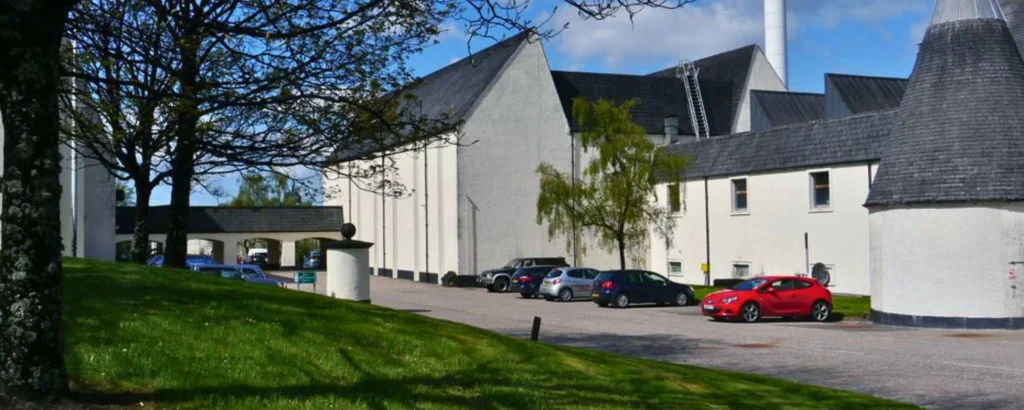
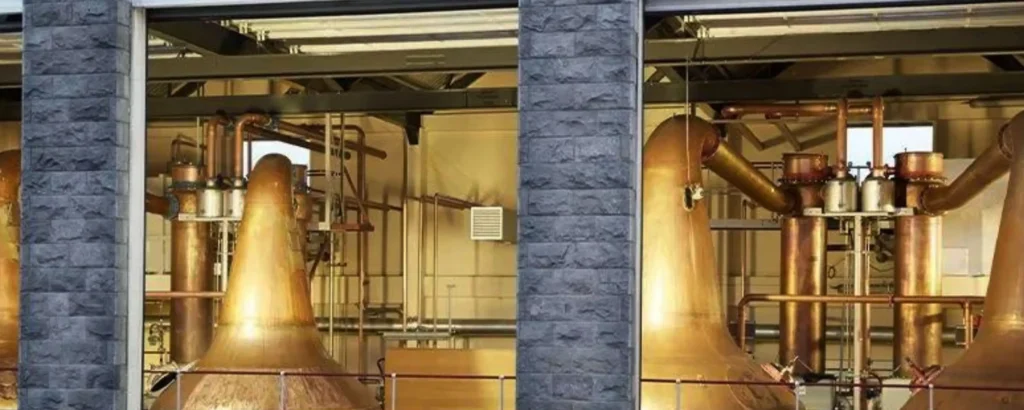
Bowmore holds a special place in Scotch whisky history. Founded in 1779, it is Islay's oldest distillery and one of Scotland's longest-established producers. Its reputation rests on a distinctive balance of peat smoke, fruit and maritime character, alongside an impressive collection of rare and aged releases.
With its 250th anniversary approaching in 2029, Bowmore's heritage is likely to attract renewed attention. For those considering whether to invest in Bowmore whisky casks, the distillery offers an interesting combination of history, international recognition and an established collector following.
A Brief History of Bowmore Distillery
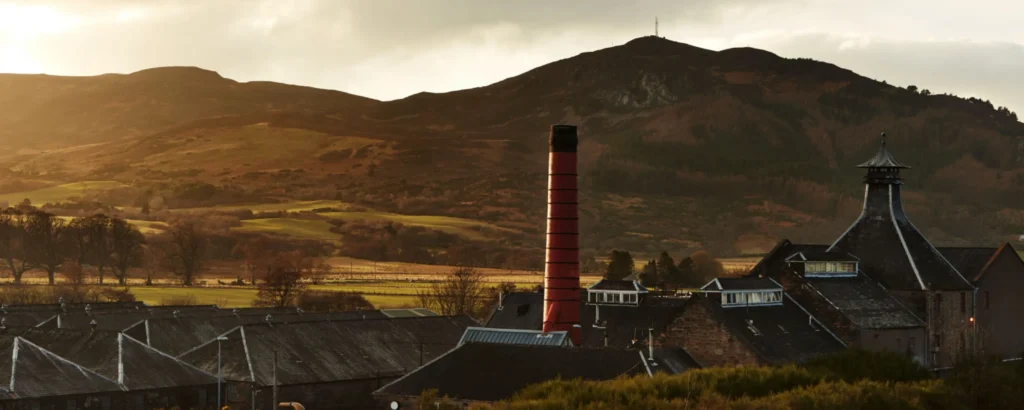
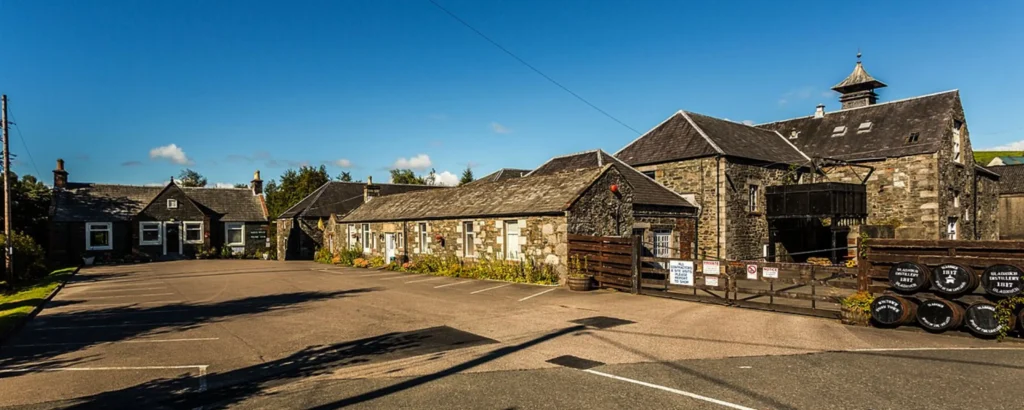
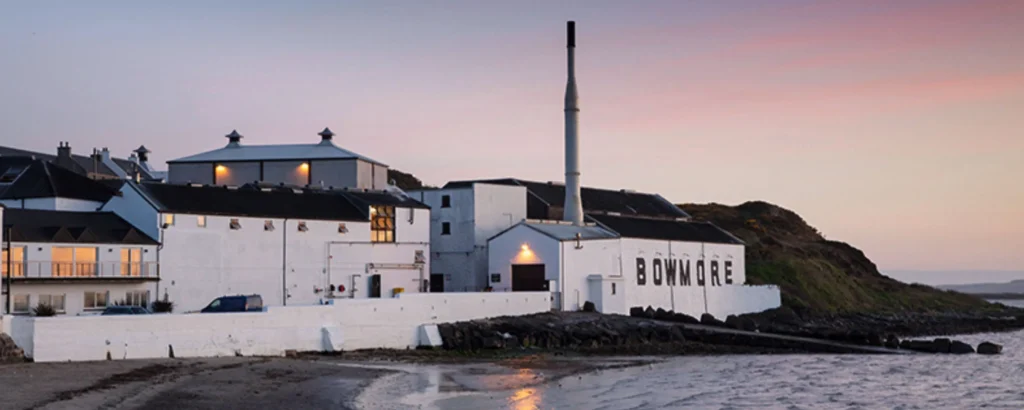
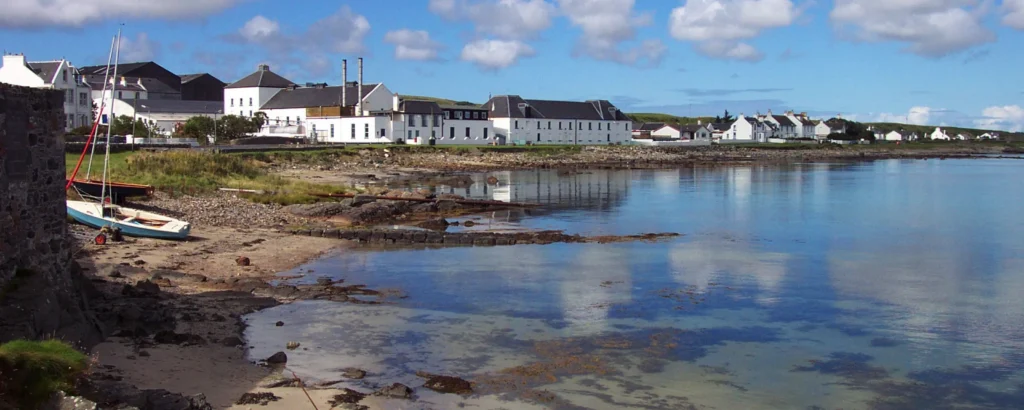
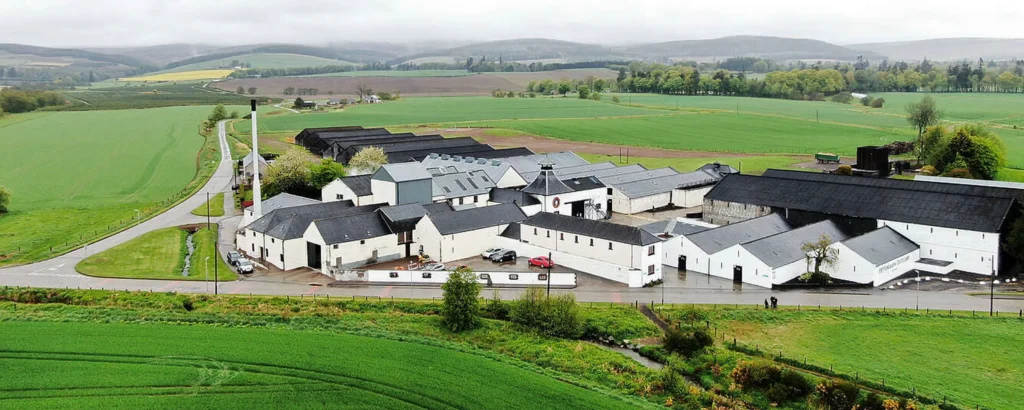
Bowmore was founded by David Simpson in 1779 in the village of the same name, overlooking Loch Indaal on Islay's western coast.
Over nearly two and a half centuries, the distillery has witnessed enormous changes in Scotch whisky production while retaining several traditional practices.
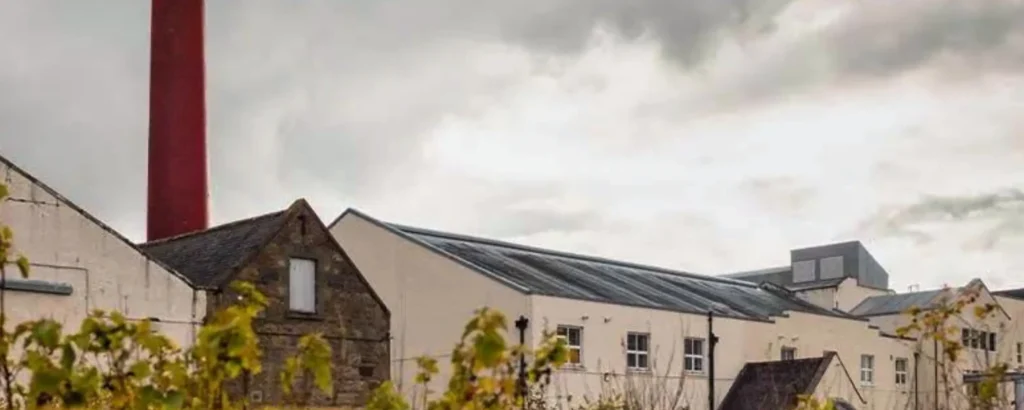
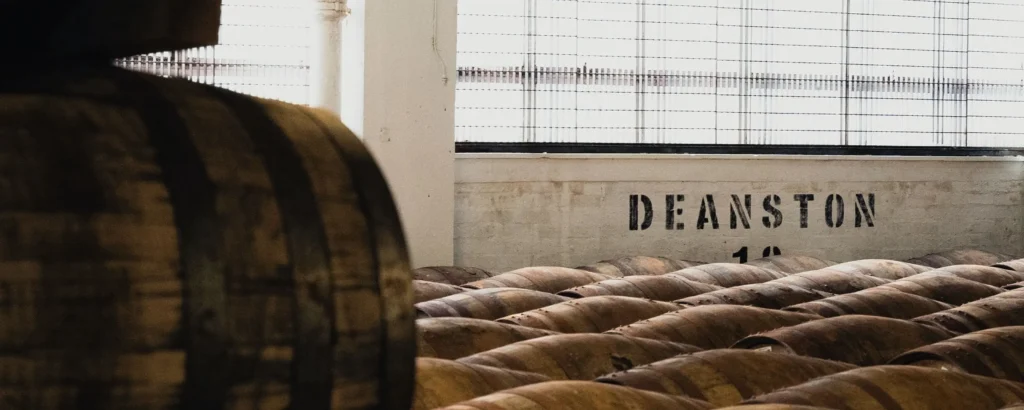
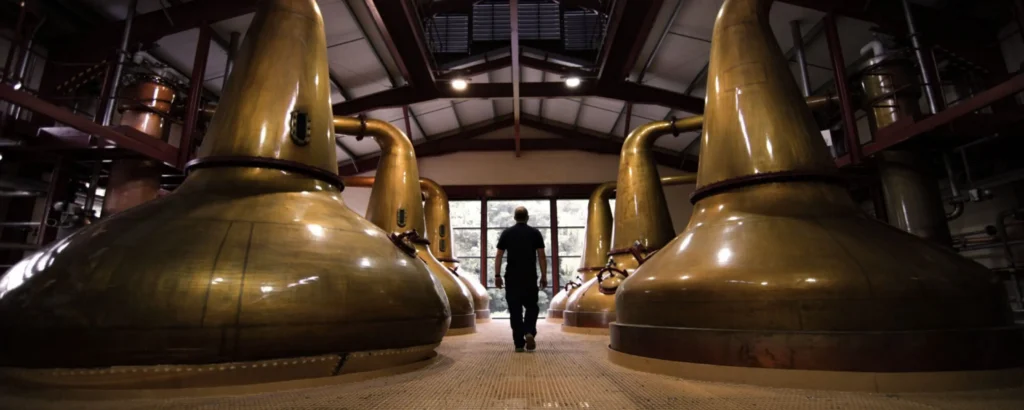
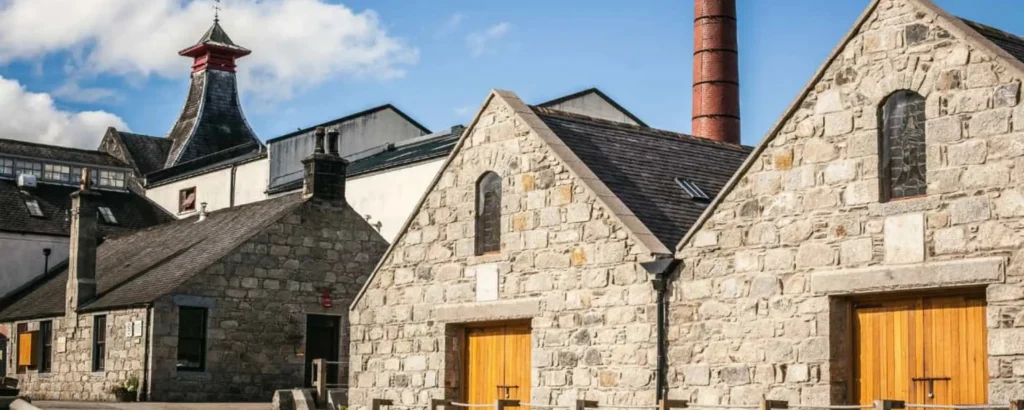
One of its most recognisable features is the No.1 Vaults, a historic maturation warehouse situated close to the shoreline. The distillery also maintains traditional floor maltings, producing a proportion of the malted barley used in its whisky.
Today, Bowmore is owned by Suntory Global Spirits, part of the Japanese Suntory group. Its international ownership and established distribution have helped introduce the brand to whisky enthusiasts across numerous markets.
These foundations contribute to the appeal of a Bowmore whisky investment, although the distillery's reputation is only one consideration when assessing an individual cask.
Why Does Bowmore Have a Strong Collector Following?
Bowmore has produced some of the most celebrated aged whiskies from Islay.
Historic releases, including expressions from the 1960s, have attracted considerable attention among collectors. Bottlings such as Black Bowmore have become particularly well known for their rarity, distinctive character and association with an important period in the distillery's history.
These releases have helped establish Bowmore as a respected name in the premium single malt market.
However, the prices achieved by rare bottles should not be confused with the value of maturing whisky. Collectible bottlings often derive their appeal from specific vintages, packaging, provenance and limited production.
Anyone planning to invest in Bowmore whisky casks should therefore distinguish between the established market for exceptional bottles and the potential resale market for privately owned casks.
What Makes Bowmore Whisky Different?
Bowmore is often described as occupying a middle ground within Islay's peated whisky styles.
Its spirit combines gentle smoke with citrus, orchard fruit and coastal characteristics. Compared with some of the island's more heavily peated distilleries, Bowmore can offer a softer, more balanced expression of Islay whisky.
Maturation plays a significant role in developing this character.
Ex-bourbon casks can emphasise vanilla, honey and fresh fruit, while sherry-seasoned oak may introduce dried fruit, chocolate and richer spice. Over extended maturation, the relationship between peat, fruit and wood can become increasingly complex.
This helps explain why cask selection is central to a Bowmore whisky investment. Two casks from the same vintage may develop differently depending on their previous use, wood quality and maturation history.
Bowmore's 250th Anniversary and Mature Cask Demand
Bowmore will celebrate its 250th anniversary in 2029, a milestone that highlights its position among Scotland's oldest operating distilleries.
Anniversaries can generate publicity, commemorative bottlings and renewed interest in a distillery's history. For Bowmore, the occasion also provides an opportunity to revisit its long-established reputation for aged single malt whisky.
A cask reaching a significant age around the anniversary may have an interesting story, particularly where its vintage, condition and maturation characteristics are desirable.
However, an anniversary does not guarantee higher prices or stronger demand. The availability of comparable stock, wider whisky market conditions and individual cask quality remain important.
Investors looking to invest in Bowmore whisky casks should view the milestone as part of the distillery's wider story rather than a reason to expect automatic appreciation.
What Should Investors Know Before Buying?
Bowmore's established reputation means individual casks may command considerable asking prices. Establishing whether that price reflects the underlying whisky is essential.
Age, distillation year, cask type, remaining bulk litres and alcoholic strength should all be reviewed. Provenance, ownership documentation and any restrictions on bottling or using the Bowmore name also require attention.
For older casks, evaporation through the Angel's Share becomes especially significant. A whisky may gain complexity with age while gradually losing volume and alcoholic strength.
A Bowmore whisky investment should also account for storage, insurance, potential regauging and selling costs, together with a realistic exit strategy.
Is Bowmore Whisky a Good Investment?
Bowmore combines a remarkable history with a recognisable Islay character and an established reputation among collectors of aged Scotch whisky.
Its traditional production methods, international presence and approaching 250th anniversary give the distillery a compelling story.
Nevertheless, strong demand for rare Bowmore bottlings does not guarantee equivalent demand for whole casks. Purchase price, provenance, maturation and future market conditions will determine the outcome of any individual investment.
If you're considering whether to invest in Bowmore whisky casks, speak to The 1901 Group team about available stock and the factors that could influence its long-term prospects.