
Client Profiles
Examples of the individuals and motivations that lead clients to explore whisky cask ownership.
Client Motivations
Why explore cask ownership?
Individuals approach whisky cask ownership from a variety of perspectives, often combining financial curiosity with an interest in tangible assets.
01 Diversification
Some clients explore whisky casks as a way to diversify beyond traditional assets such as property, equities or savings.
02 Tangible Asset Ownership
The appeal of owning a physical asset stored in bonded warehouses offers clarity compared to purely financial instruments.
03 Whisky Enthusiasts
Collectors and enthusiasts sometimes extend their interest beyond bottles to participate in the maturation process itself.
04 Long-Term Perspective
Many clients are comfortable with long holding periods and view whisky maturation as a gradual process rather than a short-term opportunity.
Ownership Journeys
Examples of cask ownership in practice
Whisky cask ownership attracts individuals from a wide range of professional and personal backgrounds. The following examples illustrate some of the motivations and circumstances that lead clients to explore cask ownership, and how their journeys with the asset have developed over time.

"I didn’t want my money sat in a bank account, not doing a great deal."
The Capital Repositioner
Retired professional repositioning capital with defined exit flexibility
Martin Molloy, a retired firefighter from Nottingham, redirected part of his pension capital into whisky casks as an alternative to cash and traditional investments. Beginning with a single purchase and expanding to a small portfolio, his approach combined research, performance analysis and advisor input. Although intended as a longer-term holding, he was able to exit within a relatively short timeframe when circumstances required, reinforcing the importance of defined ownership and exit pathways.
Read full story

"The idea of owning something that ages and matures felt both exciting and reassuring."
The Market Entrant
Engineer entering an asset class following a liquidity event
Adam Seward, an engineer from Milton Keynes, entered the whisky cask market after reassessing his investment options following a property sale. Starting with a single allocation, he engaged with the full lifecycle of the asset – from acquisition through to exit – gaining direct experience of how value develops over time. This initial position provided a practical foundation for evaluating further participation in the category.
Read full story
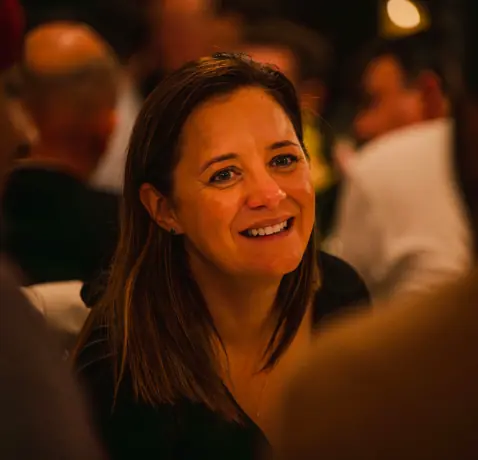
"Although this is a financial investment for me, it’s good to know that I will always own an asset."
The Global Investor
International professional investing beyond traditional markets
Jemma Selves, a private aviation professional and business founder, invested part of her inheritance into a whisky cask as an alternative to traditional holdings. With an internationally mobile lifestyle, she prioritised an asset that combines physical ownership with global market exposure. Clear ownership structures and a transparent acquisition process supported her decision, allowing her to participate in the asset class while maintaining flexibility across locations.
Read full story

"I really value the advice I get… on which casks can bring in the best financial returns and what to avoid."
The Financial Strategist
Finance professional shaping a phased transition into retirement
Nigel Kippax, a Commercial Manager from Greater Manchester, incorporated whisky casks into his financial planning to support a phased transition into retirement. Drawing on his professional background, he assessed the asset through the lens of return potential, diversification and timing. By combining independent judgement with advisor guidance, he has been able to manage allocations, realise liquidity when needed and progressively reduce his working commitments.
Read full story
Join The 1901 Group
For detailed information on acquisition structure, custody arrangements, risk considerations and realisation pathways, request The 1901 Group Investment Guide.
Download our investment guide

