Caol Ila is one of Islay's most important distilleries, yet many whisky drinkers will have encountered its spirit long before recognising the name. As a key component of Johnnie Walker, its distinctive smoky character has found its way into millions of bottles worldwide.
Beyond blending, Caol Ila has developed a loyal following among single malt enthusiasts and independent bottlers. Its combination of established demand, recognisable flavour and strong ties to Islay makes it an interesting name for investors exploring whether to invest in Caol Ila whisky casks.
Why Does Caol Ila Whisky Investment Attract Attention?
Islay has a reputation that extends well beyond Scotland. Its heavily peated whiskies have become a distinct category within single malt Scotch, attracting enthusiasts who actively seek out their smoky, maritime character.
Caol Ila occupies an important position within this market. It is the island's largest distillery by production capacity and one of Diageo's principal sources of peated malt whisky.
Much of its production supports the Johnnie Walker range, particularly Black Label. However, Caol Ila also has an established single malt range and a history of releases from independent bottlers.
For investors, this creates several potential sources of interest to invest in Caol Ila whisky. A Caol Ila whisky investment is not solely dependent on the popularity of its official bottlings, although demand for individual privately owned casks must be assessed separately from Diageo's own requirements.
A Brief History of Caol Ila Distillery
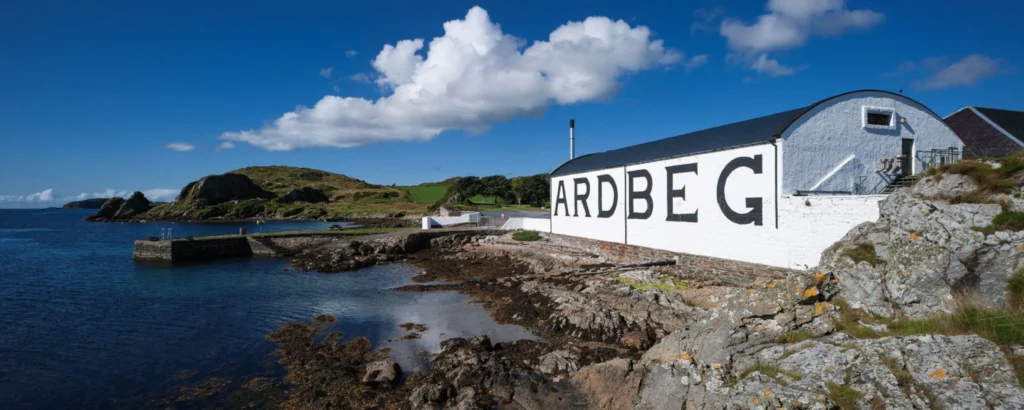
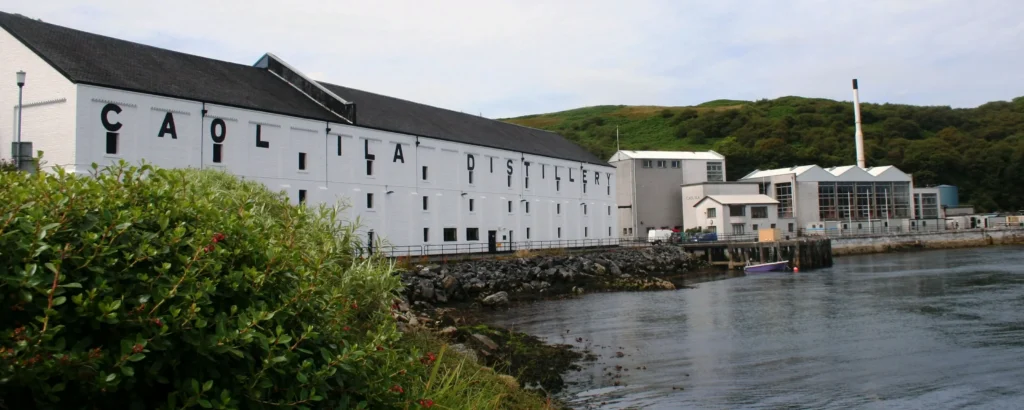
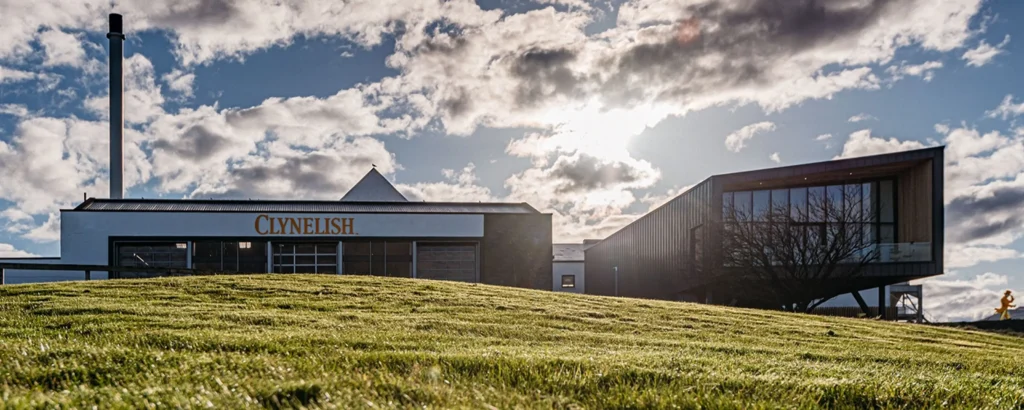
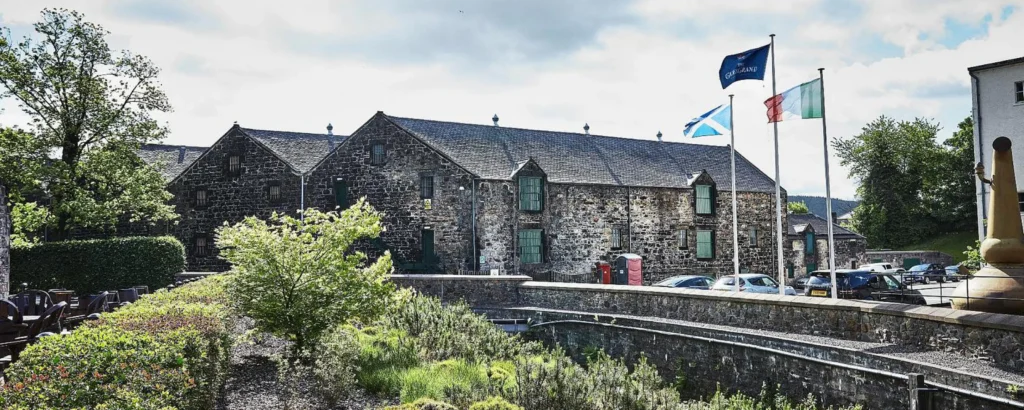
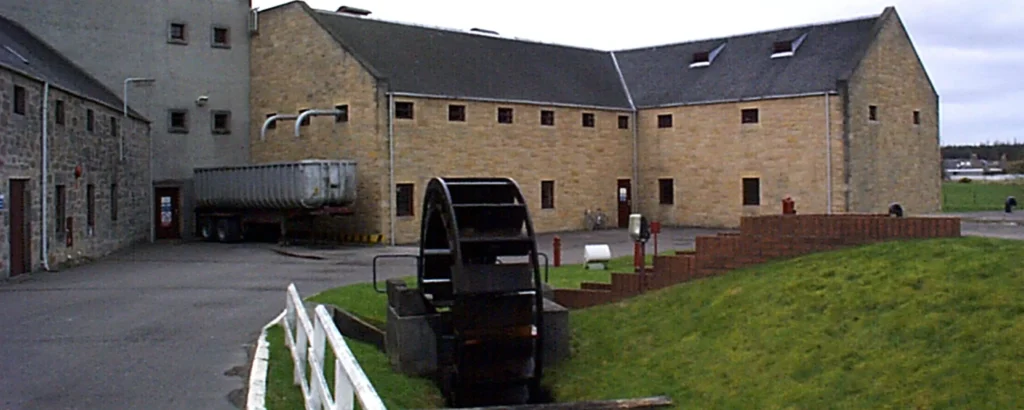
Caol Ila was founded in 1846 by Hector Henderson on Islay's northeastern coast, close to Port Askaig. Its name translates from Gaelic as 'Sound of Islay', referring to the narrow stretch of water separating Islay from neighbouring Jura.
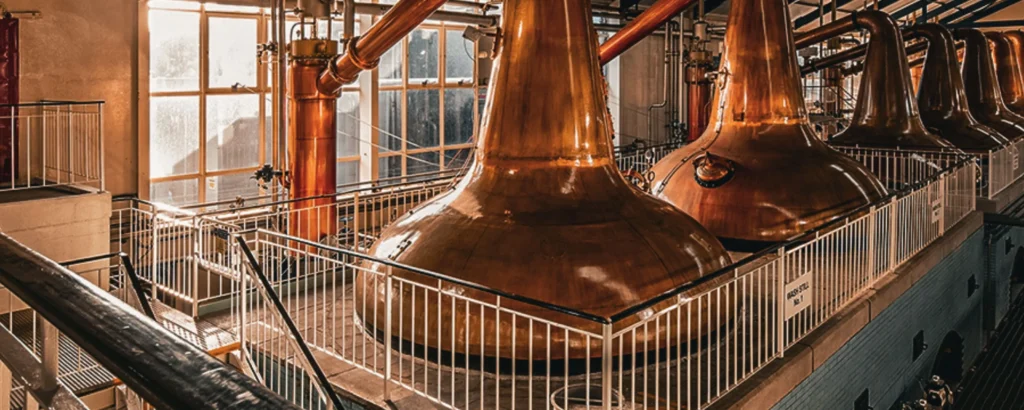
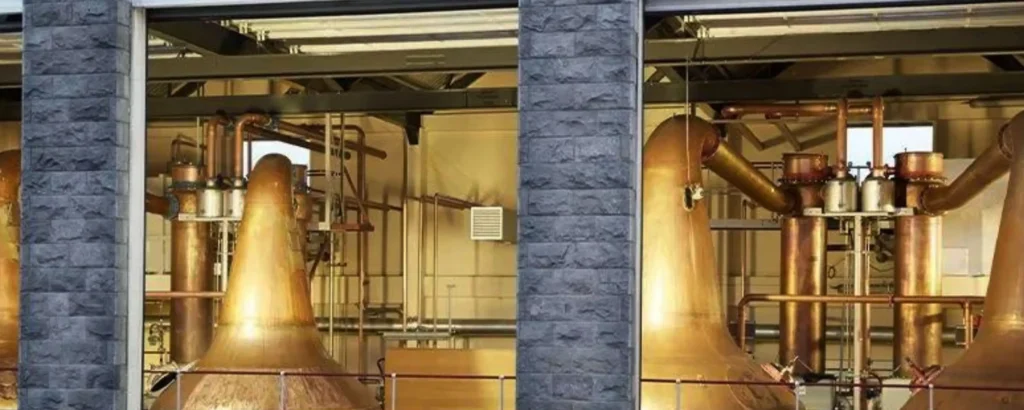
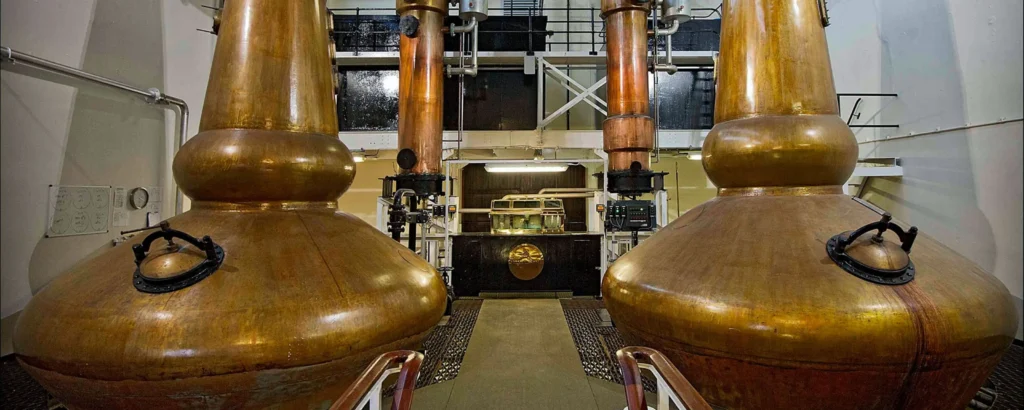
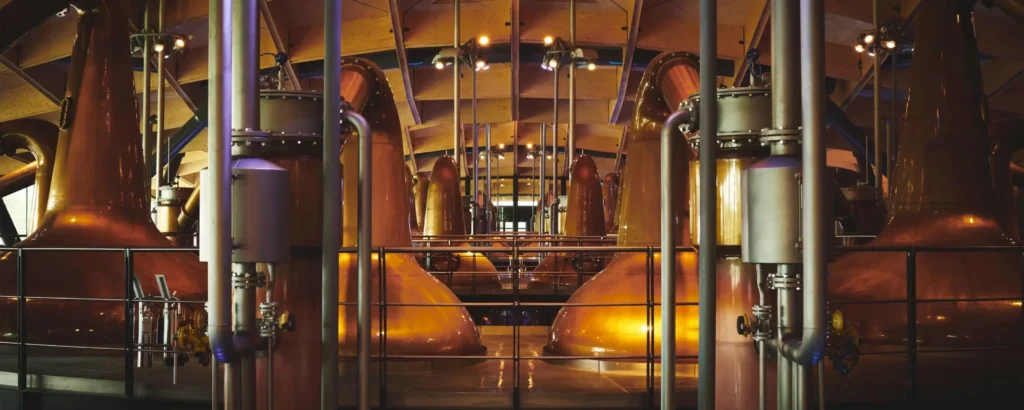
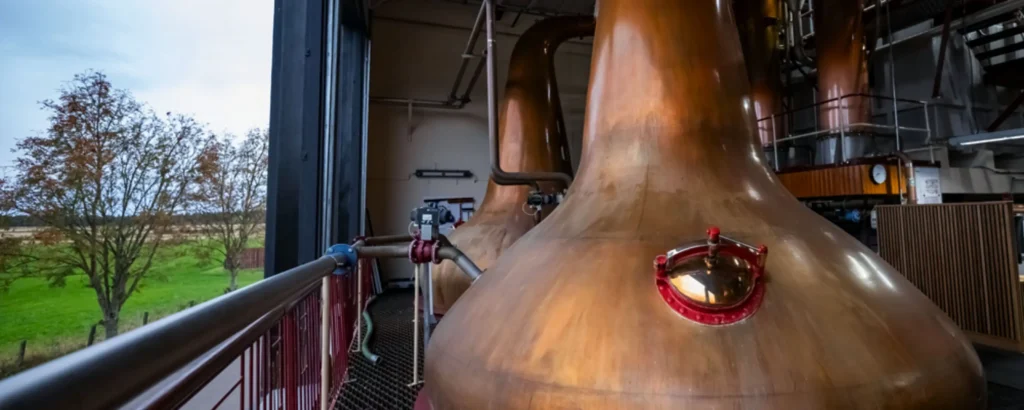
The distillery's location is particularly striking. Its still room overlooks the Sound, providing one of the most recognisable views in Scotch whisky production.
Caol Ila underwent a major reconstruction in the early 1970s, replacing much of the original distillery with a larger, more modern facility. This expansion helped establish its importance to the blending industry.
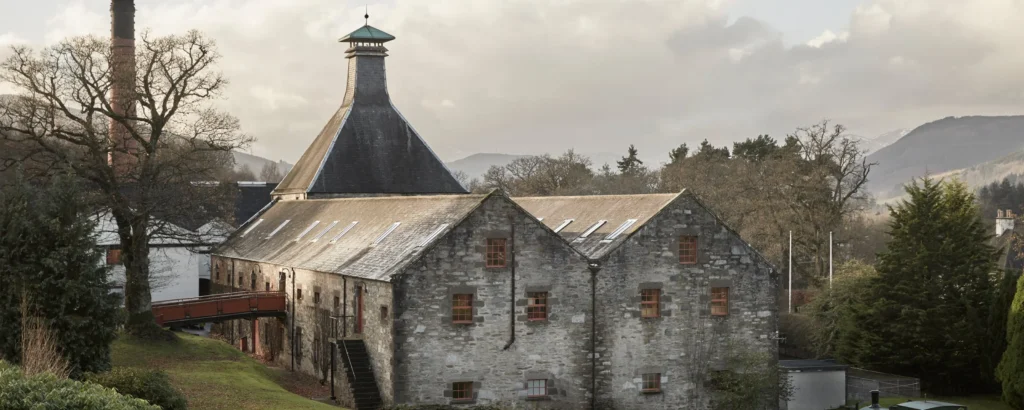
Today, Caol Ila belongs to Diageo and forms part of the Johnnie Walker 'Four Corners of Scotland' visitor experience, representing the smoky character associated with Islay.
What Makes Caol Ila Whisky Distinctive?
Caol Ila is known for producing a relatively clean, elegant style of peated whisky. While smoke is central to its identity, the spirit often displays citrus, green apple and coastal notes alongside its characteristic peatiness.
This balance distinguishes it from some of Islay's heavier, more medicinal single malts.
Much of Caol Ila's whisky matures in American oak ex-bourbon casks, which complement the spirit with vanilla, honey and gentle sweetness. Over time, the smoke can become more integrated, allowing fruit, oak and other flavours to develop.
Sherry casks can produce a different expression, adding dried fruit, spice and richer sweetness to the underlying peat.
Anyone planning to invest in Caol Ila whisky casks should consider these differences carefully. Two casks distilled in the same year can develop quite differently depending on their wood, previous use and maturation conditions.
The Role of Independent Bottlers
One of Caol Ila's distinguishing features is its long association with independent bottlers.
While some distilleries are rarely encountered outside their official ranges, Caol Ila has historically appeared regularly in independent releases. These bottlings have allowed enthusiasts to explore different vintages, cask types and maturation periods.
However, access to casks should not be taken for granted. Diageo's control over stock and any restrictions on future cask sales or bottling can affect availability and potential exit options.
This is an important consideration for a Caol Ila whisky investment. Limited access to new stock may influence supply, but it does not automatically increase the value of existing privately held casks.
What Should Buyers Consider Before Investing In Caol Ila Whisky?
The appeal of Islay whisky is only one part of the equation. A successful exit depends on finding a buyer willing to pay an appropriate price for the particular cask.
Investors should examine the distillation year, cask type, current alcohol strength and remaining bulk litres. The purchase price, storage charges, insurance, regauging costs and eventual selling expenses must also be considered.
For older stock, the Angel's Share becomes increasingly important. Evaporation reduces the quantity of whisky remaining, while changes in ABV can affect future bottling options.
Provenance and ownership documentation are equally essential, particularly when purchasing casks through the secondary market.
Is Caol Ila Whisky a Good Investment?
Caol Ila benefits from a combination of characteristics that few distilleries share: substantial production, an established single malt following, strong associations with Johnnie Walker and a long history within the independent bottling market.
Its reputation for producing well-balanced peated whisky also gives it a recognisable identity within the wider Islay category.
Nevertheless, a Caol Ila whisky investment carries risks. Whisky prices, buyer demand, holding costs and the condition of individual casks can all affect returns.
If you're considering to invest in Caol Ila whisky casks, speak to The 1901 Group team about available stock, cask specifications and potential exit considerations before making a decision.