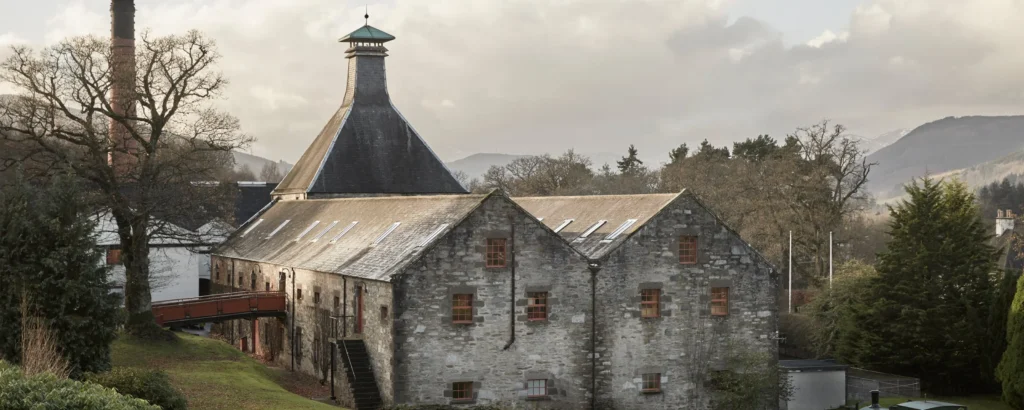
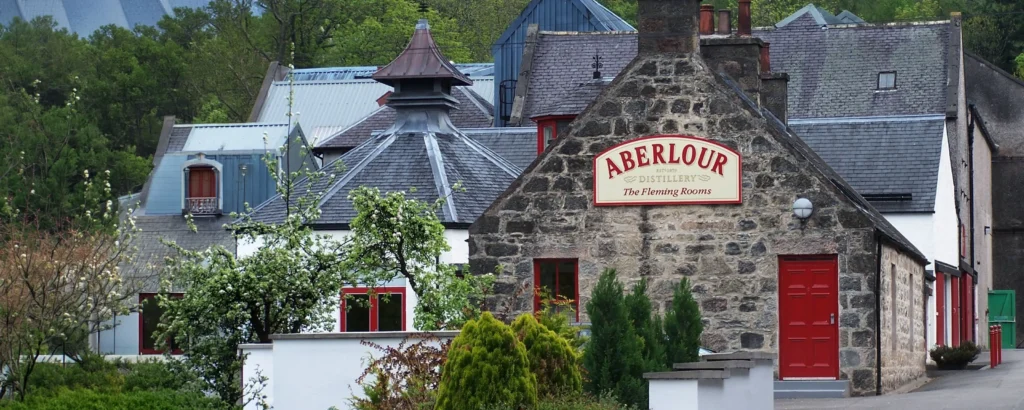
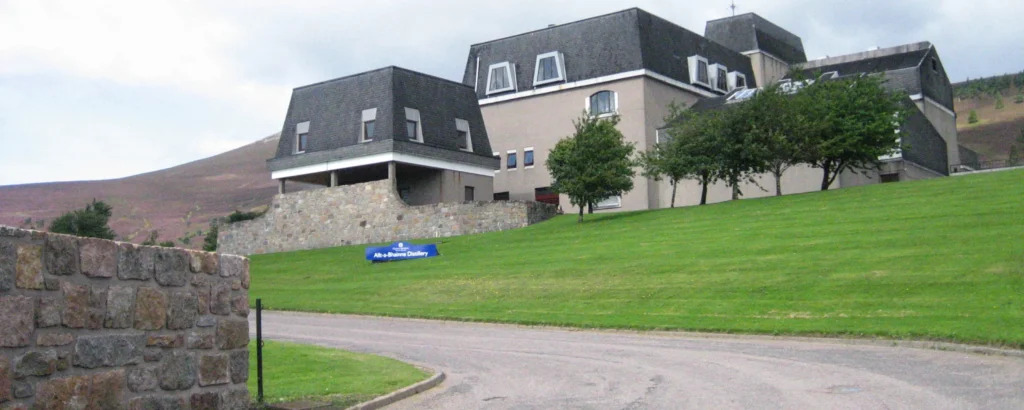
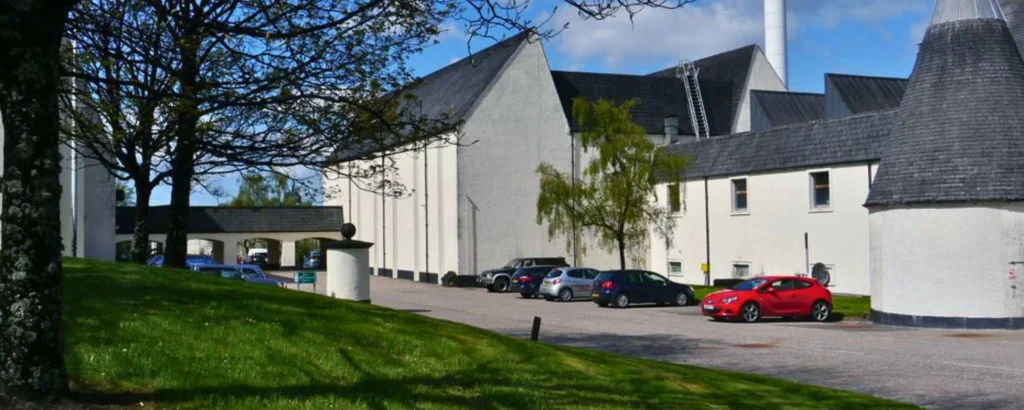
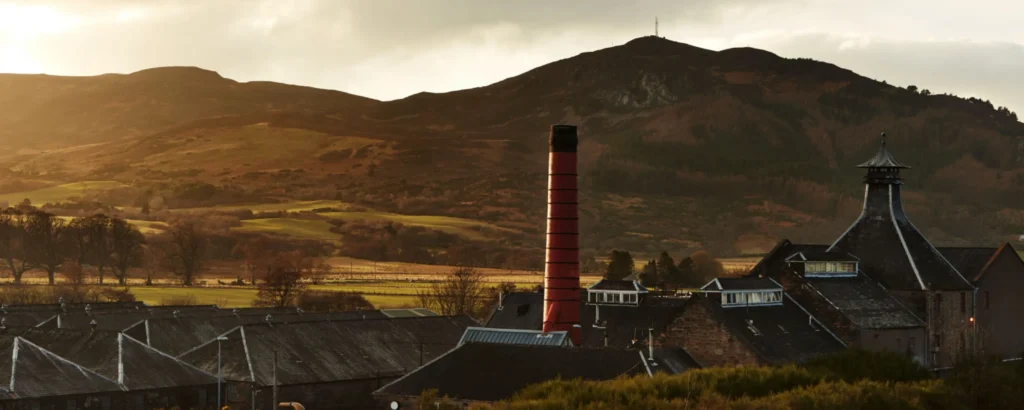
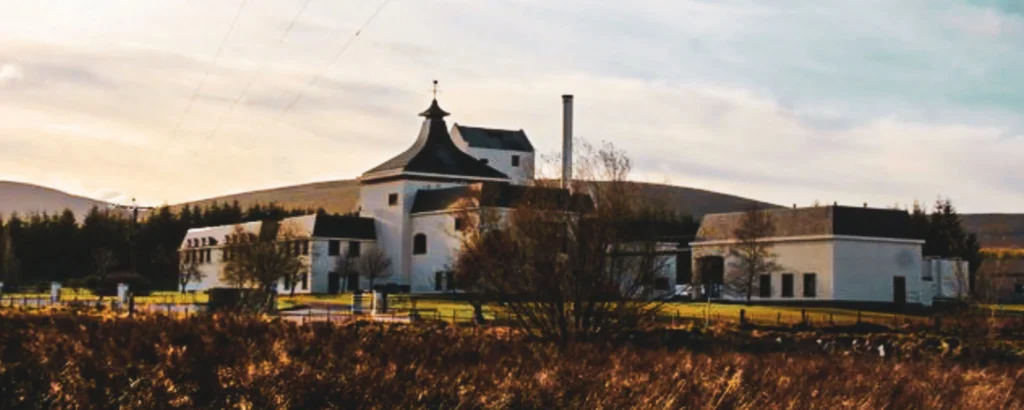
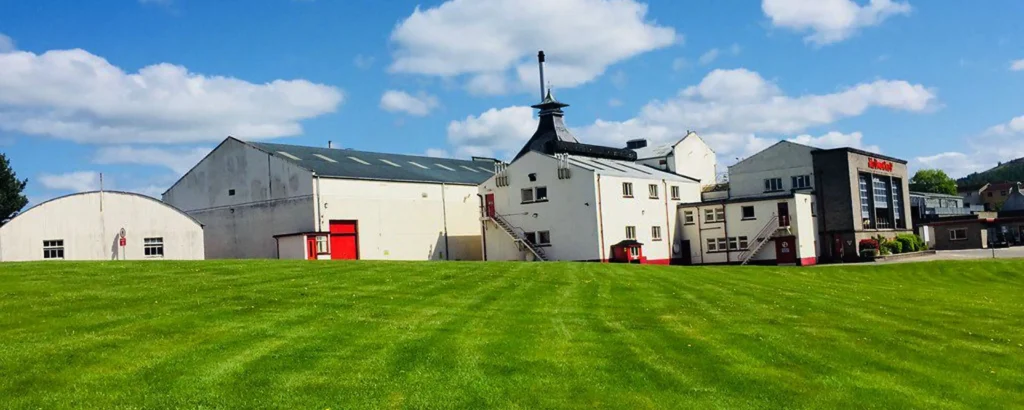
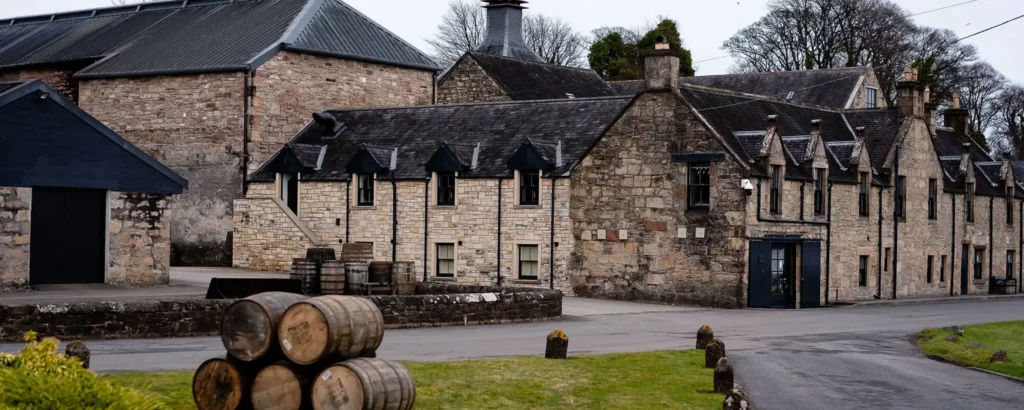
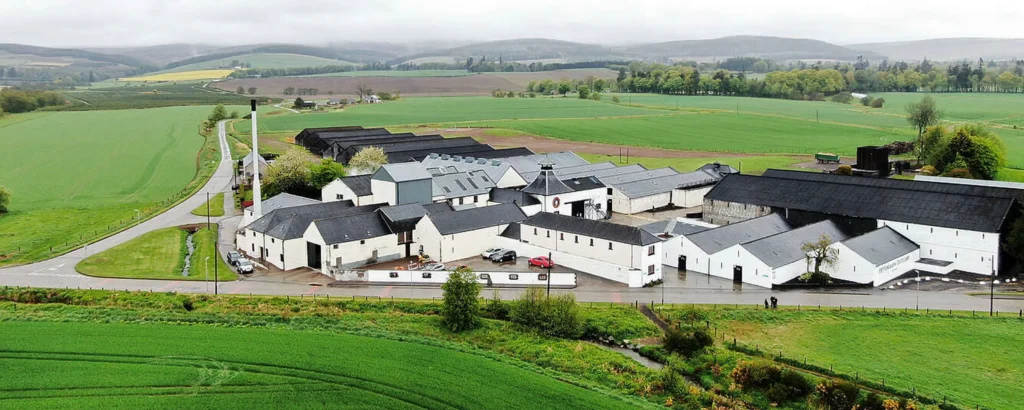
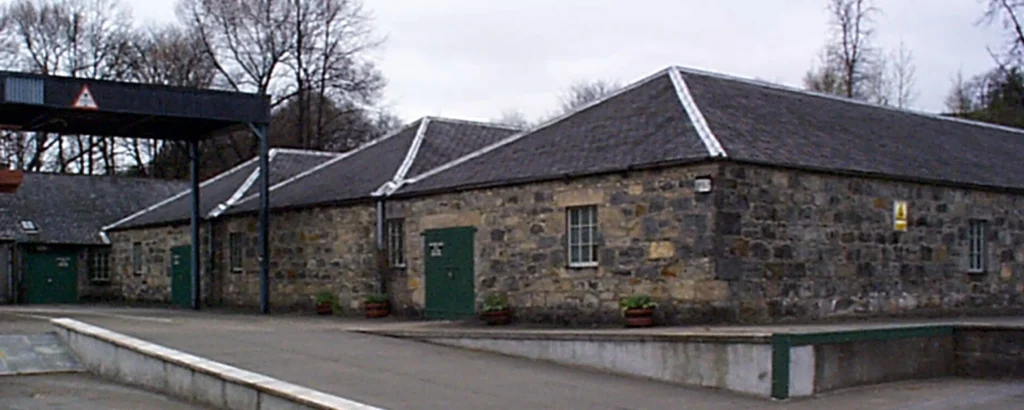
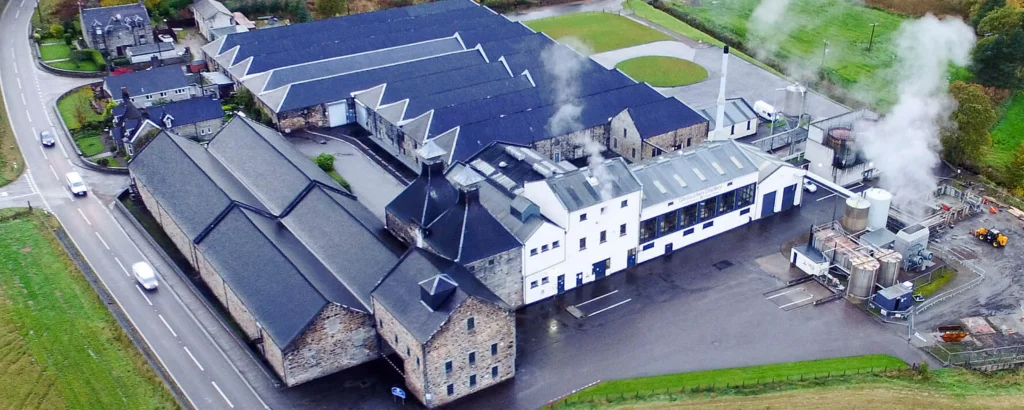
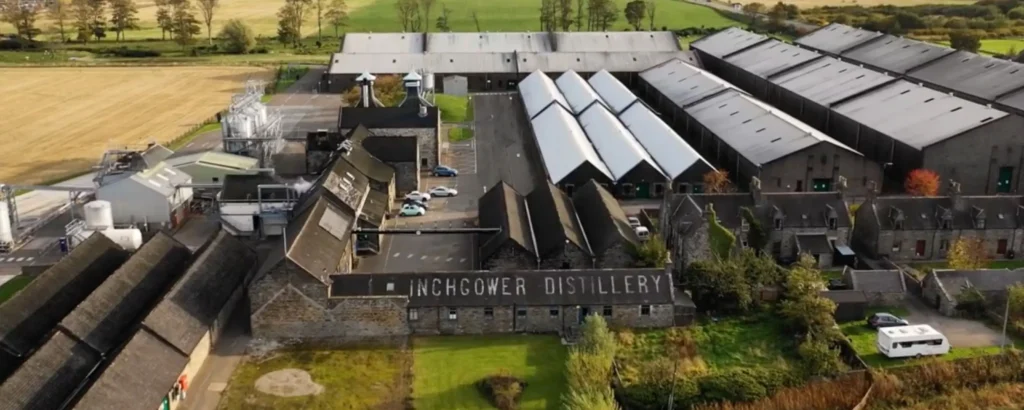
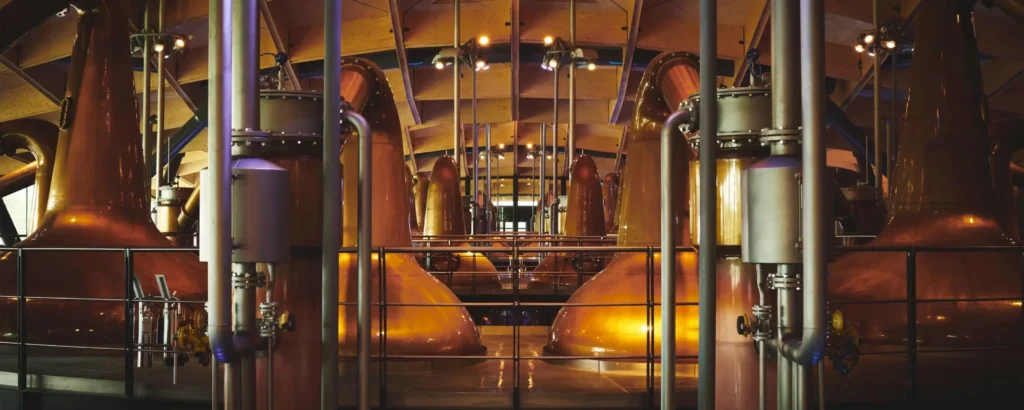
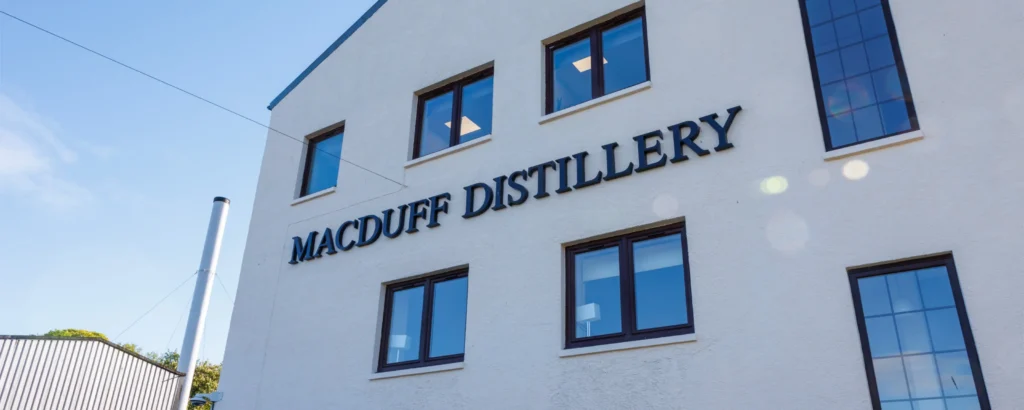
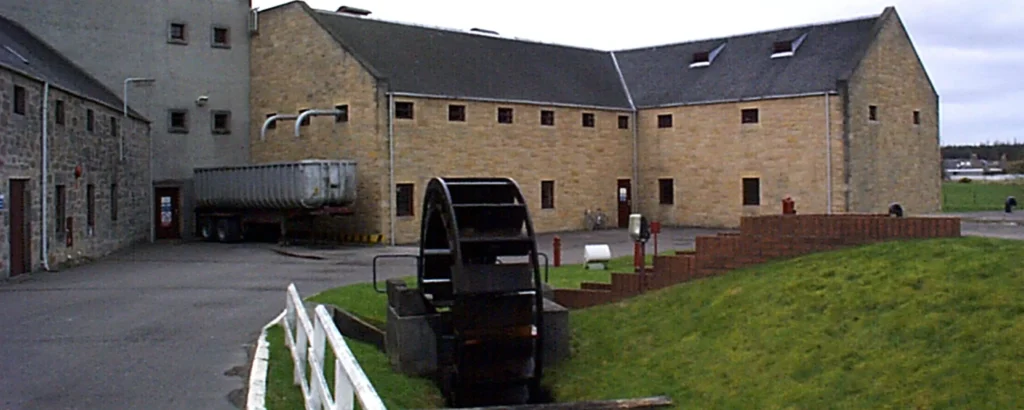
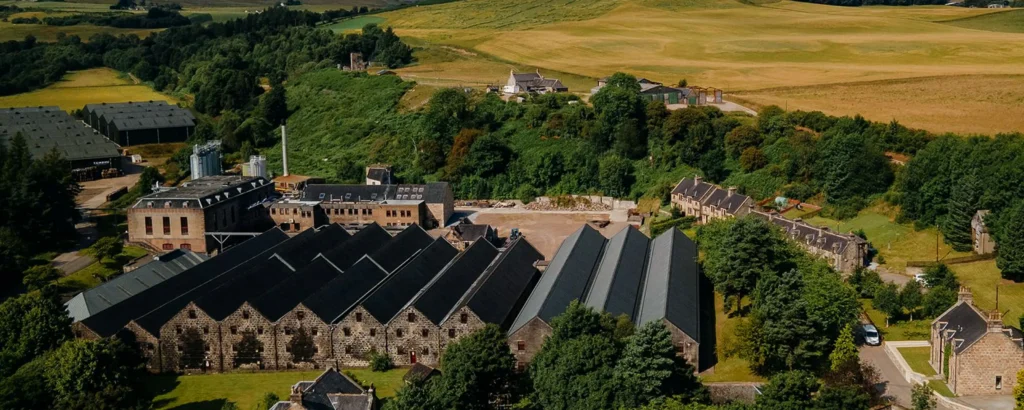
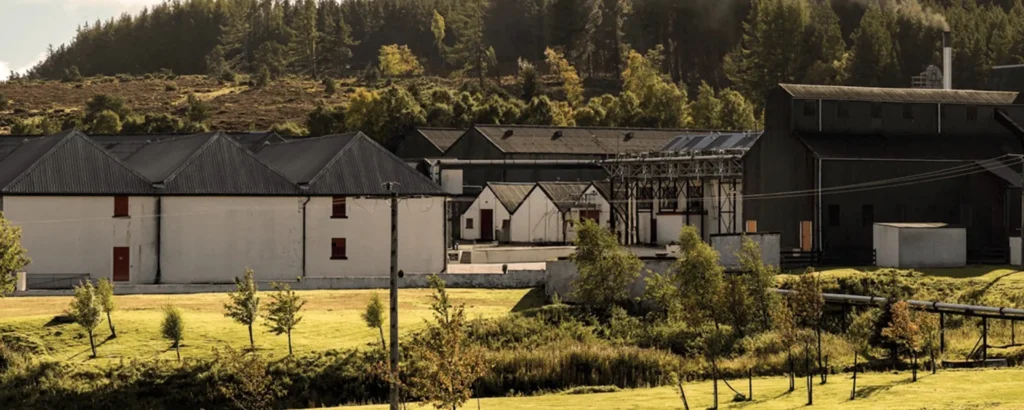
Knockdhu is one of the Highlands' lesser-known distilleries, despite producing whisky for more than 130 years. Located beneath Knock Hill in Aberdeenshire, it is recognised for its traditional production methods, fresh Highland spirit and distinctive approach to peated whisky.
For those exploring Knockdhu whisky investment, this distillery offers an interesting combination of established heritage, varied maturation styles and a reputation that extends beyond its relatively modest profile.
A Brief History of Knockdhu Distillery
Knockdhu was founded in 1893 by John Morrison, who established the distillery near the village of Knock after recognising the area's water supply and access to barley-growing land.
Production began in 1894, and the distillery initially supplied malt whisky to the blending industry. But like many Scottish distilleries, Knockdhu experienced periods of closure during the twentieth century. It eventually reopened in 1989 after being acquired by Inver House Distillers in 1988.
In 1993, its single malt was introduced under the name anCnoc, meaning 'the hill' in Gaelic. The change helped distinguish Knockdhu from Knockando, a separate Speyside distillery with a similar name.
Today, Knockdhu continues to operate under Inver House ownership, retaining much of its traditional Highland character, and can be an appealing choice for whisky investment.
Knockdhu and anCnoc: What's the Difference?
An important distinction for anyone looking to invest in Knockdhu whisky casks is the relationship between the distillery and its single malt brand.
Knockdhu is the name of the distillery where the spirit is produced, while anCnoc is the name under which its single malt is marketed.
This distinction matters when examining cask documentation, which may identify the spirit by its distillery name rather than the consumer-facing brand.
Investors should also establish whether any restrictions apply to the use of the anCnoc name when a privately owned cask is eventually sold or bottled.
What Makes Knockdhu Whisky Distinctive?
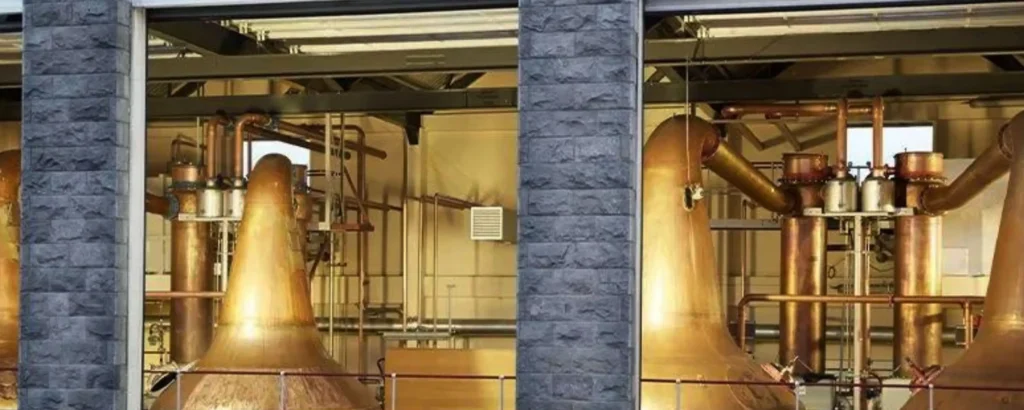
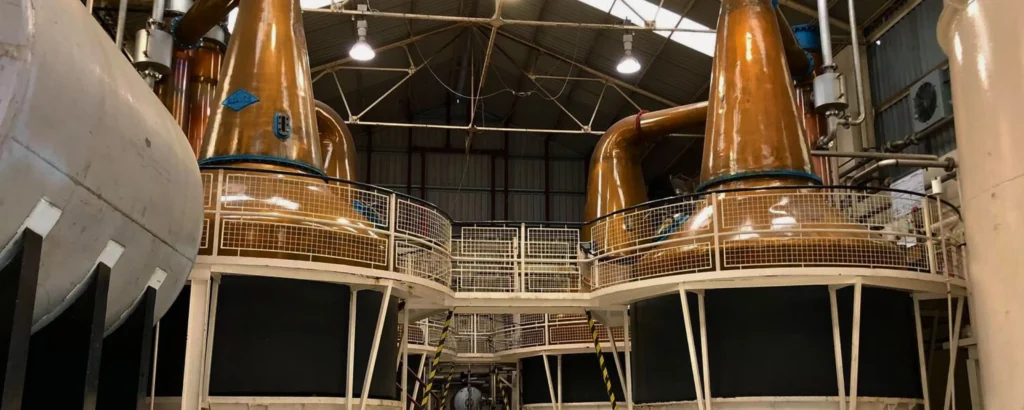
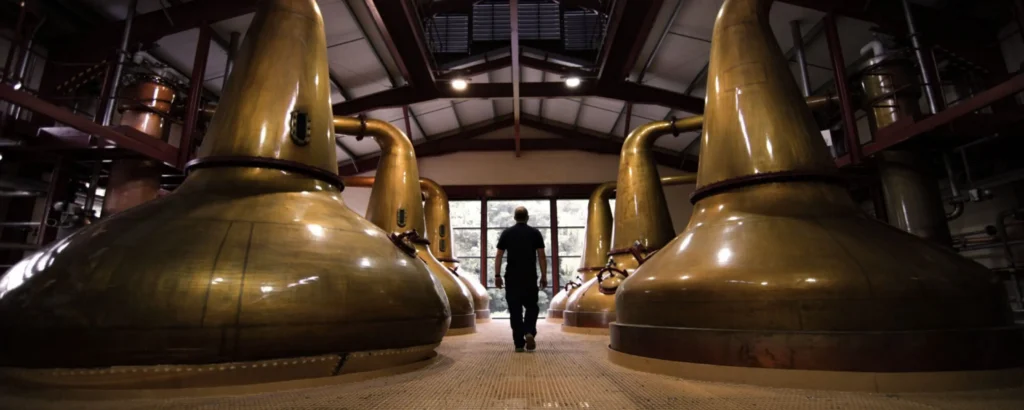
Knockdhu's traditional unpeated spirit is generally light, fresh and fruity, with notes of citrus, orchard fruit, honey and gentle malt sweetness. Its production methods have helped preserve a recognisable Highland style, balancing delicate fruit flavours with enough body to develop during maturation.
However, Knockdhu also produces a heavily peated spirit during a limited part of the year. This spirit uses peat sourced from mainland Scotland, creating a different smoky character from the medicinal, maritime peat commonly associated with Islay. The result can be softer and earthier, with smoke complementing rather than overwhelming the underlying spirit.
For investors considering Knockdhu whisky investment, the distinction between peated and unpeated spirit is important, as the two styles may appeal to different buyers.
How Does Knockdhu Whisky Develop in the Cask?
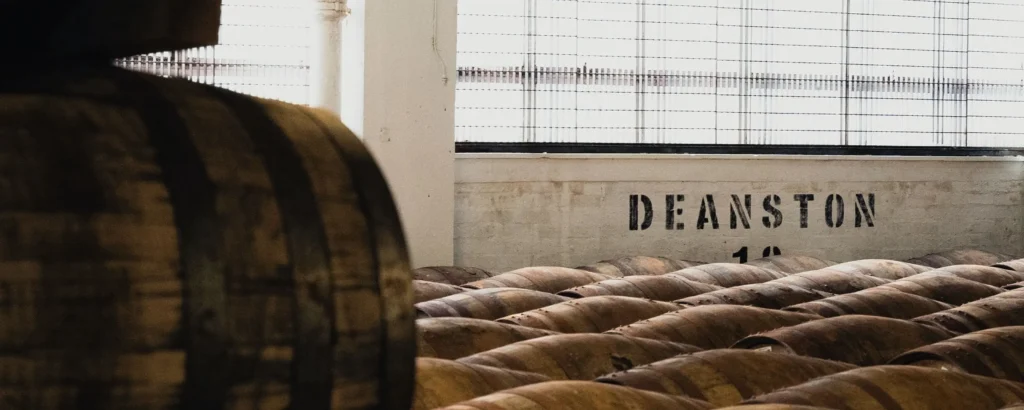
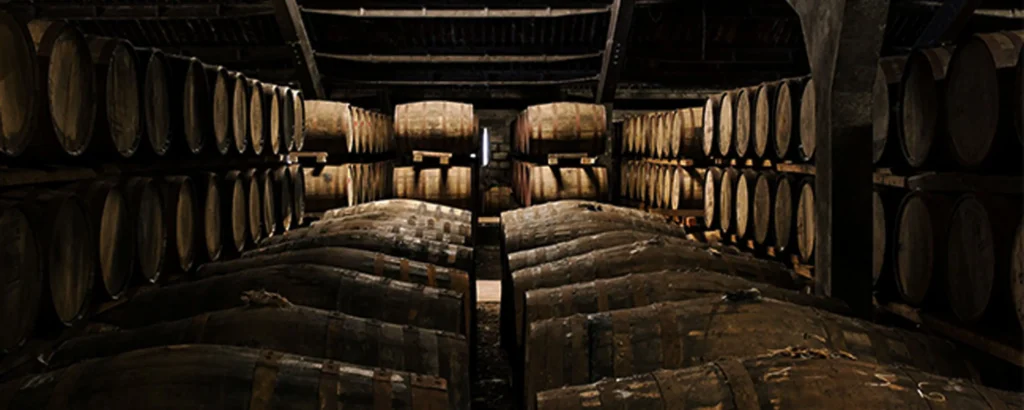
Ex-bourbon barrels play a central role in Knockdhu's maturation programme, contributing vanilla, honey and gentle oak sweetness that complement the distillery's fresh spirit.
Sherry casks introduce richer flavours, including dried fruit, chocolate and warming spice.
The distillery has also experimented with different maturation techniques, including peated whisky finished in sherry casks and combinations of bourbon and sherry wood. These variations demonstrate how oak can influence Knockdhu's character, particularly when paired with its more heavily peated spirit.
First-fill casks generally contribute stronger wood-derived flavours, while refill casks may allow more of the original distillery character to remain prominent.
For those considering Knockdhu whisky investment, the type of spirit, cask history and maturation period should all be examined before making a purchase.
Knockdhu Cask Availability and Investment Potential
Knockdhu's relatively understated reputation distinguishes it from some of Scotland's more internationally prominent distilleries.
Although anCnoc has developed a following among whisky enthusiasts, the market for privately owned Knockdhu casks should be assessed separately. Potential buyers may include independent bottlers, brokers and other private cask owners, depending on the whisky's age, quality and availability.
Those seeking to invest in Knockdhu whisky casks should establish clear ownership, confirm the bonded warehouse location and understand any restrictions on transferring or bottling the spirit.
A Knockdhu whisky investment may offer exposure to an established Highland distillery, but resale opportunities and prices remain dependent on market conditions.
What Should Investors Consider Before Buying?
Age and distillation year provide useful context, but they tell only part of the story. The cask's remaining volume, alcoholic strength and condition can also have a considerable influence on its potential value. Additionally, warehouse measurements and sampling can help establish whether the whisky is developing as expected or approaching an appropriate point for sale.
Investors should also consider storage, insurance, future bottling costs and the practicalities of finding a buyer.
For those interested in investing in whisky casks, these details are essential when evaluating the overall economics of ownership. A successful whisky cask investment depends on more than simply holding whisky for a number of years.
Is Knockdhu Whisky a Good Investment?
Knockdhu combines traditional Highland distilling with an unusual dual identity, producing both its classic unpeated spirit and a limited quantity of heavily peated whisky. Its long history, established ownership and varied maturation styles make it an interesting distillery for those exploring the cask market.
Nevertheless, Knockdhu whisky investment carries risks. Individual casks differ in quality and availability, while future demand and resale prices cannot be guaranteed.
Speak to The 1901 Group team to discuss available Knockdhu casks and their potential place within a wider whisky portfolio.