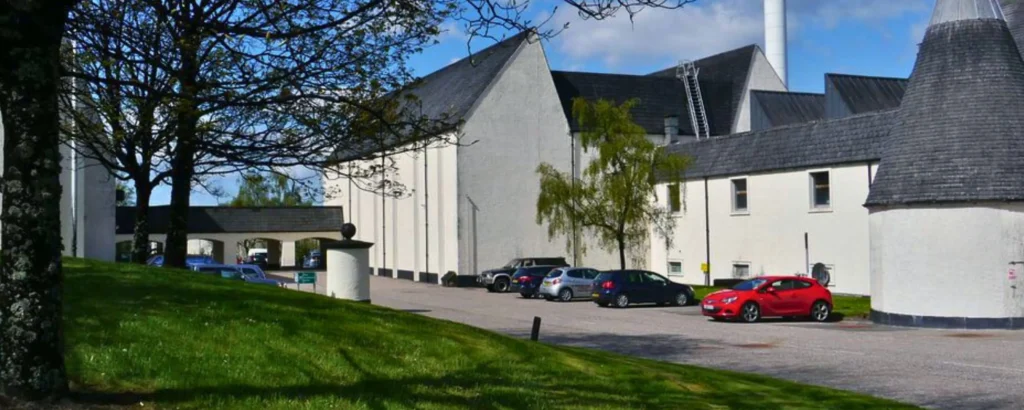
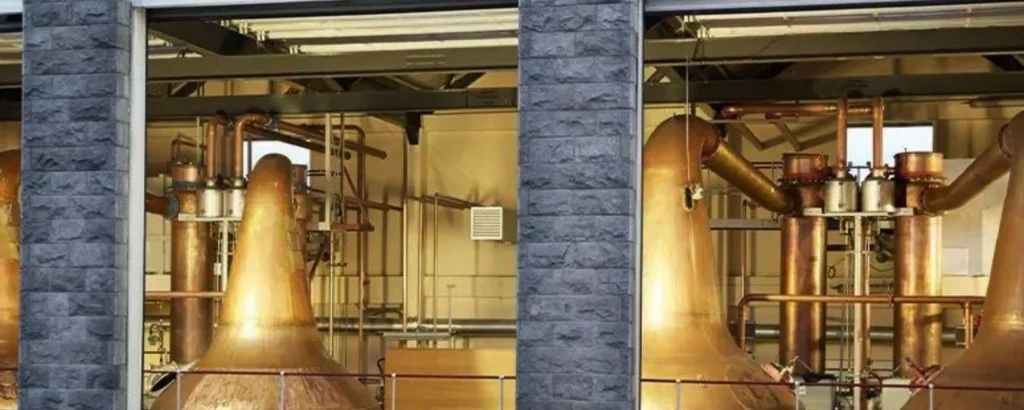
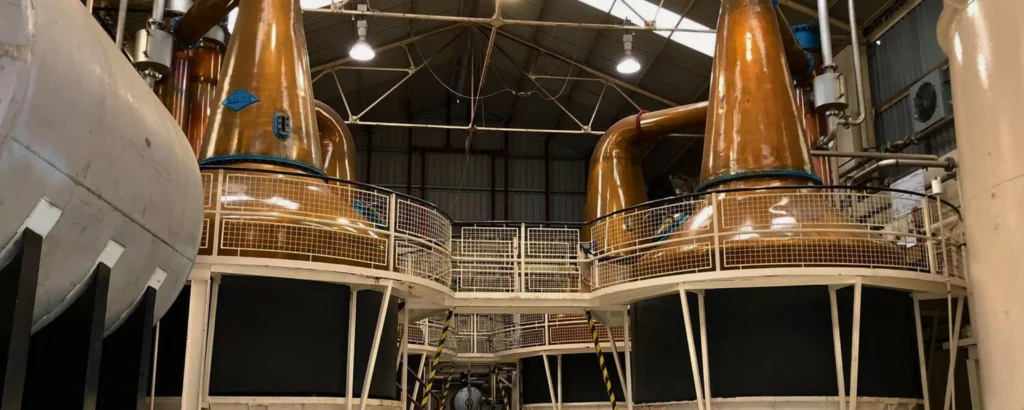
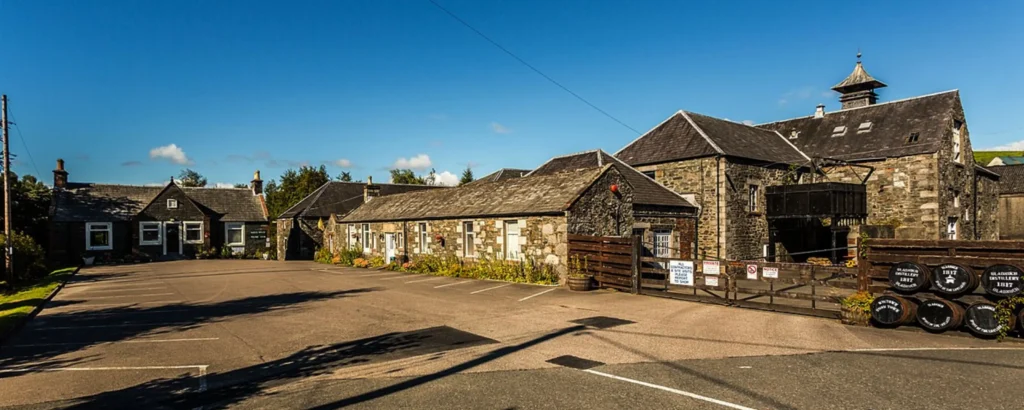
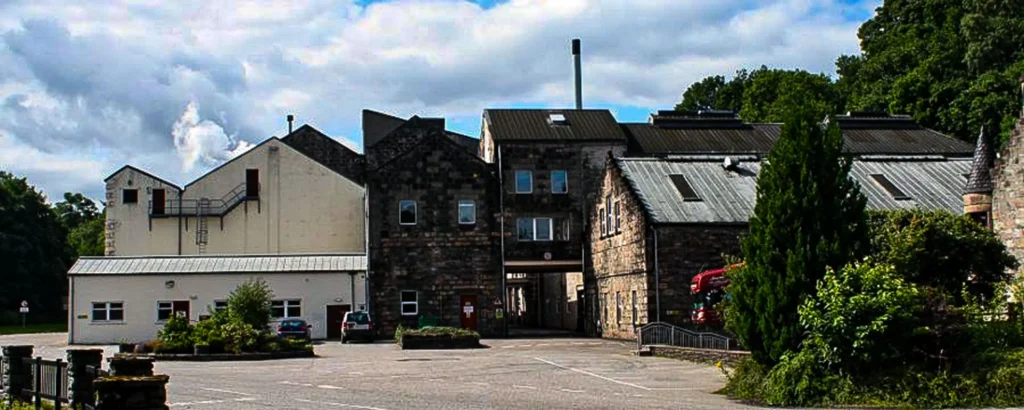
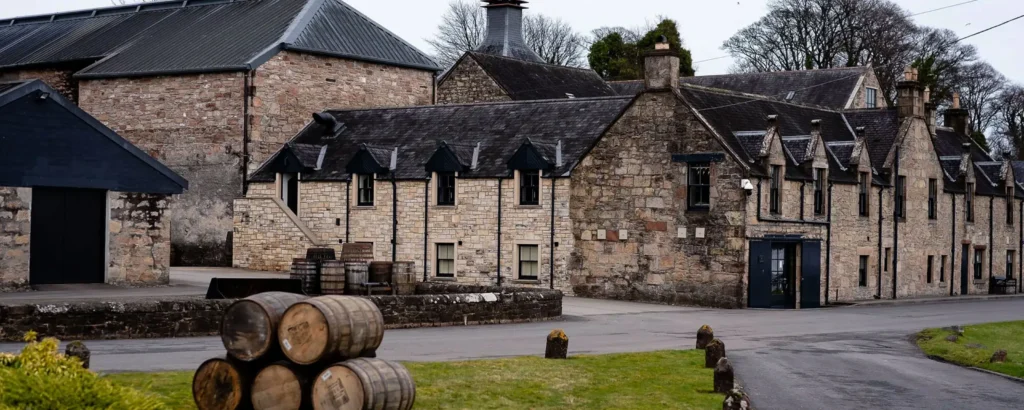
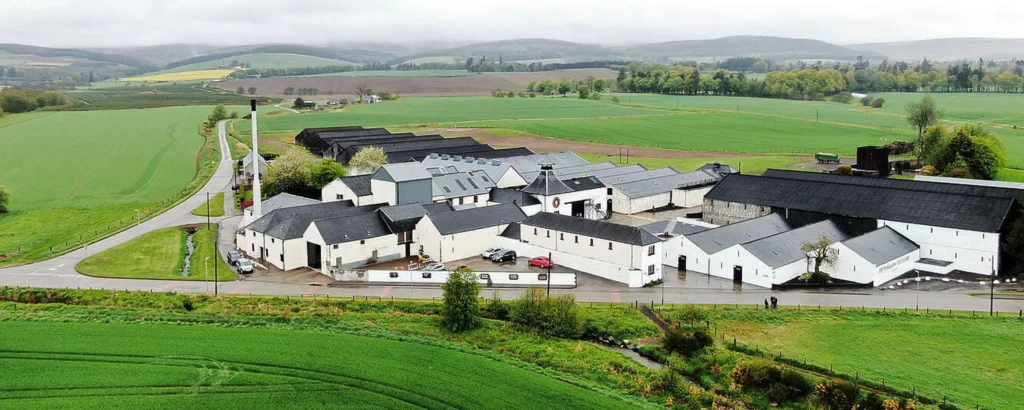
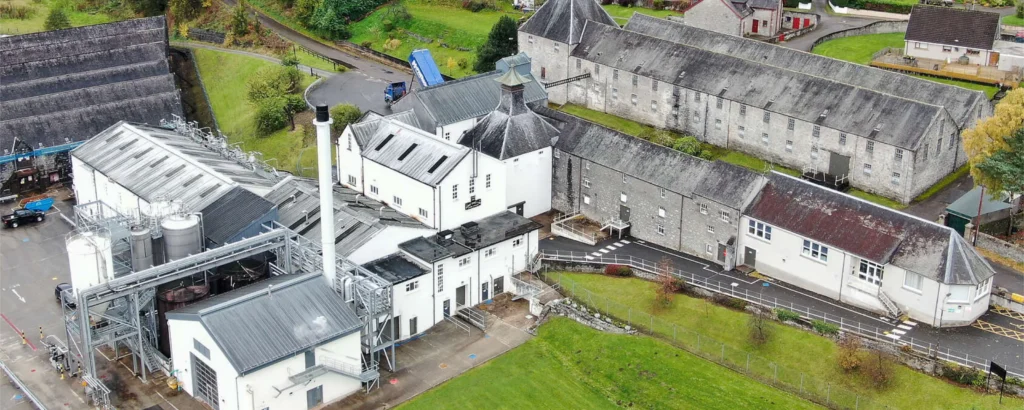
Few Islay distilleries have achieved the international recognition of Laphroaig. Founded in 1815 and known for its unmistakably smoky character, Laphroaig has developed from a remote island distillery into one of the defining names in peated single malt Scotch whisky.
For investors, this established reputation provides a strong foundation for considering a Laphroaig cask investment. The distillery combines more than 200 years of production history with global distribution, an established portfolio of age-statement whiskies and ownership by Suntory Global Spirits.
These characteristics are particularly relevant to cask investment. Laphroaig already has a well-developed market for whisky carrying its own name, while its strong association with Islay provides additional regional recognition. For those seeking to invest in Laphroaig whisky, the opportunity is therefore tied to an established global brand rather than the potential of an emerging distillery.
More Than 200 Years of Laphroaig
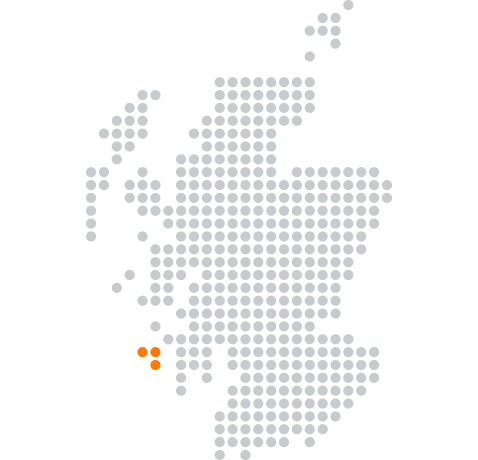
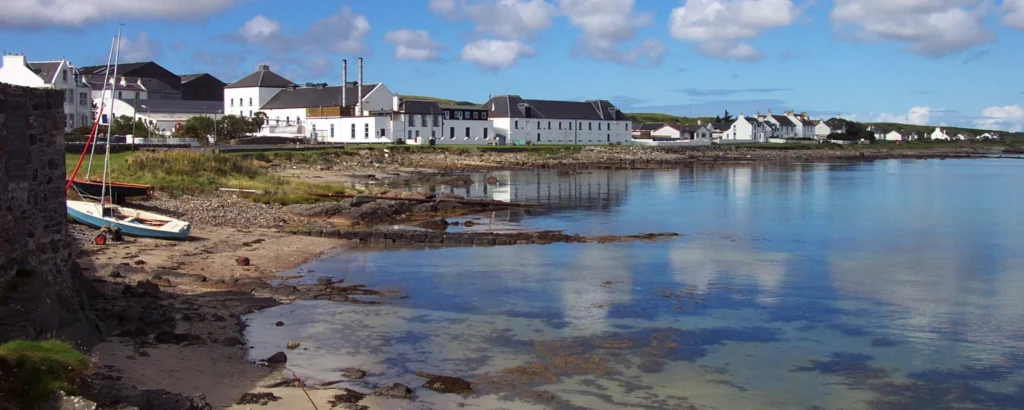
Laphroaig was founded by brothers Donald and Alexander Johnston on Islay's southern coast in 1815. Over the following two centuries, the distillery developed a reputation for a particularly powerful style of peated whisky.
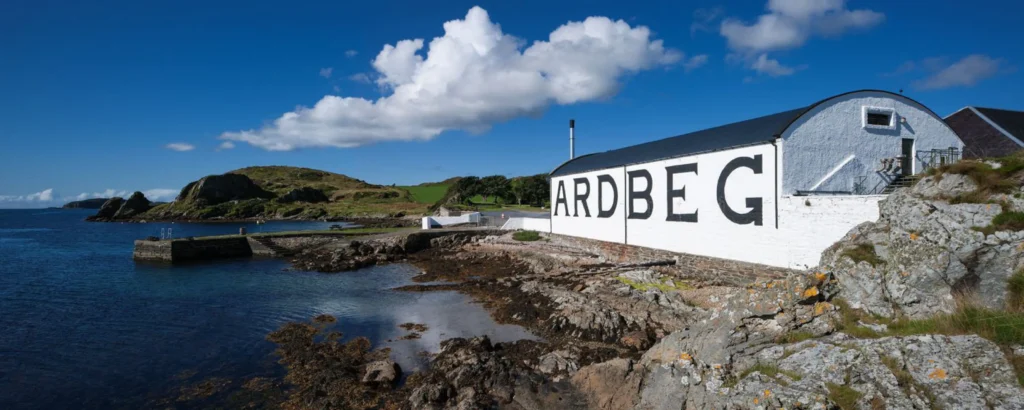
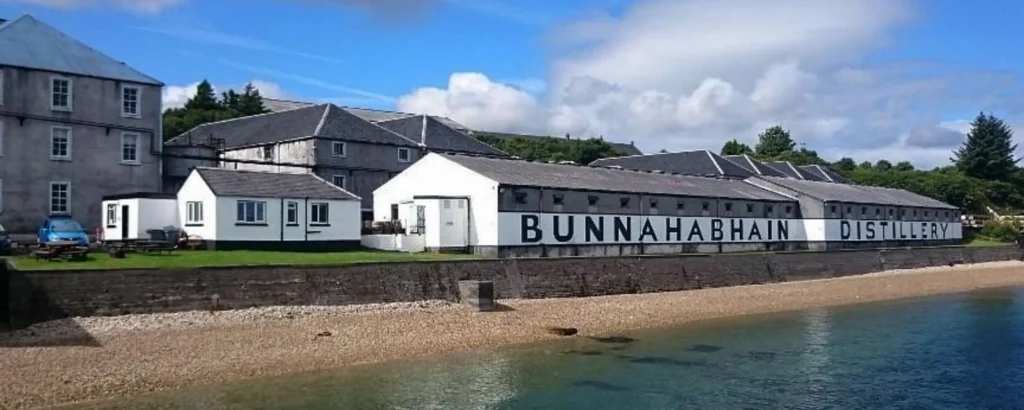
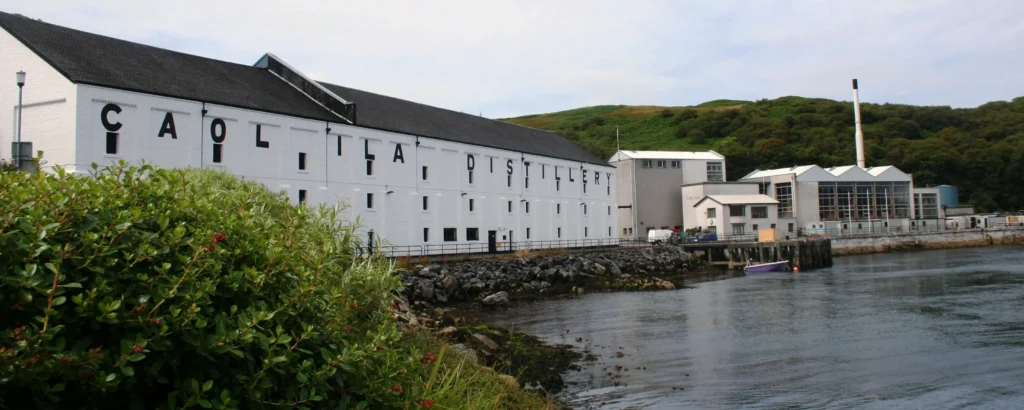
Its location places Laphroaig close to fellow Islay distilleries Lagavulin and Ardbeg, creating one of the most famous stretches of whisky-producing coastline in Scotland.
Laphroaig passed through several ownership changes as the Scotch whisky industry consolidated during the 20th century. Today it forms part of Suntory Global Spirits, giving the distillery the backing and distribution capabilities of a major international drinks business.
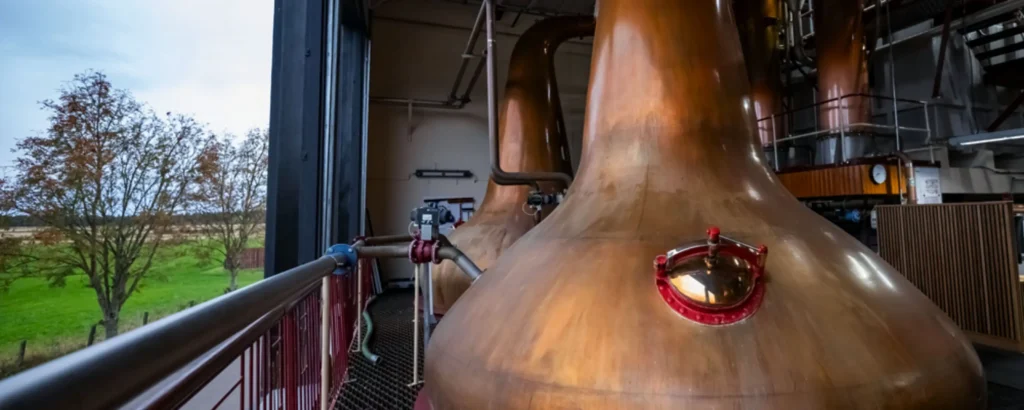
Despite its scale and international reach, Laphroaig retains some traditional production methods. It remains one of the relatively small number of Scottish distilleries that malt a proportion of their own barley using traditional floor maltings.
This combination of heritage and international scale provides useful context when assessing a Laphroaig cask investment.
Why Investors Consider Laphroaig
Brand recognition can be an important factor in whisky cask investment because the eventual value of mature stock depends partly on there being a market for the whisky.
Laphroaig has spent decades developing that market. Its core range includes established age-statement expressions alongside limited and special releases, creating commercial demand for Laphroaig whisky at different stages of maturity.
Its highly distinctive identity is another consideration. While Islay contains several famous peated distilleries, Laphroaig has built a particularly recognisable profile around its powerful smoky and medicinal character. This differentiation has helped establish a loyal international following.
For investors looking to invest in Laphroaig whisky, these factors can support the investment case, but they do not make every available cask equally attractive. The quality and price of the individual asset remain fundamental.
What Makes Laphroaig Cask Investment Worth Considering?
The name on the cask is only the starting point.
Age, cask type, ABV, remaining volume, provenance and maturation history all need to be understood before a Laphroaig cask investment is made. The potential holding period and eventual exit route should also form part of the assessment.
For example, younger Laphroaig stock may provide a longer maturation horizon, while an older cask has already progressed into a more mature age category and may consequently carry a higher acquisition price.
Cask type can also influence the development and future profile of the whisky. Laphroaig is strongly associated with ex-bourbon maturation, although other cask types and finishes feature across its wider range.
Anyone seeking to invest in Laphroaig whisky should therefore consider the individual characteristics of the asset rather than relying on brand reputation alone.
Laphroaig Within a Whisky Cask Portfolio
A Laphroaig cask investment can provide exposure to one of the most established names within the Islay category.
This can complement holdings from less consumer-facing distilleries, different Scotch whisky regions or casks at different stages of maturation. Diversification across producers, ages and cask types can help avoid concentrating an entire whisky portfolio around a single distillery or market segment.
Laphroaig's cask investment proposition is particularly linked to its existing position in the global single malt market: it is an established brand with a distinctive identity, international distribution and a history stretching back more than two centuries.
However, future demand, market conditions and available exit opportunities can change. These factors should always be considered alongside the credentials of the distillery.
Laphroaig Cask Investment with The 1901 Group
The 1901 Group assesses each Laphroaig cask investment according to the characteristics of the individual asset rather than the strength of the distillery name alone.
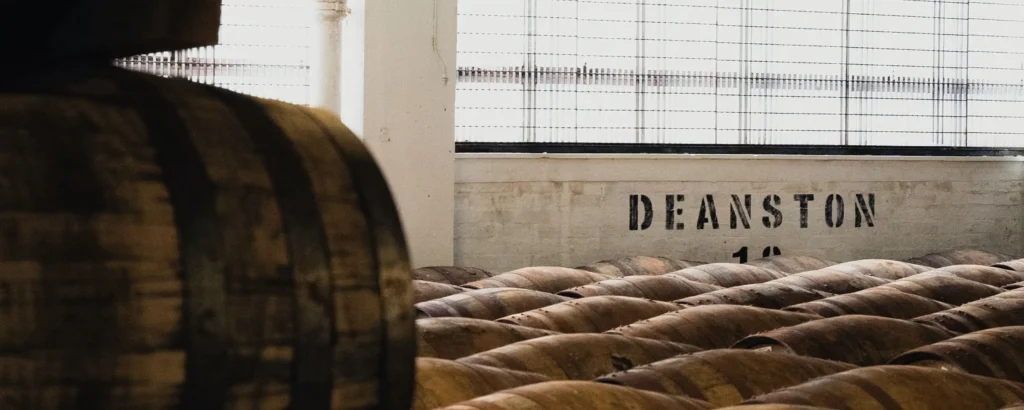
Our selection process considers provenance, age, cask type, ABV, volume, maturation profile and acquisition price. Once purchased, casks are held in HMRC-regulated bonded warehouses in Scotland, supported by ownership documentation and ongoing portfolio management.
Whisky cask investment carries risk and returns cannot be guaranteed. Performance can be affected by acquisition price, maturation, evaporation, market demand and the eventual exit route.
For suitable investors, Laphroaig combines the characteristics of a historic Islay producer with the international recognition of an established premium single malt brand.