
Miltonduff was founded in 1824 on the site of an old mill close to the City of Elgin. It was established by Andrew Peary and Robert Bain and known simply as Milton. Once the Duff family took over some years later it became Miltonduff. The distillery is owned by Chivas Brothers and is a key malt for their popular Ballantine’s blend. Official single malt bottlings have historically been rare, though interest has grown in recent years. The only current bottling from the ownership is a 24 Years Old in their Secret Speyside Collection. An 18 Years Old single ex-sherry cask expression forms the inaugural bottling in Whisky 1901’s The Ledger Series.
Miltonduff
Speyside
Established 1824
Held in high esteem by blenders, Miltonduff is a key player in Ballantine's blends.
Spirit Character
A floral and honeyed Speyside single malt with a biscuity backbone.
Taste profile
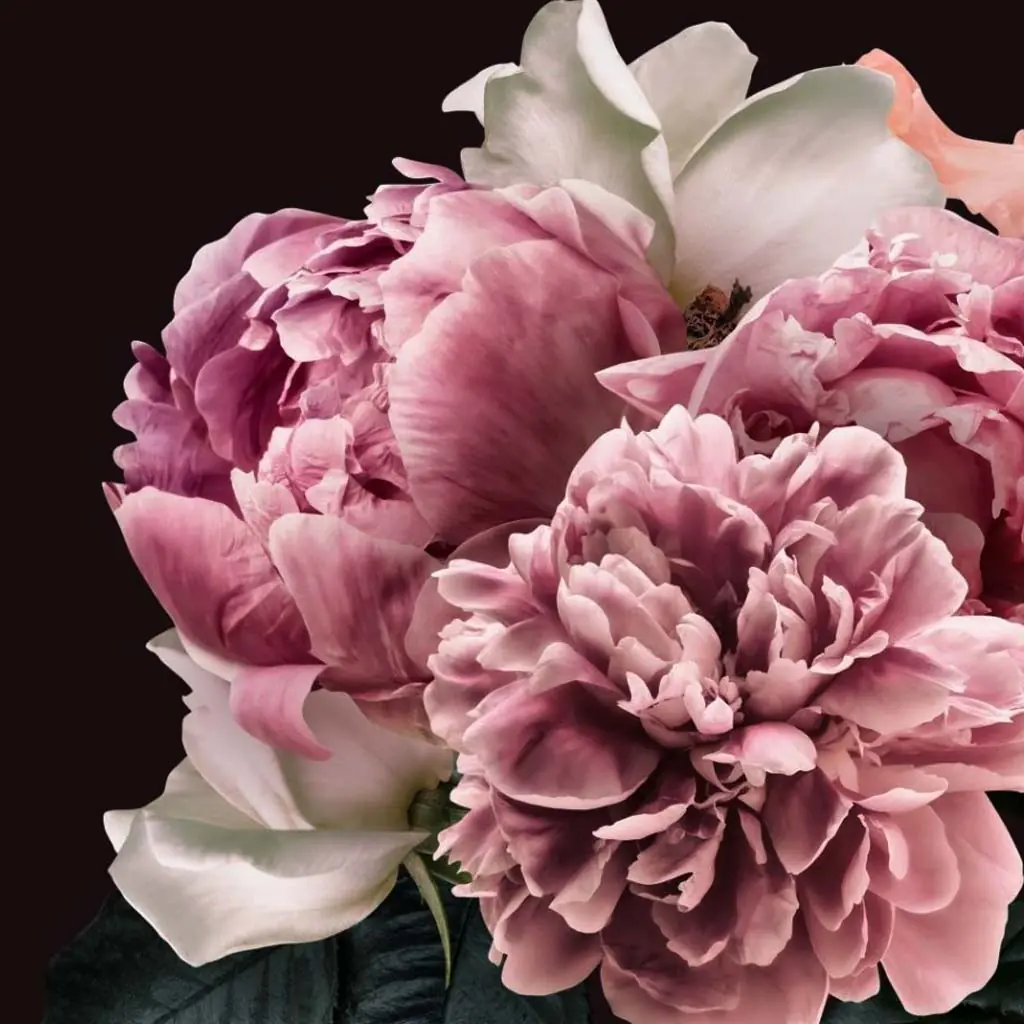
Floral
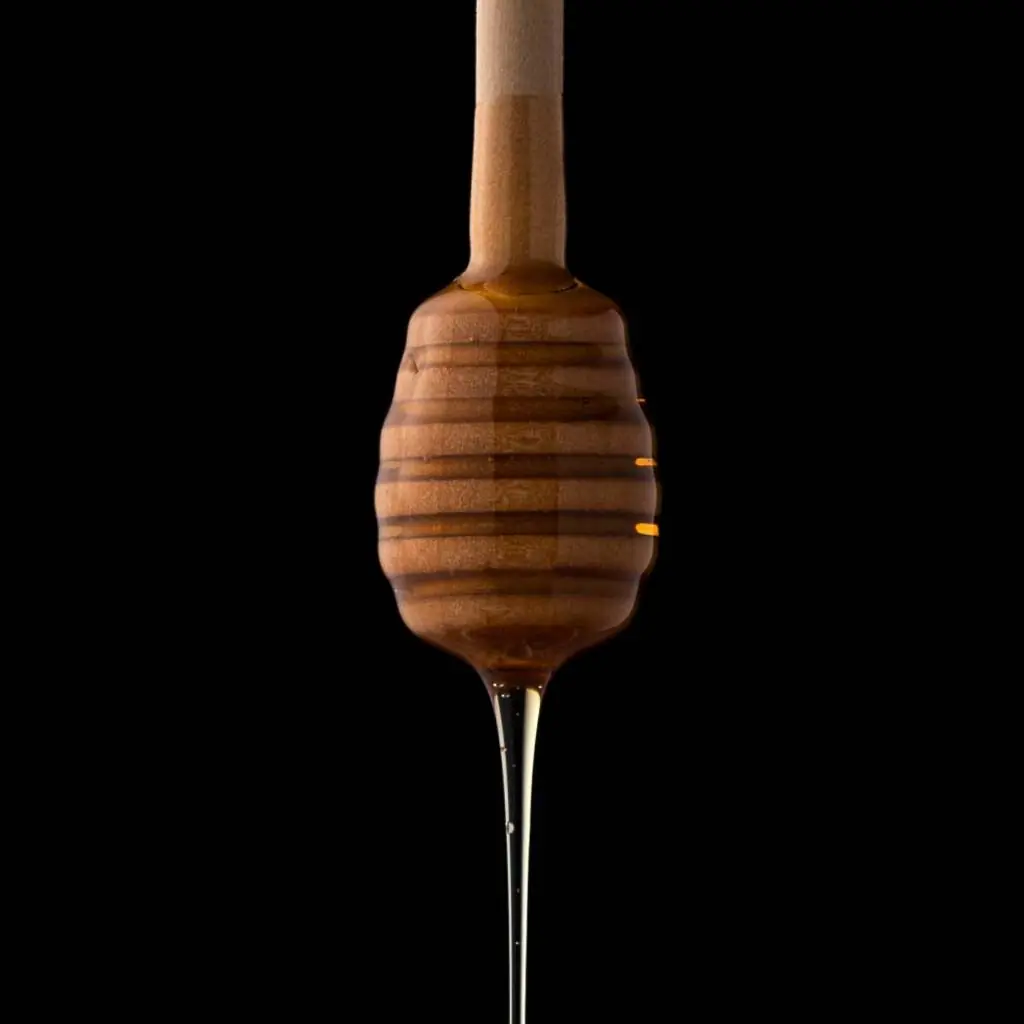
Honey
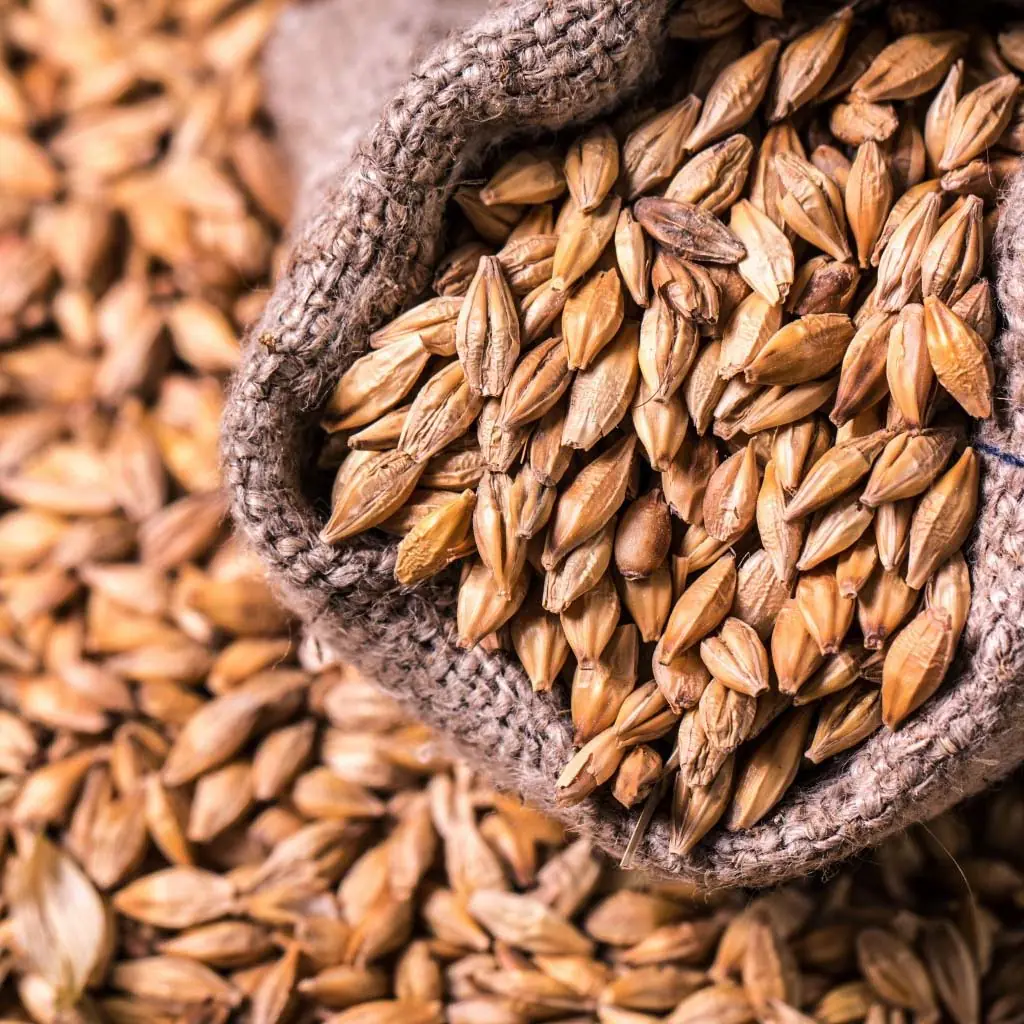
Malt
Indicative bottle values by age
A snapshot of current market pricing across key age statements for Miltonduff. Values are indicative and for illustrative purposes only.
Facts & Figures
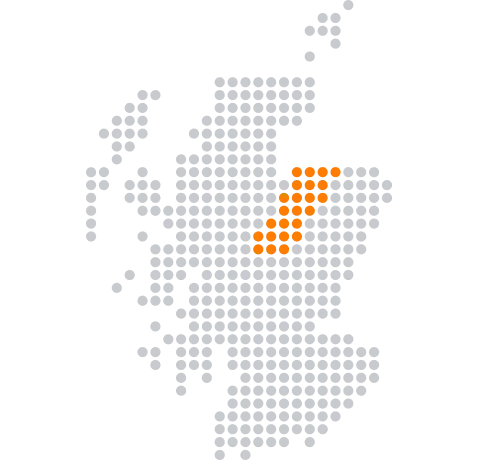
RegionSpeyside
Established1824
OwnerChivas Brothers
Number of Stills3 wash, 3 spirit
Annual Capacity5,800,000 litres of alcohol
Distillery Directory
Producers across Scotland’s whisky regions
Scotland’s whisky regions are home to a diverse range of distilleries, each shaped by its own history, production methods and location. While regional classifications provide a useful framework, the character of Scotch whisky ultimately reflects the individual producers that operate within these regions.
The directory below provides an overview of distilleries across Scotland, together with their regional location within the Scotch whisky landscape.
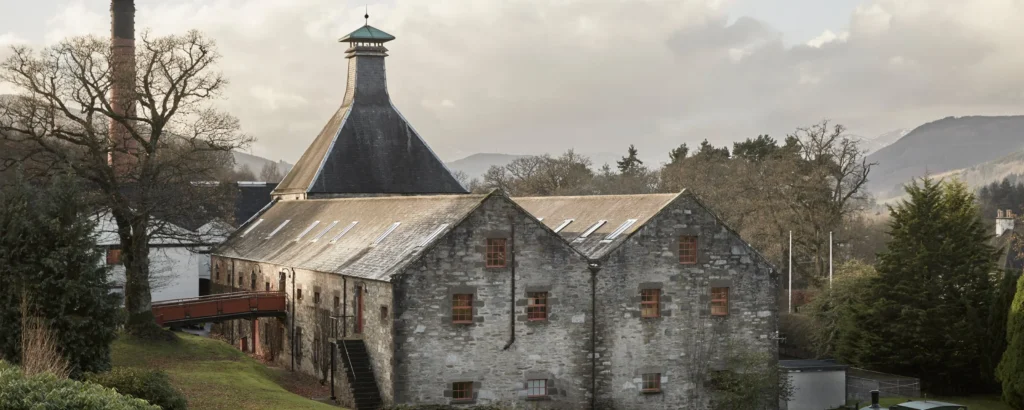
Aberfeldy
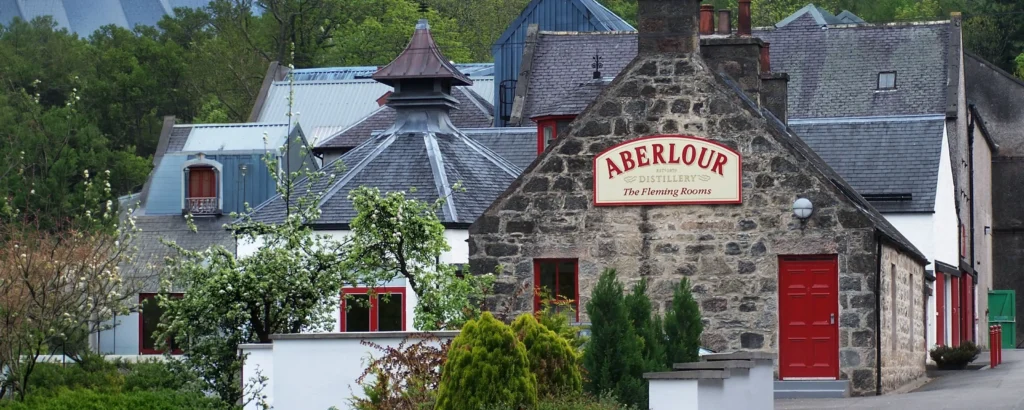
Aberlour
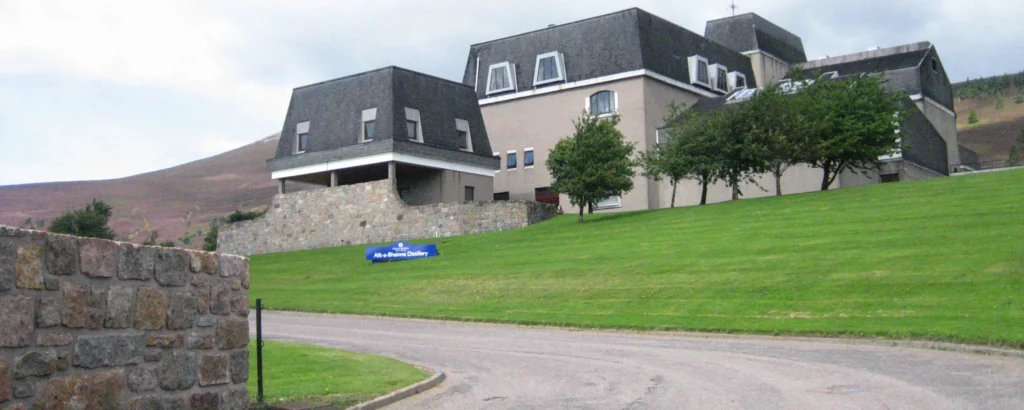
Allt a Bhainne
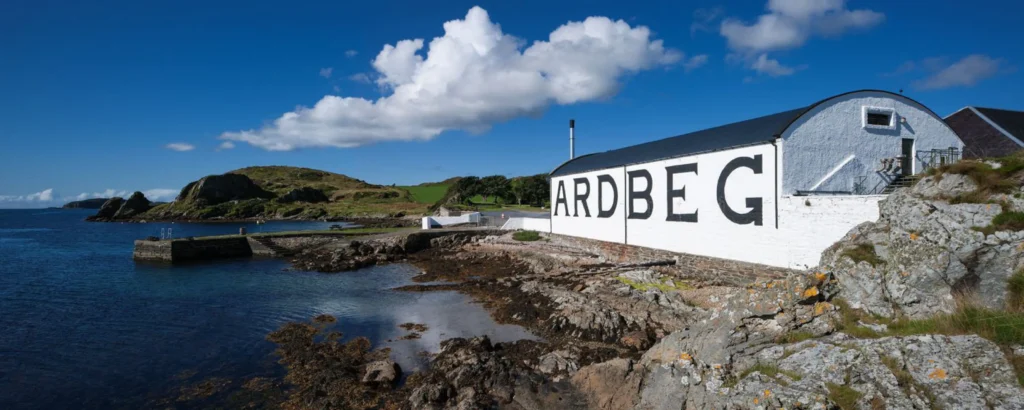
Ardbeg
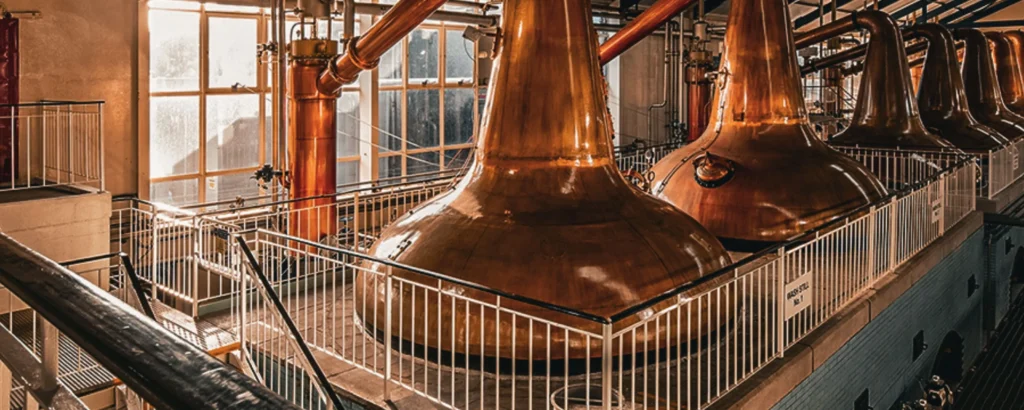
Ardmore
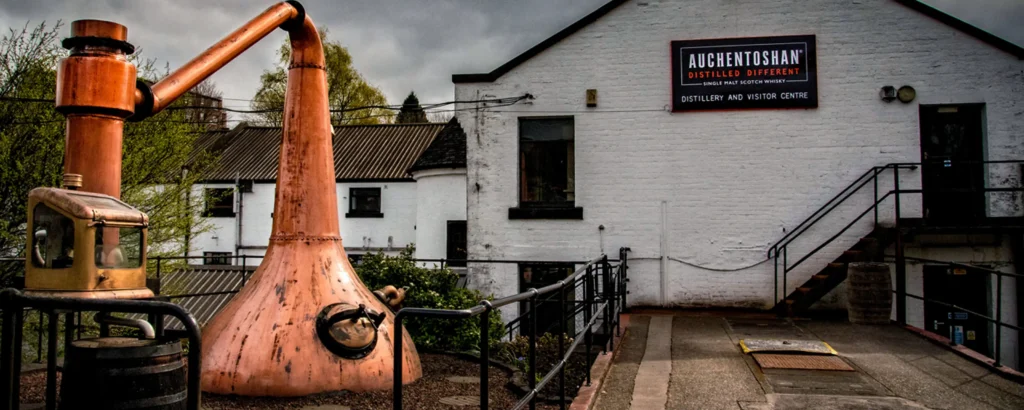
Auchentoshan
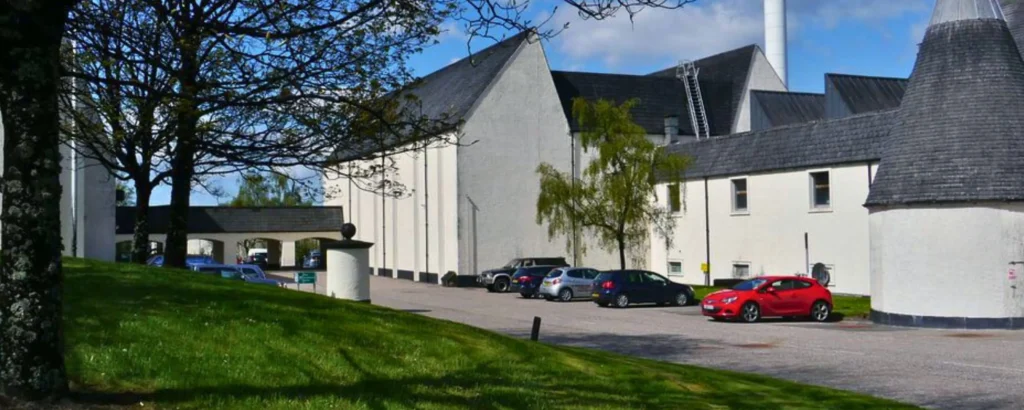
Auchroisk
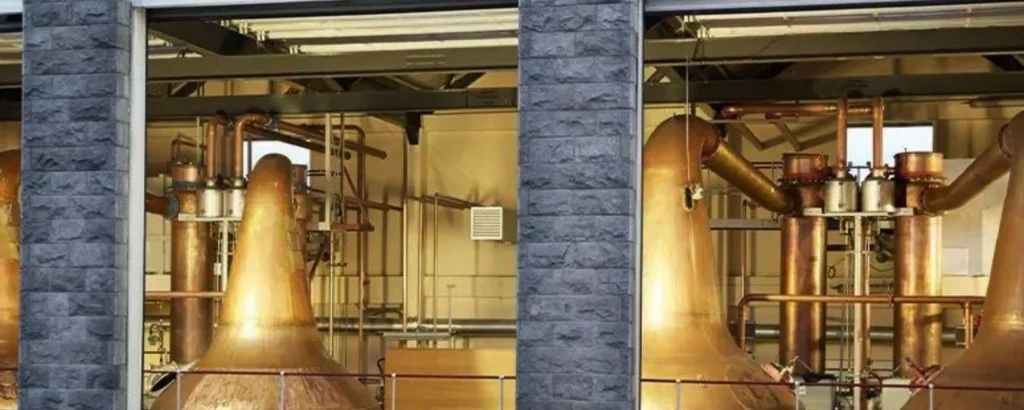
Aultmore
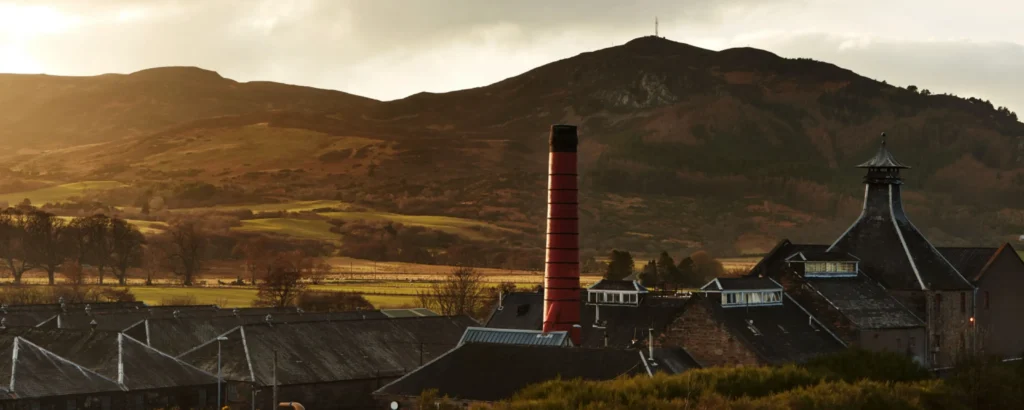
Balblair

Balmenach
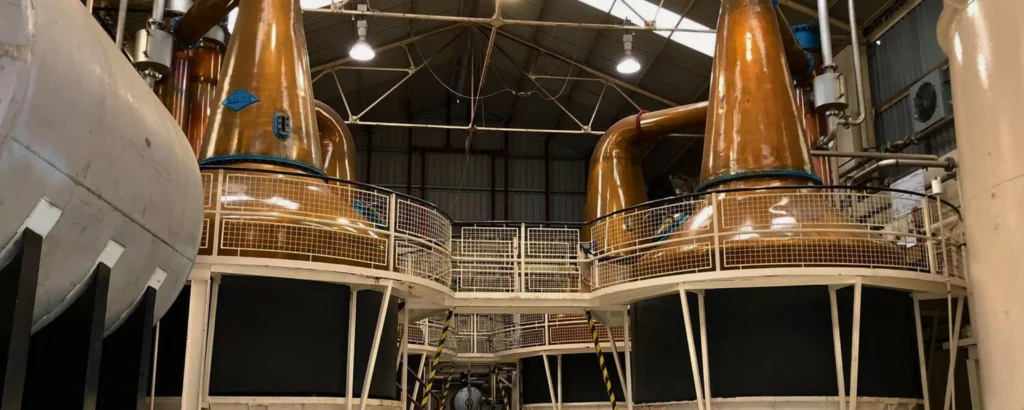
Ben Nevis
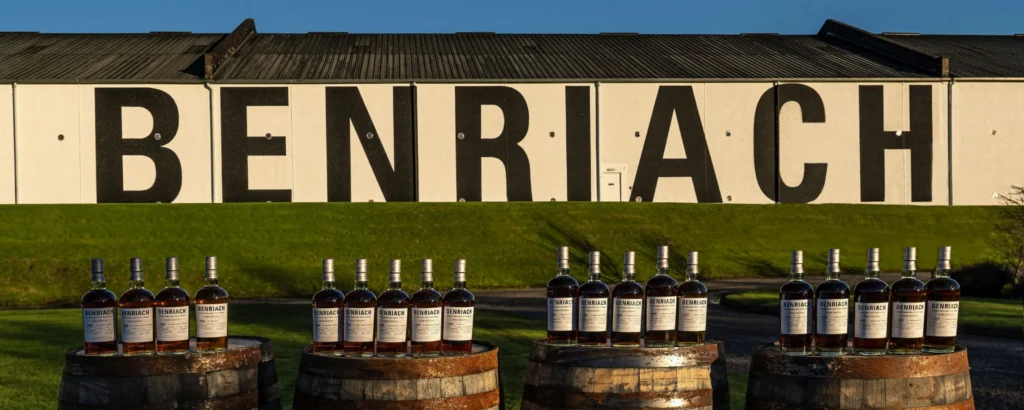
Benriach
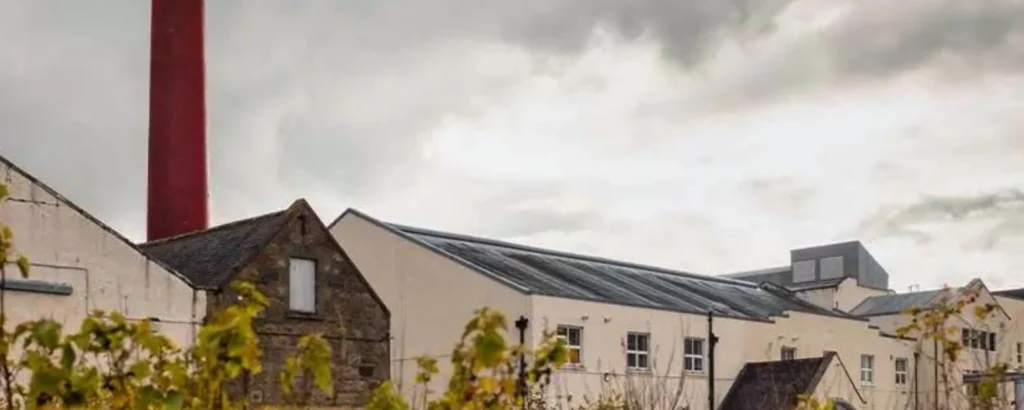
Benrinnes
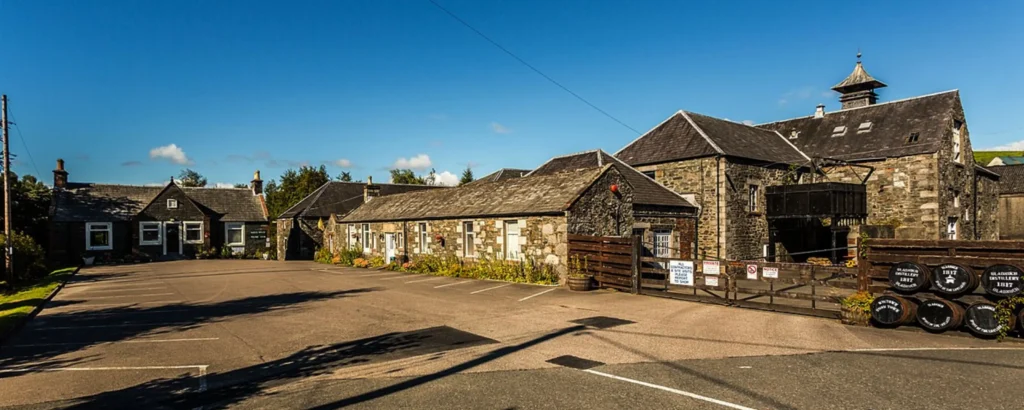
Bladnoch
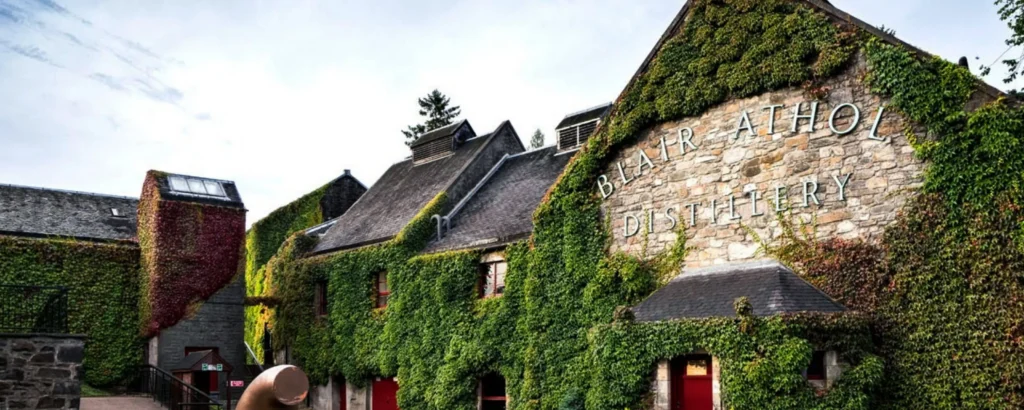
Blair Athol
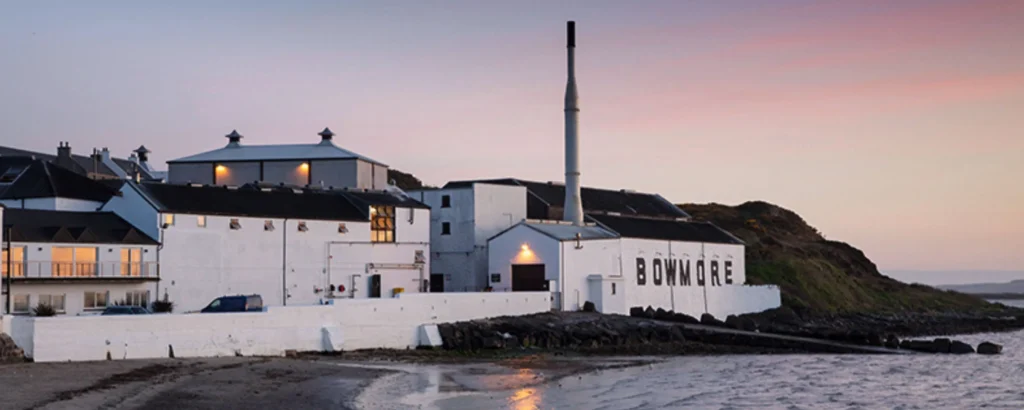
Bowmore
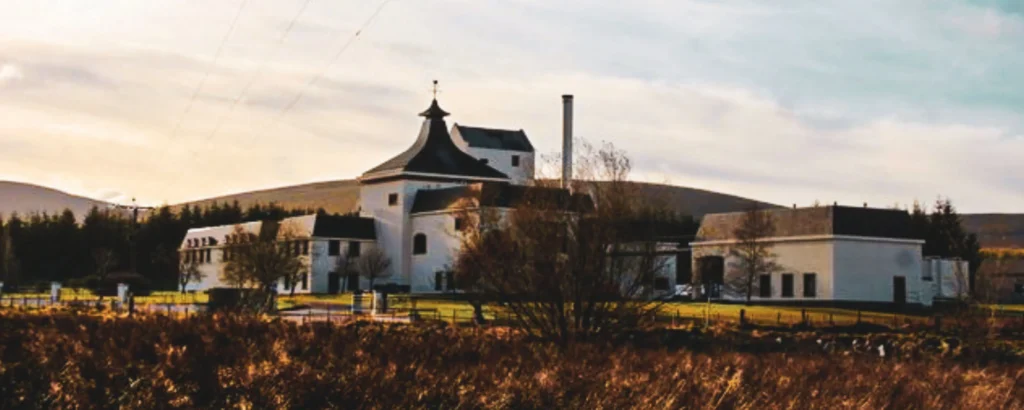
Braeval
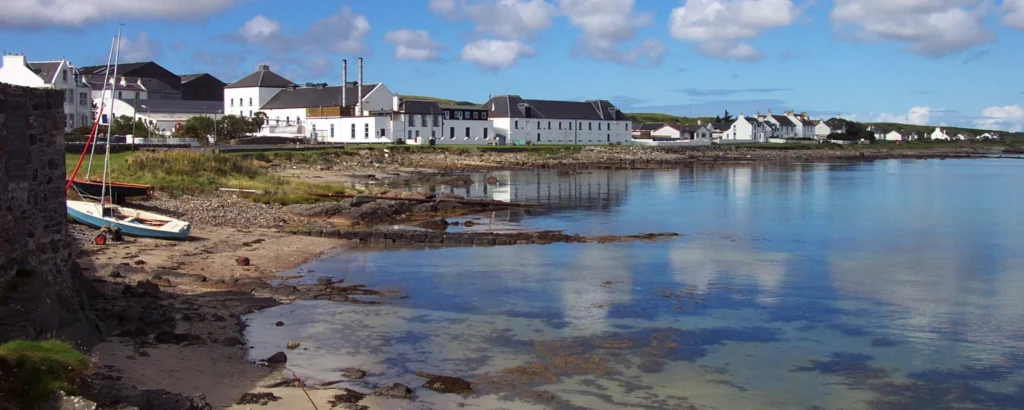
Bruichladdich
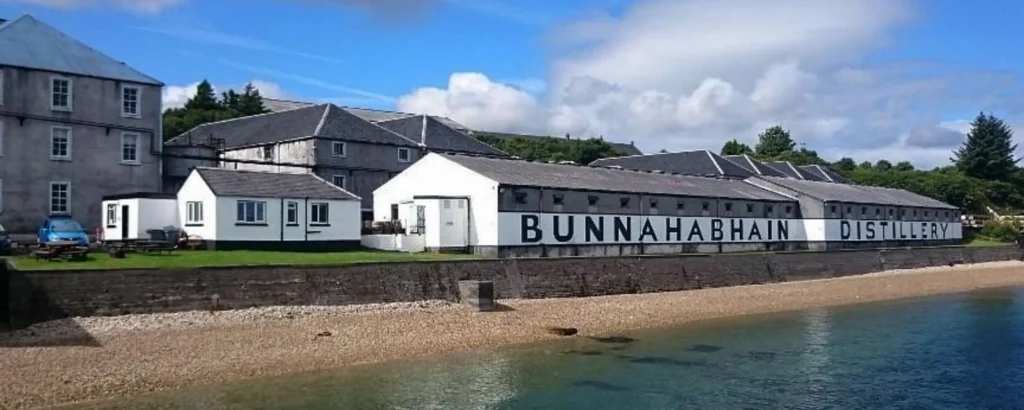
Bunnahabhain
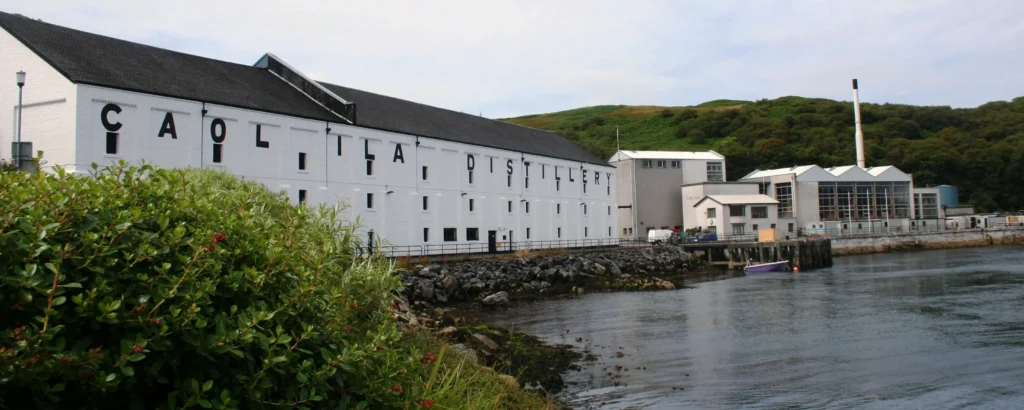
Caol Ila
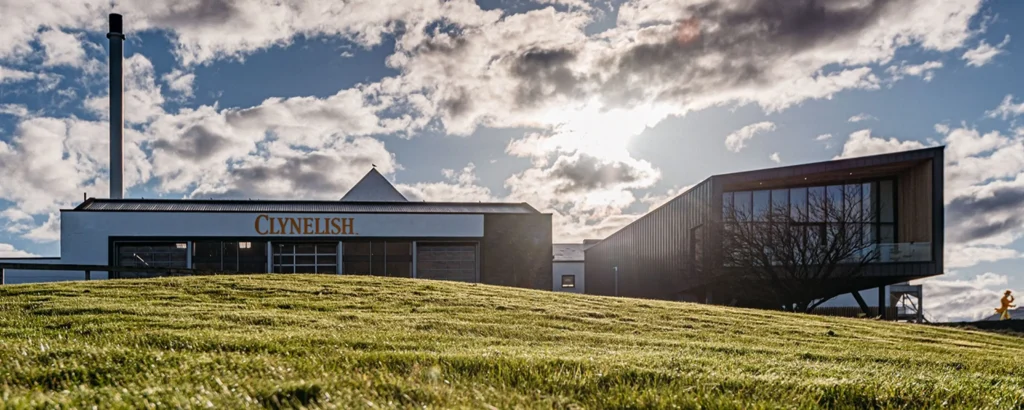
Clynelish
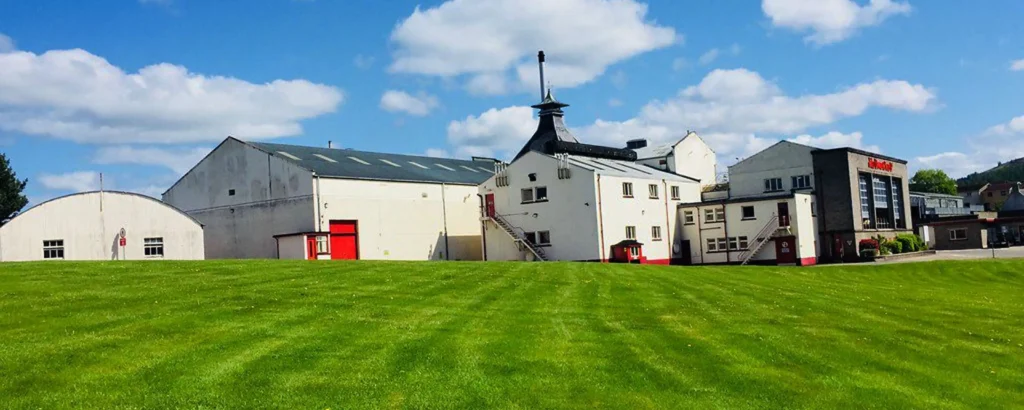
Craigellachie
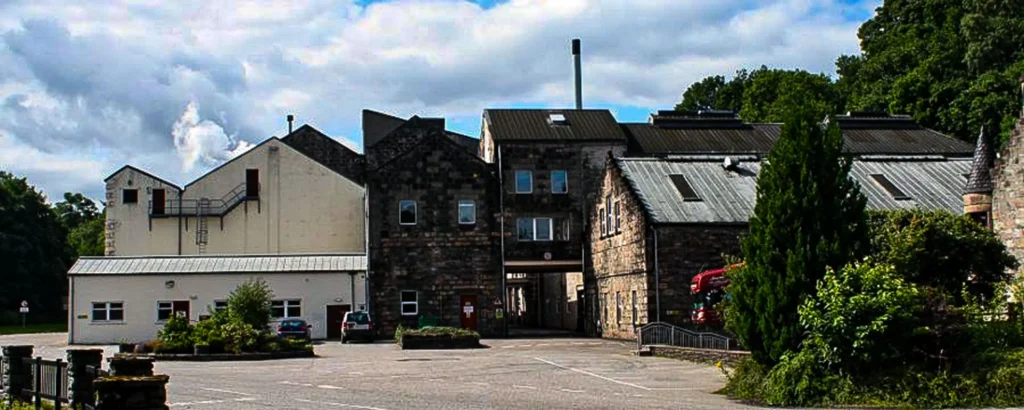
Dailuaine
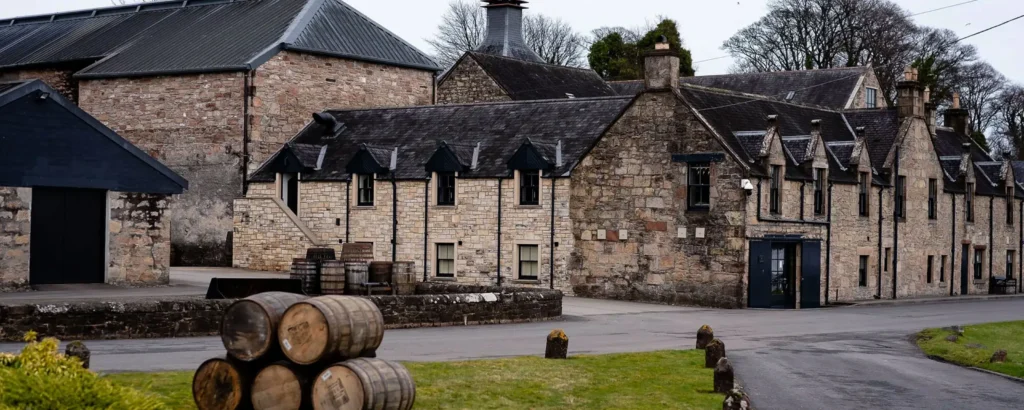
Dalmore
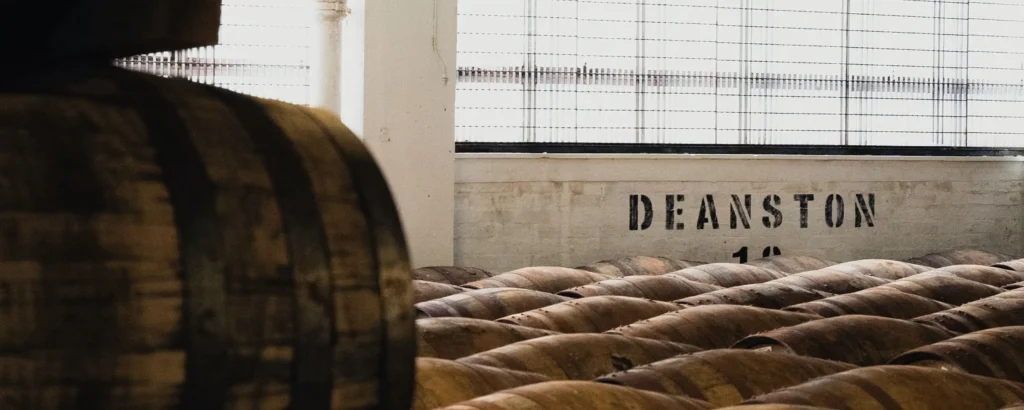
Deanston
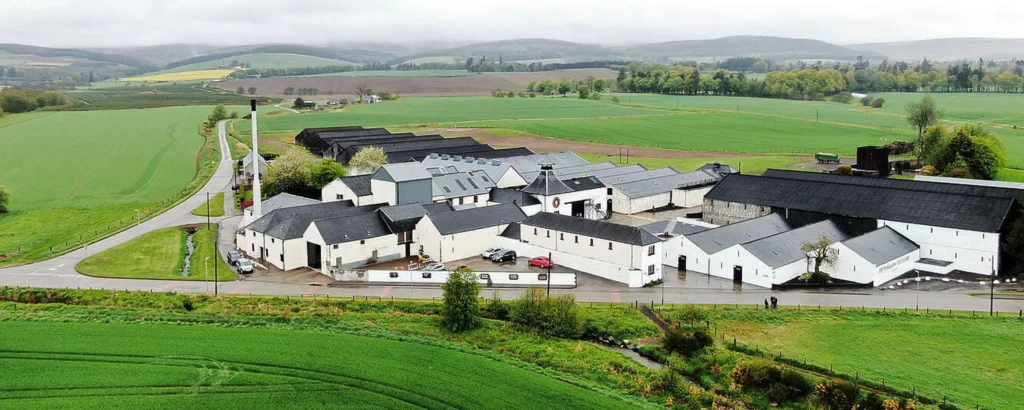
Fettercairn
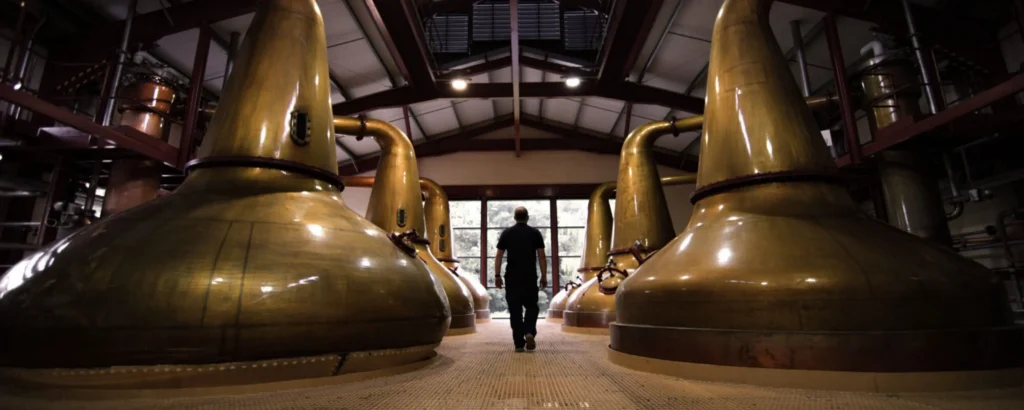
Glenburgie
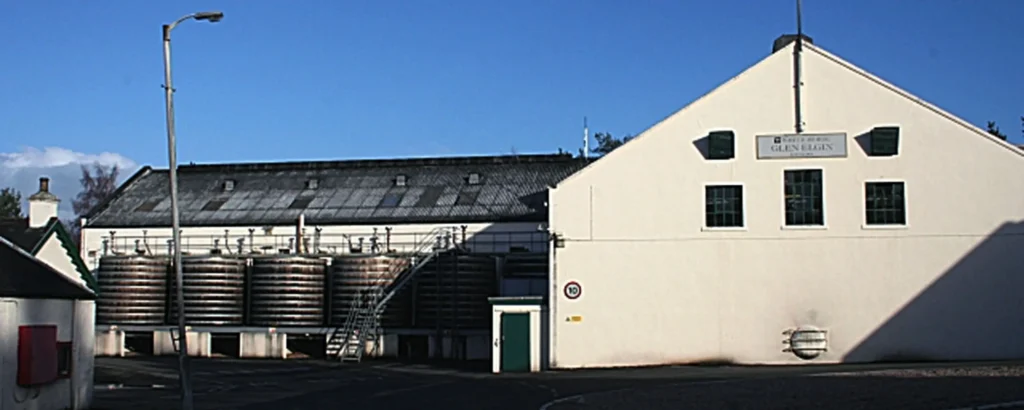
Glen Elgin
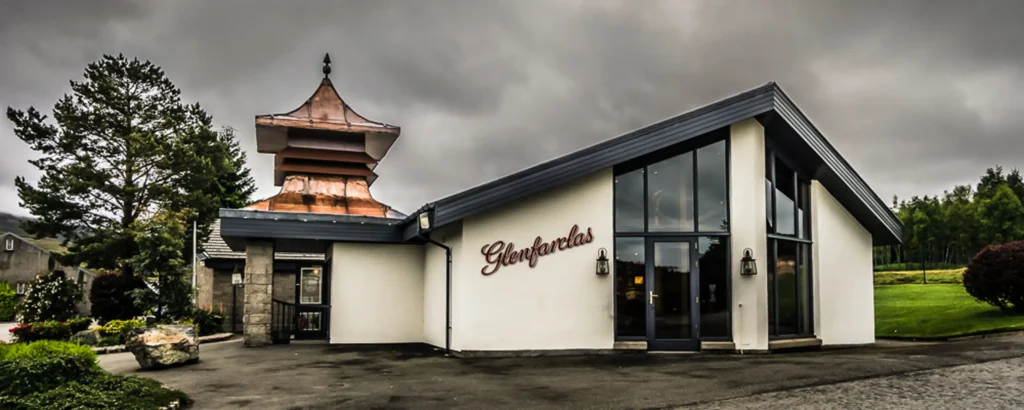
Glenfarclas
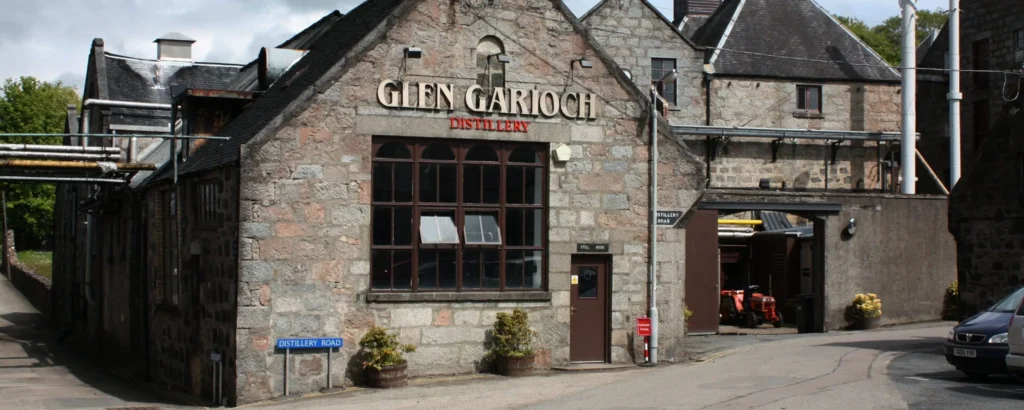
Glen Garioch
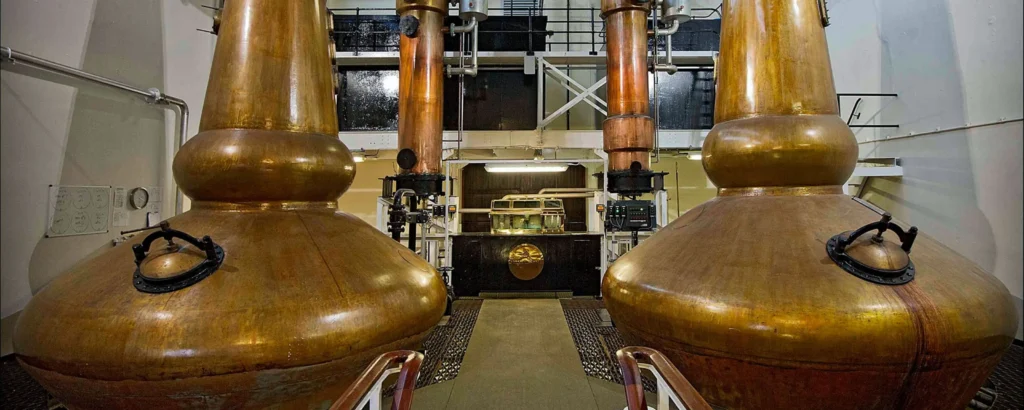
Glenglassaugh
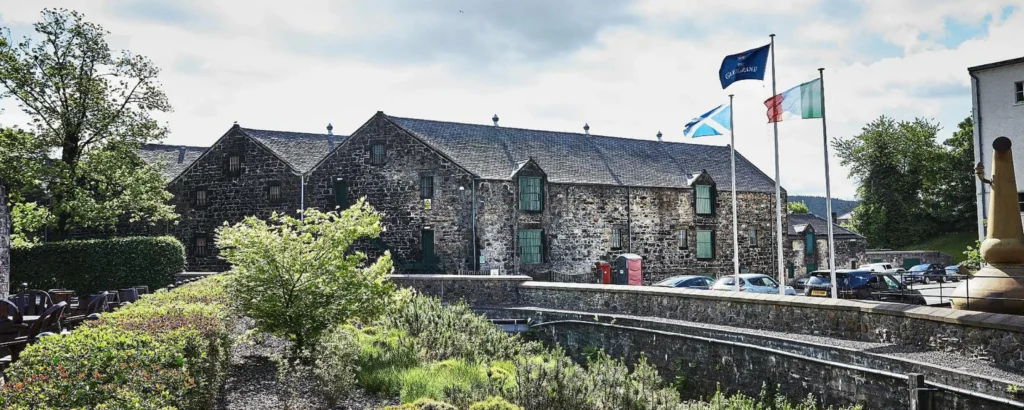
Glen Grant

Glen Keith
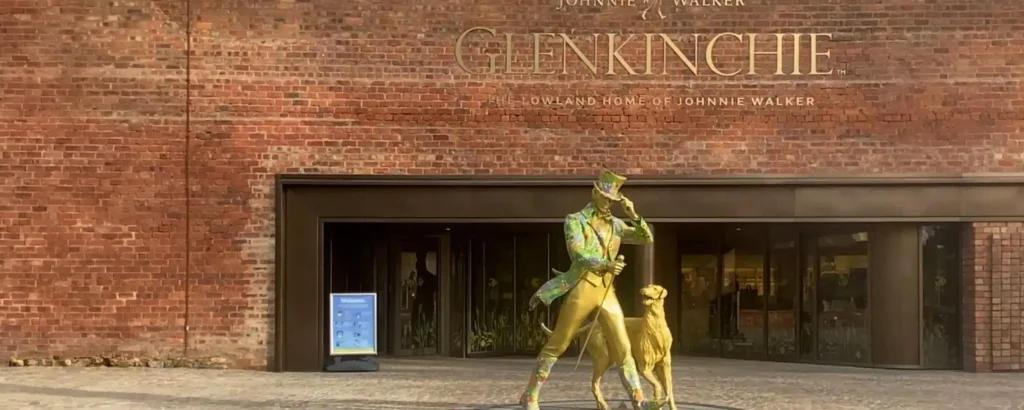
Glenkinchie

Glenlivet
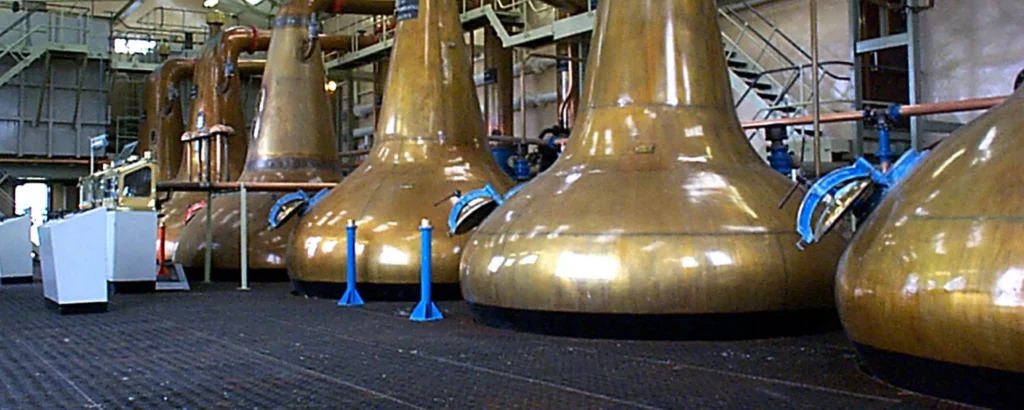
Glenlossie
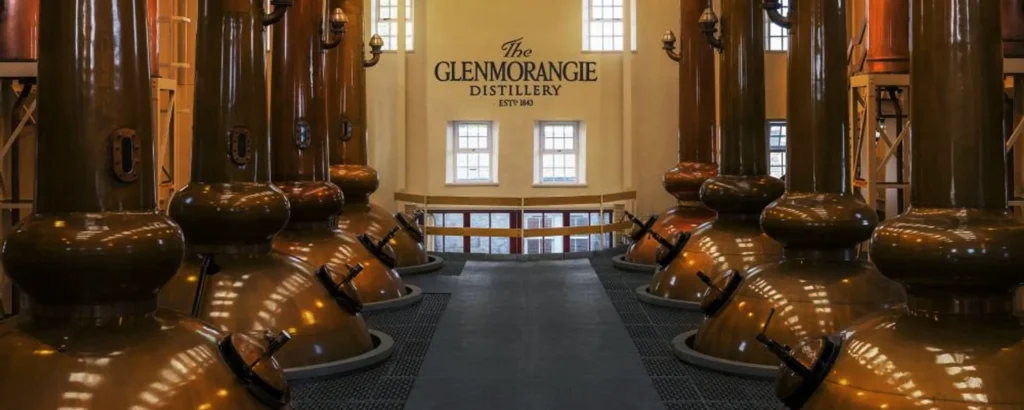
Glenmorangie

Glen Moray
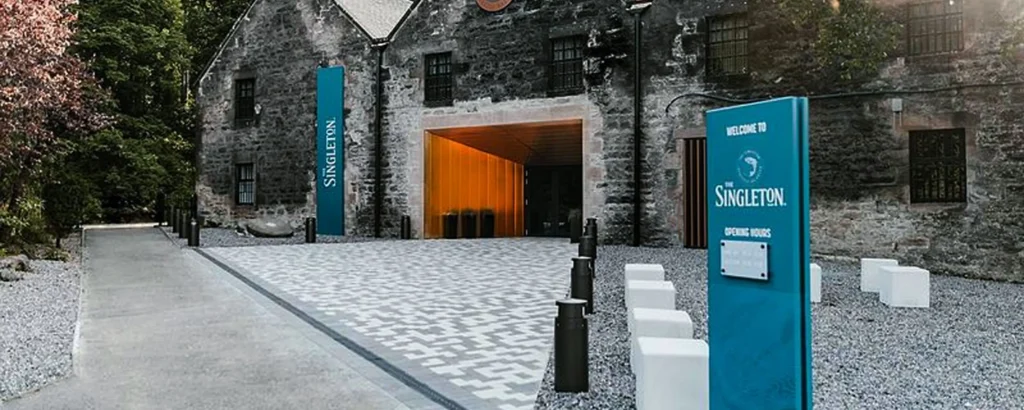
Glen Ord
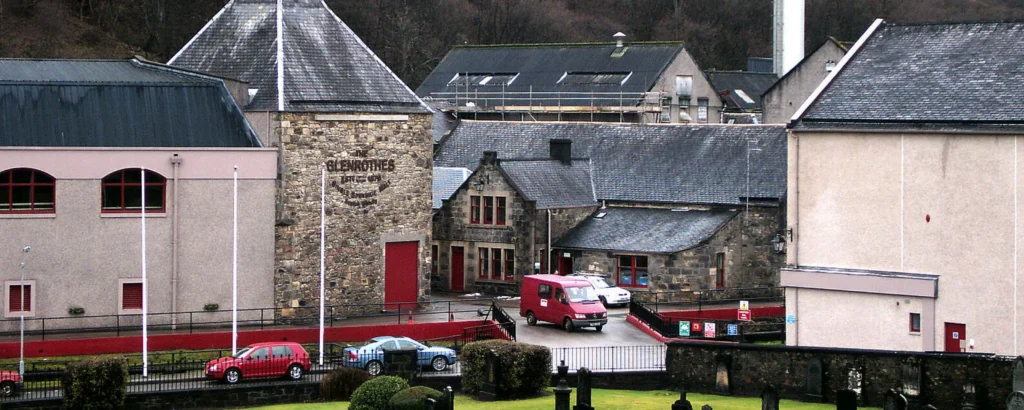
Glenrothes
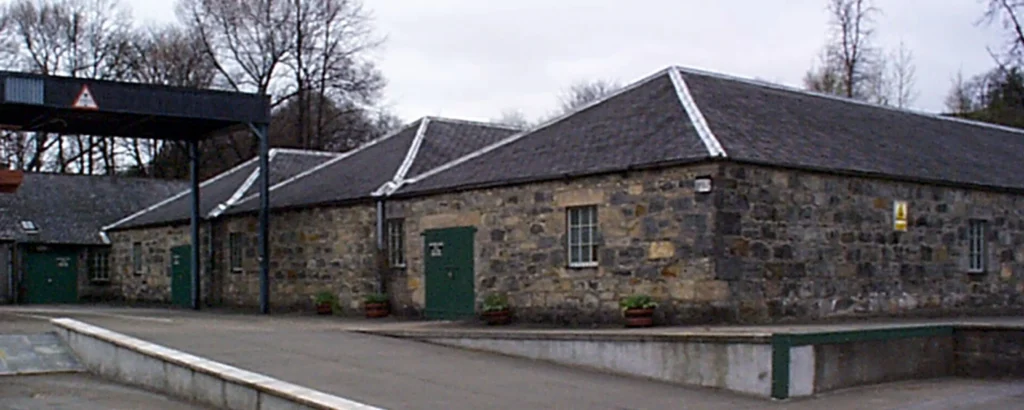
Glen Spey
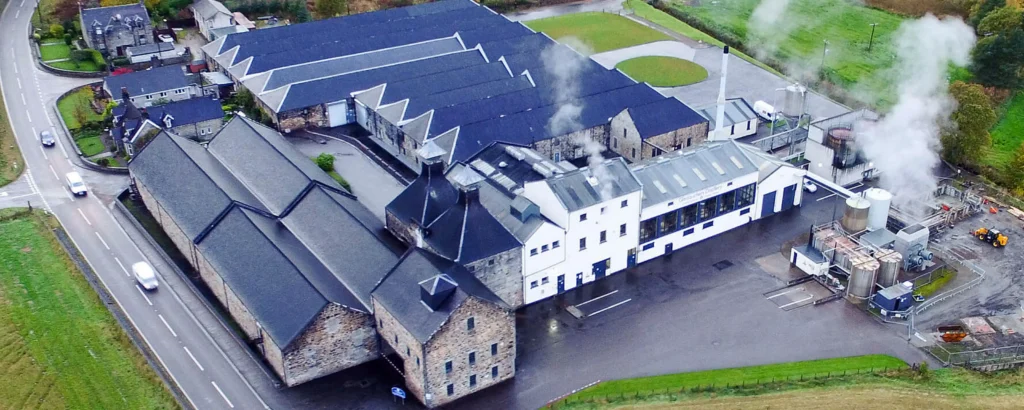
Glentauchers
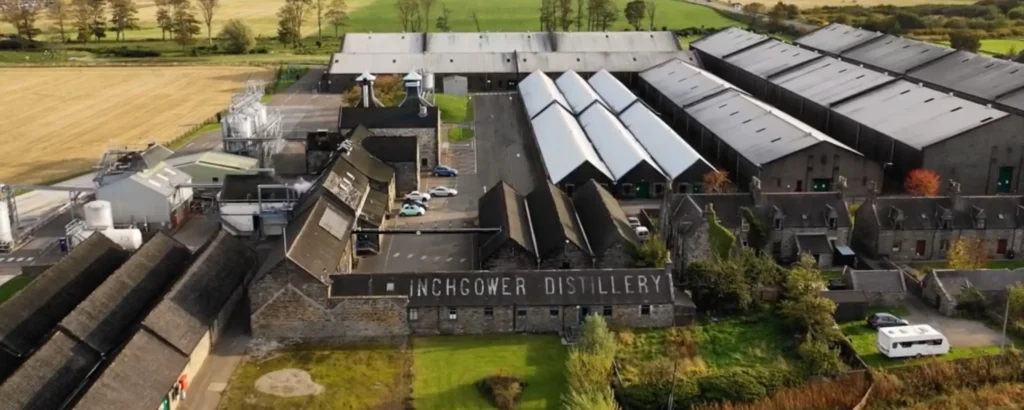
Inchgower
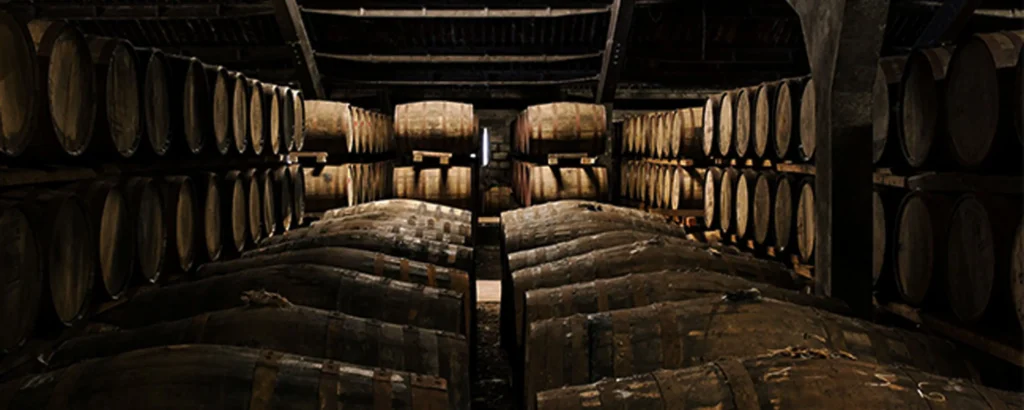
Invergordon
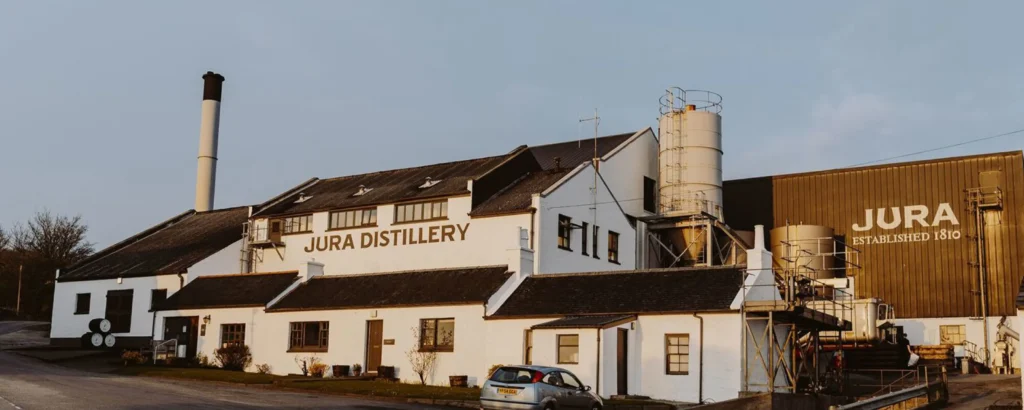
Jura
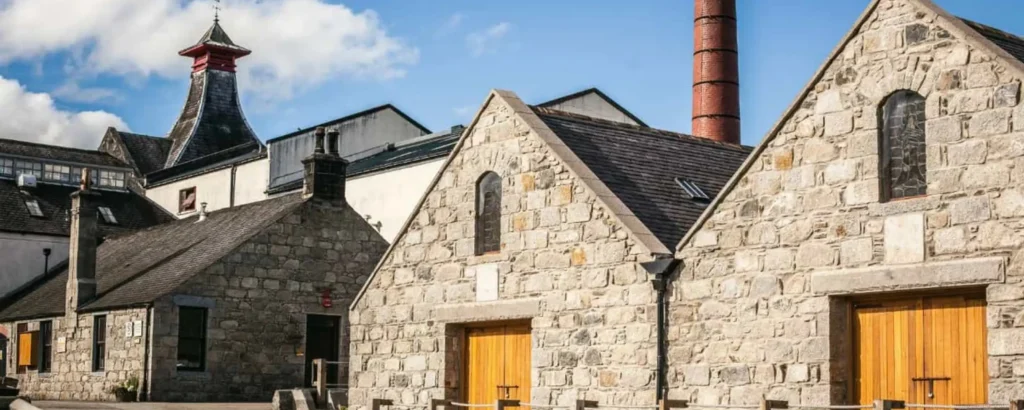
Knockdhu
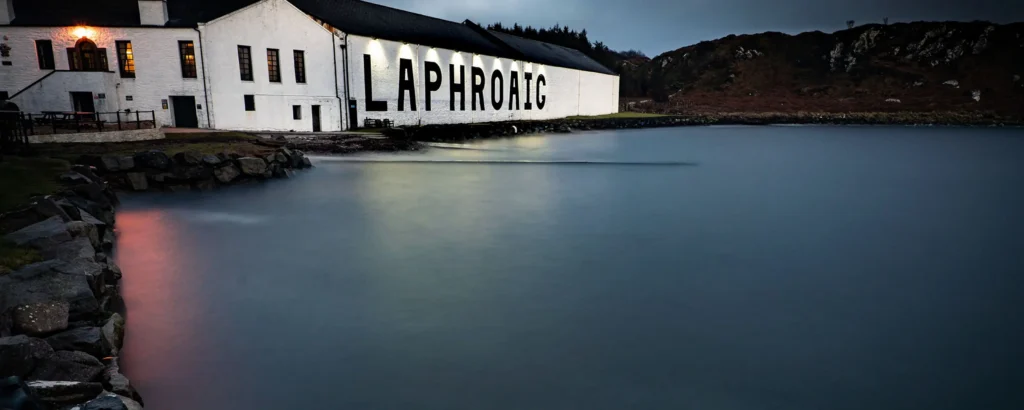
Laphroaig
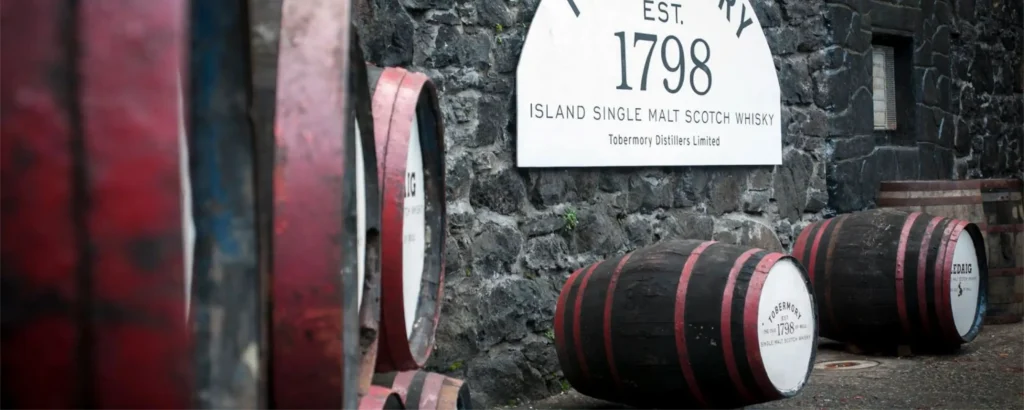
Ledaig
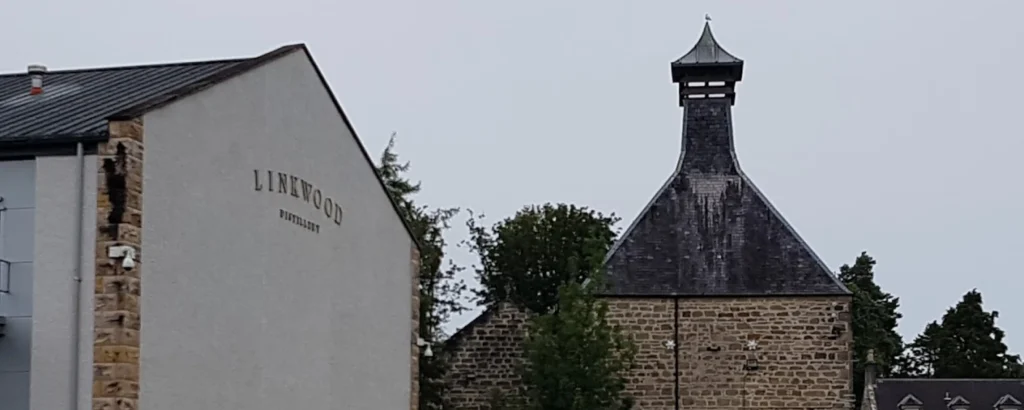
Linkwood

Littlemill
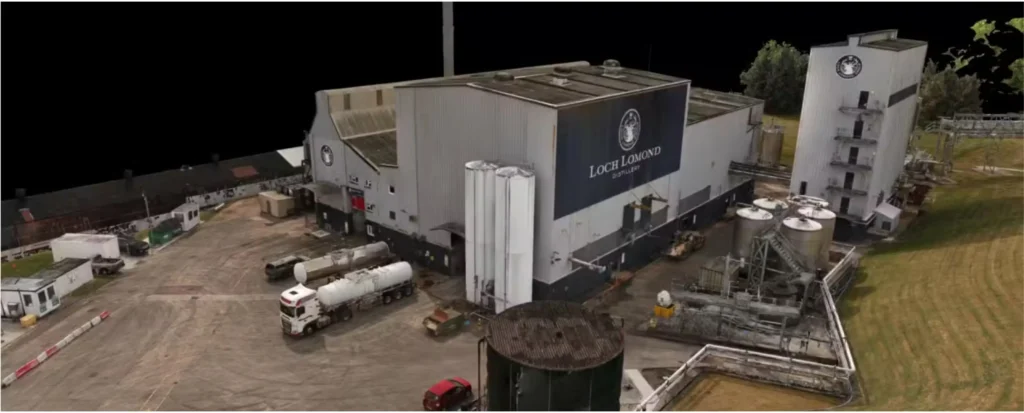
Loch Lomond
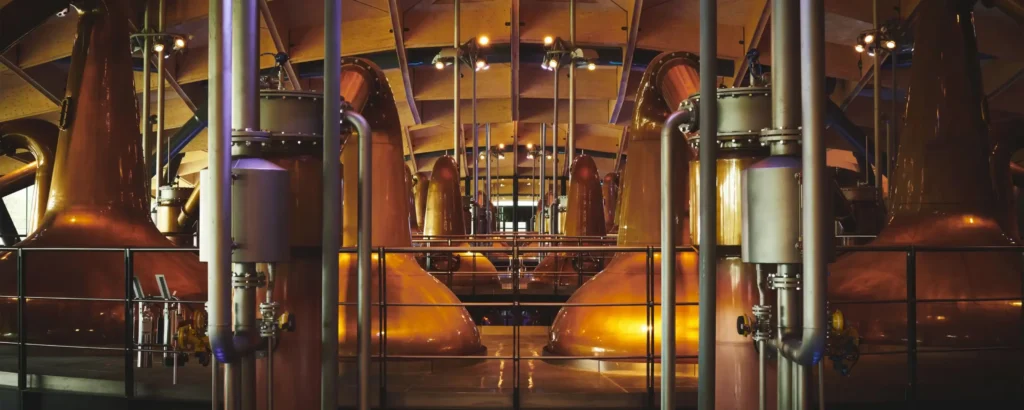
Macallan
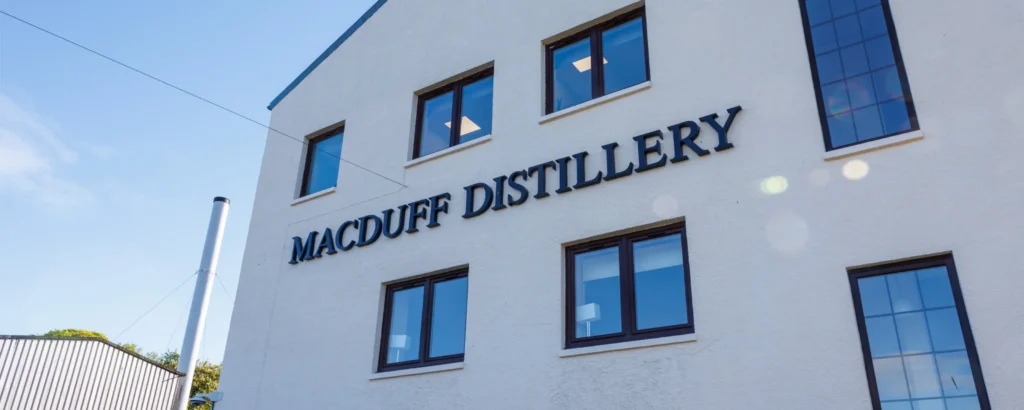
Macduff
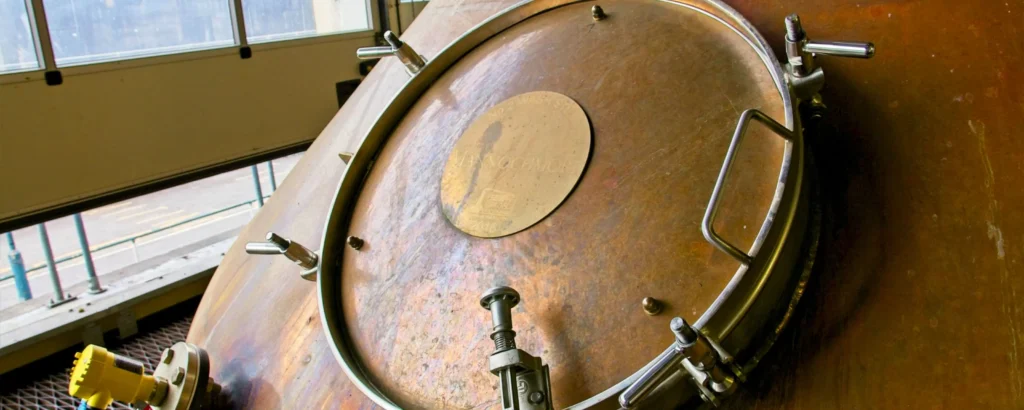
Mannochmore
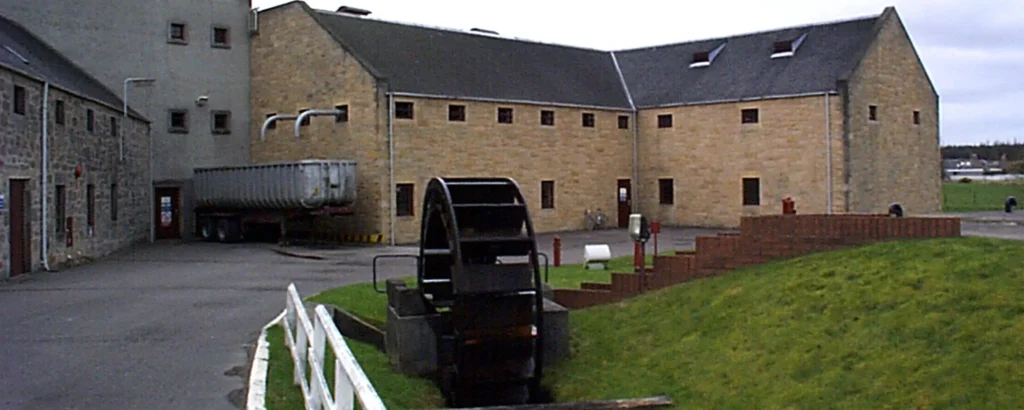
Miltonduff
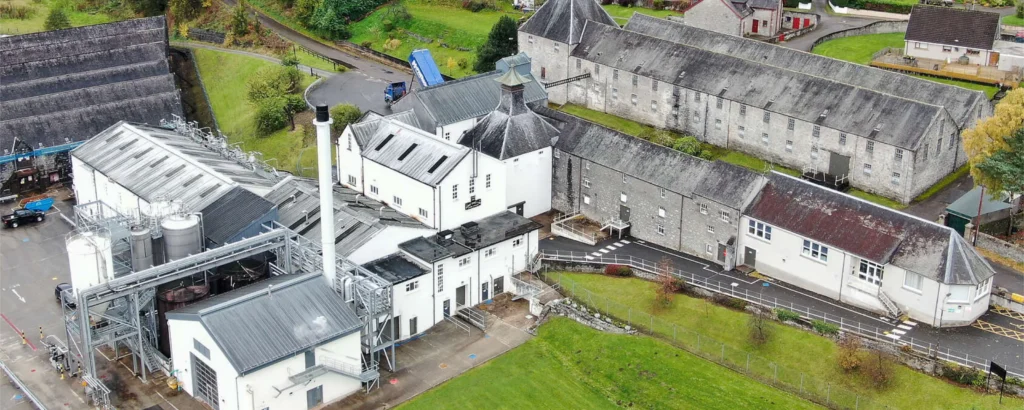
Mortlach
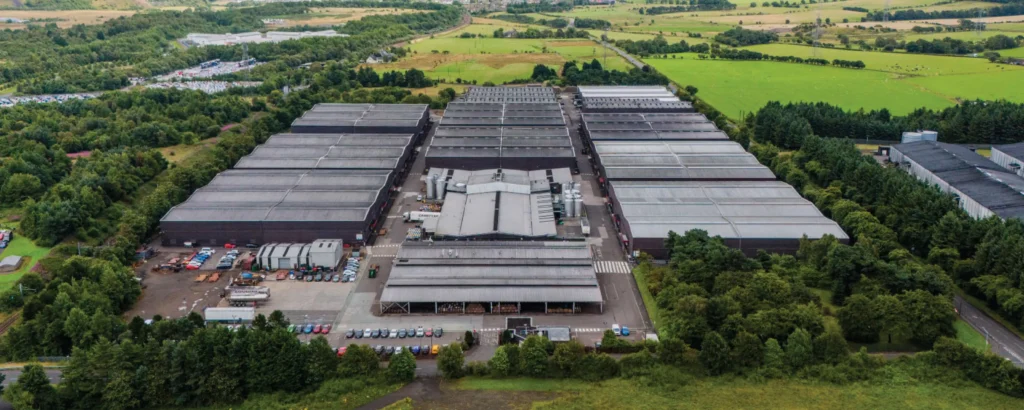
North British
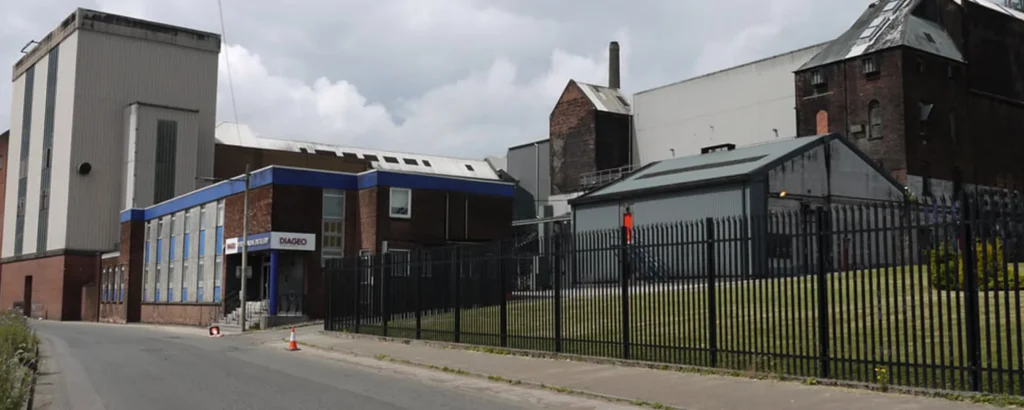
Port Dundas

Port Ellen
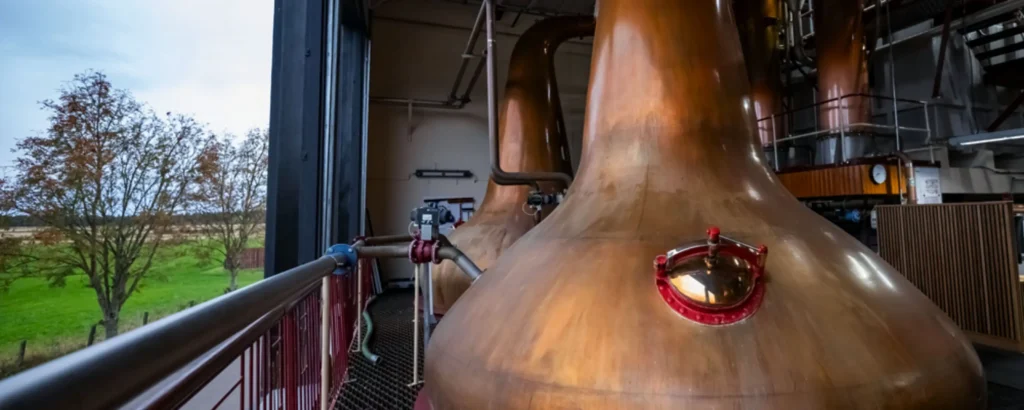
Royal Brackla
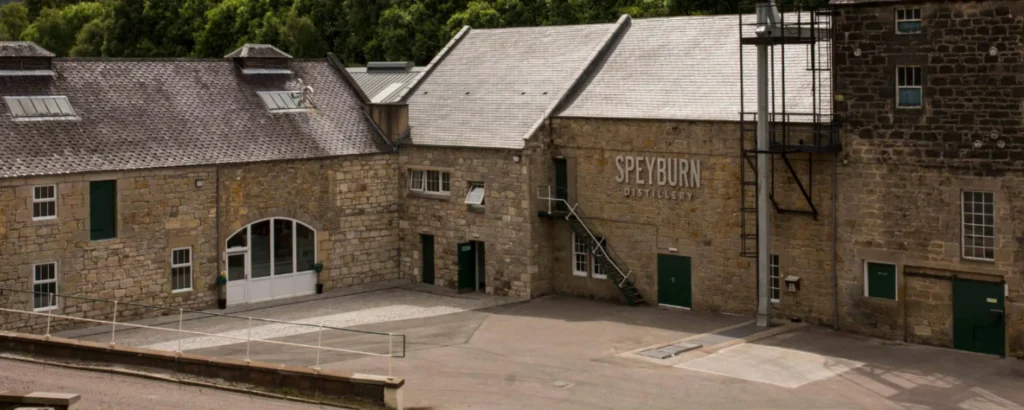
Speyburn
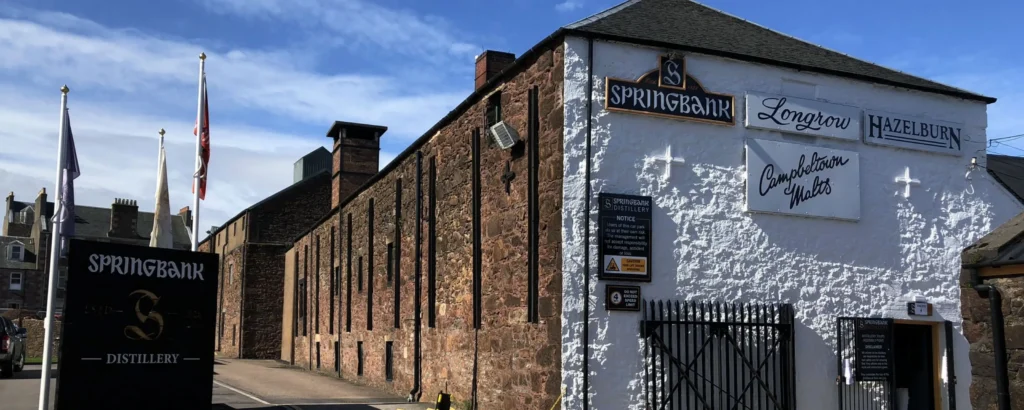
Springbank
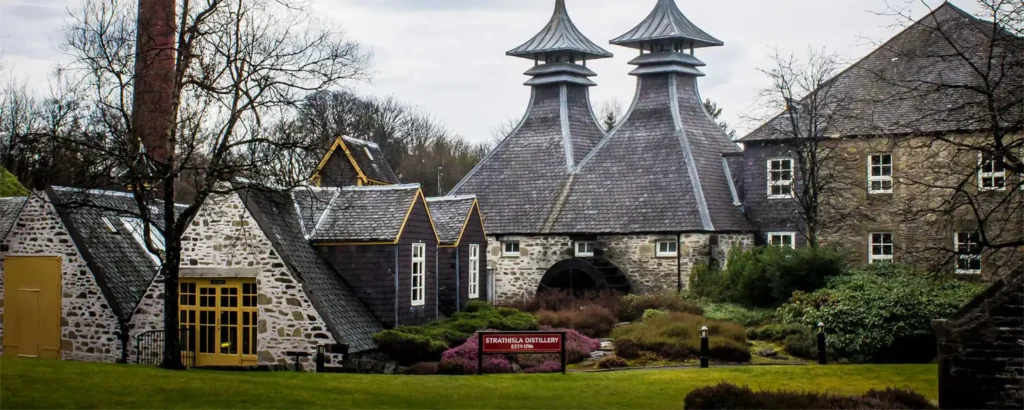
Strathisla
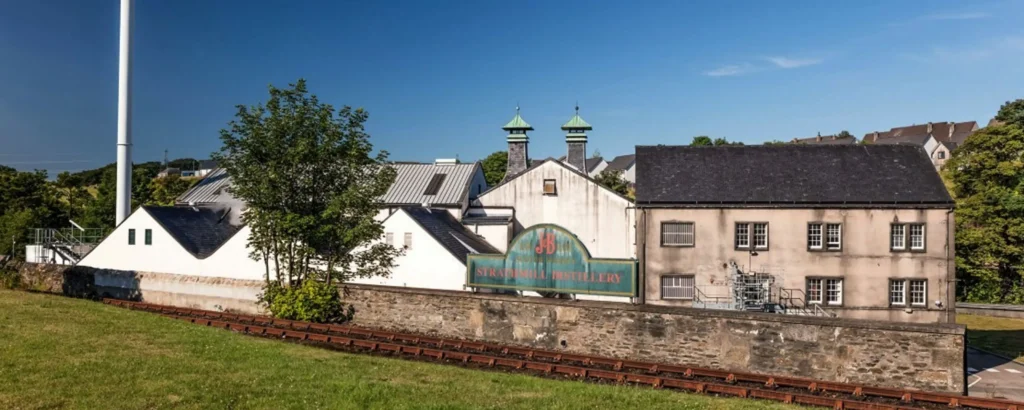
Strathmill
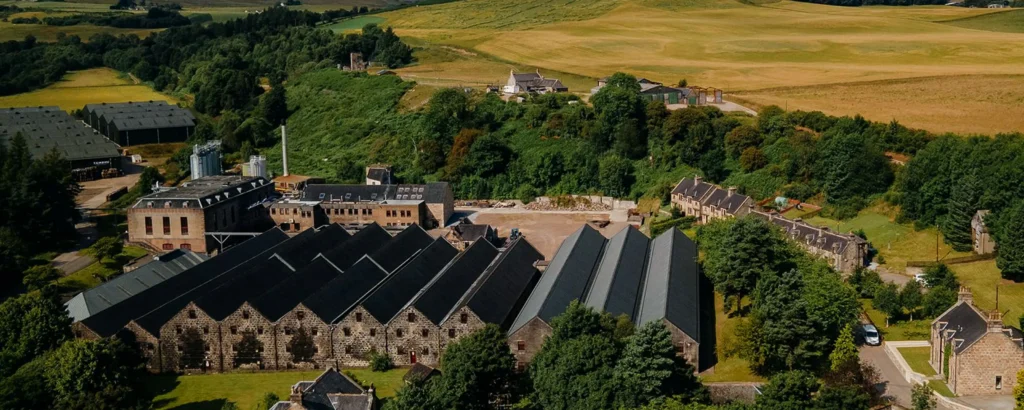
Tamdhu
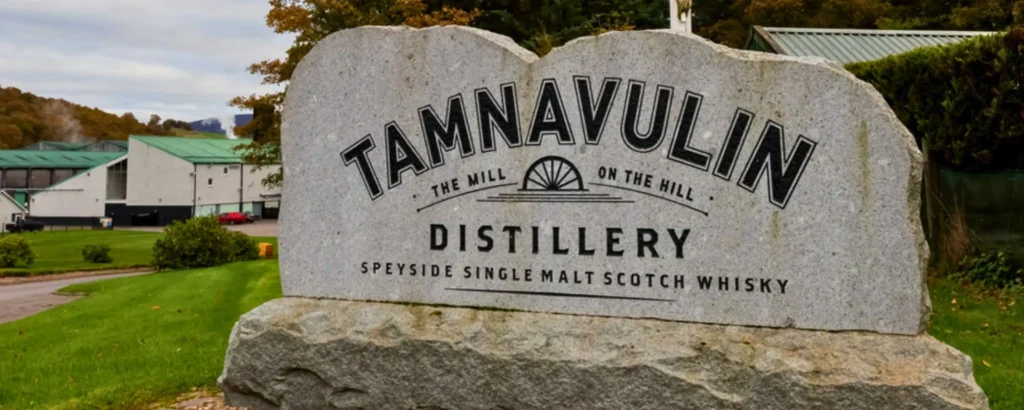
Tamnavulin

Teaninich
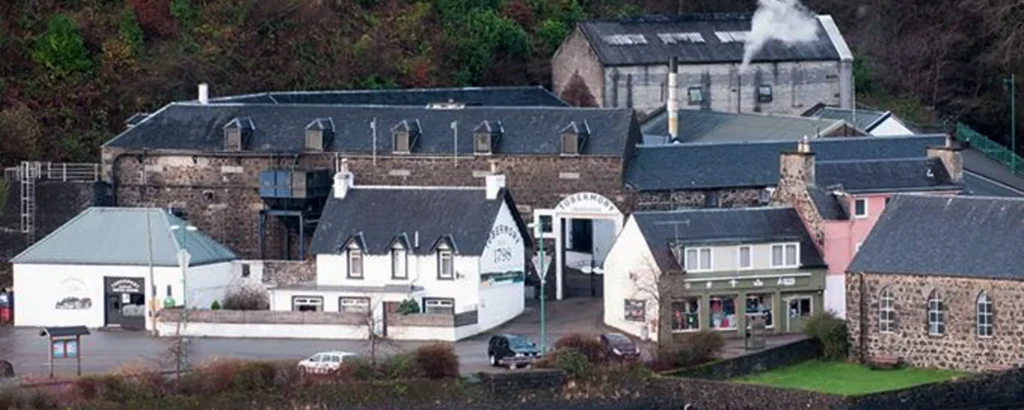
Tobermory
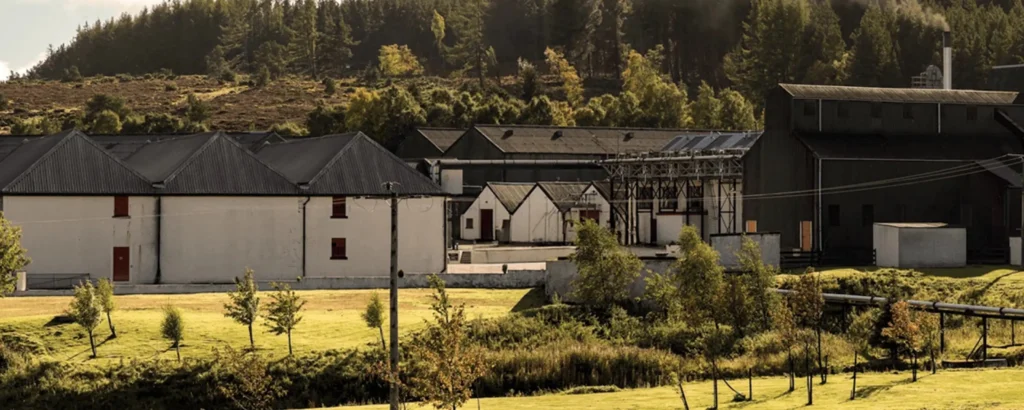
Tomatin
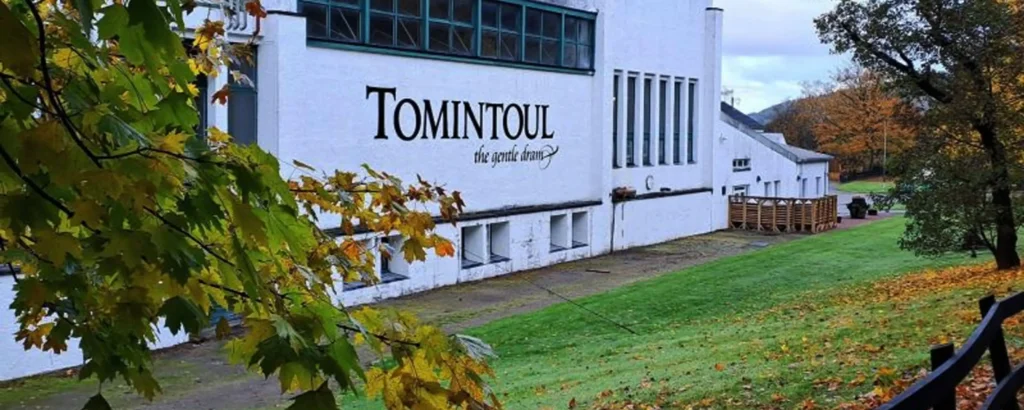
Tomintoul
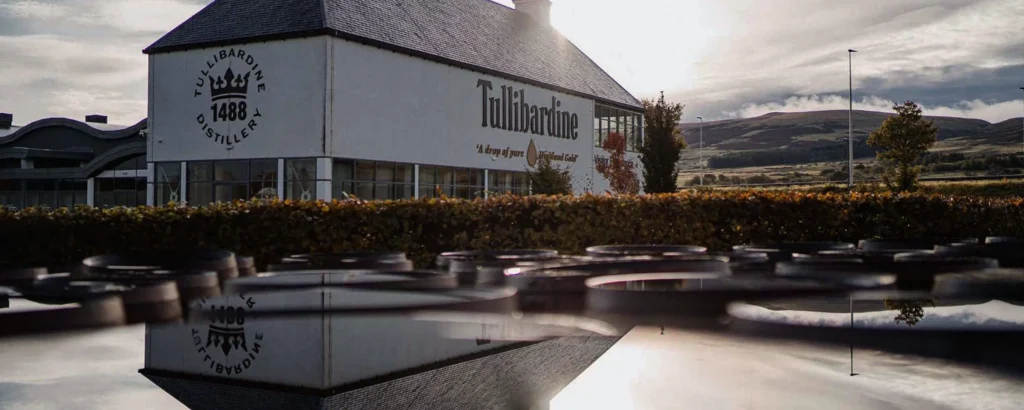
Tullibardine
The distilleries above represent a selection of producers whose spirit contributes to the diversity of Scotch whisky.
Join The 1901 Group
For detailed information on acquisition structure, custody arrangements, risk considerations and realisation pathways, request The 1901 Group Investment Guide.
