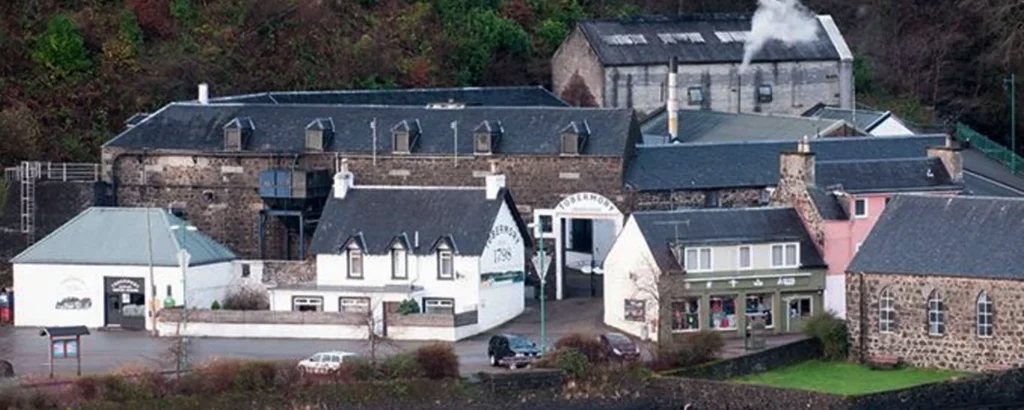
Tomatin has a history unlike many other Highland distilleries. Once among Scotland's largest producers of malt whisky, it has reinvented itself as a distillery known for its gentle, fruity spirit and adventurous approach to maturation.
For those looking to invest in Tomatin whisky, its combination of established production history, Japanese ownership and diverse cask programme makes it an interesting name to explore for whisky cask investment.
A Highland Distillery with an Unusual History
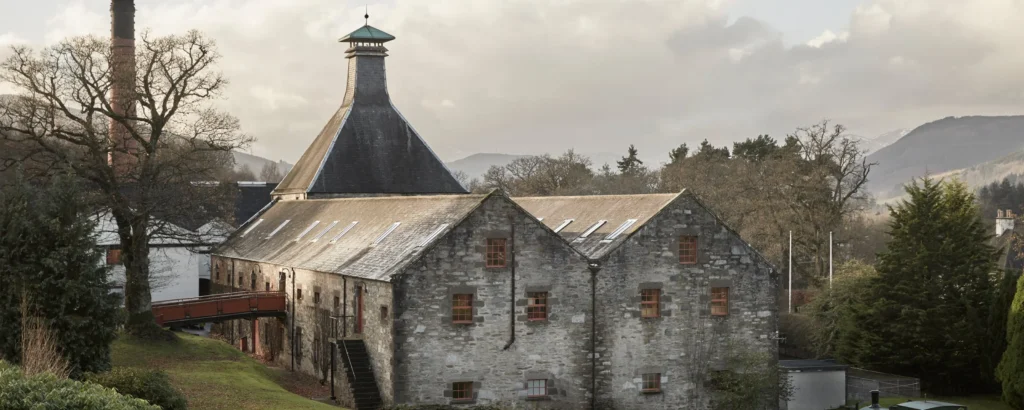
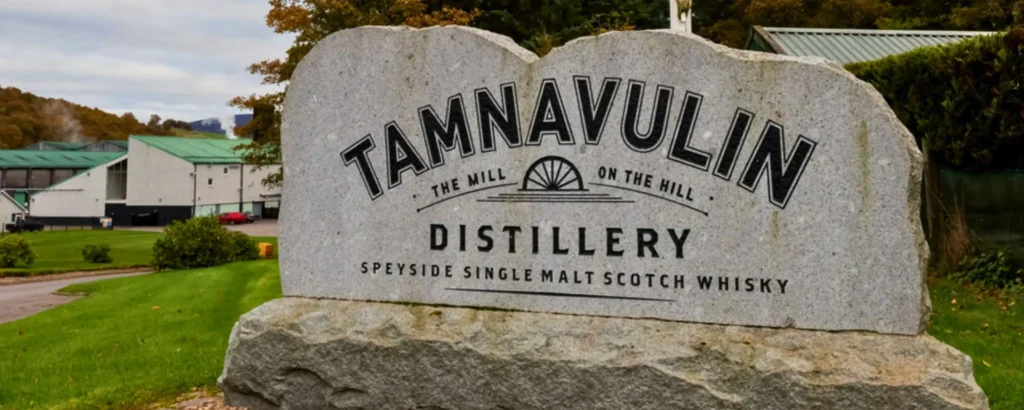
Founded in 1897 by the Tomatin Spey Distillery Company, Tomatin sits in the Highlands, between Aviemore and Inverness. Its location, more than 300 metres above sea level, places it among Scotland's highest whisky distilleries.
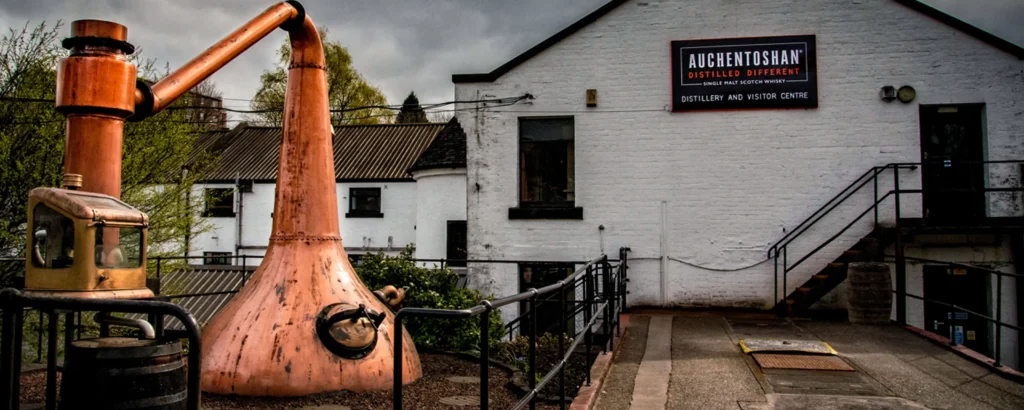
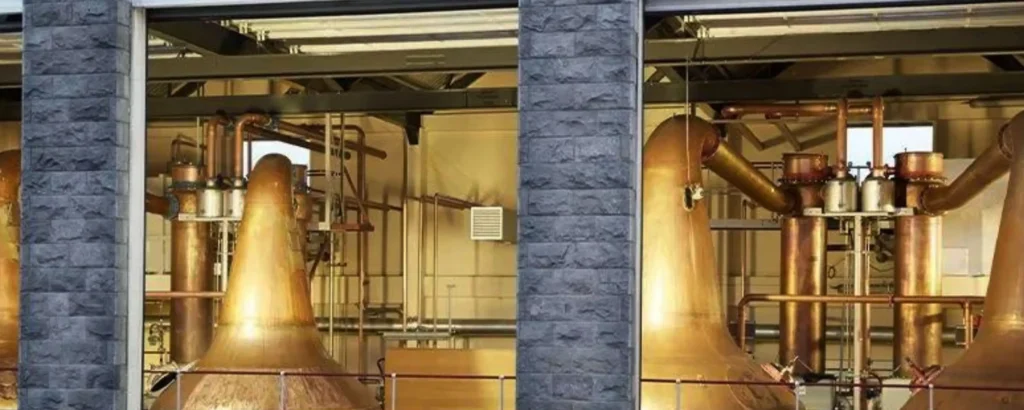
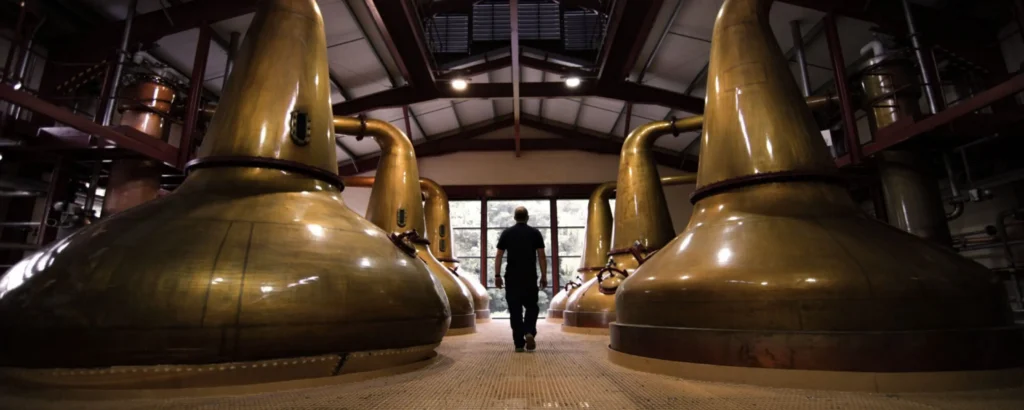
For much of the twentieth century, Tomatin concentrated on producing malt whisky for blends. Expansion during the 1970s transformed it into one of Scotland's largest malt distilleries, with 23 stills operating at its peak.
However, changing market conditions eventually brought financial difficulties upon it in the mid 1980s. In 1986, Japanese companies Takara Shuzo and Okura & Co. acquired Tomatin, making it the first Scotch whisky distillery to come under Japanese ownership.
The change marked the beginning of a new chapter, with greater attention gradually directed towards Tomatin's identity as a single malt.
Why to Invest in Tomatin Whisky?
Tomatin's appeal extends beyond its Highland location and long production history. The distillery has moved away from its former emphasis on volume, developing a more distinctive identity built around maturation, quality and experimentation.
Its willingness to work with different types of oak has produced a broad range of whisky styles, from delicate and fruit-forward to rich, spicy and smoky. For investors, this means that individual Tomatin casks can offer very different maturation profiles.
A Tomatin whisky investment should therefore be assessed according to the specific cask rather than assumptions about the distillery's overall style.
What Makes Tomatin Whisky Distinctive?
Tomatin's unpeated spirit is typically soft, fruity and approachable, with notes of orchard fruit, honey, malt and gentle sweetness. This relatively delicate character provides a versatile foundation for oak maturation, allowing different cask types to introduce additional layers without necessarily overwhelming the original spirit.
Tomatin also produces a peated spirit for part of the year, marketed under the Cù Bòcan name. Its smoky character offers a contrast to the distillery's traditional style, creating a different set of maturation possibilities.
For those considering to invest in Tomatin whisky, establishing whether the cask contains peated or unpeated spirit is an important first step.
How Does Tomatin Whisky Develop in the Cask?
Tomatin has a long history of experimenting with wood, using bourbon, sherry and a range of less conventional cask types. Ex-bourbon barrels are an important part of its maturation programme, contributing vanilla, honey and gentle oak sweetness. Sherry casks can introduce richer flavours of dried fruit, chocolate and spice, while older sherry-matured stock demonstrates how the distillery's spirit can develop over extended periods.
Additionally, Tomatin has explored rum cask maturation, which can bring additional sweetness and tropical fruit notes. Other experiments include virgin oak, Pineau des Charentes and wine casks, offering different influences on flavour, colour and texture.
These examples demonstrate Tomatin's flexibility, although not every experimental maturation style will be available to single cask buyers.
When looking to invest in Tomatin whisky, the previous contents, oak type, fill history and any secondary maturation should be carefully established.
Understanding Tomatin Cask Availability
Tomatin's production supports both its own single malt requirements and the wider whisky industry. Consequently, the availability of privately owned casks may depend on historical stock movements and secondary market transactions.
Some casks may have spent their entire lives in their original wood, while others could have undergone additional maturation or finishing.
These differences can influence both the whisky's character and its potential appeal to independent bottlers or other buyers when exiting the Tomatin whisky investment.
What Should Investors Consider Before Investing in Tomatin Whisky?
Beyond the distillery name, the most useful information concerns the whisky inside the cask. Furthermore, distillation year, cask type, alcoholic strength and remaining volume provide a starting point for assessing its condition.
Regauging and sampling can reveal how the spirit has developed, including whether further maturation is desirable or whether evaporation has significantly reduced the available whisky.
Storage, insurance and eventual selling costs also affect the overall economics.
For anyone planning to invest in Tomatin whisky, the intended holding period of the cask and exit strategy deserve careful consideration.
These practical details are central to a successful whisky cask investment strategy, although no particular outcome can be guaranteed.
Is Tomatin Whisky a Good Investment?
Tomatin combines an unusual ownership history with a distinctive Highland spirit and a willingness to explore different maturation styles. Its transformation from a major blending producer into a recognised single malt distillery gives it an interesting place within the whisky investment space.
However, cask quality, purchase price, provenance and future demand will ultimately influence the outcome. A Tomatin whisky investment should therefore be approached with realistic expectations, as returns are never guaranteed.
If you're interested in investing in Tomatin whisky, speak to The 1901 Group team to discuss available casks and their potential place within a wider whisky portfolio.