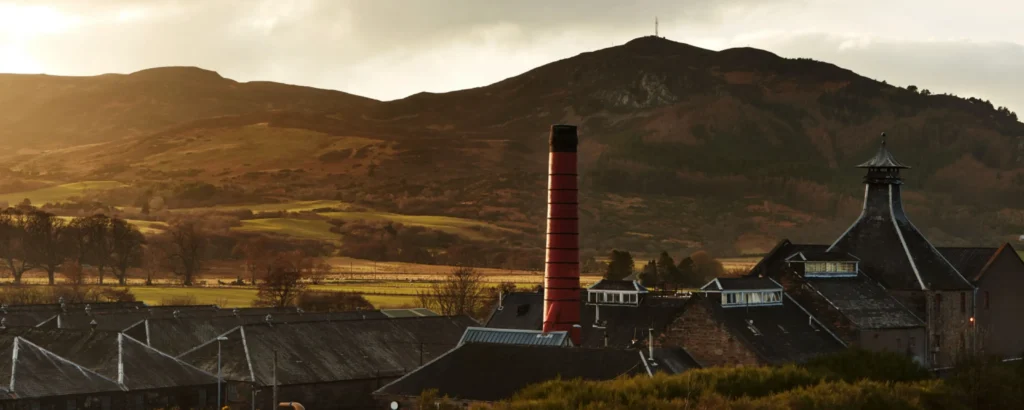
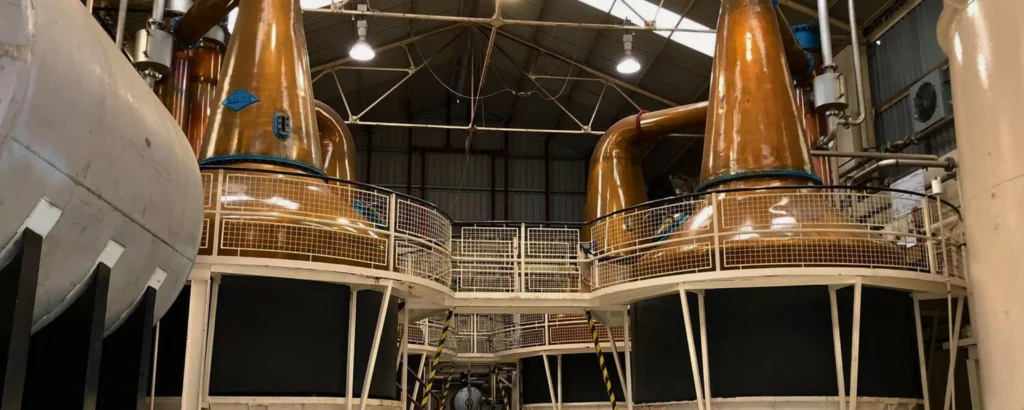
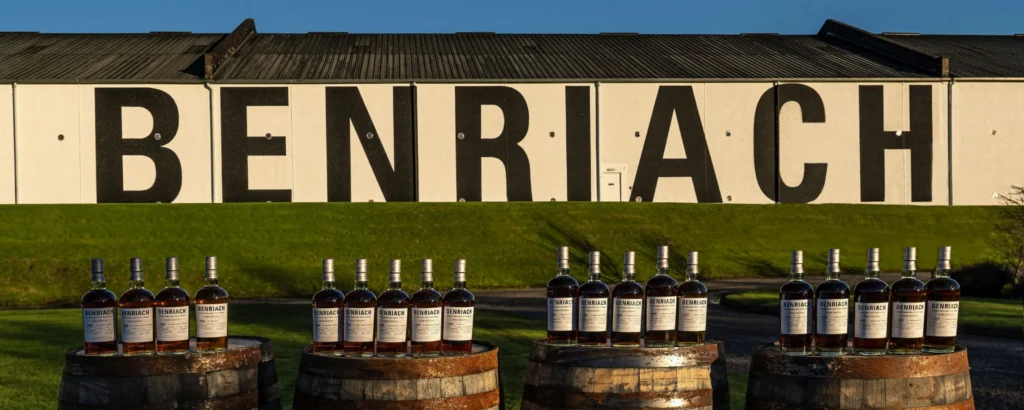
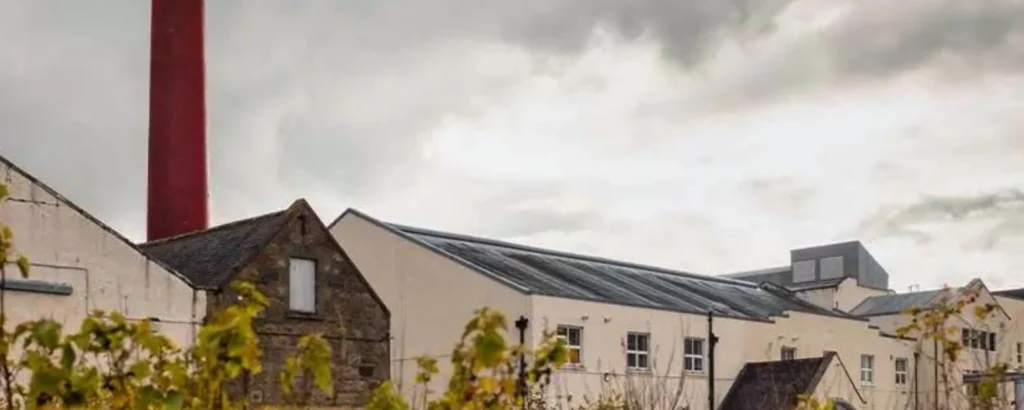
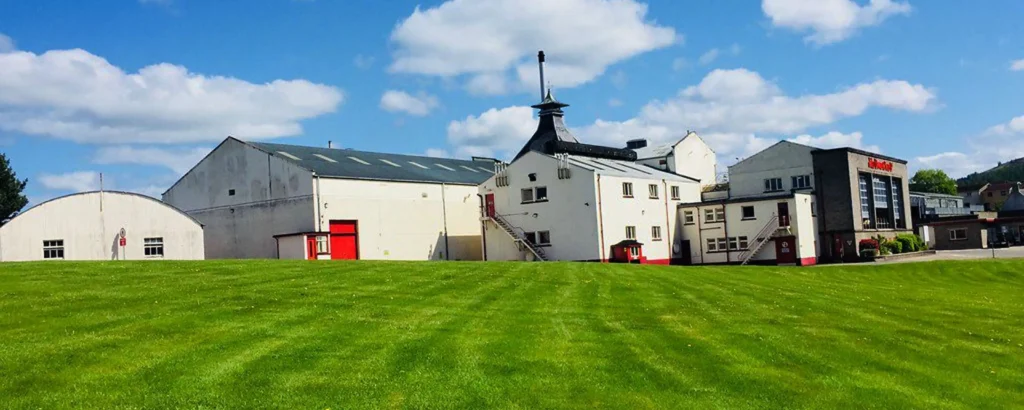
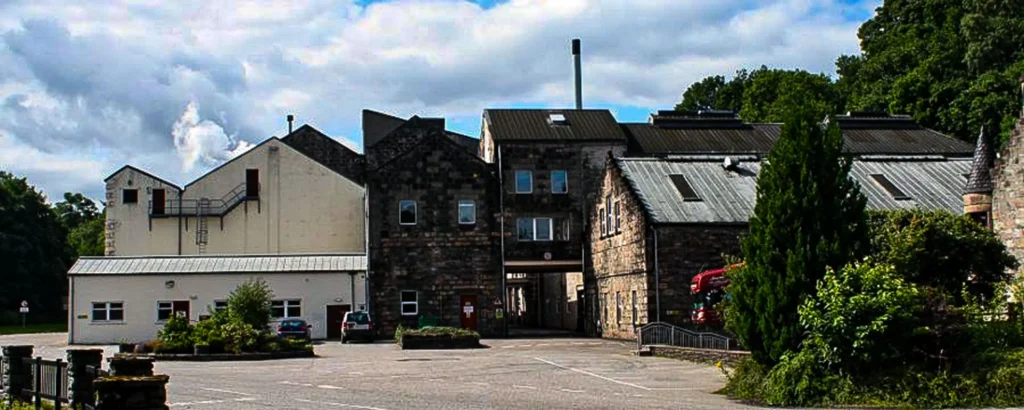
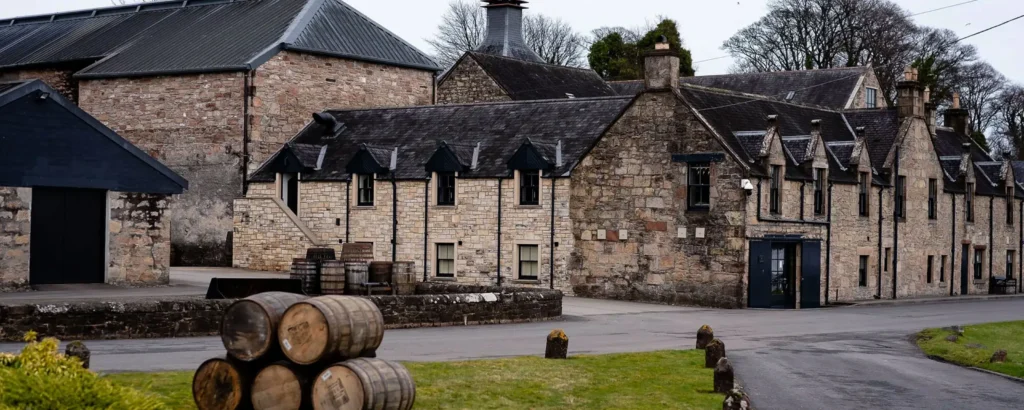
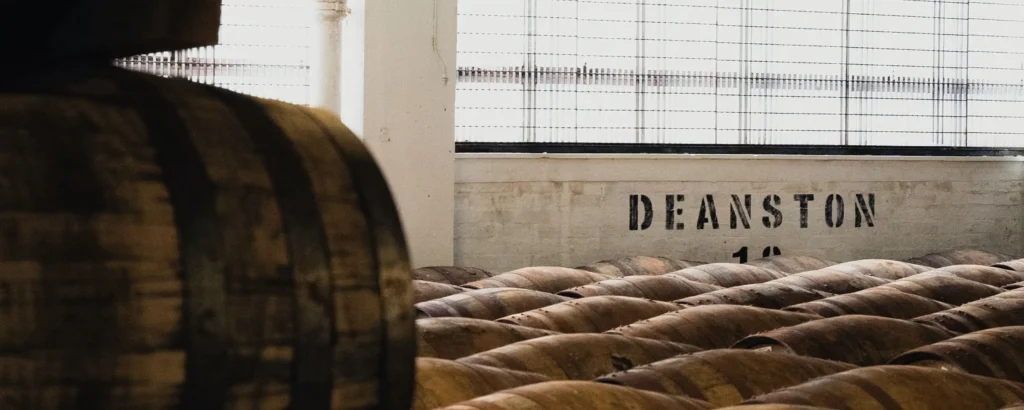
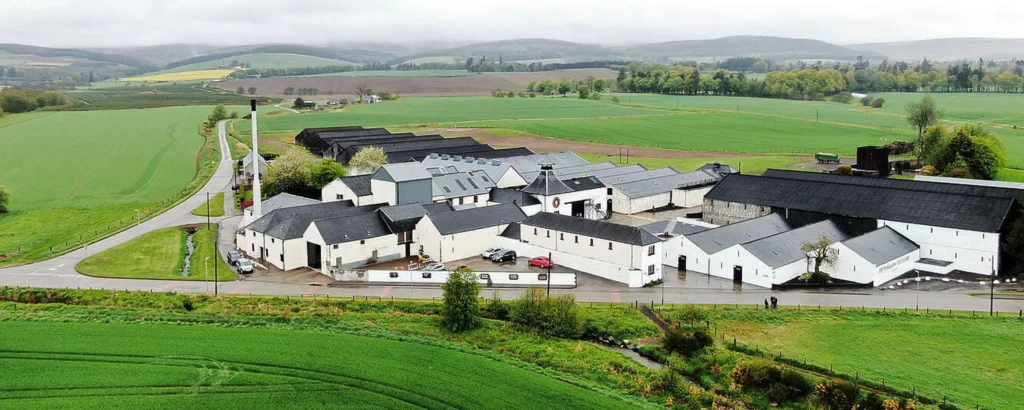
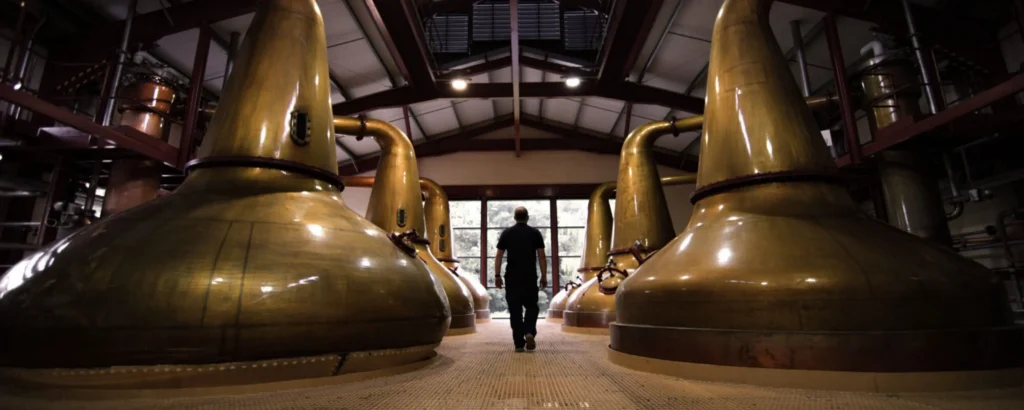
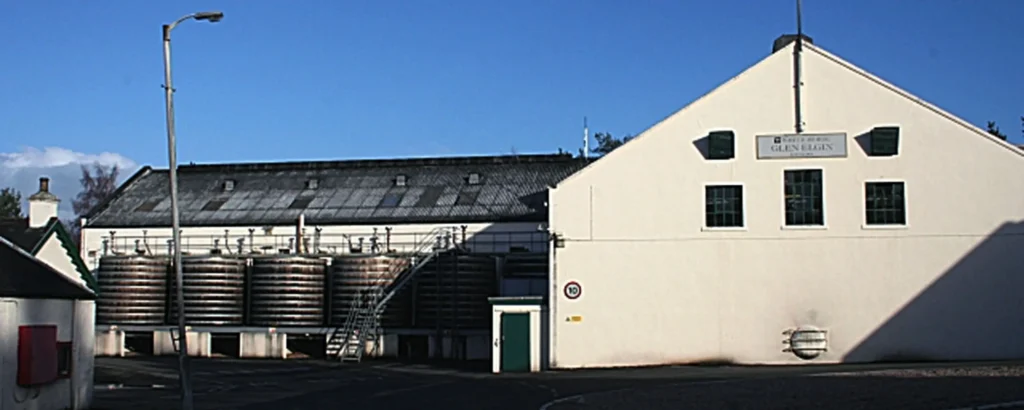
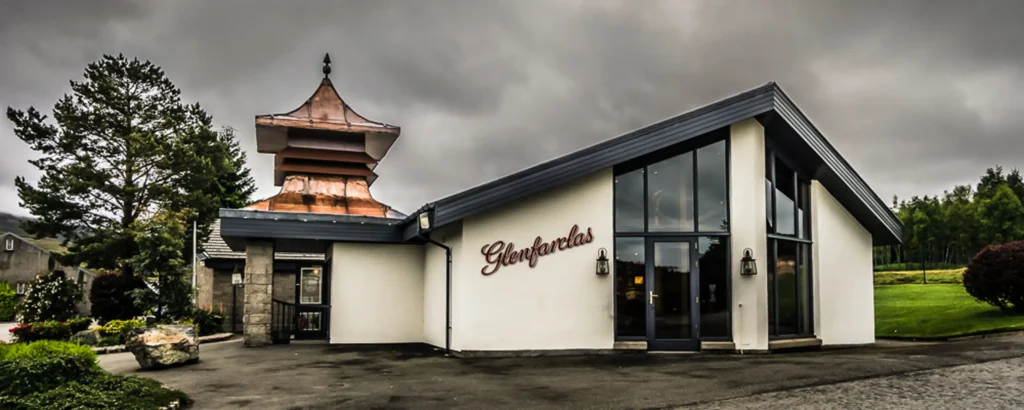
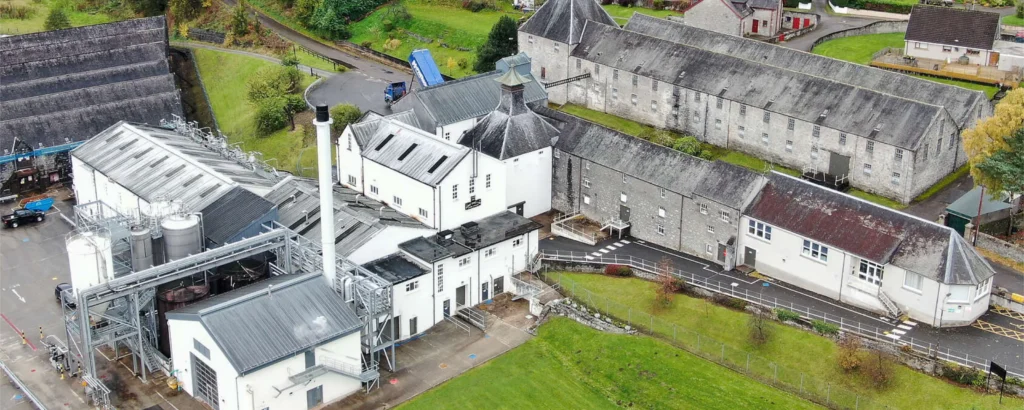
Benriach is one of Speyside’s more unconventional distilleries, producing classic unpeated, peated and triple-distilled spirit alongside an unusually diverse approach to cask maturation. For those looking to invest in Benriach whisky, this versatility creates an interesting proposition within the Scotch whisky cask market.
The distillery has stocks stretching back decades and a reputation for experimentation with both spirit and wood. Today, Benriach is owned by Brown-Forman and sits alongside The GlenDronach and Glenglassaugh in the company’s Scotch whisky portfolio. Its combination of established heritage, distinctive production and international brand ownership are all factors worth considering when assessing a Benriach whisky investment.
Why Invest in Benriach Whisky?
One of Benriach’s defining characteristics is the variety of whisky it produces. While classic unpeated Speyside spirit forms an important part of its identity, Benriach has distilled peated spirit since the early 1970s and also produces small batches of triple-distilled spirit. This gives the distillery a broader range of stock than many Speyside producers.
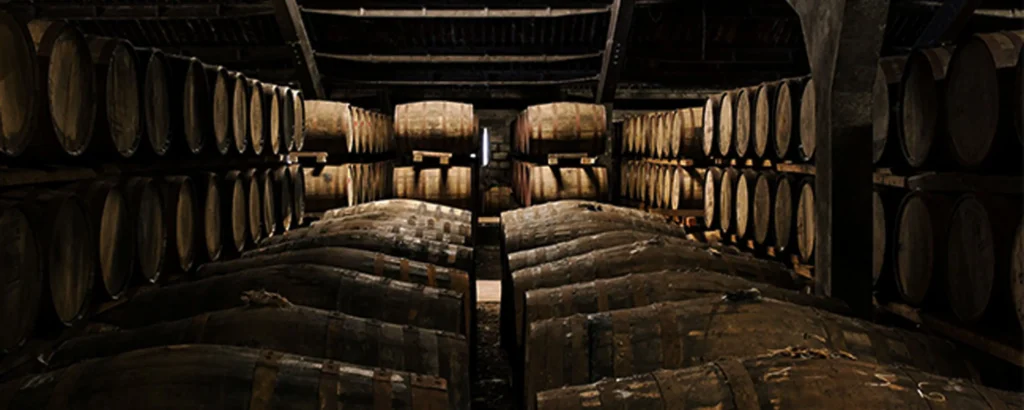
Cask diversity is another important consideration. Benriach has developed a reputation for using an eclectic selection of casks sourced from around the world. Its own range demonstrates the influence of bourbon, sherry, virgin oak and other cask types on its spirit.
For cask investors, these variables matter. Spirit style, cask type, age, ABV and remaining volume can all influence the eventual character, desirability and potential routes to exit for an individual cask. Therefore, anyone looking to invest in Benriach whisky should assess the specific cask rather than relying on the distillery name alone.
A Brief History of Benriach Distillery
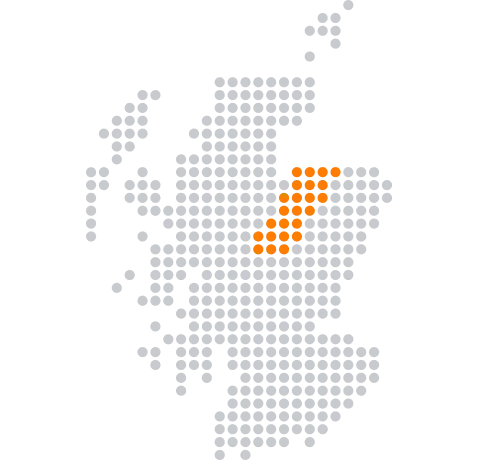
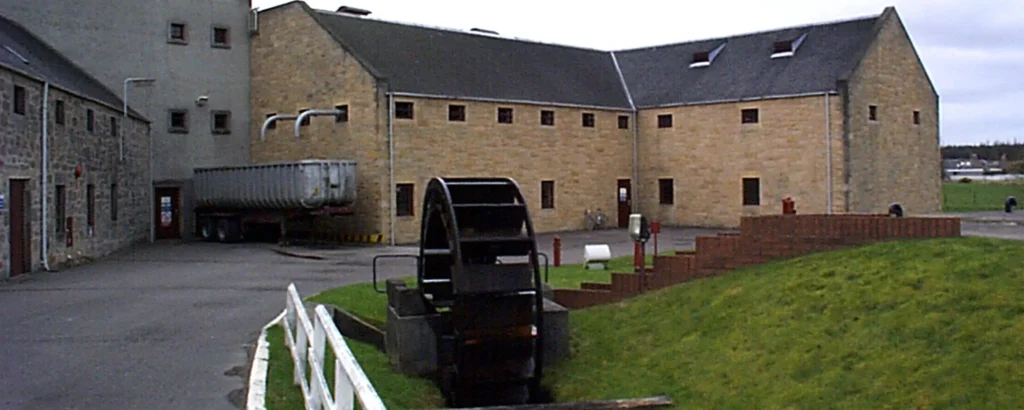
Benriach was founded by John Duff in 1898 on the site of the old Riach Farm in north Speyside, close to his Longmorn distillery. Its timing was unfortunate. Following the downturn in the Scotch whisky industry, Benriach closed in 1900 after just two years of production.
The distillery itself remained silent for 65 years, but its floor maltings continued operating to supply neighbouring Longmorn. A small railway connected the two sites, helping keep Benriach active until whisky production finally restarted in 1965.
An important development followed in 1972, when Benriach began experimenting with peated malt. Producing smoky spirit was unusual for modern Speyside, and the tradition continues today during the distillery’s annual “Smoke Season”.
Benriach subsequently began experimenting with triple distillation in the 1990s, adding a third distinctive style to its production. After a period of independent ownership beginning in 2004, the distillery was acquired by Brown-Forman in 2016.
What Makes Benriach Different?
Benriach’s production philosophy helps distinguish it from many other Speyside distilleries. Its three spirit styles, classic unpeated, Highland peated and triple distilled, provide different starting points for maturation which makes investing Benriach whisky so interesting.
The distillery’s classic spirit is particularly fruit-forward, with orchard and citrus characteristics. Its peated whisky takes a different direction, using Highland peat to create a sweeter, wood-smoke character rather than the more medicinal style commonly associated with some Islay whiskies. Triple distillation further extends the range, creating a lighter and particularly fruit-driven spirit.
Benriach then combines these spirit styles with its diverse cask inventory. This interaction between distillate and wood is central to the distillery’s identity and can make individual casks substantially different from one another.
Benriach Whisky Investment: What Should Investors Consider?
A Benriach whisky investment should ultimately be assessed at cask level. Two casks carrying the same distillery name and vintage can develop differently depending on their wood type, fill history, storage conditions, alcohol strength and maturation.
Benriach’s varied production can make understanding exactly what you are buying particularly important. Investors should establish whether a cask contains classic or peated spirit, its cask type and size, year of distillation, current ABV and volume, and where it is held.
Age also needs to be considered alongside the intended investment period. Scotch whisky continues to mature while stored in an appropriate bonded warehouse, but evaporation through the cask, the Angel’s Share, gradually reduces both volume and potentially alcohol strength.
Is Investing in Benriach Whisky a Good Idea?
Benriach combines more than a century of history with unusual production methods, diverse maturation and the backing of a major international spirits company. Its stocks also include whisky representing several different eras of ownership and production, creating a varied inventory of maturing spirit.
However, the investment case should never rest on reputation alone. Cask specification, purchase price, provenance, storage, market demand and the eventual exit route all influence potential performance, and returns are never guaranteed.
For investors who value established Speyside distilleries while looking beyond some of the region’s most heavily recognised names, Benriach can offer an interesting alternative.
To find out how to invest in Benriach whisky, speak to The 1901 Group team about current cask availability and the characteristics of individual casks.