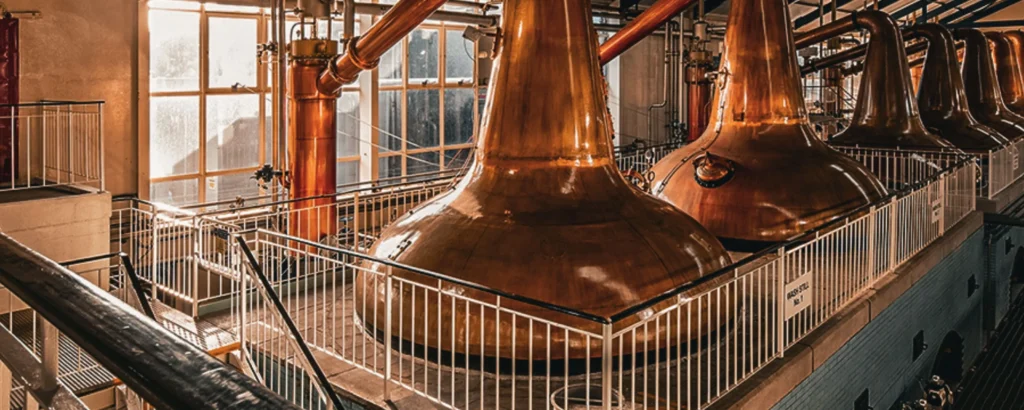
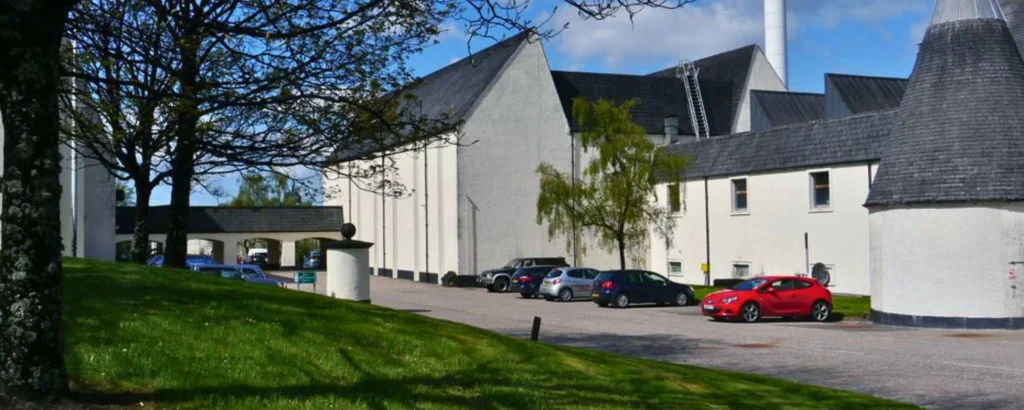
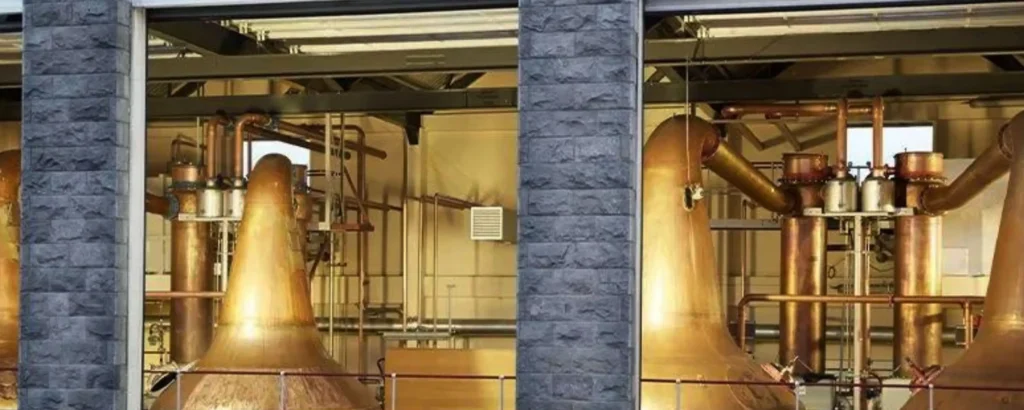
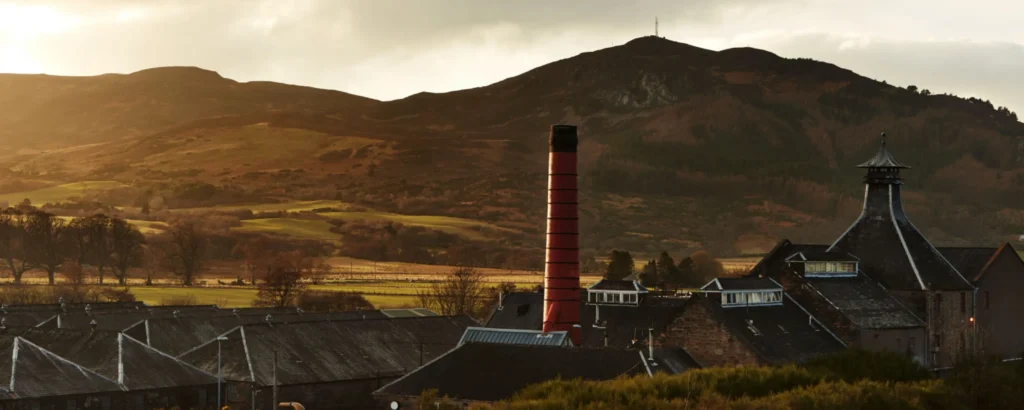
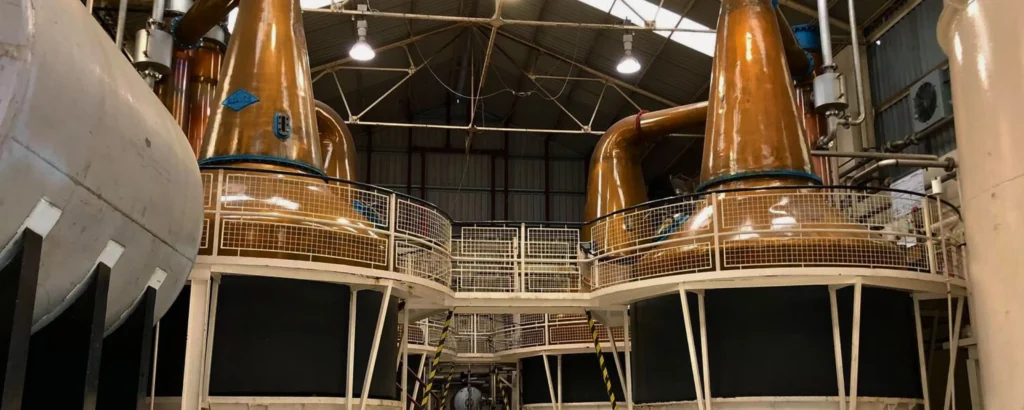
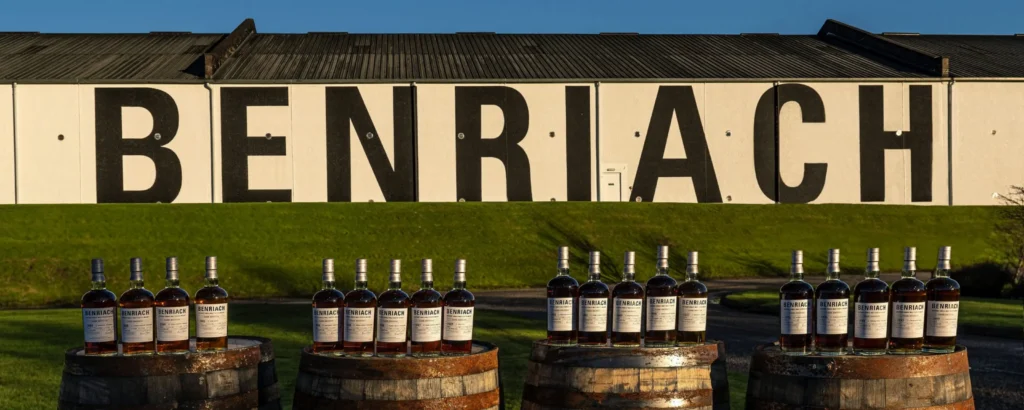
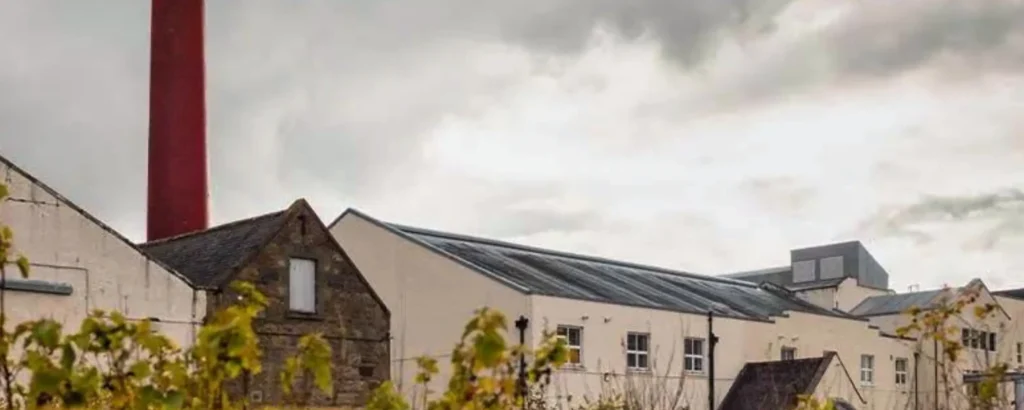
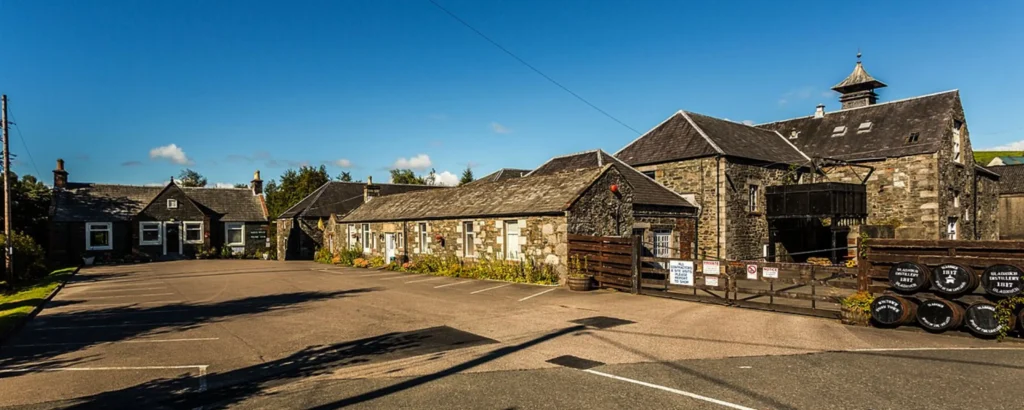
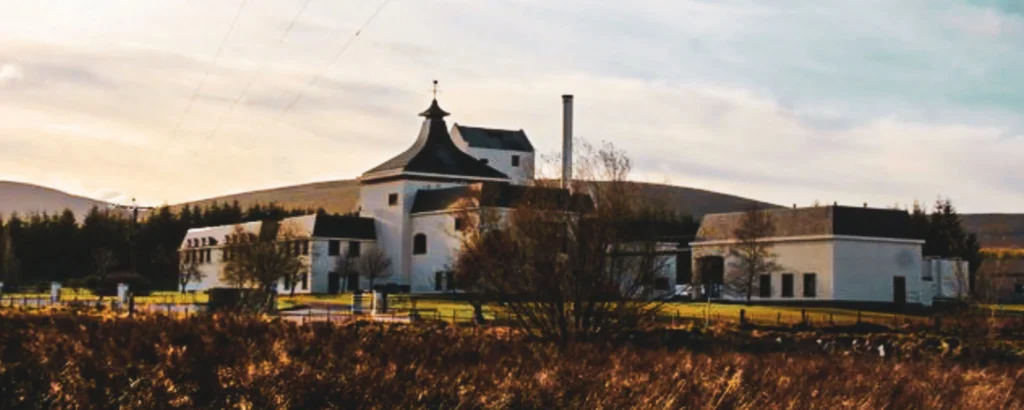
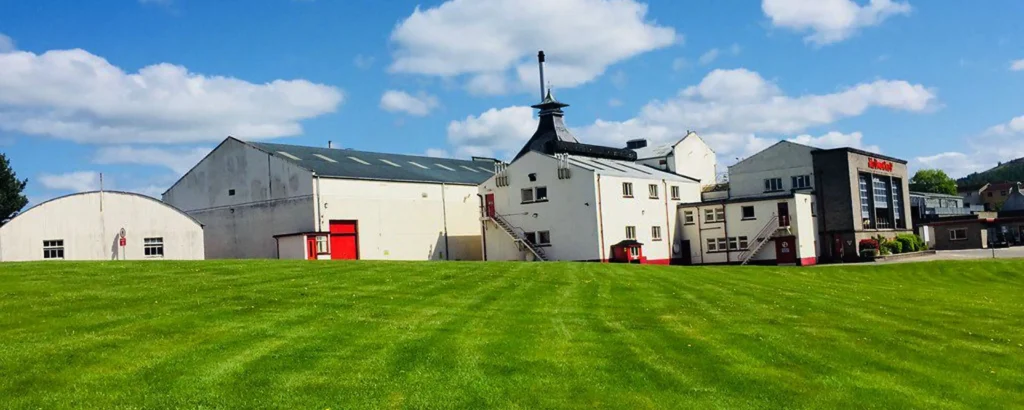
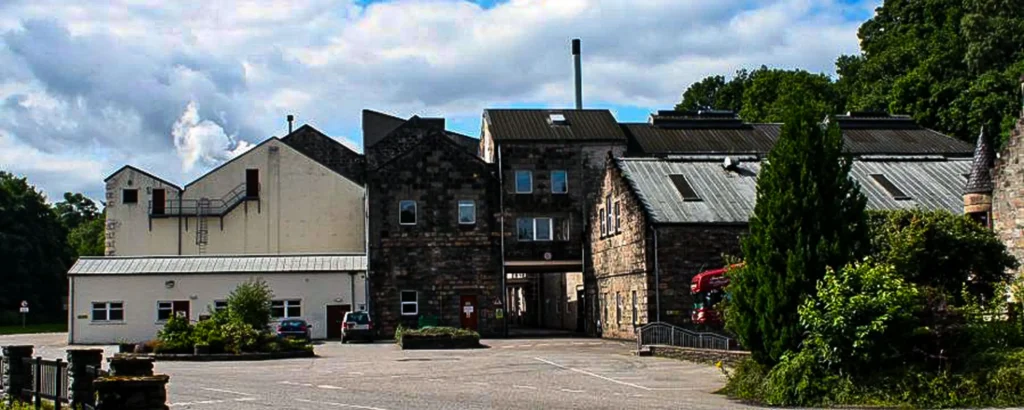
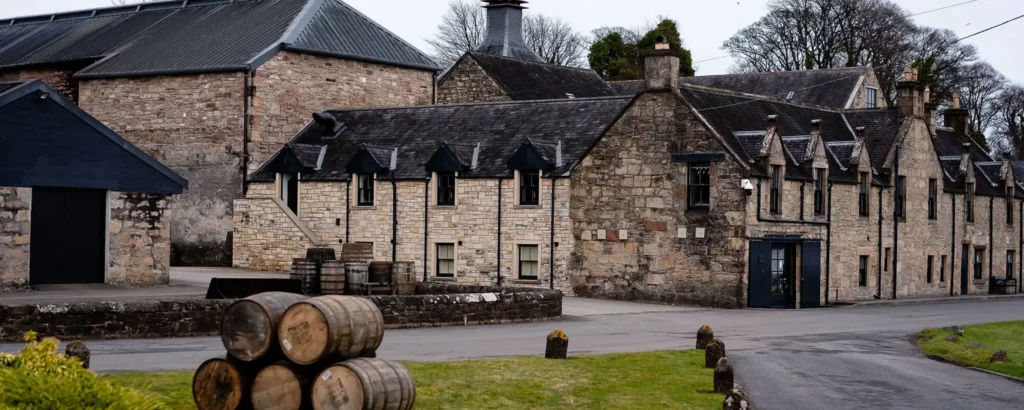
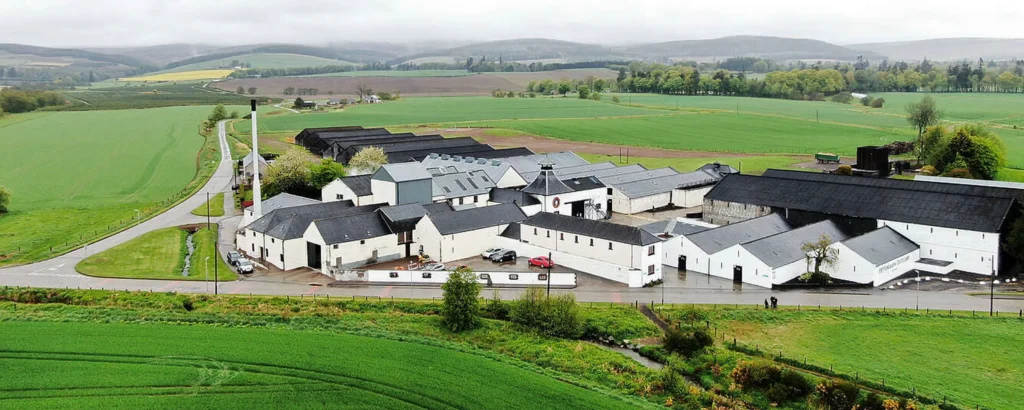
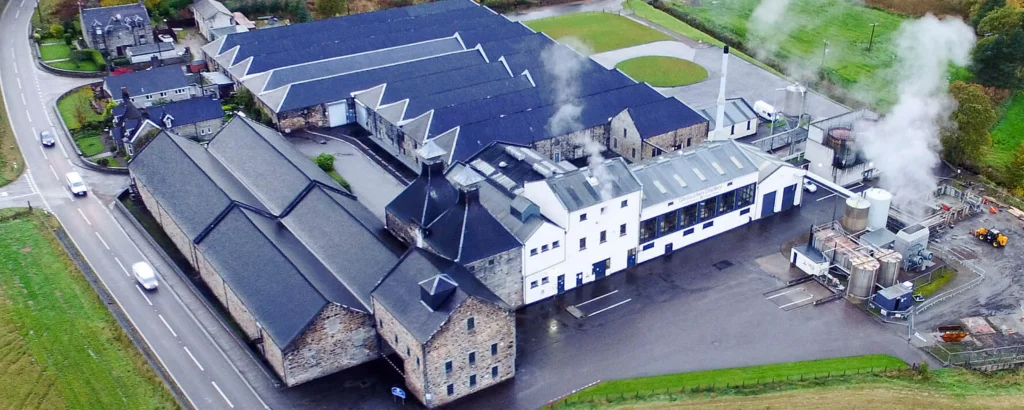
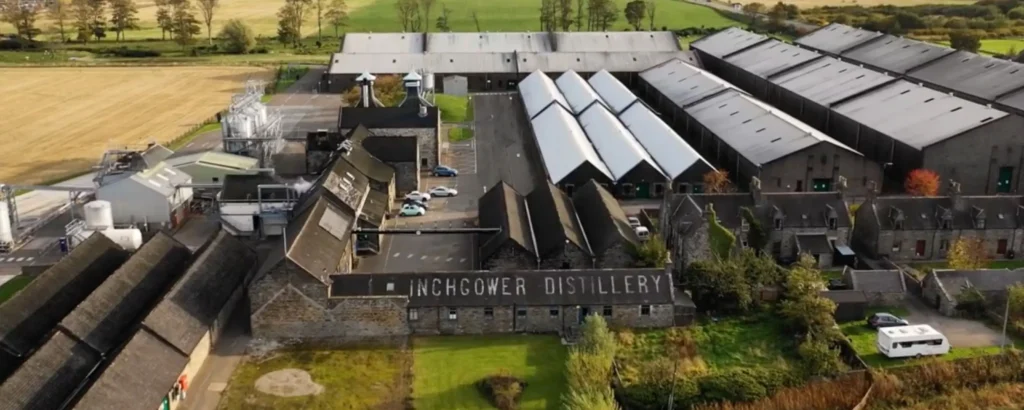
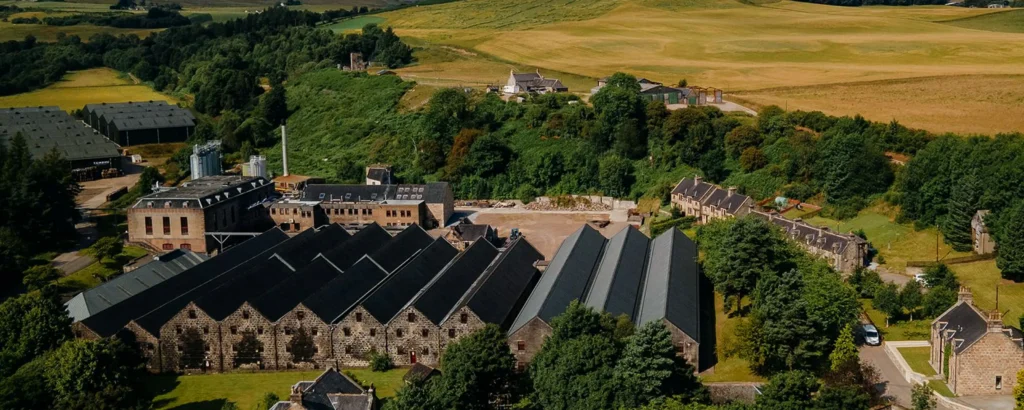
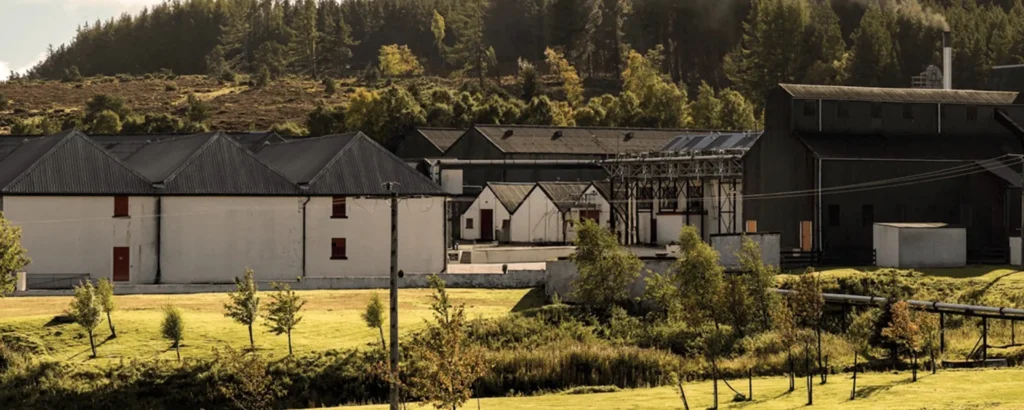
High in the Speyside hills, Braeval produces a style of whisky that millions of Scotch drinkers may have encountered without ever recognising its name. The distillery plays an important role in some of the world's best-known blends, yet remains relatively unfamiliar outside the whisky industry.
For those looking to invest in Braeval whisky casks, it is worth knowing that Braeval's commercial importance comes primarily from its blending role rather than its reputation as a standalone single malt.
Braeval Distillery: A Modern Speyside Story
Founded in 1973 by Canadian drinks company Seagram's, Braeval is considerably younger than many of its Speyside neighbours.
Originally called Braes of Glenlivet, the distillery was renamed Braeval in the 1990s to establish a clearer identity and avoid confusion with The Glenlivet.
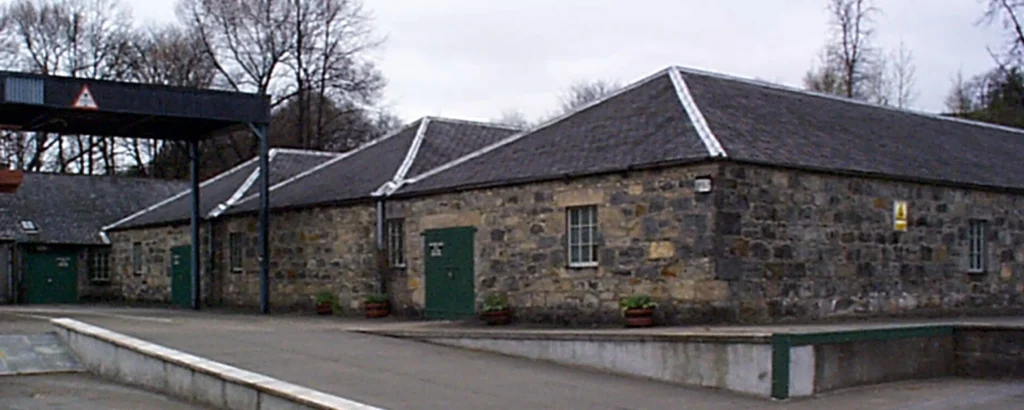
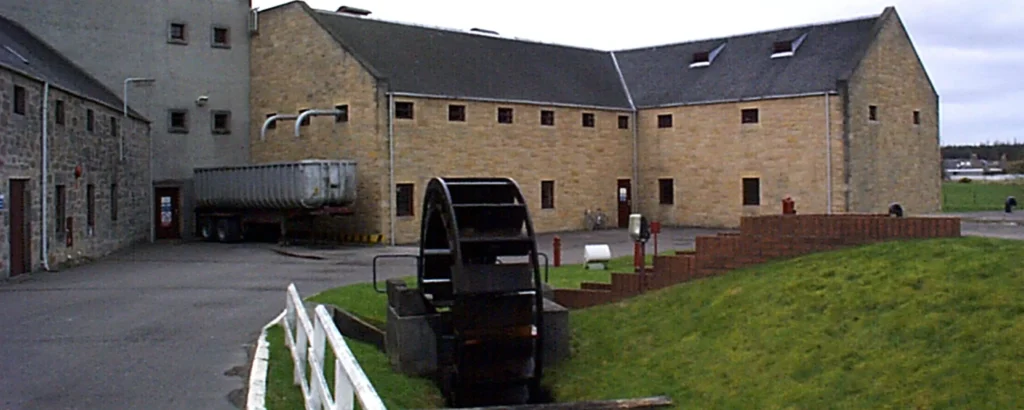
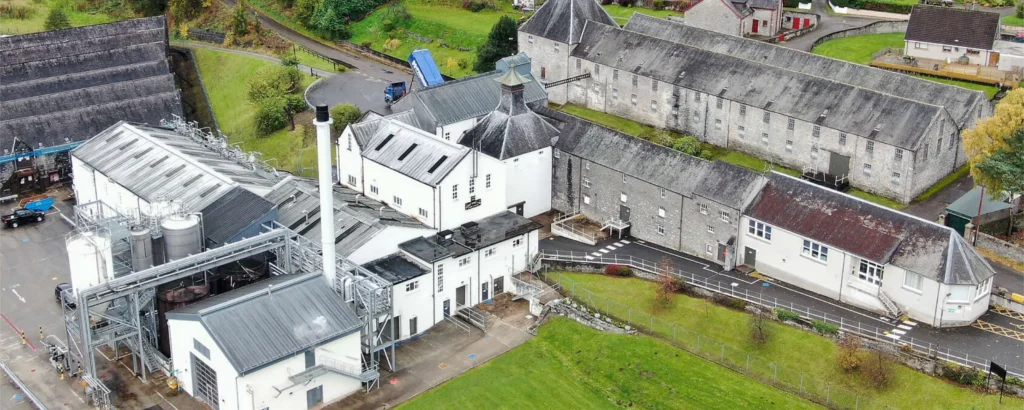
Situated approximately 350 metres above sea level, Braeval is among Scotland's highest distilleries. Its remote hillside location contrasts with its purpose-built, modern production facilities.
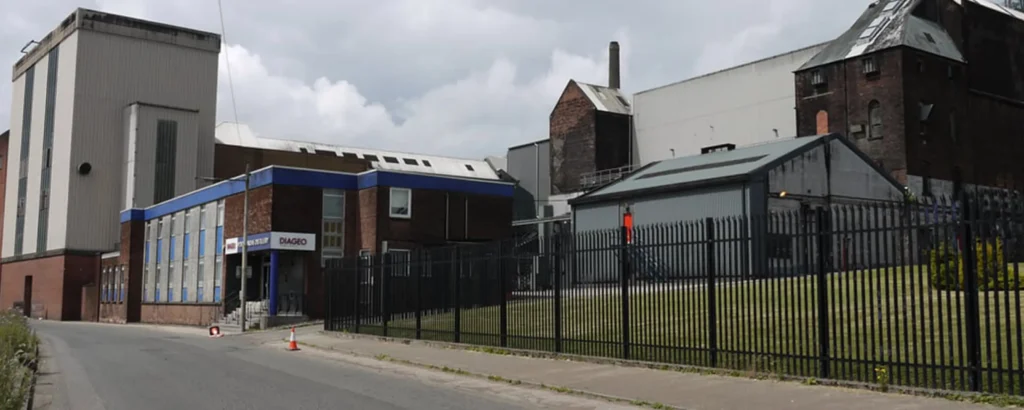
The distillery is now owned by Chivas Brothers, part of Pernod Ricard, and produces malt whisky primarily for the company's blended Scotch portfolio like Chivas Regal and Ballantine's.
Production stopped in 2002 during a period of reduced demand, before restarting in 2008. This interruption is important to evaluate the availability of older Braeval stock.
The Importance of Braeval in Scotch Whisky Blending
Braeval's principal role is supplying malt whisky for established blended Scotch brands, including Ballantine's and Chivas Regal.
Its spirit is typically light and fruity, with a relatively delicate character that makes it useful to blenders seeking balance and consistency.
Unlike heavily peated or intensely sherried whiskies, Braeval can contribute freshness and subtle complexity without dominating a blend.
This creates an interesting distinction for Braeval whisky investment. The distillery benefits from its position within a major international whisky business, but demand for its spirit within blending operations should not be mistaken for guaranteed demand for privately owned casks.
Anyone planning to invest in Braeval whisky casks should consider both the distillery's commercial role and the potential market for independently held stock.
Why Do Braeval Casks Attract Investor Interest?
Braeval's relatively limited presence as a standalone single malt is one of its distinguishing characteristics.
Much of its production is reserved for blending, leaving fewer opportunities for consumers to experience the distillery's character independently. For private cask owners, this can create opportunities. Though, limited public recognition can also mean a smaller pool of potential buyers.
Another consideration is the distillery's production history. Because Braeval was closed between 2002 and 2008, casks from certain older vintages may have different supply characteristics from those filled during periods of continuous production.
The vintage alone does not establish rarity or value, but it can provide useful context when comparing available stock.
For those seeking to invest in Braeval whisky casks, the relationship between age, availability and buyer demand deserves careful examination.
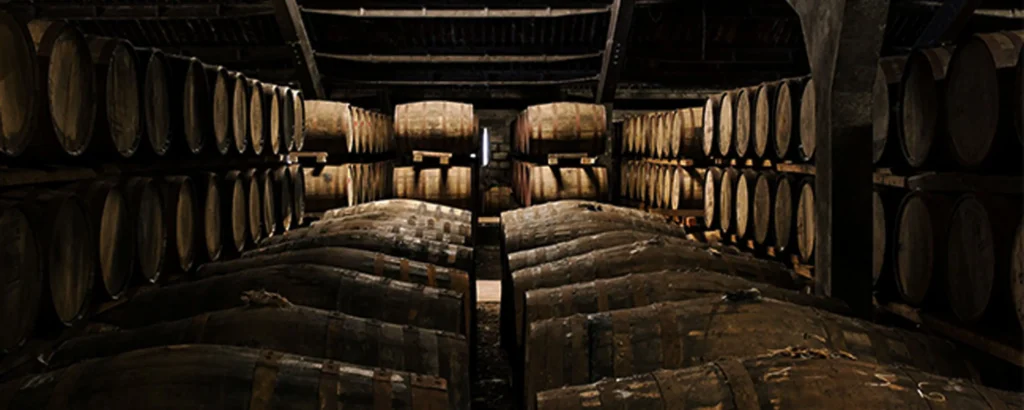
How Does Braeval Whisky Develop in the Cask?
Braeval's relatively gentle spirit character makes cask selection particularly influential.
Ex-bourbon barrels and hogsheads can complement its distinct characteristics, allowing the underlying distillery style to remain recognisable, whereas sherry-seasoned casks may introduce richer dried fruit, spice and oak notes, creating a different maturation profile.
The original fill strength, cask size and previous use of the wood all influence how quickly these characteristics develop.
A smaller barrel generally creates greater wood contact relative to the volume of spirit than a larger hogshead or butt. However, maturation depends on several factors, including warehouse conditions and cask history.
For a Braeval whisky investment, the quality of the individual cask may prove more significant than the distillery name alone.
How to Assess Braeval as a Whisky Cask Investment?
Before purchasing, investors should establish the cask's distillation date, type, fill history, current volume and alcoholic strength.
A recent regauge can help determine how much whisky remains following evaporation through the Angel's Share. Sampling may also reveal whether the spirit would benefit from further maturation.
Ownership documentation, bonded storage arrangements and any restrictions on independent bottling should be confirmed.
The potential exit route deserves equal attention. A mature Braeval cask might appeal to a blender, independent bottler or another private buyer, but the size and liquidity of that market should not be assumed.
When deciding whether to invest in Braeval whisky casks, investors should also account for storage, insurance, future selling costs and prevailing market conditions.
Is Braeval Whisky a Good Investment?
Braeval offers an alternative perspective on Speyside whisky ownership.
Rather than relying on widespread consumer recognition, its appeal lies in its established blending role, distinctive production history and the potential for carefully selected casks to mature into desirable whisky.
A Braeval whisky investment may interest those seeking exposure to a lesser-known working distillery, although limited brand recognition and uncertain resale demand introduce additional considerations.
As with any cask purchase, future returns are not guaranteed. Provenance, quality, price and a realistic exit strategy remain essential.
Speak to The 1901 Group team to explore available Braeval casks and discuss their potential place within a wider whisky portfolio.