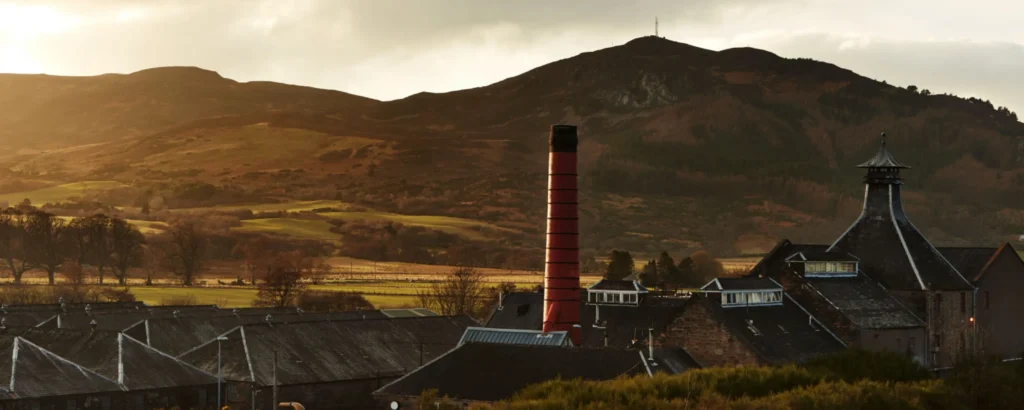
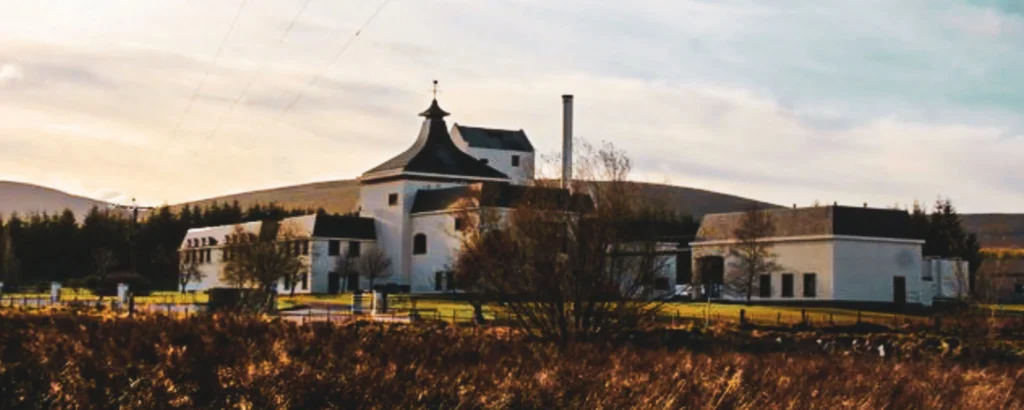
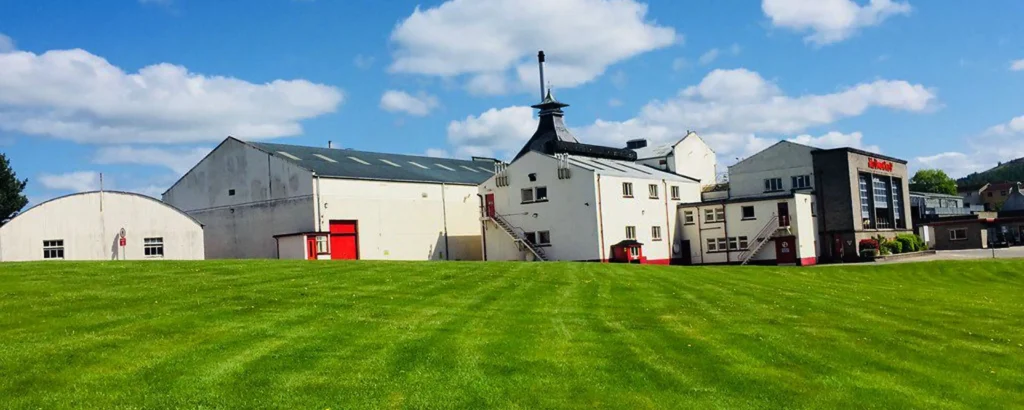
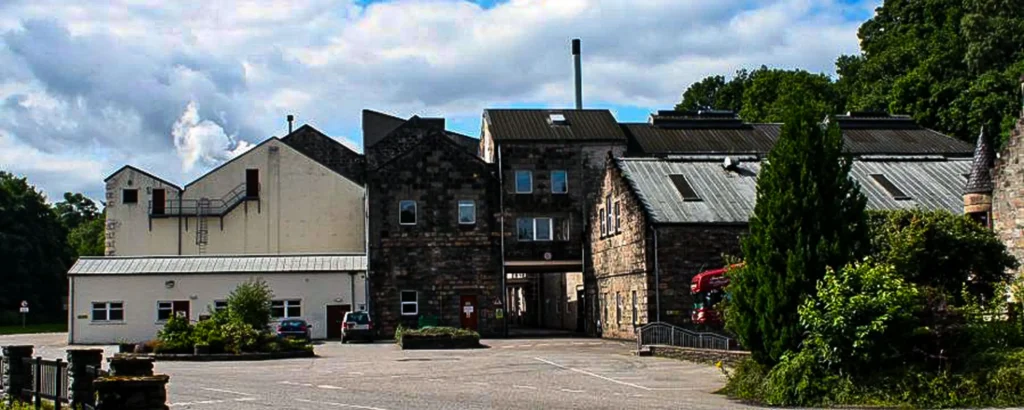
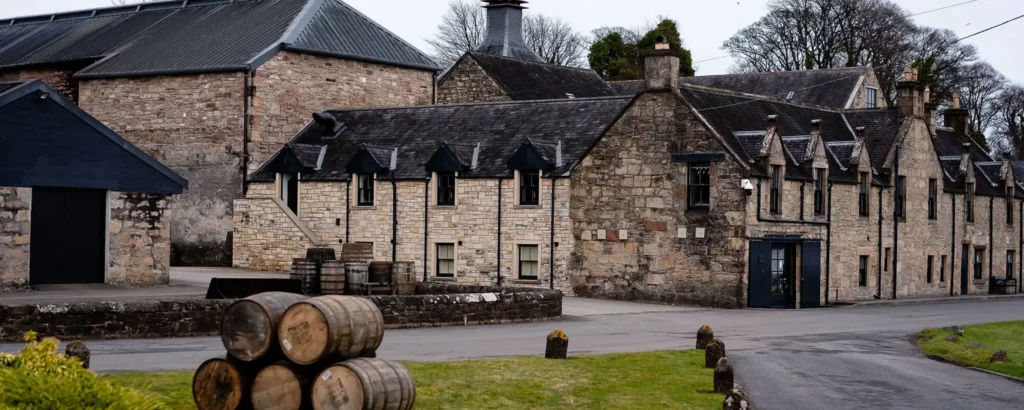
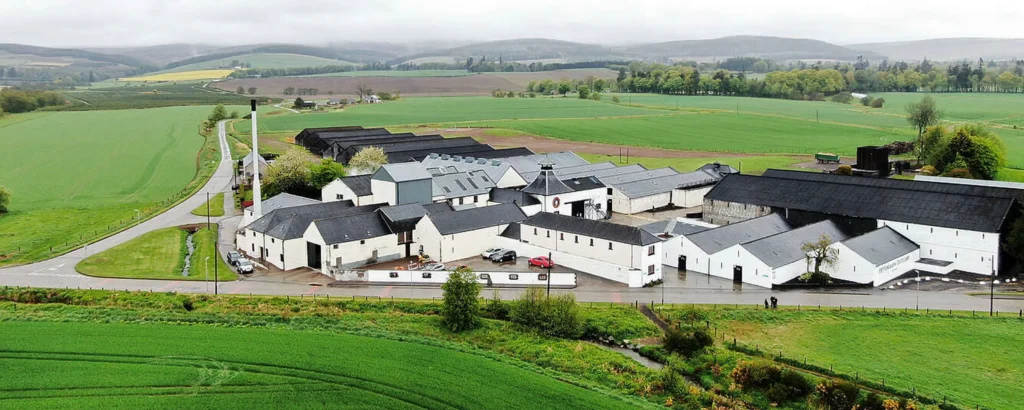
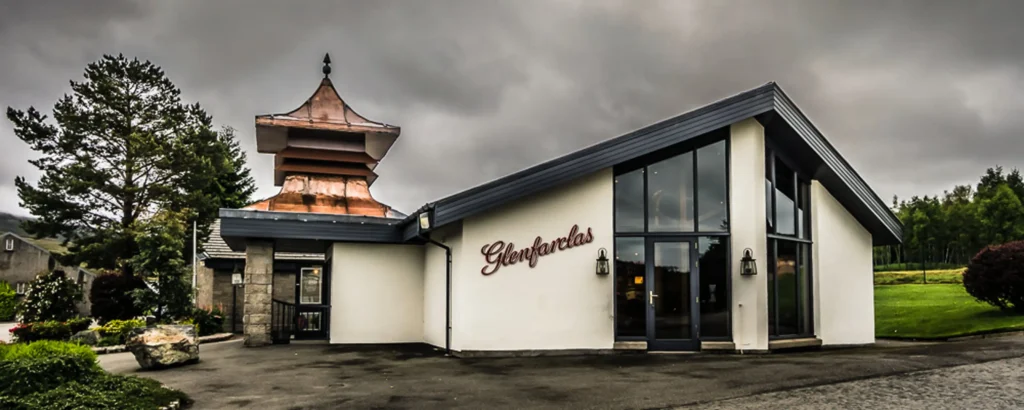
Few Speyside distilleries have maintained their independence quite like Glenfarclas. Owned by the Grant family since 1865, it has built its reputation on traditional production methods, sherry-cask maturation and a remarkable collection of aged whisky stocks.
Its rich, full-bodied spirit and commitment to long-term maturation have earned Glenfarclas a loyal international following. For those looking to invest in Glenfarclas whisky casks, the distillery's history and approach to whisky production offer plenty to consider.
A Family-Owned Speyside Distillery Since 1865
Glenfarclas was founded in 1836 by Robert Hay near Ballindalloch, in the heart of Speyside.
Following Hay's death, John Grant purchased the distillery in 1865, beginning a family ownership that has continued for six generations. Unlike many established Scotch whisky producers, Glenfarclas has remained independent rather than becoming part of a multinational drinks group. This independence has allowed the Grant family to maintain considerable control over production, maturation and stock management.
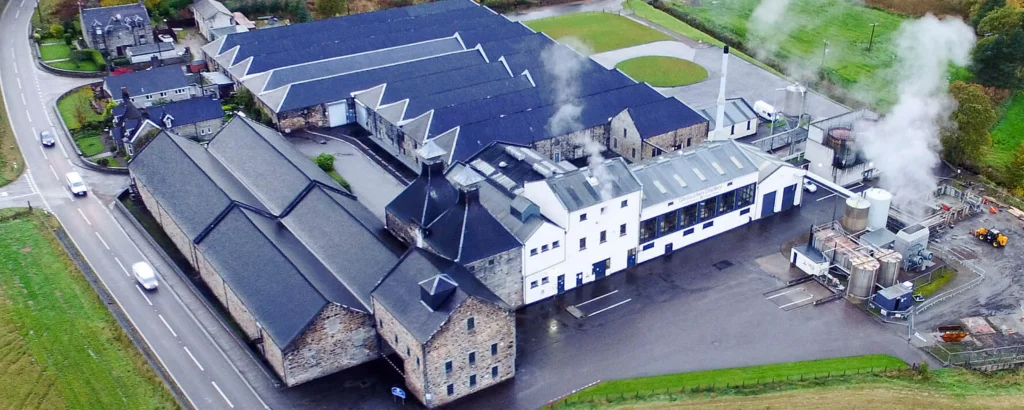
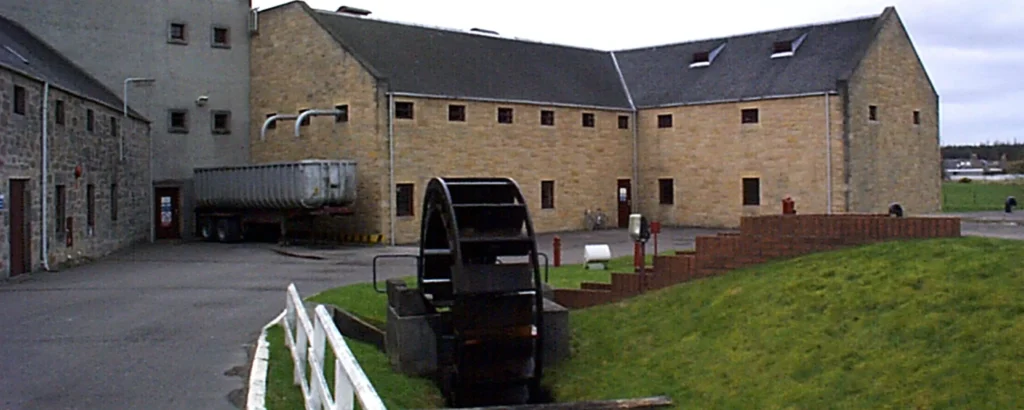
Today, Glenfarclas is one of Speyside's best-known family-owned distilleries, recognised for maintaining its traditional character while developing a strong international presence.
For a Glenfarclas whisky investment, this continuity provides an established brand history, although it does not guarantee the future value of individual casks.
What Is Glenfarclas Known for?
Sherry-cask maturation is central to Glenfarclas's identity. The distillery is particularly associated with European oak casks previously used to mature sherry, which contribute much of the richness found in its whisky.
Glenfarclas spirit is typically full-bodied, with malty sweetness and fruity characteristics that develop further during maturation. Sherry-seasoned oak can introduce dried fruit, nuts, dark chocolate, spice and deeper oak notes.
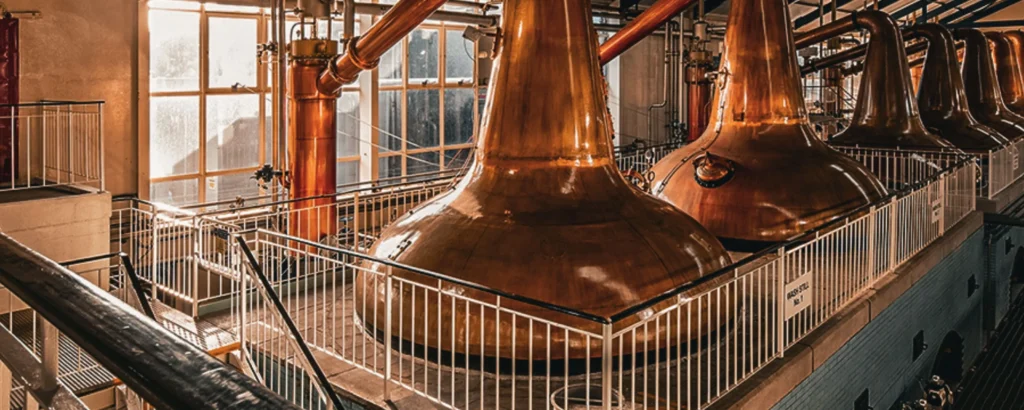
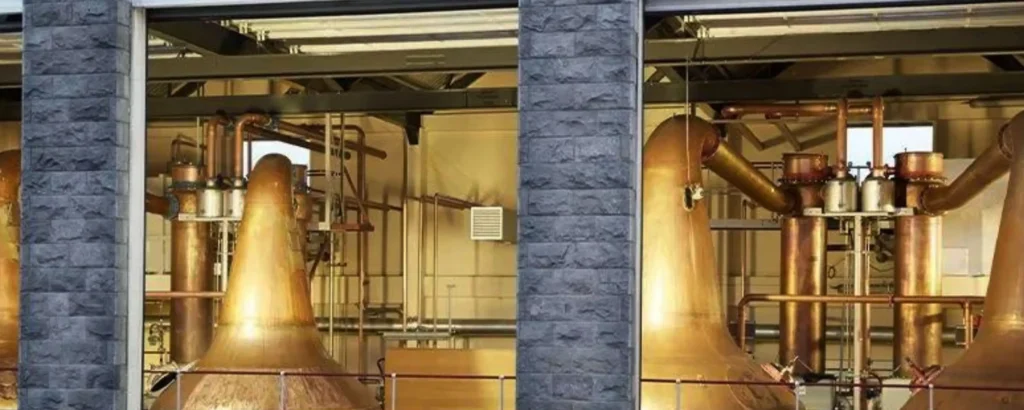
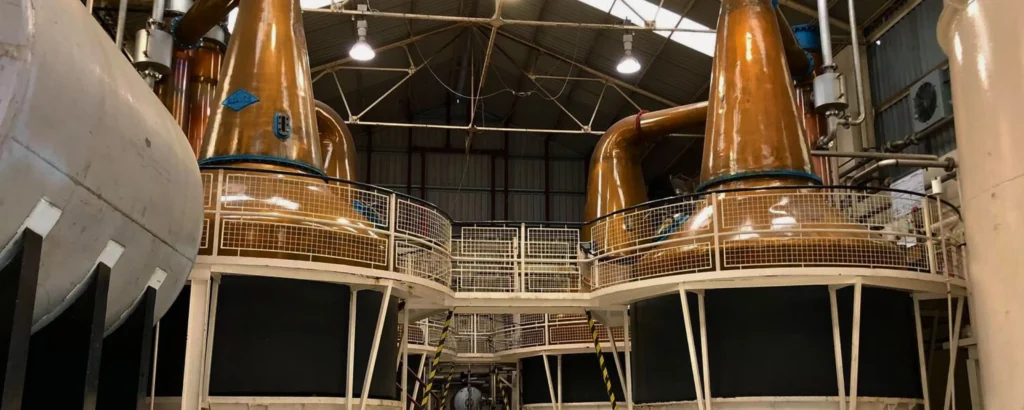
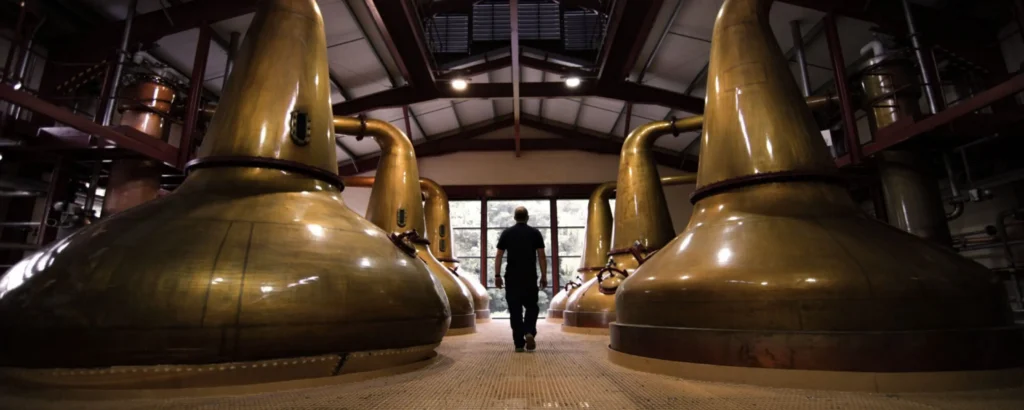
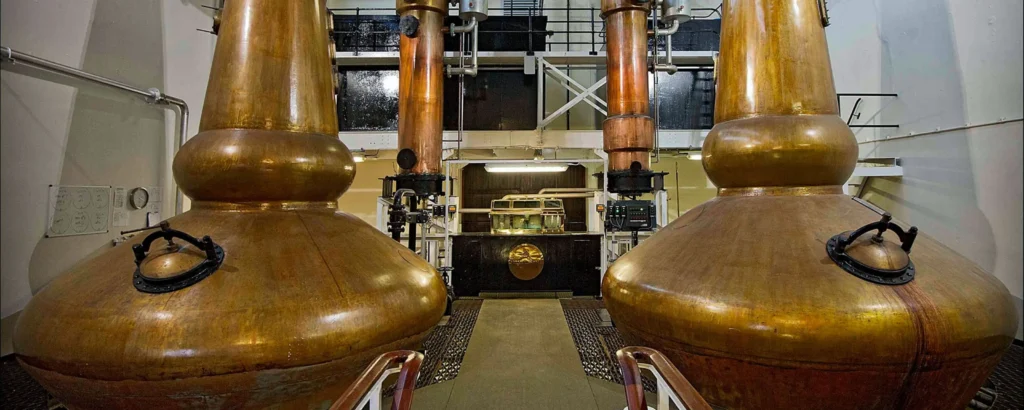
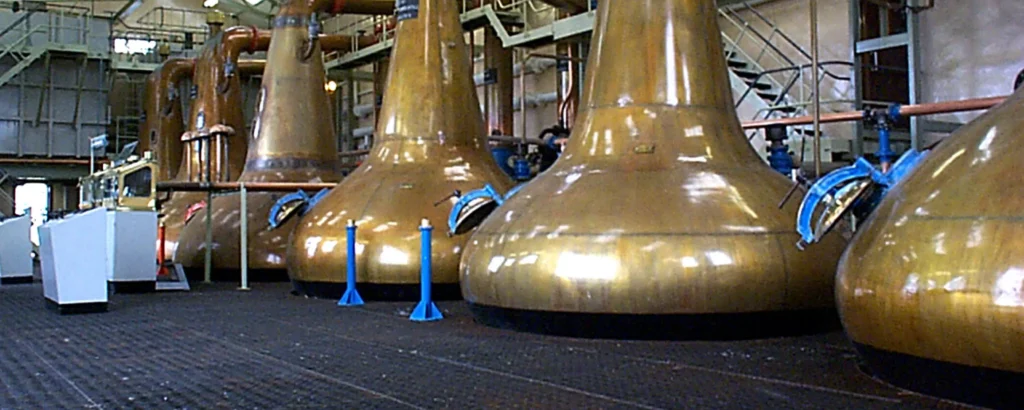
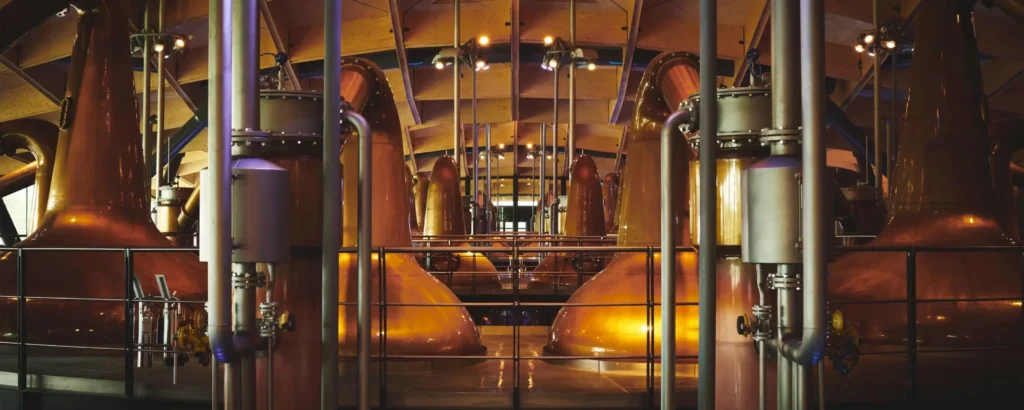
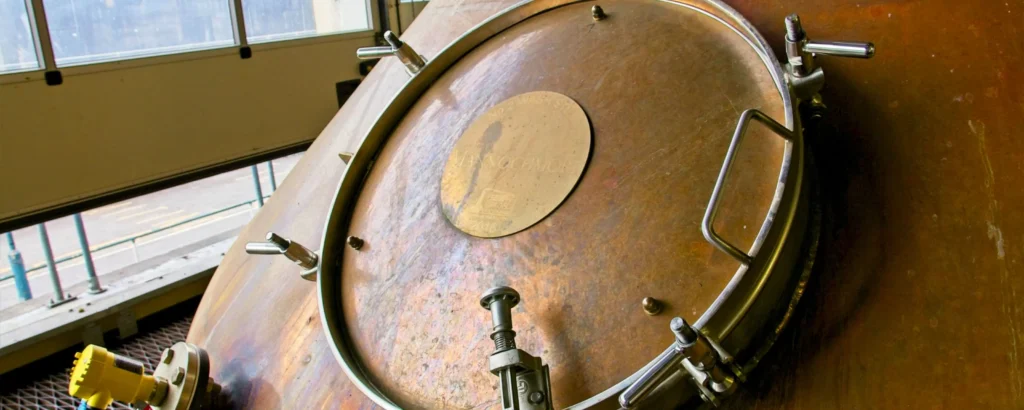
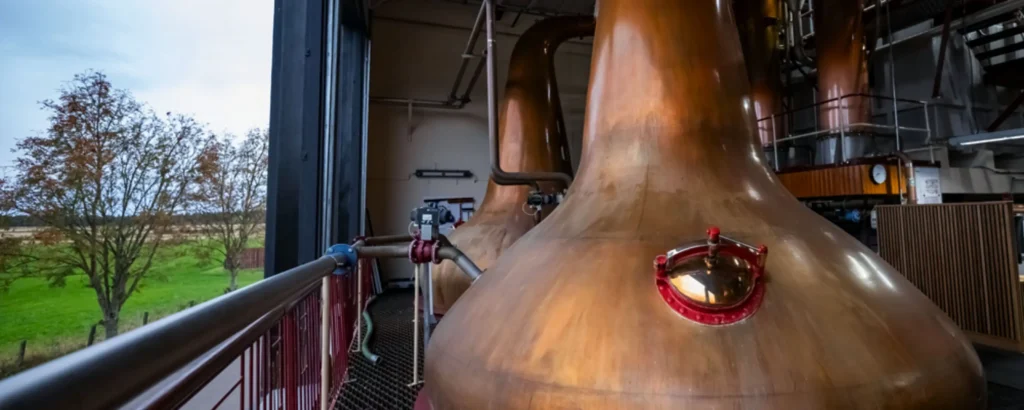
The distillery also uses traditional direct-fired stills, a relatively uncommon practice in modern Scotch whisky production. This method forms part of its distinctive production character.
For investors considering to invest in Glenfarclas whisky casks, understanding the wood is essential. The spirit in a first-fill sherry butt may develop differently from that in a refill sherry hogshead, both in terms of flavour and maturation speed. The quality of the oak, previous fill history and remaining maturation potential can influence the whisky's eventual appeal.
Glenfarclas and Its Extensive Aged Whisky Stocks
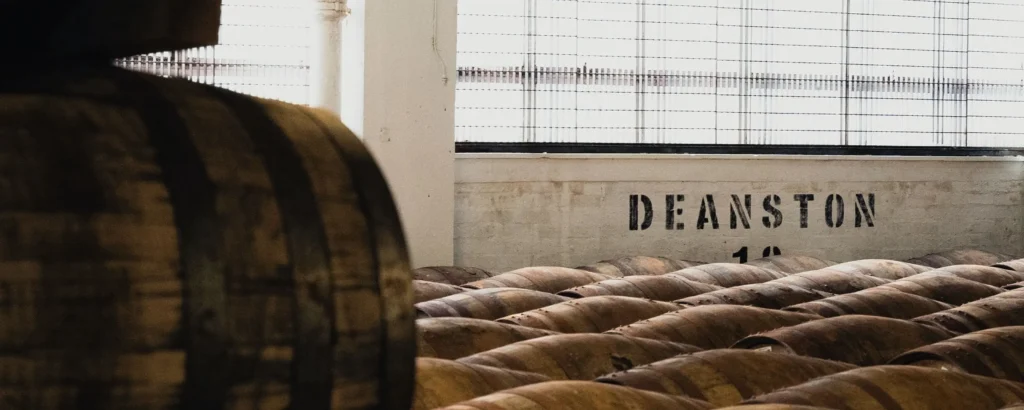
One of Glenfarclas's defining characteristics is its long-term approach to maturation. The Grant family has historically retained substantial stocks of maturing whisky, including casks dating back to the 1950s. This reflects a willingness to hold whisky for decades rather than concentrating exclusively on younger stock.
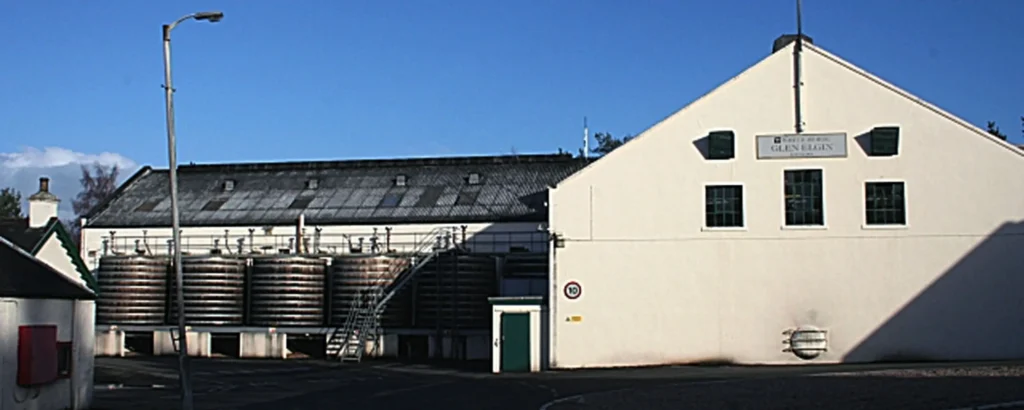
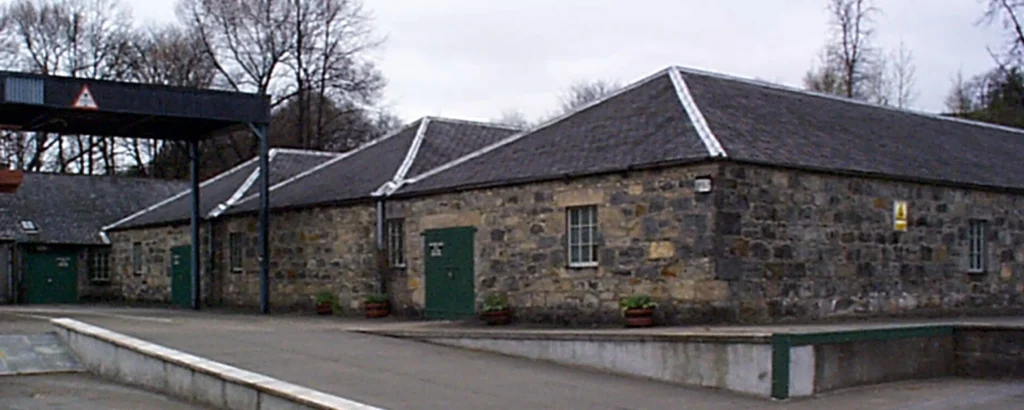
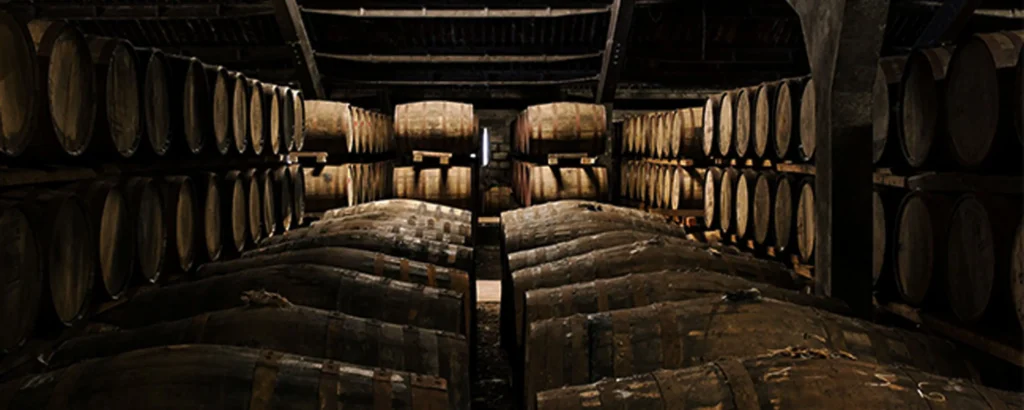
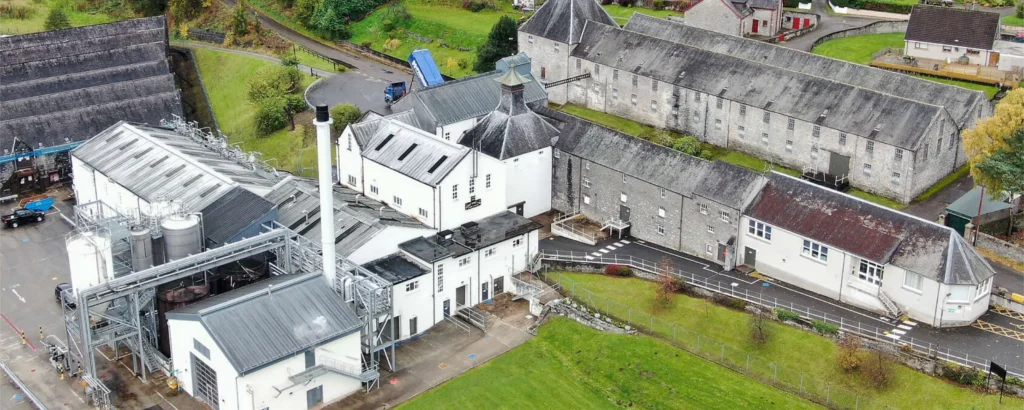
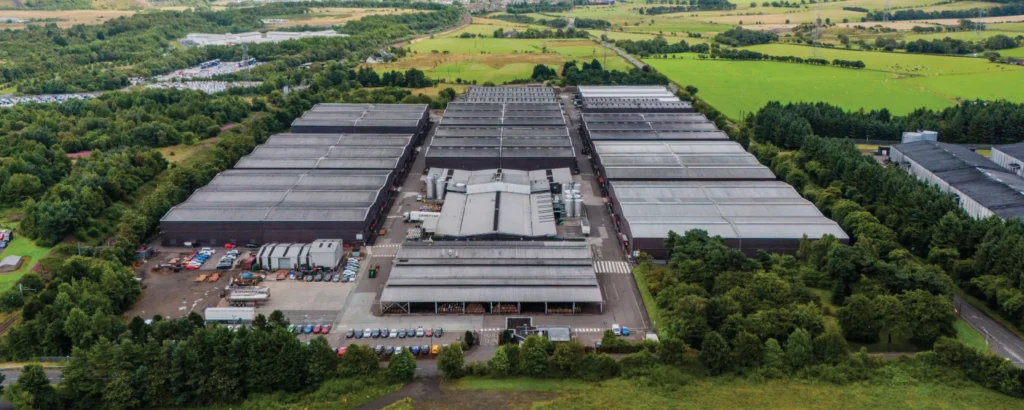
Glenfarclas also maintains traditional dunnage warehouses, where casks mature in relatively cool, stable conditions. These warehouses can support gradual maturation, allowing the interaction between spirit and oak to develop over extended periods.
However, older whisky is not automatically better or more valuable. Excessive oak influence, declining alcoholic strength and evaporation can affect a cask's condition.
Anyone planning to invest in Glenfarclas whisky casks should consider how much maturation potential remains, rather than relying on age alone.
Glenfarclas Whisky Investment and Cask Availability
Glenfarclas's independent ownership also shapes the market for its casks. The distillery has traditionally maintained close control over its maturing stock and brand identity. As a result, privately available casks should not be assumed to be readily obtainable.
This makes verification especially important. Prospective buyers should establish the cask's ownership history, bonded warehouse location and any restrictions on transferring, bottling or marketing the whisky under the Glenfarclas name.
A cask's rarity may influence buyer interest, but limited availability does not necessarily mean there will be a liquid resale market.
For those seeking to invest in Glenfarclas whisky casks, the ability to demonstrate clear ownership and identify a realistic future buyer is just as important as the distillery's reputation.
What Should Investors Consider Before Buying?
A whisky cask investment should be assessed on the characteristics of the individual asset. For Glenfarclas, important considerations include the distillation year, cask type, fill history, current volume and alcoholic strength.
A recent regauge can establish the remaining quantity of whisky, while sampling may help determine whether further maturation is desirable. Investors should also account for the Angel's Share, the gradual loss of spirit through evaporation, alongside storage, insurance and eventual selling costs.
Sherry-cask maturation may add commercial appeal, but the price paid must reflect the quality and condition of the whisky.
A Glenfarclas whisky investment should therefore be approached with a clear holding period and a practical exit strategy, rather than an expectation that age alone will increase its value.
Is Glenfarclas Whisky a Good Investment?
Glenfarclas combines independent family ownership, a distinctive sherry-led maturation style and one of Speyside's most established reputations for aged whisky. Its traditional production methods and substantial historic stocks set it apart from many larger whisky producers.
However, brand recognition and limited cask availability do not guarantee investment returns. The purchase price, condition, provenance and potential resale demand all influence the outcome.
If you're considering to invest in Glenfarclas whisky casks, speak to The 1901 Group team to discuss availability and the factors that should inform a potential purchase.