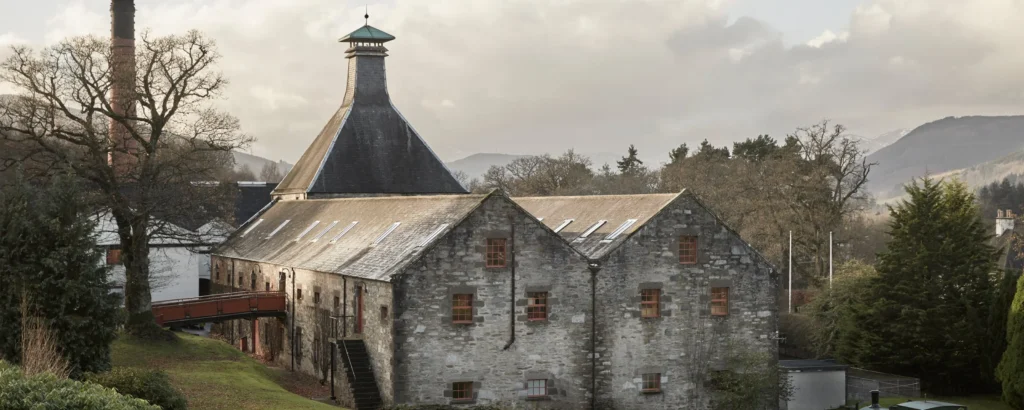
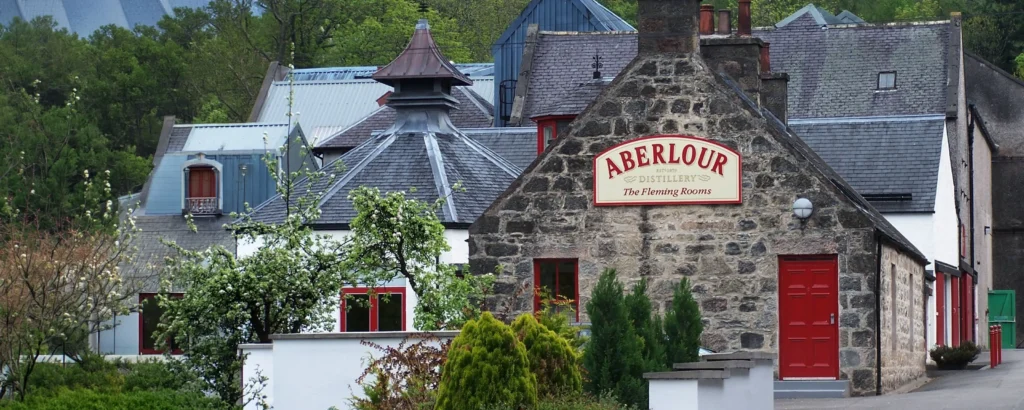
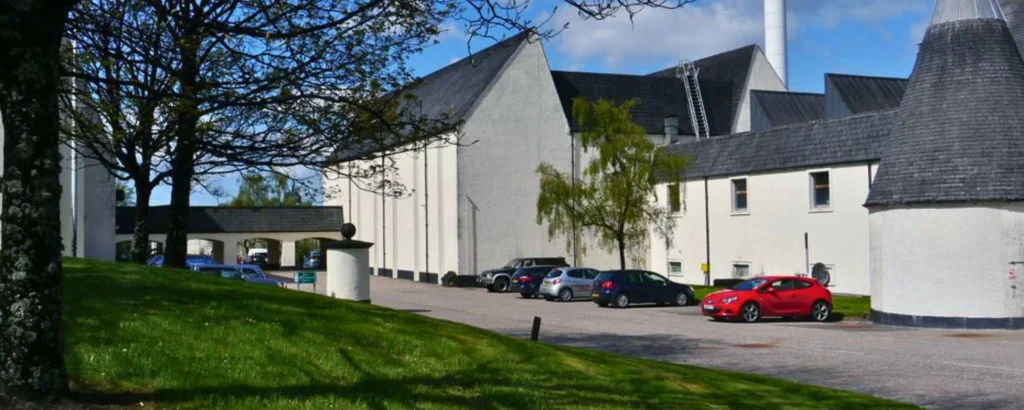
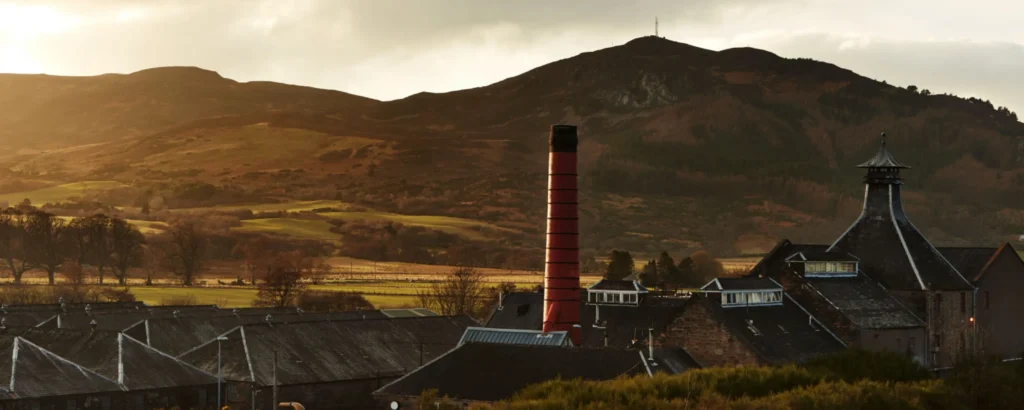
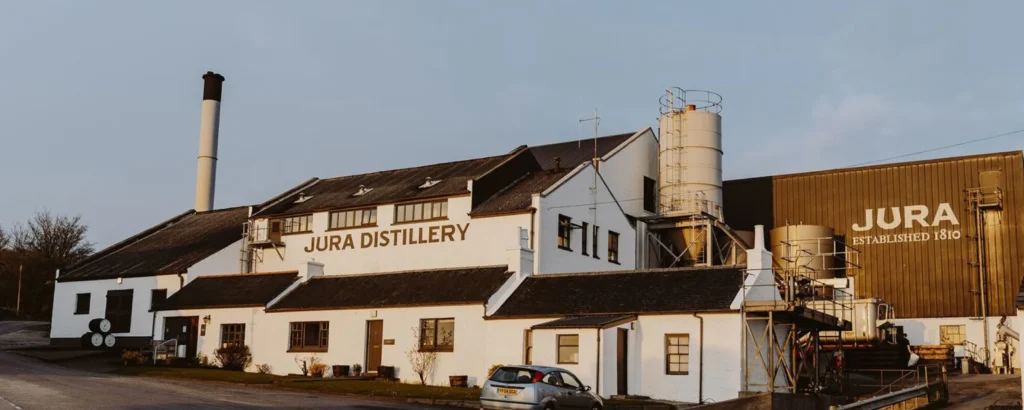
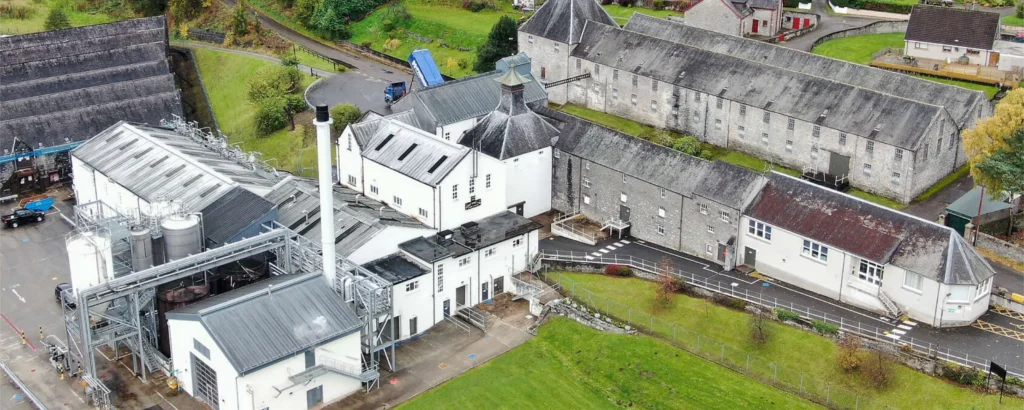
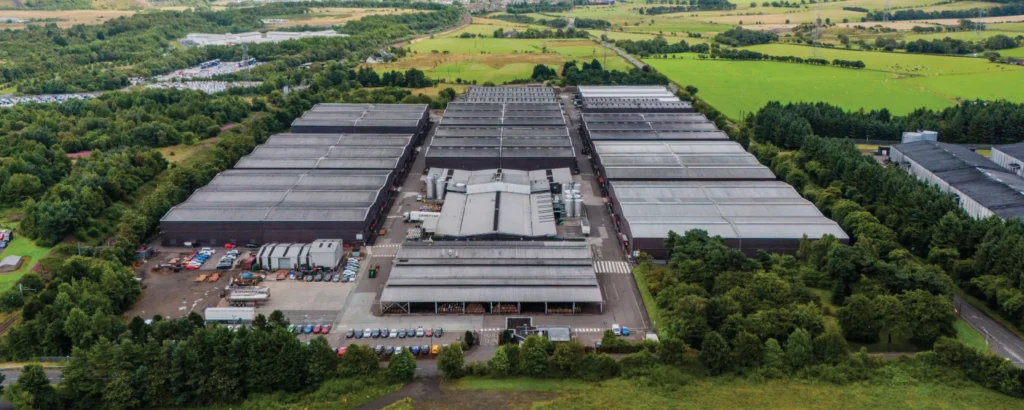
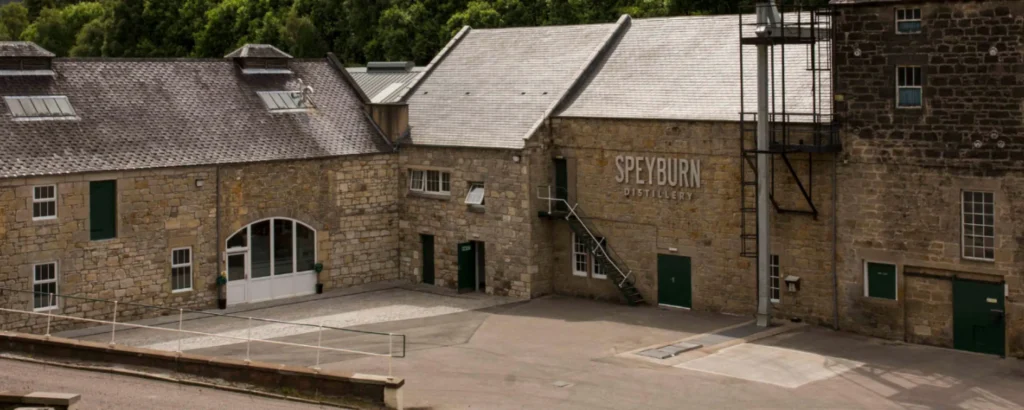
Jura occupies an unusual position within Scotch whisky. Produced on a remote Hebridean island with a population of around 200 people, it combines the provenance and character associated with island whisky with the scale and consumer recognition of an established international single malt brand.
For investors, this creates an interesting proposition. A Jura cask investment provides exposure to a recognised Scotch whisky name backed by Whyte & Mackay, with an established range spanning accessible expressions, age-statement whiskies and limited releases.
For those looking to invest in Jura whisky, the distillery's brand recognition is particularly relevant. Jura has developed from a whisky historically used within blends into a prominent single malt, giving mature stock potential relevance to both the established brand category and the wider independent whisky market.
From Island Distillery to Established Single Malt
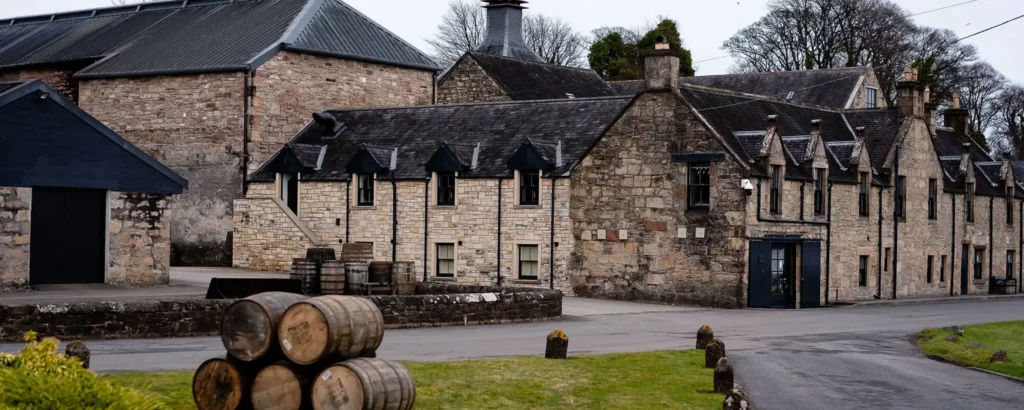
Whisky production on Jura dates back to 1810, when Archibald Campbell founded the original distillery in Craighouse under the name Small Isles. After operating for much of the 19th century, it closed in 1901 and remained silent for more than six decades.
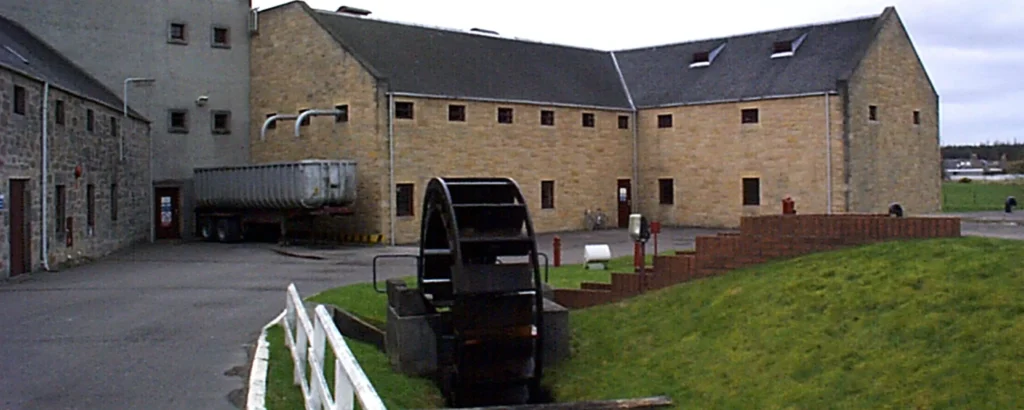
Its revival came through local landowners Tony Riley-Smith and Robin Fletcher, who saw the distillery as an important way to support employment and the island community. Much of the original site had fallen into disrepair, so renowned distillery architect William Delmé-Evans was commissioned to design a new facility. Production resumed in 1963.
Whyte & Mackay acquired Jura in 1993 and remains its owner today, with the company forming part of Emperador Inc. since 2014. Under Whyte & Mackay's ownership, Jura has grown substantially as a single malt brand and developed a significant presence in the UK and international markets.
This established market position provides important context when evaluating a Jura cask investment today.
A Whisky Shaped by its Island Home
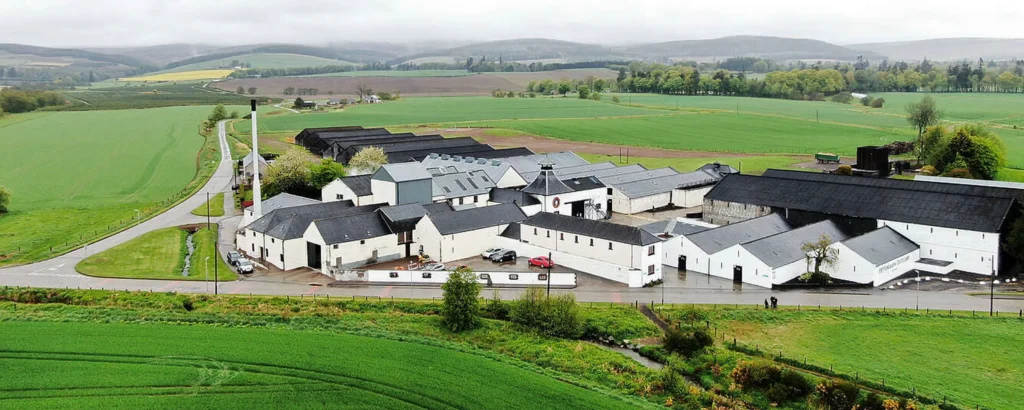
Jura's identity is closely connected to its remote location. Despite sitting relatively close to the Scottish mainland, reaching the island requires travelling via neighbouring Islay. Barley, casks, equipment and other supplies must all make the journey to the distillery.
The spirit itself is typically medium-bodied and malty, with a gentle maritime character. Jura traditionally produces unpeated spirit but also distils peated whisky for limited periods. These styles can be brought together to create the subtle smoke associated with many Jura bottlings, rather than the more powerful peat character found in numerous Islay malts.
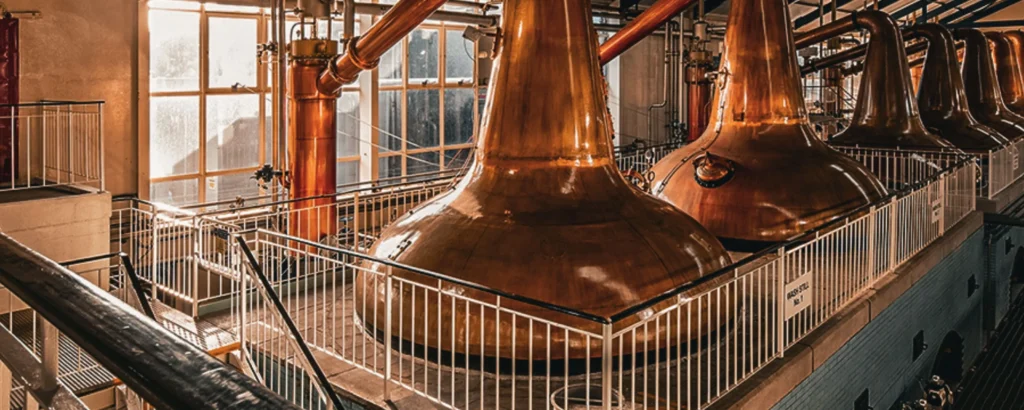
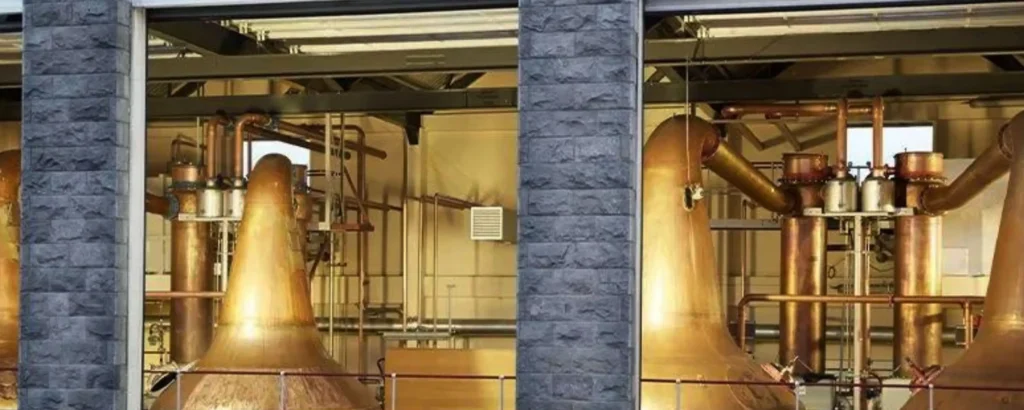
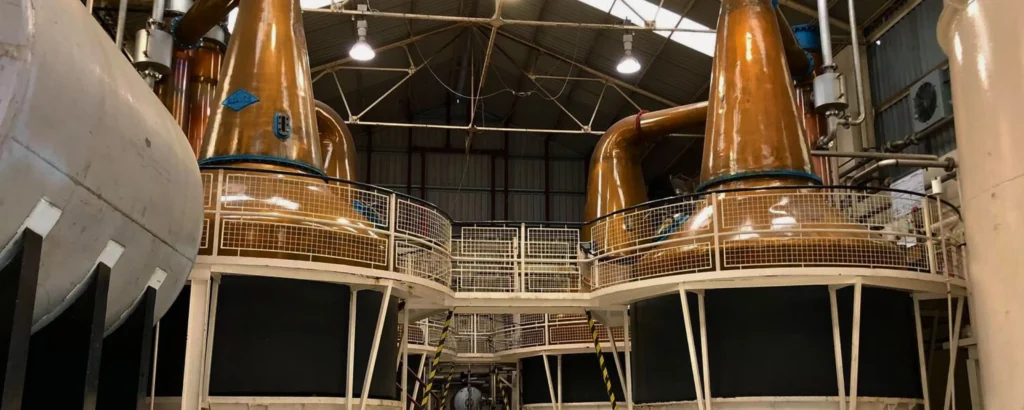
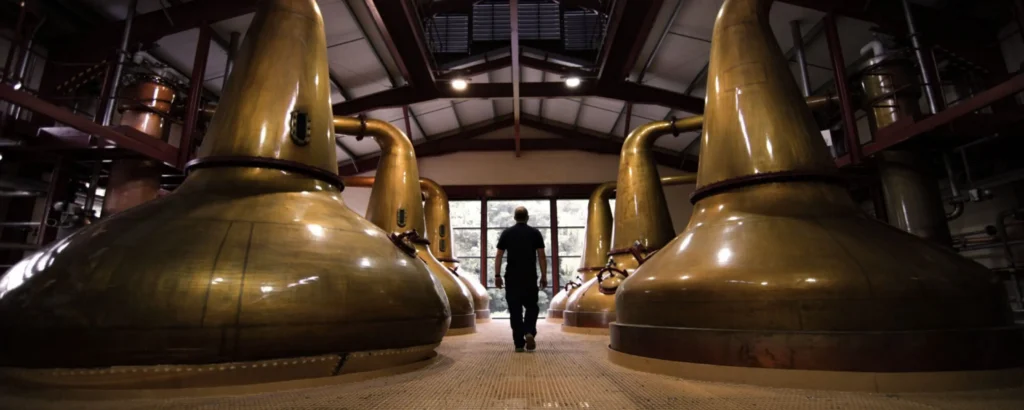
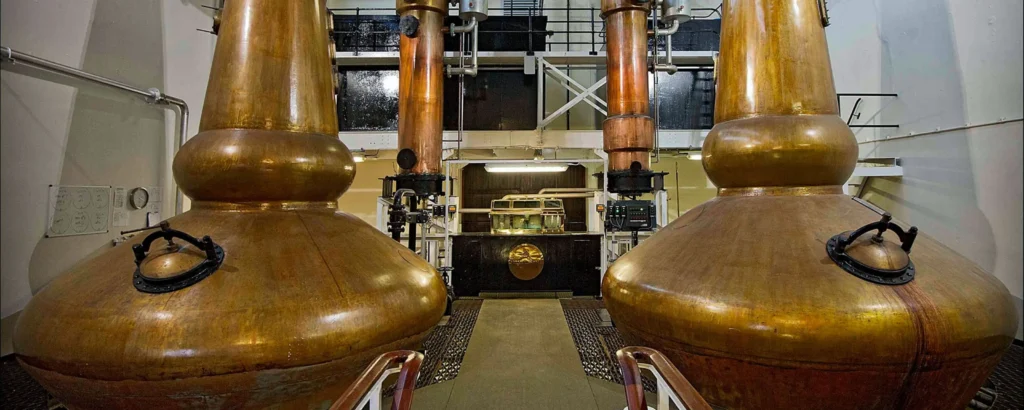
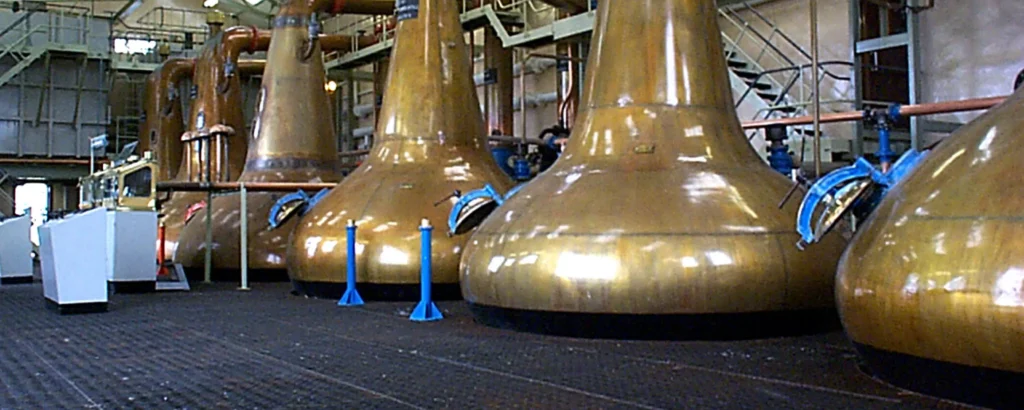
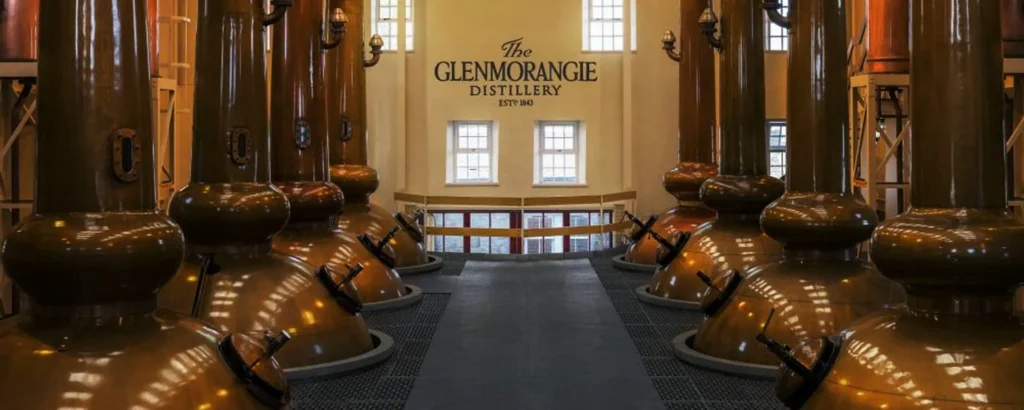
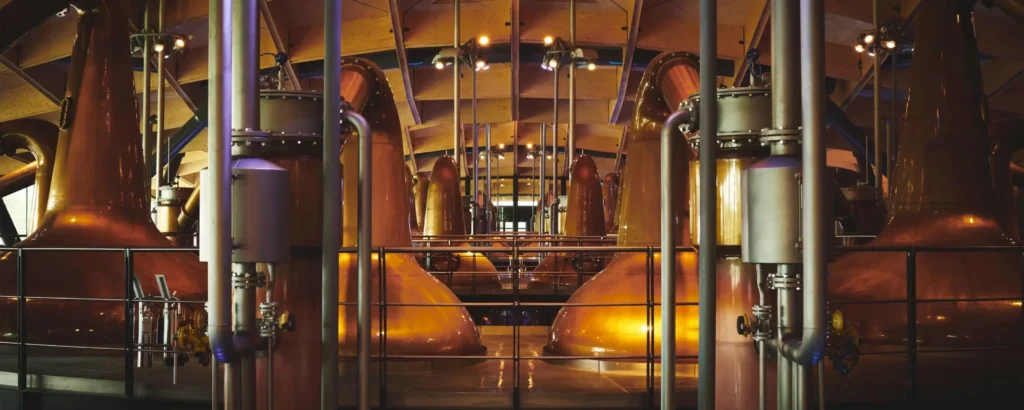
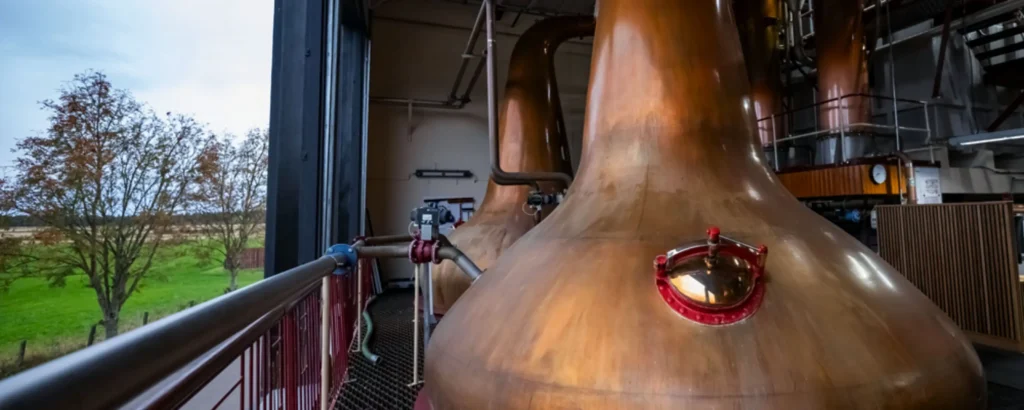
The distillery has four notably tall copper pot stills, among the tallest in Scotland, and an annual production capacity of approximately 2.4 million litres.
Jura's spirit can also work across different maturation styles. Its range has incorporated ex-bourbon, sherry and various wine and oak casks, demonstrating the versatility of the underlying spirit. For those seeking to invest in Jura whisky, this creates scope to consider individual casks with different maturation profiles rather than viewing Jura as a single uniform proposition.
Why Investors Consider Jura Casks
Brand recognition is one of the more compelling aspects of a Jura cask investment. While many Scotch distilleries are familiar primarily to dedicated whisky enthusiasts, Jura has established a substantial consumer presence and an extensive single malt portfolio.
Its range includes younger expressions alongside mature age-statement whiskies, limited editions and specialist releases. This matters from an investment perspective because there is already a recognised market for Jura whisky across different ages and styles.
Age can become particularly important as a cask matures. Stocks from an individual vintage naturally diminish over time as whisky is bottled or used elsewhere. Older casks therefore represent an increasingly limited pool of spirit, although rarity alone does not guarantee investment performance.
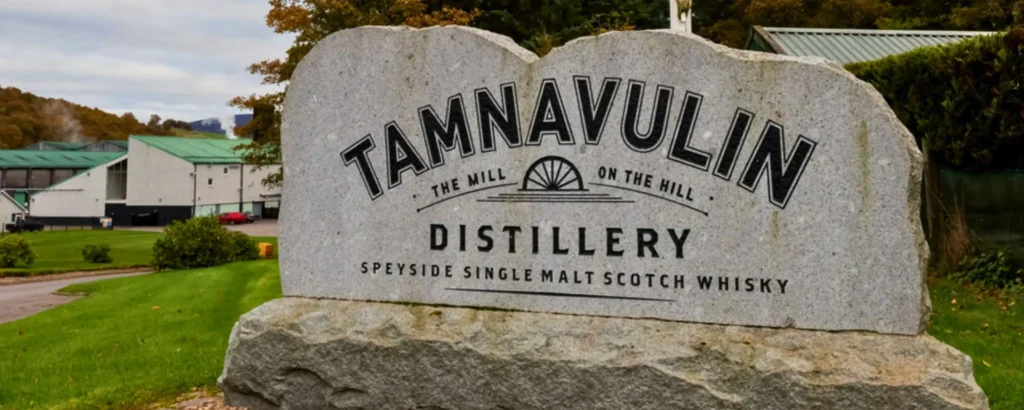
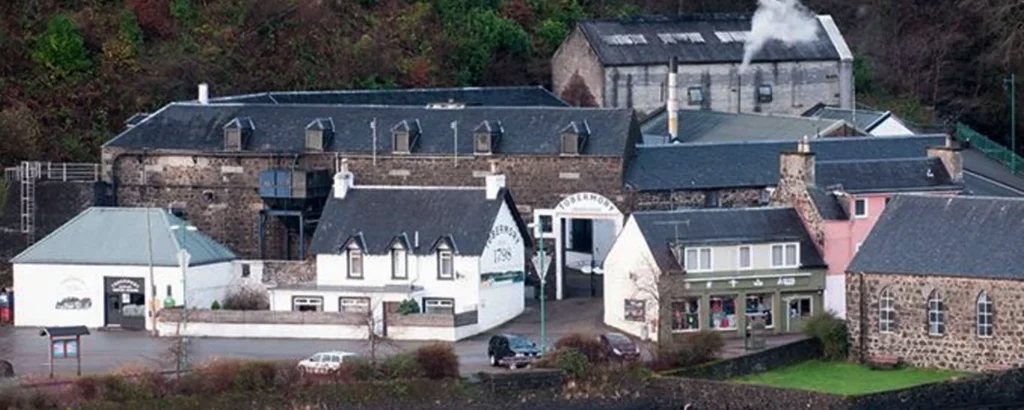
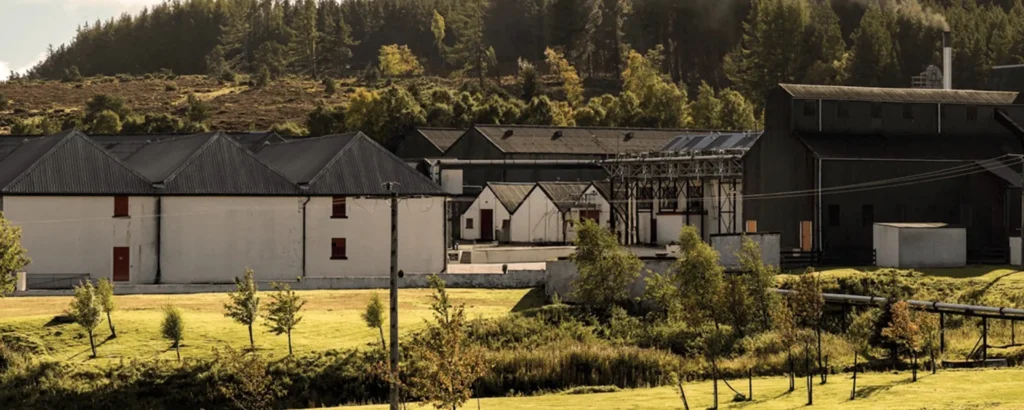
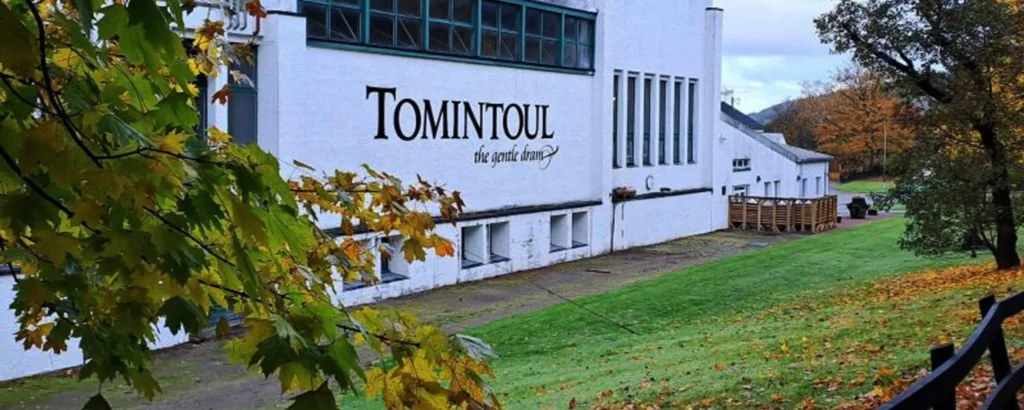
The distillery's ownership provides further context. Whyte & Mackay has considerable experience in developing premium Scotch whisky brands, with Jura forming part of a wider portfolio that includes The Dalmore, Fettercairn and Tamnavulin.
Jura Cask Investment as a Long-Term Strategy
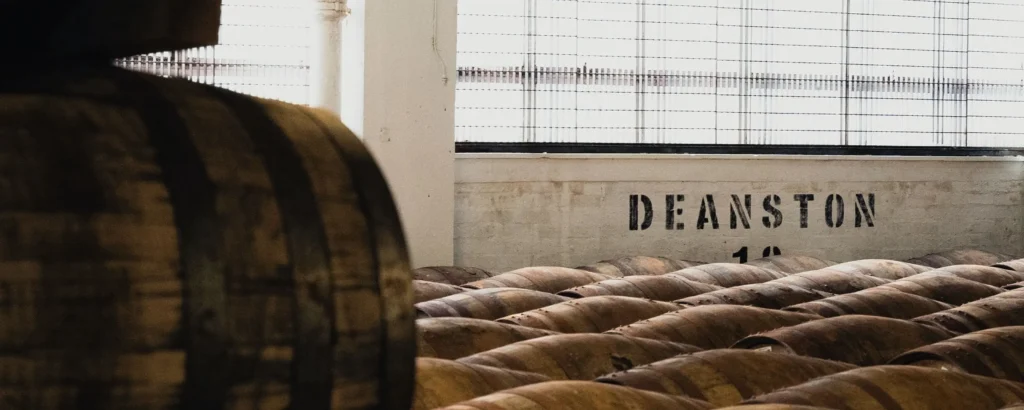
A Jura cask investment should ultimately be assessed at individual cask level. Distillery reputation is important, but cask type, age, alcohol strength, volume, provenance, purchase price and maturation conditions can all influence the future prospects of an investment.
Potential exit routes may include selling the cask to another buyer or, where appropriate, exploring bottling opportunities. Jura's established consumer recognition and history of mature releases provide useful context when considering these possibilities.
For investors who invest in Jura whisky, the attraction lies in combining an established single malt brand with distinctive island provenance and the potential scarcity created as individual stocks mature.
As with any whisky cask investment, there are no guaranteed returns. Careful cask selection, appropriate pricing and a realistic long-term strategy remain fundamental.
To learn more about available Jura cask investment and whether they could complement your whisky portfolio, get in touch with The 1901 Group team.