Few distilleries in Scotland offer quite the same variety as Loch Lomond. Located in Alexandria, near the southern shores of its famous namesake loch, the distillery produces both single malt and single grain Scotch whisky using an unusual combination of traditional and modern distillation equipment.
Its ability to create everything from delicate, fruity malts to richer, heavily peated spirits makes Loch Lomond whisky investment an interesting proposition for those exploring the diversity of Highland whisky casks.
A Brief History of Loch Lomond Distillery
The modern Loch Lomond Distillery was established in 1965, although the name has historical connections to an earlier distillery operating in the nineteenth century.
Production began in 1966, initially focusing on malt whisky. Over subsequent decades, the site expanded its capabilities, introducing grain whisky production and developing an increasingly varied range of spirit styles.
Following several changes in ownership, the distillery became part of Loch Lomond Group.
Today, Loch Lomond is recognised for its unconventional approach to whisky making, combining large-scale production with considerable flexibility in spirit character, making it a unique proposal for whisky cask investment.
What Makes Loch Lomond Whisky Different?
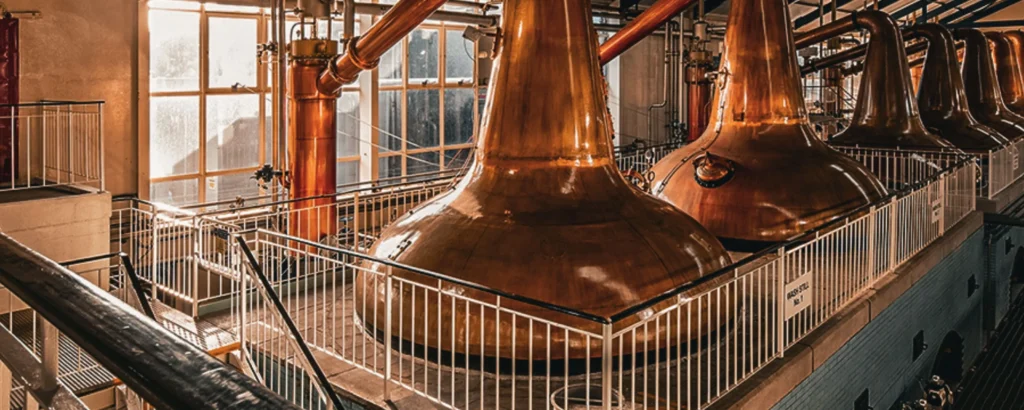
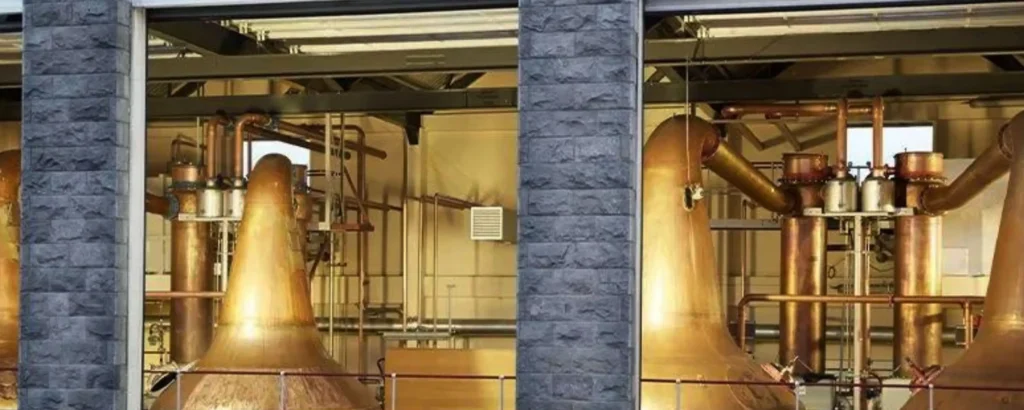
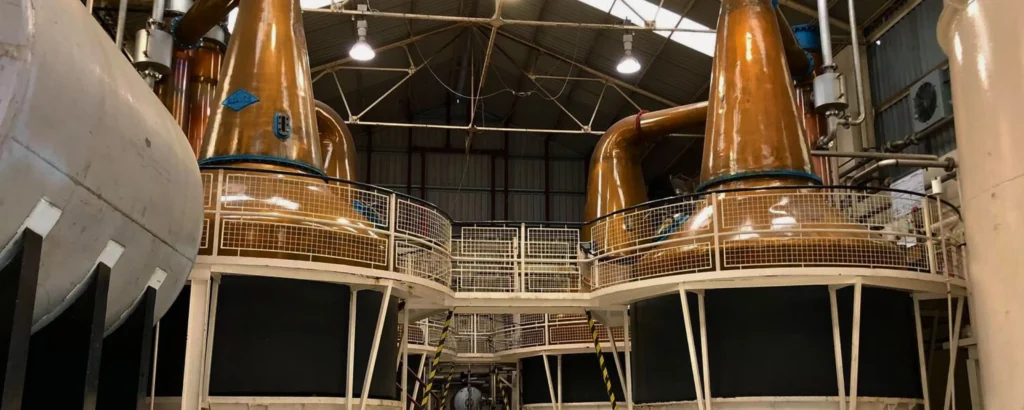
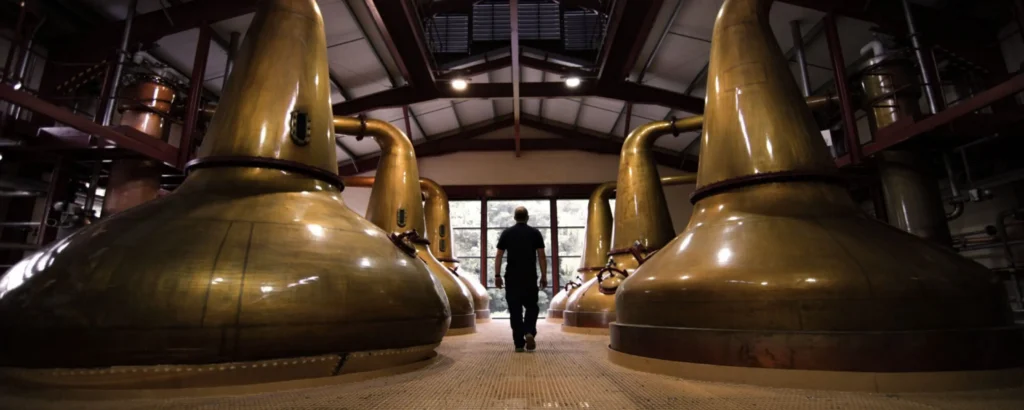
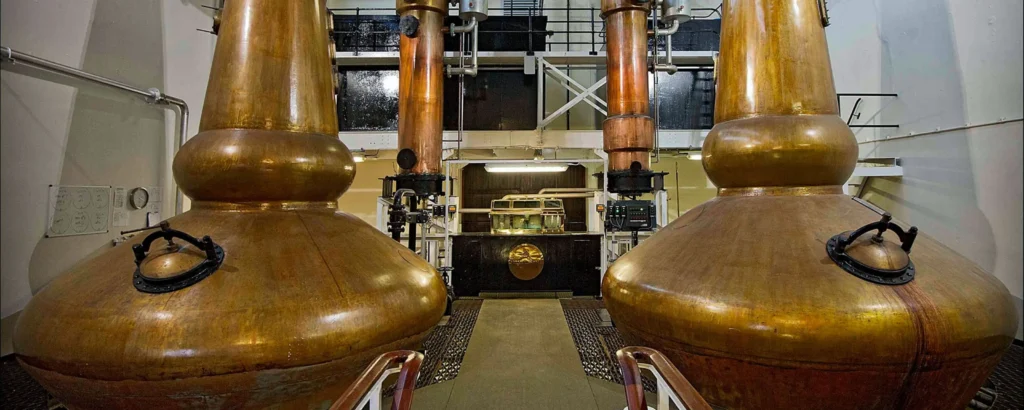
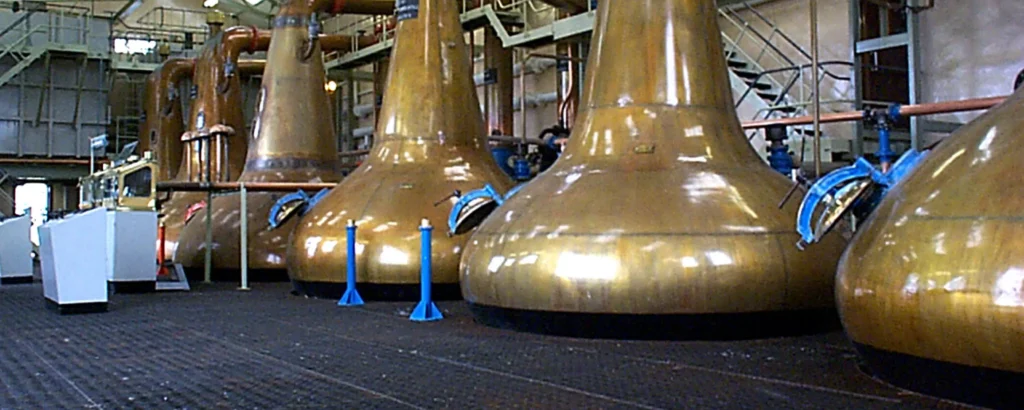
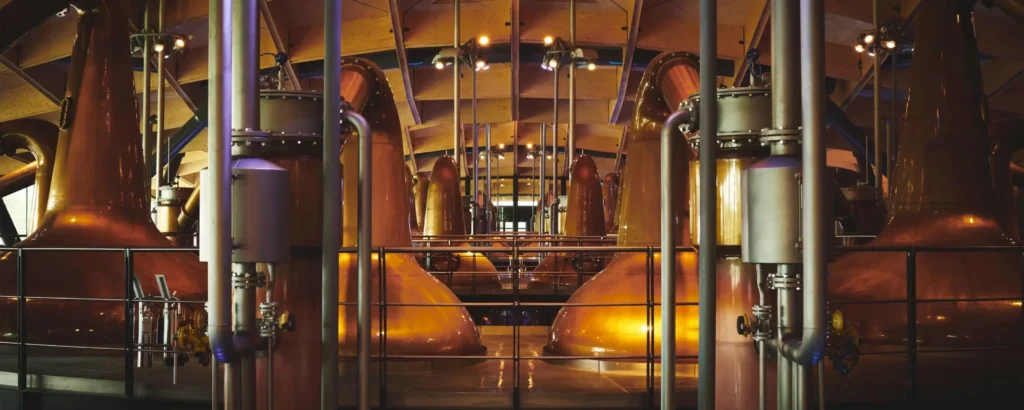
Most Scottish malt distilleries rely on traditional swan-neck copper pot stills. Loch Lomond takes a different approach. Alongside conventional pot stills, it operates distinctive straight-neck pot stills fitted with rectifying plates, allowing distillers greater control over the spirit's character.
By adjusting how the spirit moves through these stills, Loch Lomond can produce lighter, fruitier whisky or a richer, more full-bodied style.
The distillery also produces both peated and unpeated malt whisky, alongside grain whisky made using continuous distillation. This flexibility means that two casks bearing the Loch Lomond name may contain remarkably different spirits.
For those researching Loch Lomond whisky investment, understanding the original spirit style is just as important as knowing the age or type of cask.
Loch Lomond's In-House Cooperage and Cask Management
One of Loch Lomond's distinguishing features is its in-house cooperage, where a dedicated team maintains, repairs and rejuvenates thousands of oak casks each year. With the capacity to handle approximately 40,000 to 60,000 casks annually, the distillery has considerable control over an important aspect of whisky maturation.
This expertise matters because the condition and quality of a cask can significantly influence how whisky develops over time. Oak gradually loses some of its ability to contribute flavour through repeated use, but techniques such as scraping and re-charring can restore some of its influence, helping the distillery manage its maturing stock.
For those exploring Loch Lomond whisky investment, this highlights an important consideration: not all casks offer the same maturation potential. Understanding a cask's history, previous fills and condition is therefore essential when assessing its potential for further maturation. Buyers looking to invest in Loch Lomond whisky casks should also consider how the interaction between spirit and oak may influence the whisky's eventual appeal to independent bottlers and other prospective buyers.
Loch Lomond's cooperage demonstrates the importance of active cask management, but the value of any privately owned cask ultimately depends on its individual quality, provenance and market demand.
Why Loch Lomond Whisky Investment Deserves Attention
Loch Lomond's greatest strength is arguably its versatility. Its different still types allow the distillery to produce a wide range of whisky styles, each with distinct maturation characteristics. This creates opportunities for independent bottlers seeking particular flavour profiles, from delicate Highland malts to more robust or smoky expressions.
The distillery also has an established presence in the blending industry, supplying whisky for the group's own blended Scotch brands.
However, large production capacity and a varied portfolio do not automatically translate into demand for privately owned casks. For Loch Lomond whisky investment, buyers need to look beyond the distillery name and understand precisely what they are purchasing. A well-matured cask with a distinctive character may appeal to a different audience from younger stock intended primarily for blending.
Understanding Loch Lomond Cask Ownership
One of the first questions prospective buyers should ask is whether a cask contains single malt or single grain whisky. Although both can originate from Loch Lomond Distillery, they are different Scotch whisky categories, with different production methods and potential markets. The spirit's peat level, distillation method and cask history can also influence its desirability.
Those planning to invest in Loch Lomond whisky casks should confirm the distillation year, cask number, warehouse location and documentary evidence of ownership.
Any restrictions on transferring or independently bottling the whisky should also be established before purchase. Potential exit routes include independent bottlers, whisky brokers and private buyers, although finding a suitable purchaser may take time.
What Should Loch Lomond Whisky Investors Consider Before Buying?
The variety of whisky produced at Loch Lomond makes accurate cask identification especially important. Buyers should examine the original spirit style, wood type, age, alcoholic strength and remaining volume. Sampling can reveal how the whisky has developed and whether further maturation is likely to improve its character.
Evaporation, storage costs, insurance and selling expenses should also be considered when calculating the potential financial outcome.
For anyone investing in Loch Lomond whisky casks, understanding these practical details is essential.
A whisky investment is an unregulated asset purchase, and future values depend on market demand, individual cask quality and the ability to find a buyer.
Is Loch Lomond Whisky a Good Investment?
Loch Lomond stands apart from many Scottish distilleries through its unusual still configuration, production flexibility and ability to create several distinct whisky styles.
Its combination of traditional craftsmanship and innovative distillation provides an interesting foundation for exploring Highland cask ownership.
Nevertheless, Loch Lomond whisky investment should be approached with careful consideration of the individual cask, its provenance and realistic resale opportunities. Returns are never guaranteed, and capital can be lost.
Speak to The 1901 Group team to learn more about Loch Lomond whisky investment and discuss the considerations involved in long-term whisky ownership.