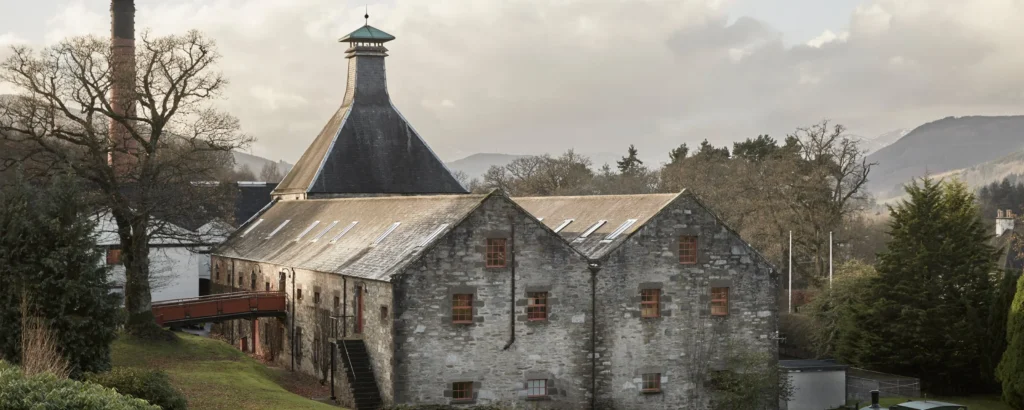
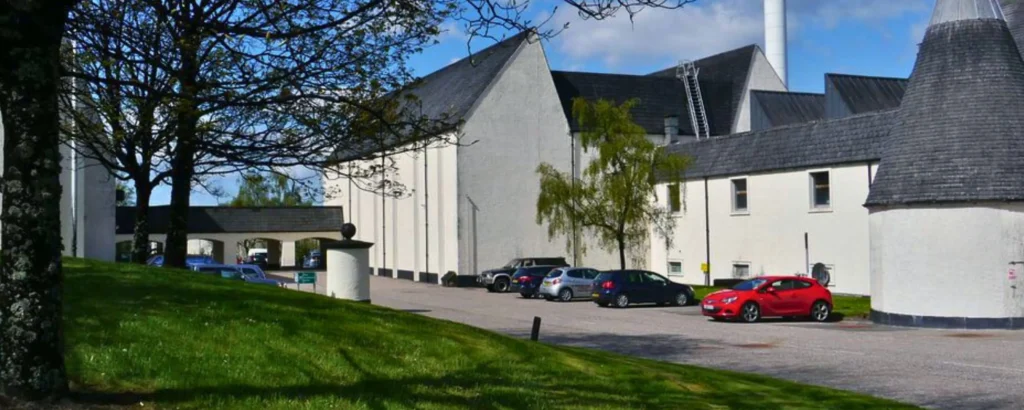
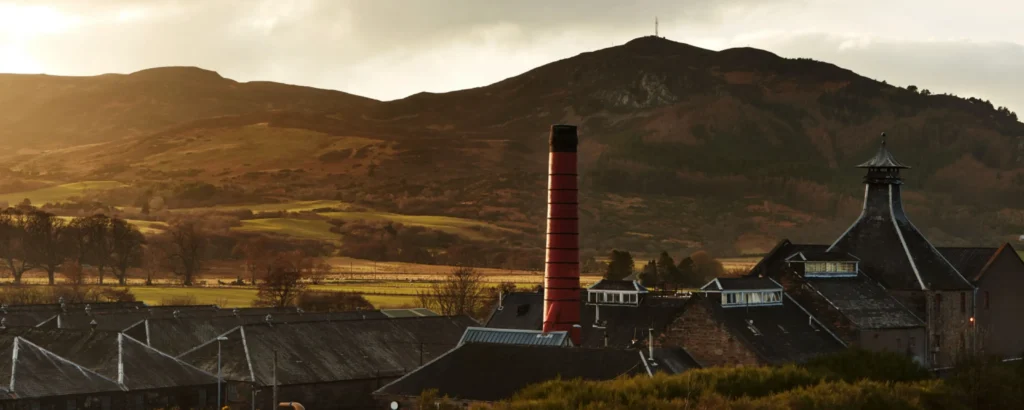
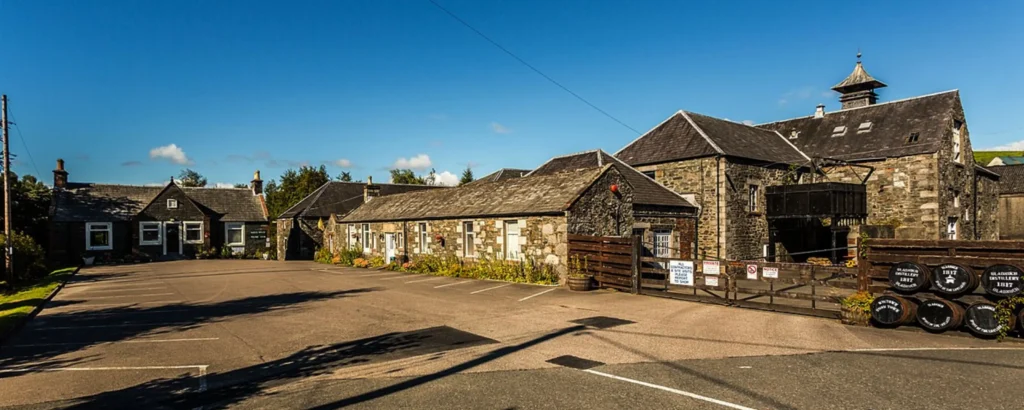
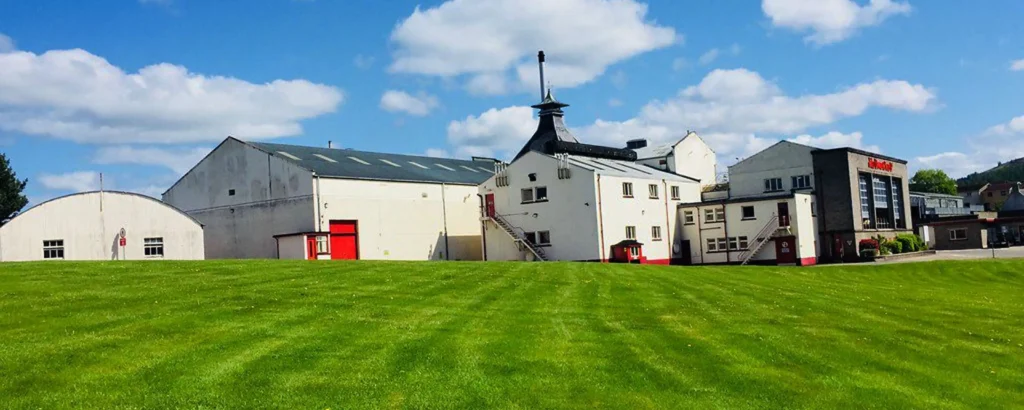
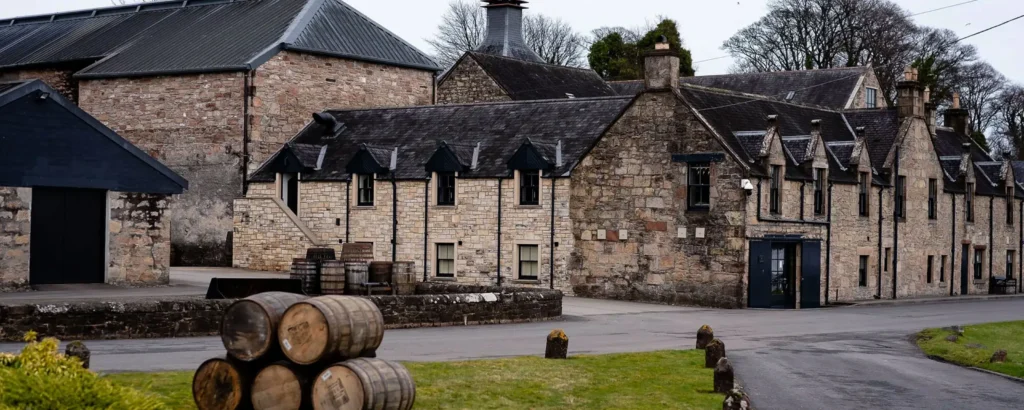
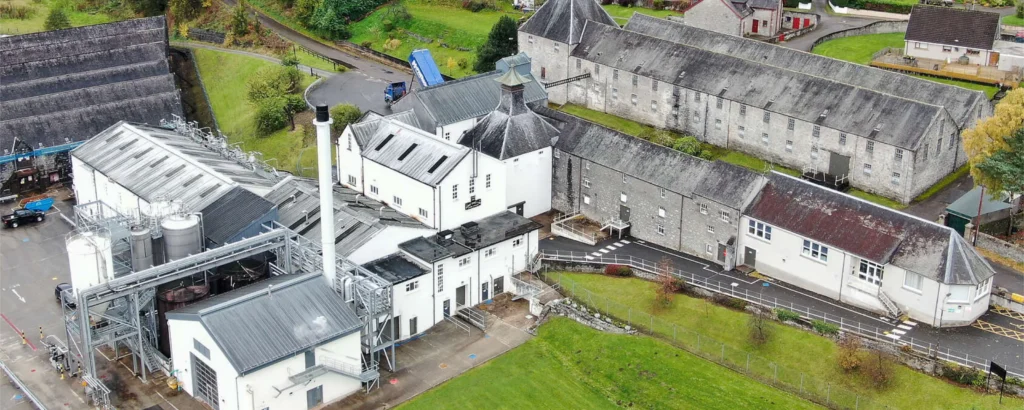
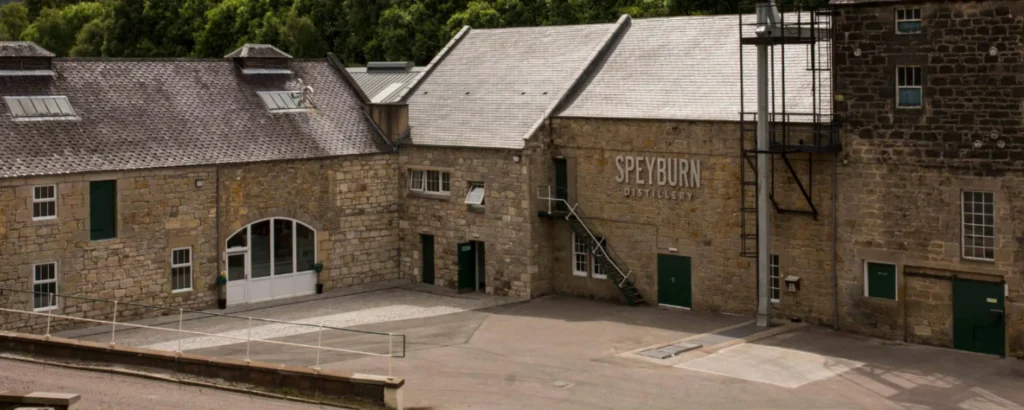
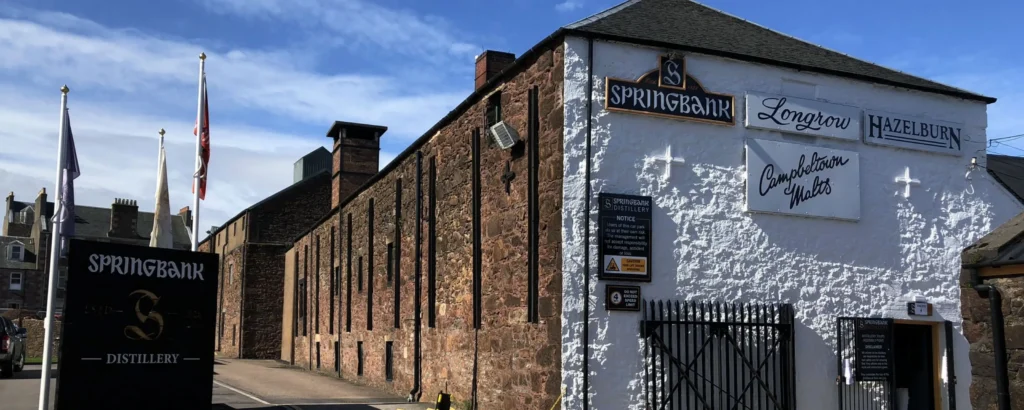
Few Scottish distilleries inspire the same loyalty among whisky enthusiasts as Springbank. Based in Campbeltown and owned by the Mitchell family for generations, it has built a reputation for traditional production methods, distinctive whisky and highly sought-after bottlings.
Springbank's appeal extends beyond its history. Limited releases, strong collector interest and its commitment to producing whisky almost entirely on site have made it one of Scotland's most closely followed independent distilleries.
For those looking to invest in Springbank whisky casks, however, understanding the difference between collecting rare bottles and owning maturing whisky is essential.
A Brief History of Springbank Distillery
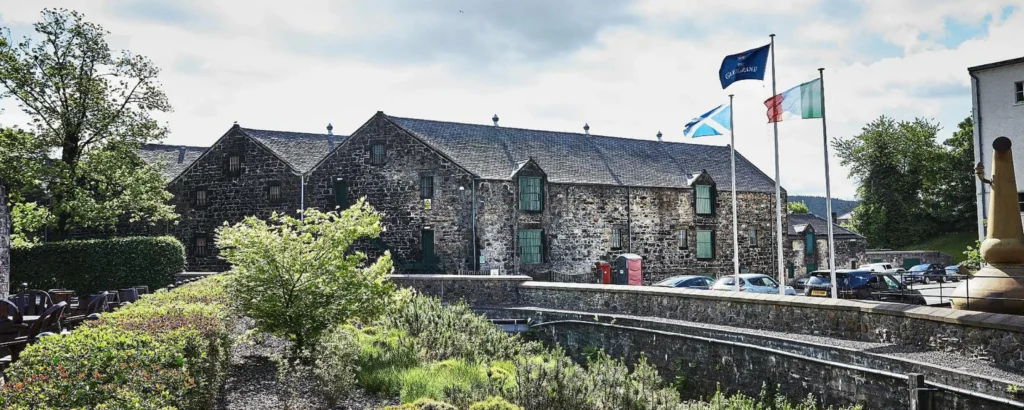
Springbank was founded in 1828 by the Reid family in Campbeltown, once one of Scotland's most important whisky-producing towns. The Mitchell family acquired the distillery in 1837, and it remains under their ownership through J&A Mitchell & Co.
During the 19th century, Campbeltown was home to more than 30 distilleries. By the mid-20th century, changing tastes, economic pressures and industry consolidation had reduced that number dramatically.
Springbank survived periods of difficult trading, including an extended production shutdown during the 1980s, and helped preserve Campbeltown's whisky-making heritage.
Today, its continued independence and traditional approach distinguish it from many larger Scotch whisky producers.
Why Does Springbank Whisky Investment Attract Collectors?
Springbank has developed an unusually dedicated following. Its core expressions, particularly the 10-, 15- and 18-year-olds, are well regarded, while older releases and limited editions can attract considerable attention in the secondary bottle market.
Part of this interest comes from production scale. Springbank operates on a much smaller scale than Scotland's largest distilleries, and demand for certain releases can exceed the number of bottles available.
Its independent ownership also gives the distillery considerable control over production, maturation and releases.
These characteristics have helped establish Springbank's reputation among collectors. However, a Springbank whisky investment involving an entire cask operates differently from buying an established collectible bottle.
Bottle auction prices do not directly determine cask values, and any cask investment assessment must consider the specific asset, ownership arrangements and potential buyers.
Traditional Production and the Springbank Character
Springbank is unusual because so much of the whisky-making process takes place at the distillery itself.
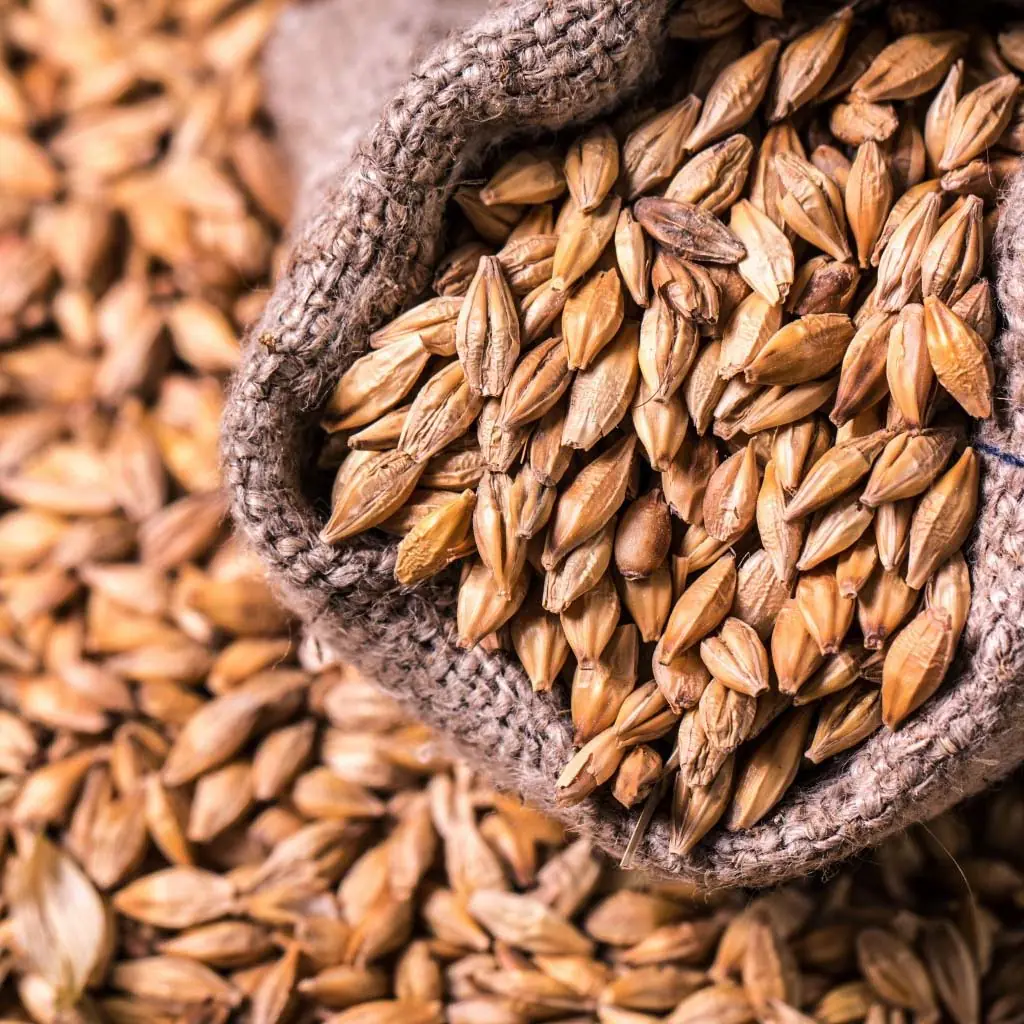
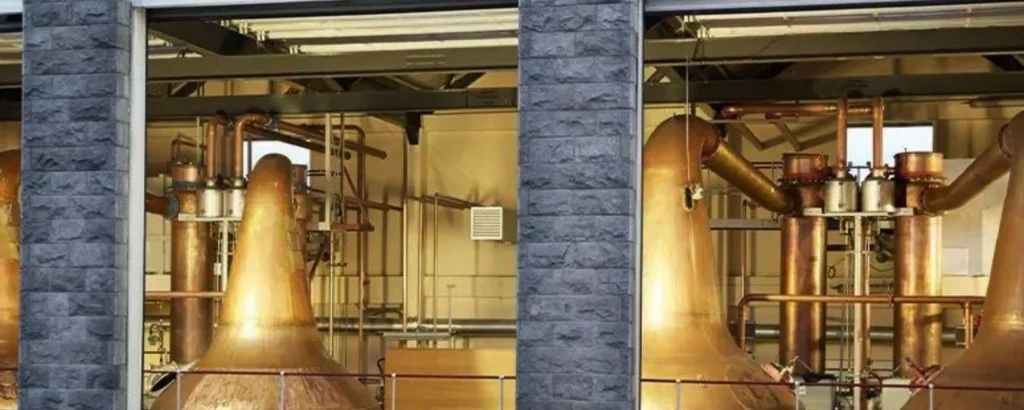
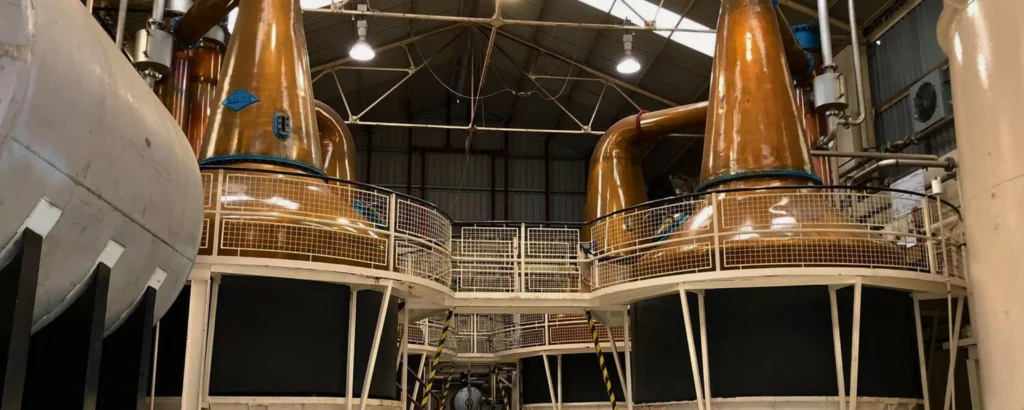
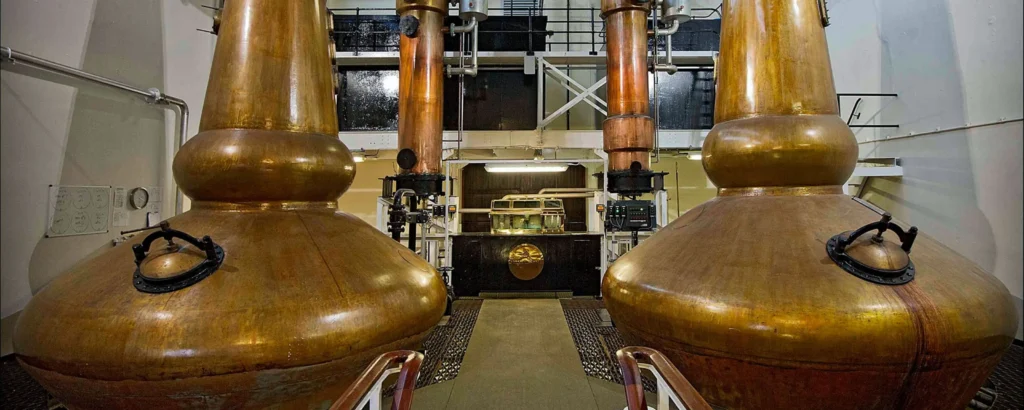
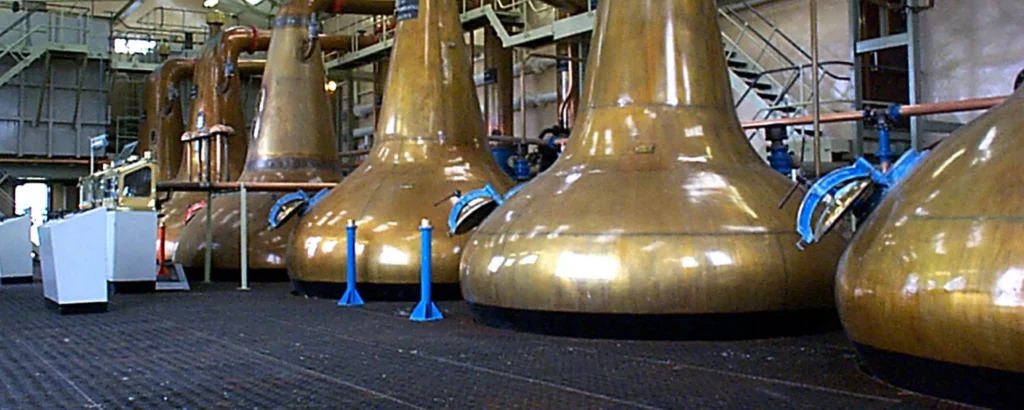
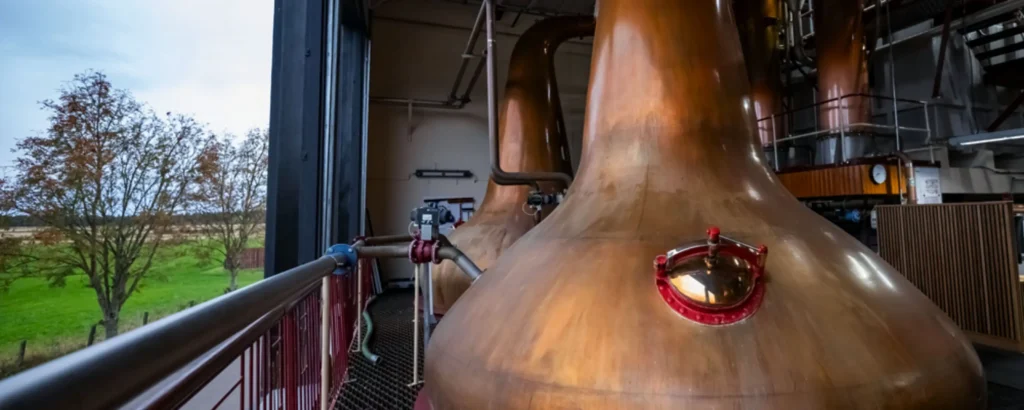
Barley is malted on traditional malting floors, while distillation, maturation and bottling are also handled on site. This hands-on approach is increasingly uncommon in an industry where many producers rely on specialist facilities for different stages of production.
Springbank's signature spirit is lightly peated and distilled two-and-a-half times, producing a distinctive combination of coastal salinity, gentle smoke, fruit and oily texture.
The distillery also produces two other styles:
- Longrow: Heavily peated and double distilled, delivering a more pronounced smoky character.
- Hazelburn: Unpeated and triple distilled, resulting in a lighter, fruitier style.
These differences matter when evaluating casks. Although all three originate from the same distillery, their production methods and flavour profiles are distinct.
Anyone considering whether to invest in Springbank whisky casks should establish precisely which spirit the cask contains.
How Rare Are Springbank Whisky Casks?
Springbank's limited production and strong collector following naturally raise questions about cask availability.
Springbank is not generally associated with a widely accessible private cask investment programme. Consequently, genuine casks offered on the secondary market require particularly careful examination.
Buyers should verify the cask's provenance, ownership documentation, warehouse records and any restrictions on transfer, bottling or use of the distillery name.
These considerations are especially important where a cask is marketed at a substantial premium based on Springbank's reputation.
A Springbank whisky investment should never rely on scarcity claims without supporting evidence.
What Determines the Value of a Springbank Cask?
As with other Scotch whisky casks, age, vintage, wood type and remaining volume all contribute to an individual cask's characteristics and potential value.
Springbank has used bourbon, sherry and other cask types across its releases. Different maturation histories can produce markedly different results, even when the spirit originates from the same distillation period.
Investors must also account for the Angel's Share, changes in alcohol strength, storage charges, insurance and eventual bottling or selling costs.
The potential exit route deserves particular attention. A valuable bottle collection does not necessarily indicate a liquid market for privately owned casks.
Before deciding to invest in Springbank whisky, buyers should understand how the asset could realistically be sold and what restrictions might apply.
Is Springbank Whisky a Good Investment?
Springbank's reputation is built on genuine points of distinction: longstanding family ownership, traditional production, three different spirit styles and considerable enthusiasm among whisky collectors.
These qualities make it an important name within the wider Scotch whisky market.
Nevertheless, a Springbank whisky investment carries risks, particularly around cask availability, provenance, pricing and resale. Strong demand for bottled whisky cannot guarantee returns from cask ownership.
Speak to The 1901 Group team to discuss Springbank's position within the whisky market and explore suitable cask investment opportunities for your portfolio.