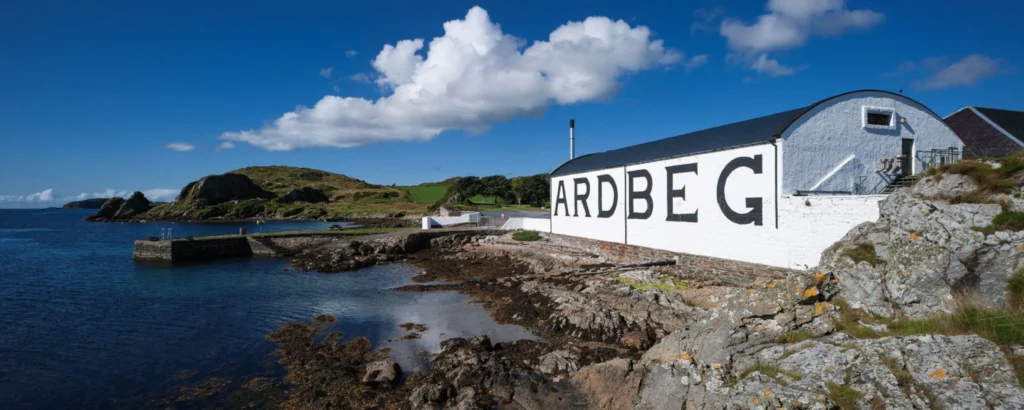
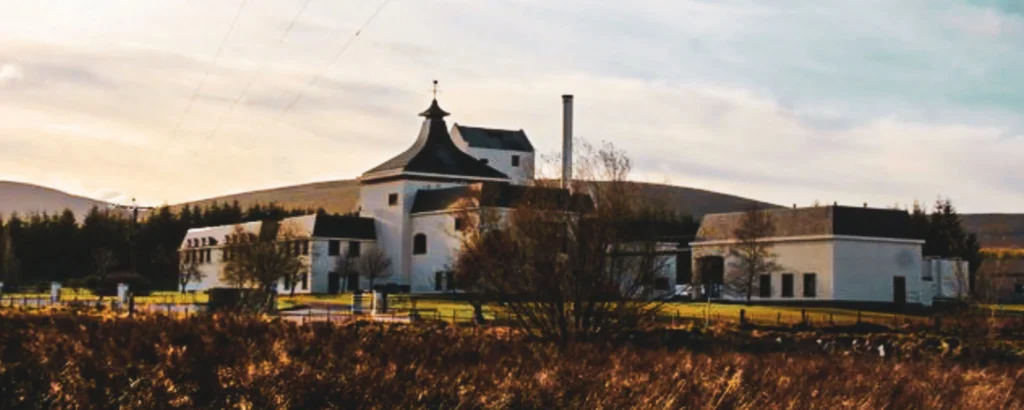
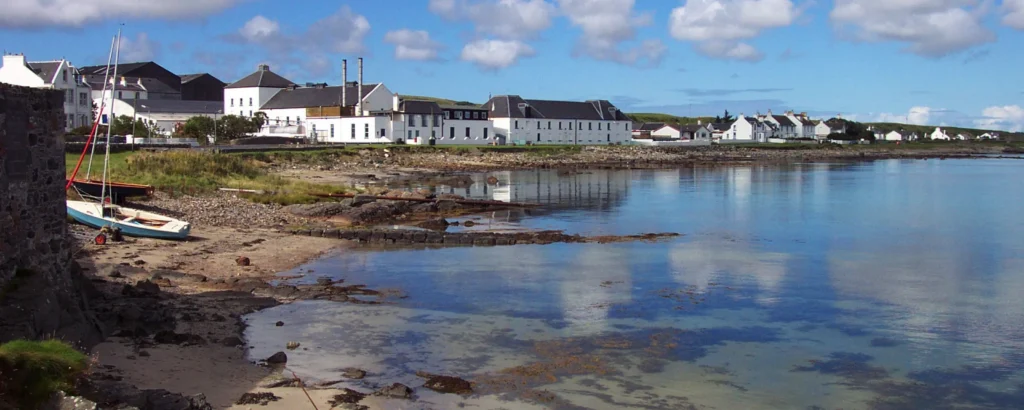
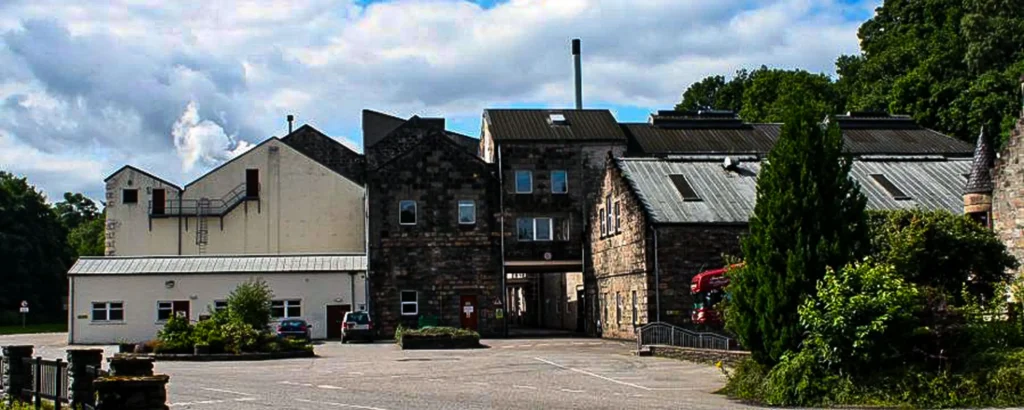
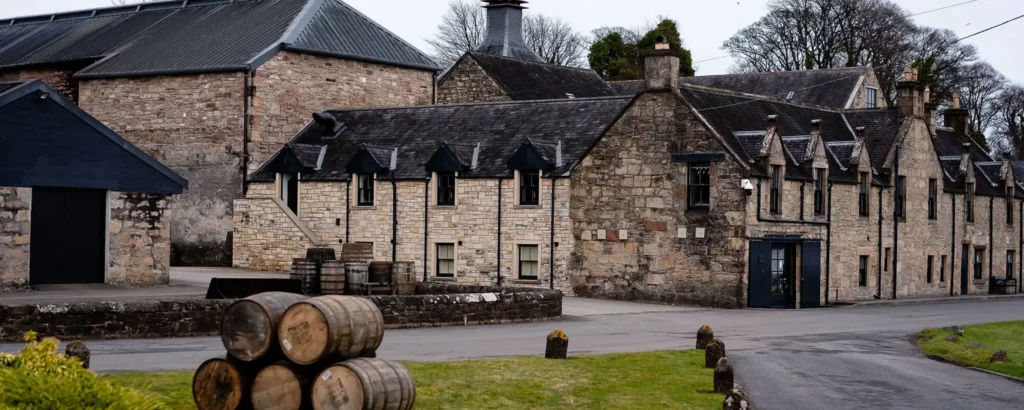
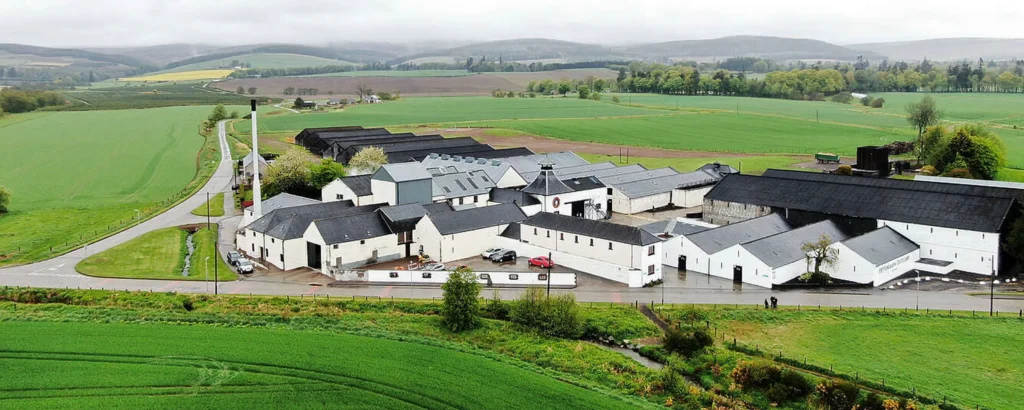
Few distilleries have inspired the same devotion as Ardbeg. Situated on the southern coast of Islay, it is famous for intensely peated whisky that combines powerful smoke with unexpected citrus, sweetness and complexity.
Ardbeg's remarkable comeback, international following and distinctive approach to maturation have helped establish its reputation, making Ardbeg whisky investment an interesting prospect for those exploring cask ownership.
Ardbeg Distillery: From Near Closure to Islay Icon
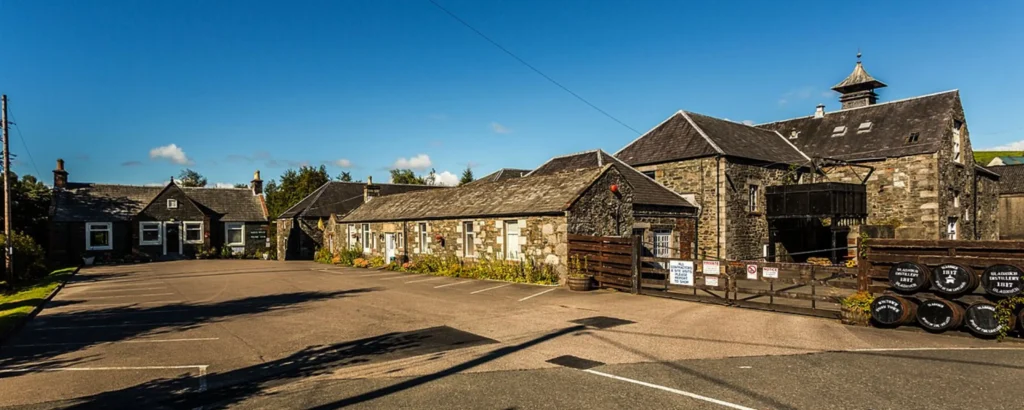
The current Ardbeg distillery was officially established in 1815 by John MacDougall, although whisky production in the surrounding area dates back further.
Located near Port Ellen, the distillery became known for producing heavily peated malt whisky, much of which was historically destined for blends.
After a long, successful production period, its fortunes changed during the twentieth century. Falling demand and industry restructuring led to a prolonged closure beginning in 1981, followed by limited production during the early 1990s.
In 1997, Glenmorangie plc acquired the distillery and began restoring its production facilities and reputation. Ardbeg subsequently became part of Moët Hennessy, bringing the distillery into a global luxury drinks portfolio. The revival transformed a once-threatened distillery into one of Islay's most recognisable names.
Why Does Ardbeg Whisky Investment Attract Attention?
Ardbeg has developed an unusually enthusiastic following, particularly among drinkers who appreciate heavily peated Scotch whisky.
Furthermore, the Ardbeg Committee, established in 2000, has helped build a dedicated international community around the distillery.
Its reputation also reflects the contrast between its powerful smoky character and the surprisingly delicate flavours beneath it.
For those looking to invest in Ardbeg whisky casks, this recognition may be appealing. However, enthusiasm for the brand does not automatically translate into demand for privately owned casks. An Ardbeg whisky investment depends on the availability, provenance and quality of the particular stock being offered.
What Makes Ardbeg Whisky Distinctive?
Ardbeg is known for producing one of Islay's most intensely peated styles of malt whisky. It's typically peated to around 50-55 parts per million, creating a spirit associated with bonfire smoke, medicinal notes, sea spray and earthy peat.
Yet Ardbeg is far from one-dimensional. Beneath the smoke are distinctive notes of lemon, lime, vanilla and sweetness, giving the whisky a character that can evolve considerably during maturation. The distillery's production methods help preserve this balance, allowing the underlying fruitiness to remain evident despite the powerful peat influence.
For Ardbeg whisky investors, understanding this combination of smoke and sweetness is useful when considering how different casks might shape the spirit over time.
How Does Ardbeg Whisky Develop in the Cask?
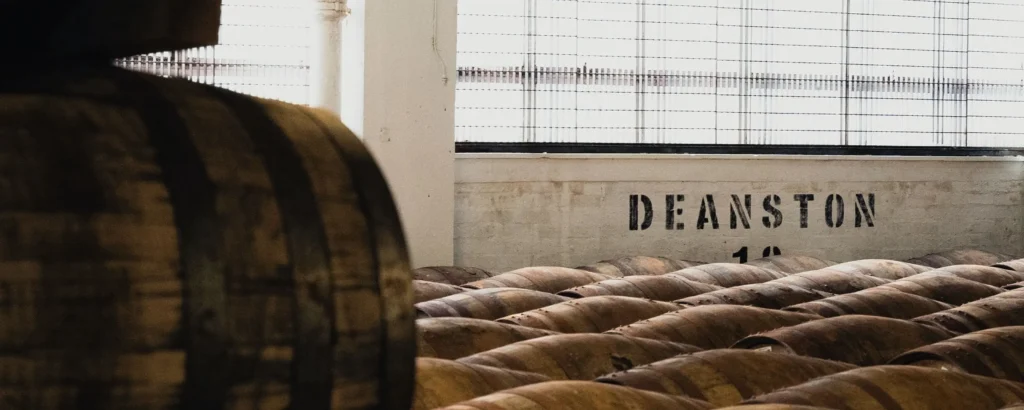
Ex-bourbon casks form an important part of Ardbeg's maturation programme, contributing vanilla, caramel and gentle oak sweetness that balance the distillery's intense peat smoke.
Sherry casks can introduce a richer influence, with dried fruit, chocolate and spice creating a contrast to the spirit's medicinal and smoky character.
Ardbeg has also experimented with different types of oak and maturation techniques. French oak has been used to introduce additional spice and structure, while selected releases have explored combinations of bourbon and Oloroso sherry casks. The distillery has even experimented with marrying whisky from different cask types, including bourbon and new French oak.
Anyone planning to invest in Ardbeg whisky casks should enquire whether the whisky has matured entirely in one type of wood or undergone further maturation in another cask.
Scarcity, Ownership and the Secondary Cask Market
Ardbeg's history of interrupted production means that stock from certain periods can be limited. Older casks originating from years of reduced output may attract interest because relatively little whisky was produced at the time. However, scarcity alone does not establish value. Condition, remaining volume and the quality of maturation still matter.
Ardbeg also retains significant control over its stock and brand, making privately available casks a different proposition from the distillery's own releases.
Before purchasing, investors should verify ownership, bonded warehouse records and any restrictions on using the Ardbeg name. These checks are essential when assessing an Ardbeg whisky investment through the secondary market.
What Should Investors Consider Before Investing in Ardbeg Whisky?
The age and distillation year of an Ardbeg cask can provide useful context, particularly given the distillery's production history.
However, the remaining volume, alcoholic strength and condition of the wood are equally important. Evaporation gradually reduces the quantity of whisky in a cask, and prolonged maturation does not always improve the spirit. Sampling and updated warehouse measurements can help assess its current condition and whether further ageing is worthwhile.
For those interested in investing in whisky casks, storage costs, insurance, potential bottling expenses and future buyer demand should also be factored into the purchase decision.
A clear exit strategy matters just as much as the distillery's reputation.
Is Ardbeg Whisky a Good Investment?
Ardbeg combines more than two centuries of history with a distinctive peated spirit and one of the most passionate followings in Scotch whisky. Its revival, international reputation and experimentation with maturation have established it as a prominent Islay distillery.
Nevertheless, Ardbeg whisky investment as any other investment carries risks. Strong brand recognition cannot guarantee profitable resale, and individual casks may perform very differently.
For anyone exploring a whisky cask investment, the priority should remain the quality, provenance and purchase price of the underlying asset.
Speak to The 1901 Group team to discuss available Ardbeg casks, considerations to take into account and their potential place within a wider whisky portfolio.