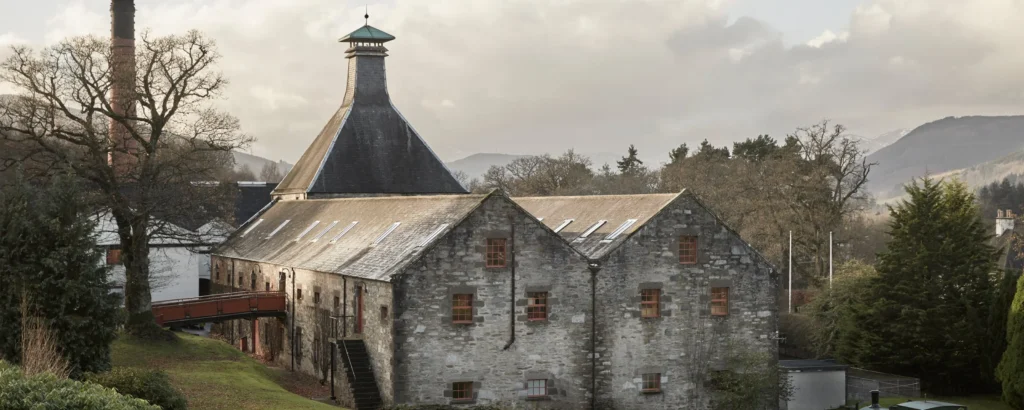
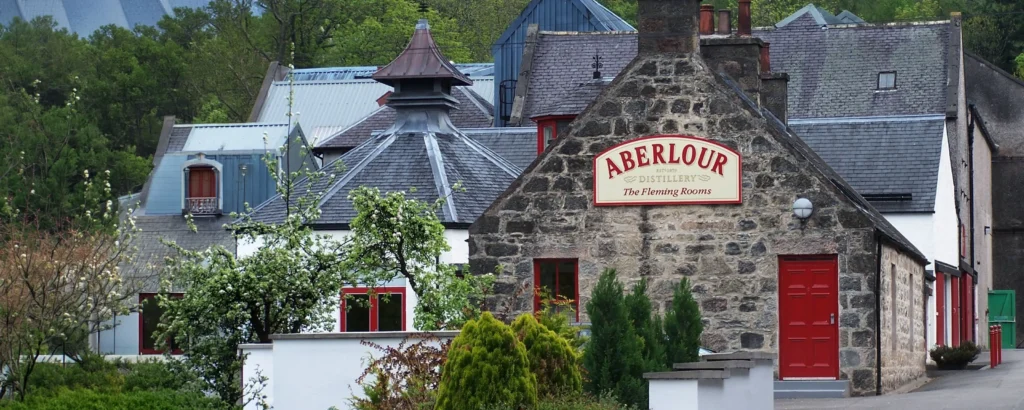
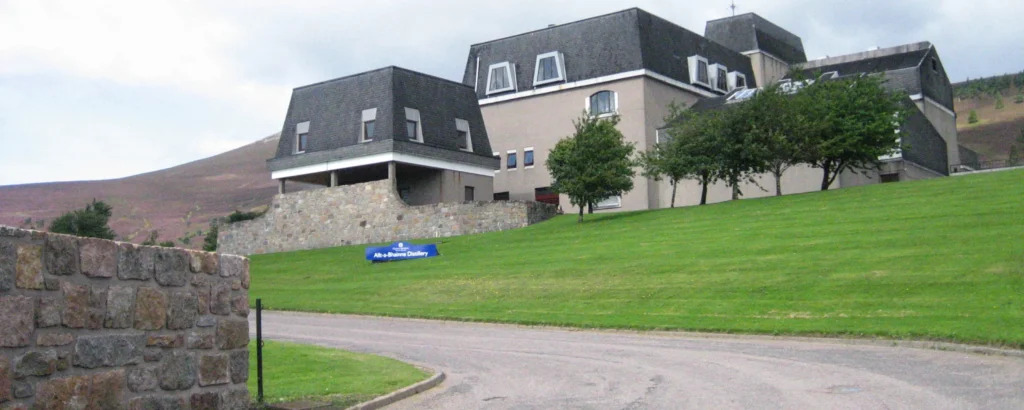
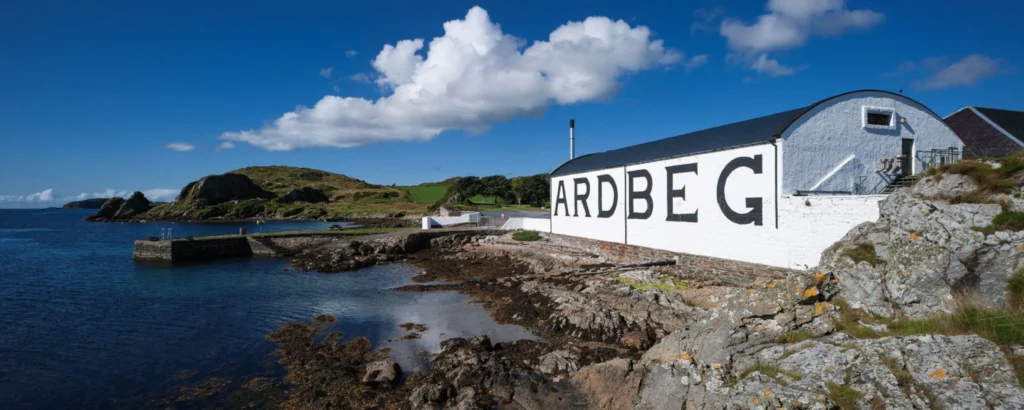
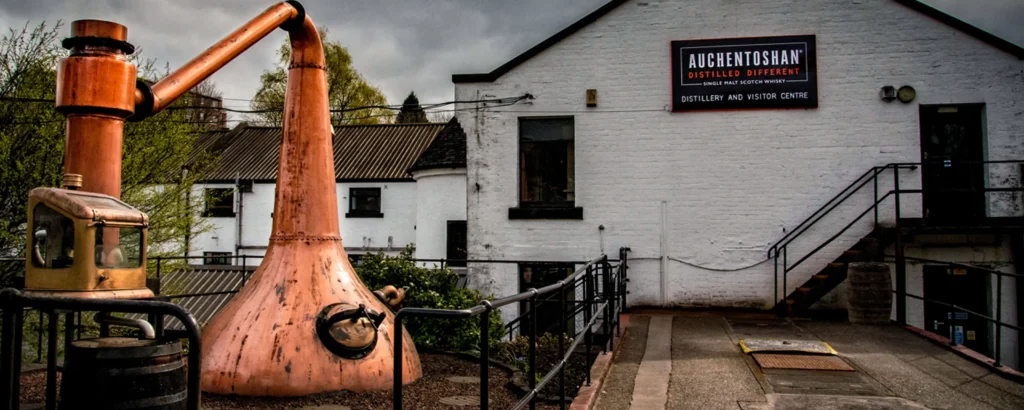
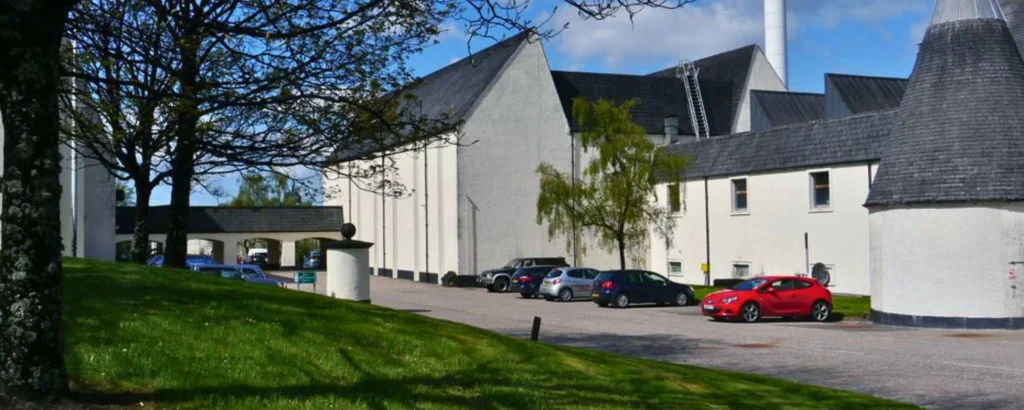
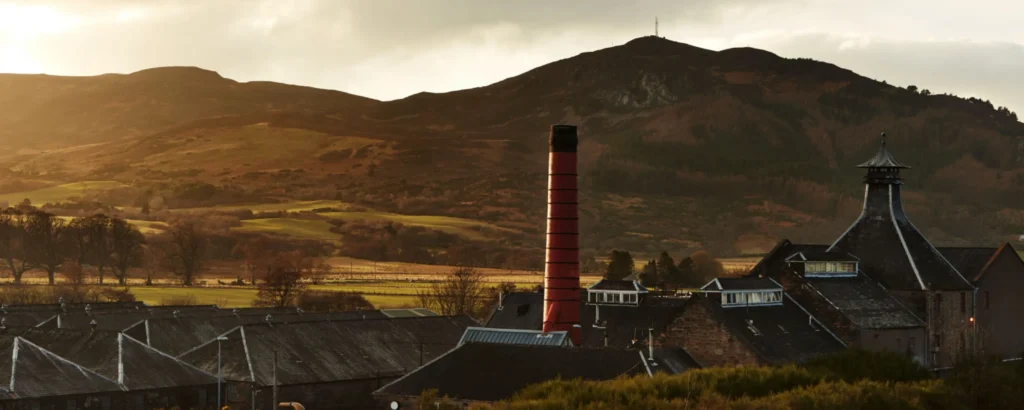
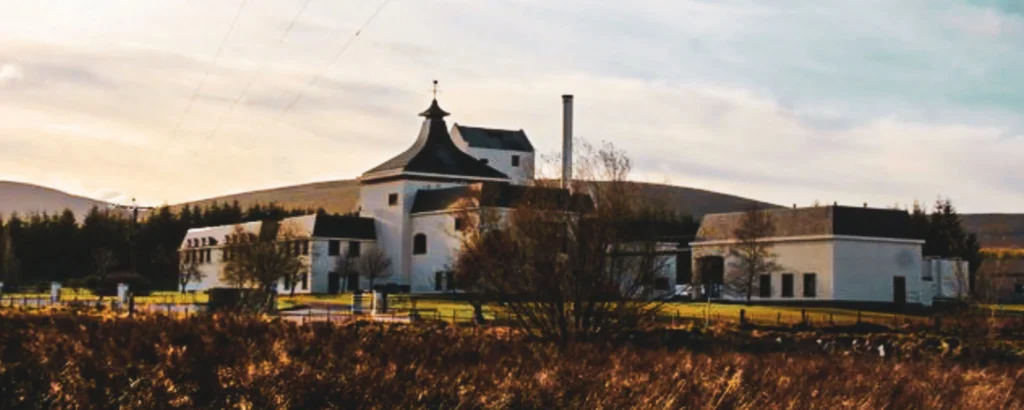
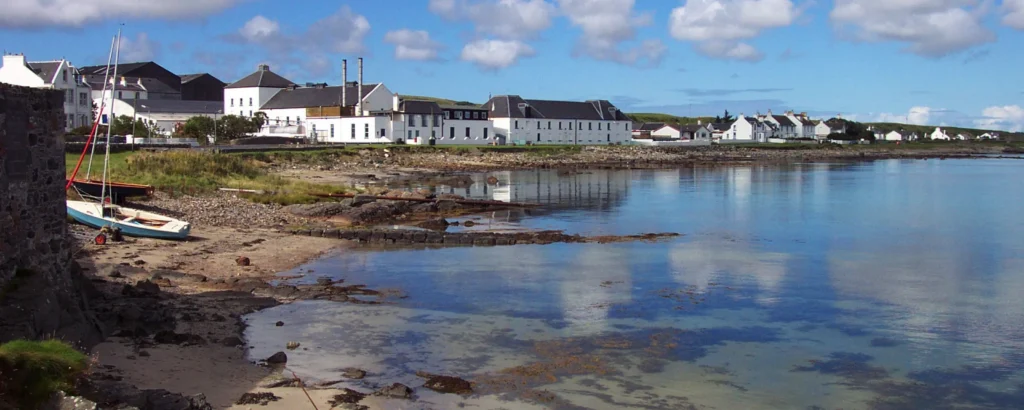
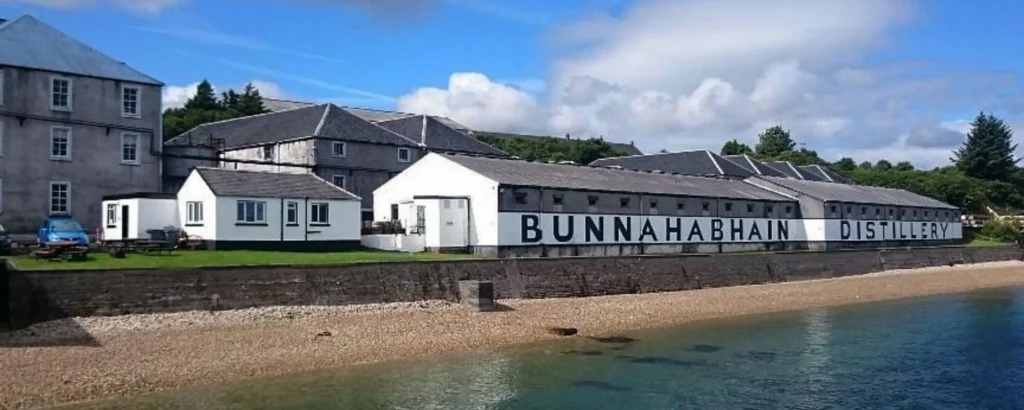
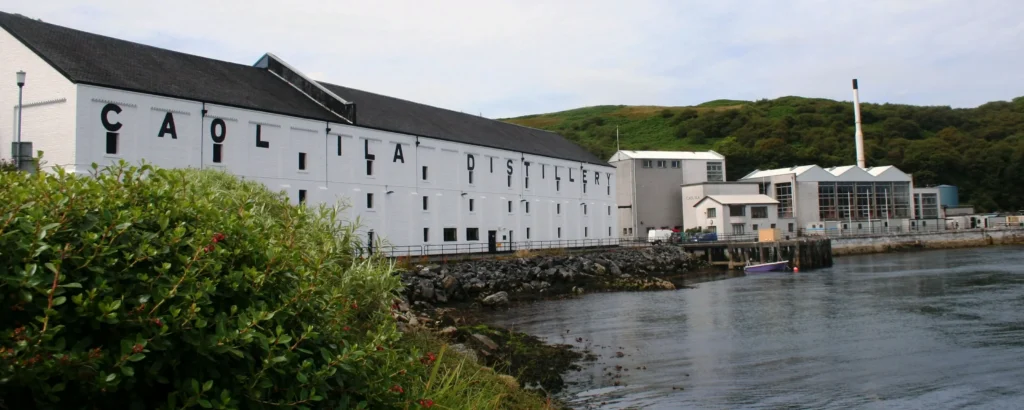
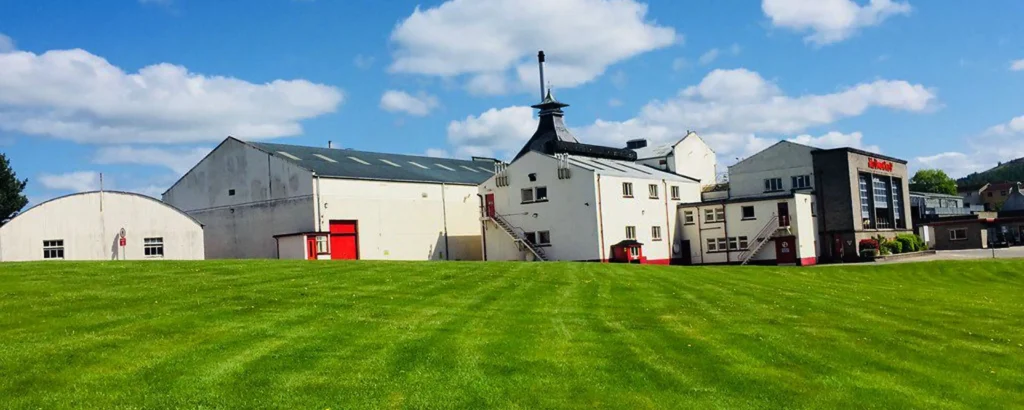
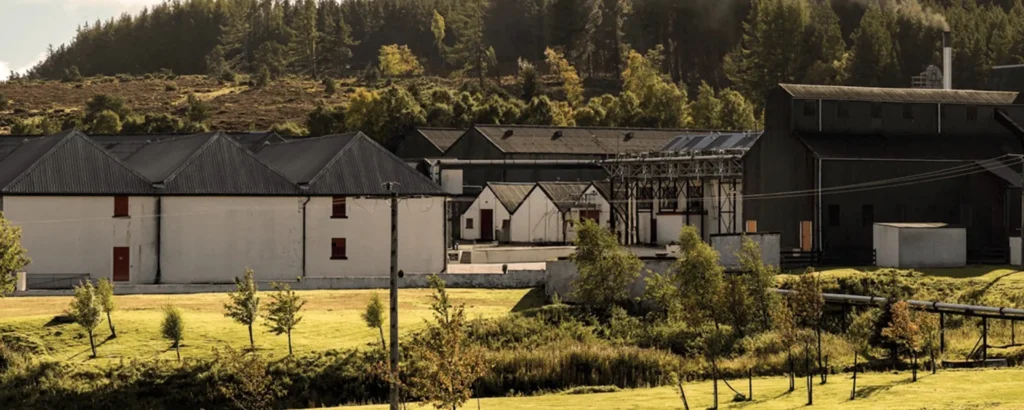
Sitting beneath Britain’s highest mountain, Ben Nevis Distillery has spent more than two centuries producing one of the Highlands’ most distinctive single malts. While its name may not have the mainstream recognition of some larger Scotch whisky brands, Ben Nevis whisky has developed a strong following among enthusiasts and independent bottlers.
For investors, this relative scarcity is part of the appeal. A Ben Nevis whisky investment provides exposure to an established Highland distillery with a long production history, distinctive spirit character and international ownership.
Those looking to invest in Ben Nevis whisky should consider the combination of heritage, available supply, maturation potential and demand within specialist areas of the whisky market.
From Fort William to International Ownership
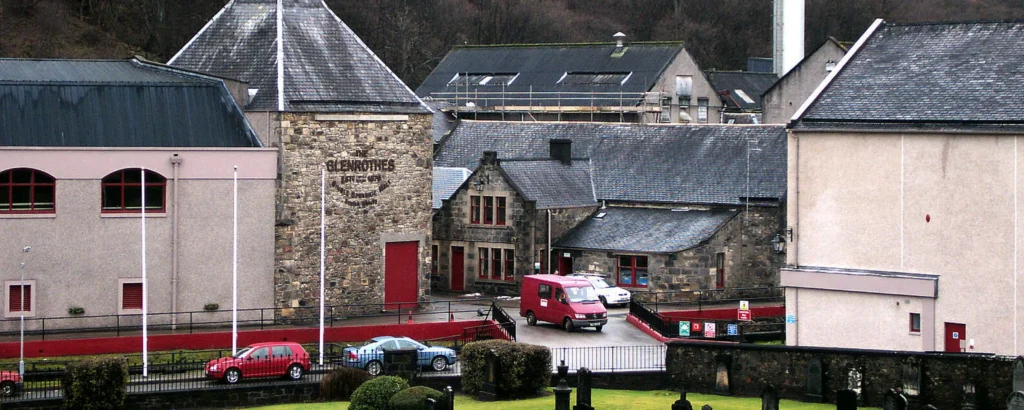
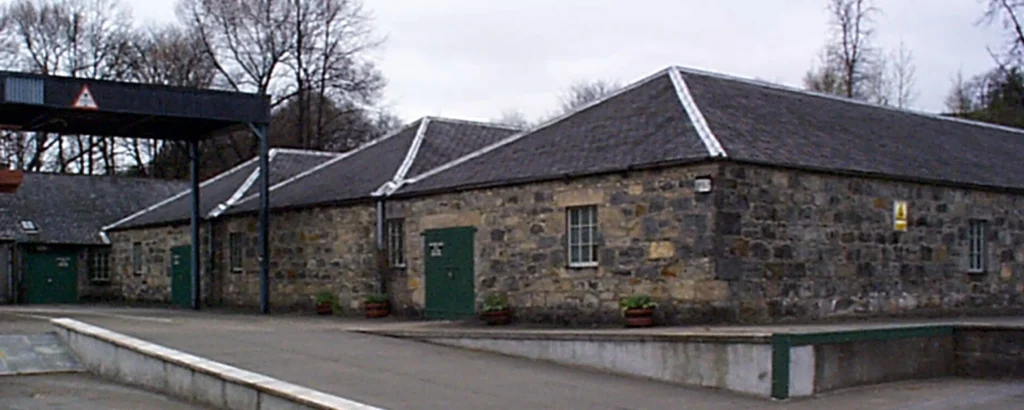
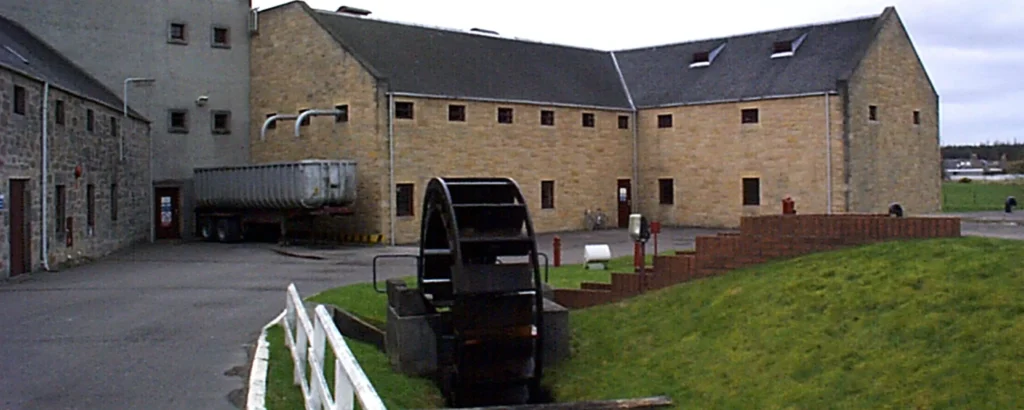
Ben Nevis Distillery was founded in 1825 by John ‘Long John’ McDonald in Fort William, at the foot of the mountain from which it takes its name.
The business remained under the McDonald family for more than a century. Demand grew sufficiently for a second distillery, named Nevis, to be constructed nearby in 1878. The two operations were combined in 1908.
After several changes of ownership and periods of closure, Japanese whisky producer Nikka acquired Ben Nevis in 1989. Production restarted in 1990, beginning the modern chapter of the distillery’s history.
Today, Ben Nevis remains under Japanese ownership, connecting a traditional Highland distillery with one of the most established names in Japanese whisky.
A Distinctive Highland Single Malt
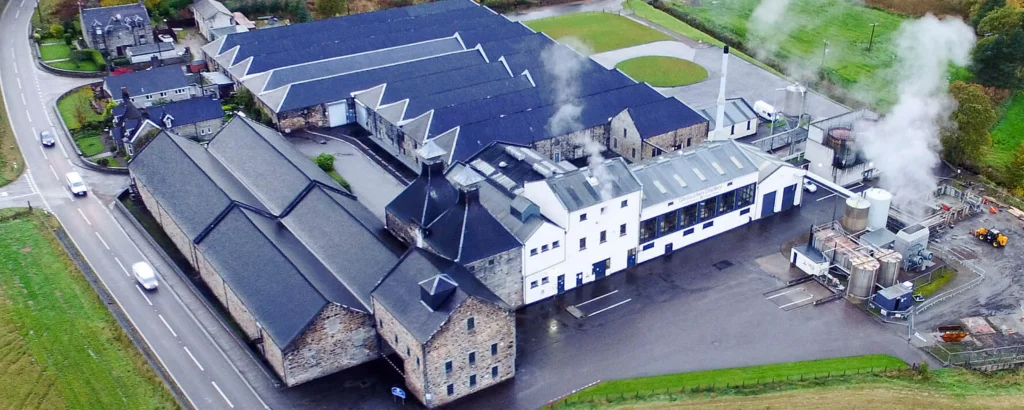
Ben Nevis is a relatively small producer compared with some of Scotland’s largest distilleries, with production capacity of around two million litres per year.
Its spirit is generally regarded as robust, full-bodied and characterful, with an oily texture that distinguishes it from lighter Highland styles. Depending on maturation, Ben Nevis whisky can develop notes of orchard fruit, malt, nuts, chocolate and spice.
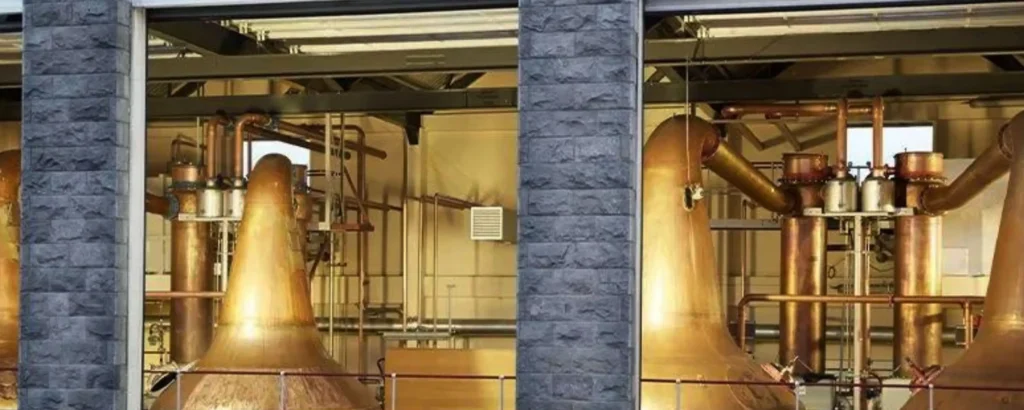
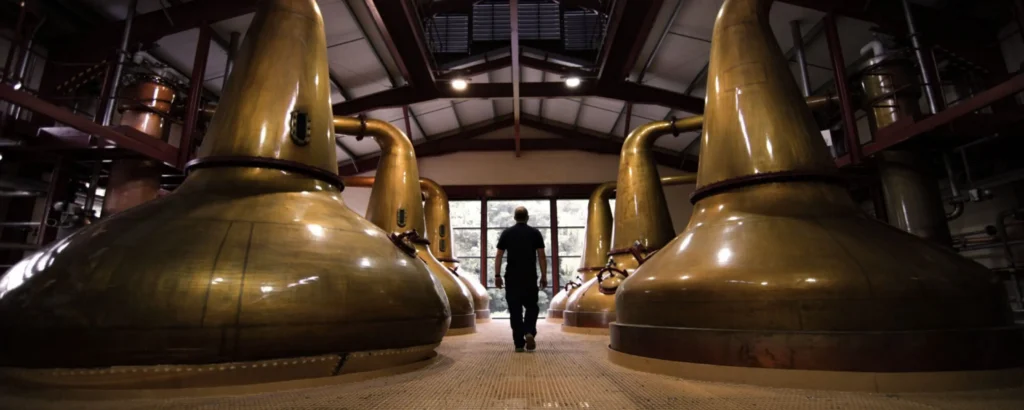
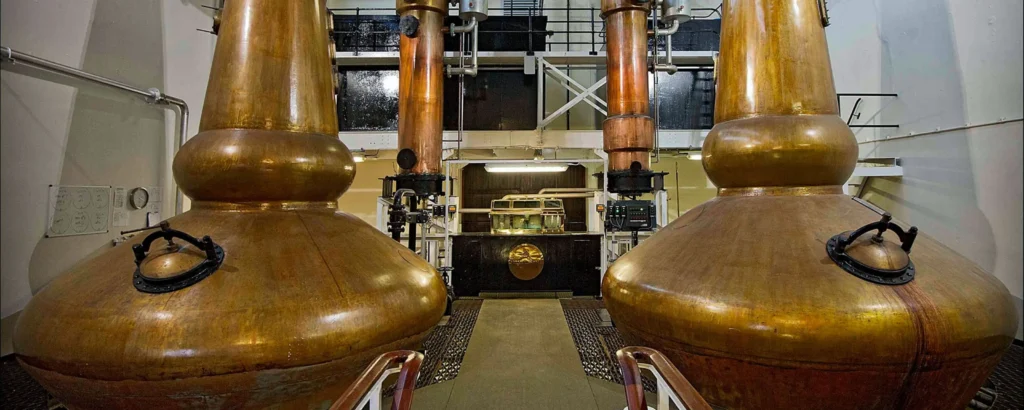
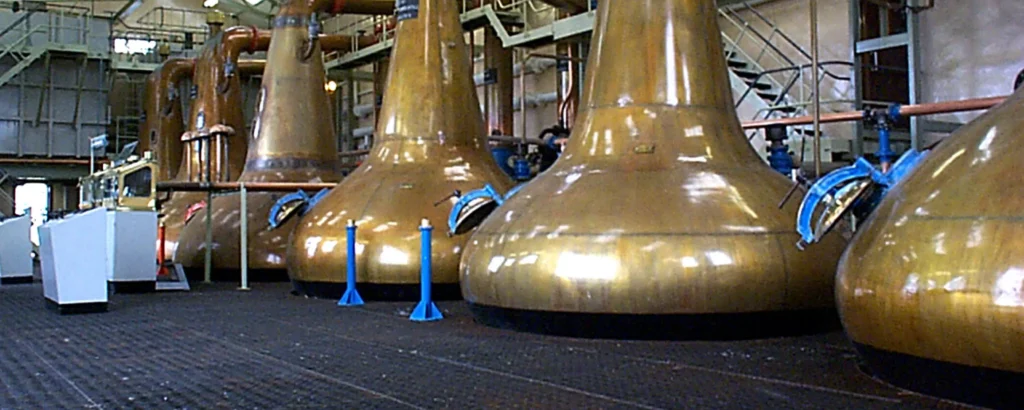
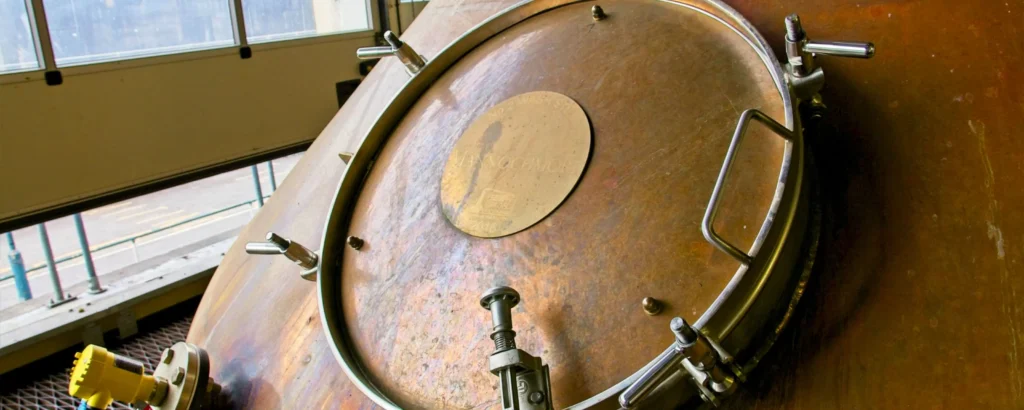
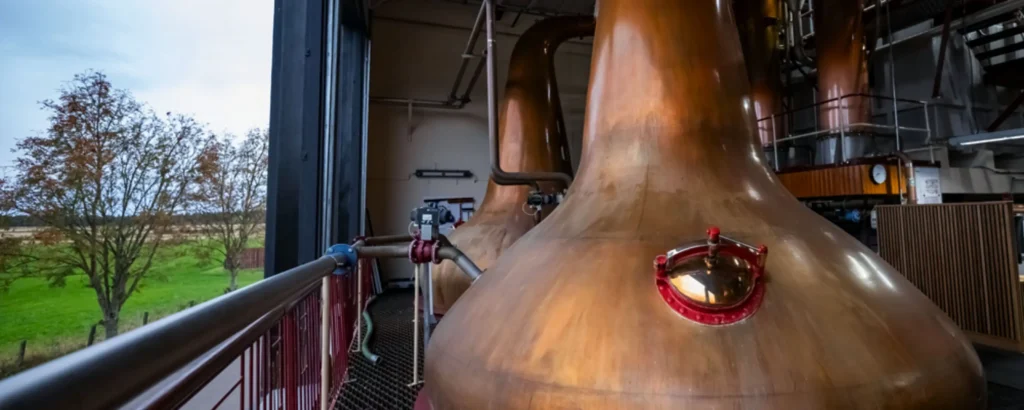
The distillery also produces a small quantity of heavily peated spirit each year. Water is drawn from the surrounding mountain environment, while production uses stainless steel and Oregon pine washbacks alongside four compact copper pot stills.
For investors, this distinctive house style has helped Ben Nevis establish a loyal following among experienced whisky drinkers.
Why Invest in Ben Nevis Whisky?
One of the more interesting characteristics of Ben Nevis is the contrast between its long history and comparatively limited presence on retail shelves.
A significant proportion of production has historically been destined for blending rather than official single malt releases. The distillery's own bottling range has consequently remained relatively small, with the Ben Nevis 10 Year Old becoming its best-known core expression.
Independent bottlers have played an important role in bringing Ben Nevis single malt to enthusiasts. Single-cask and older releases demonstrate how the spirit can develop through extended maturation and different cask types.
This is relevant when assessing a Ben Nevis whisky investment. Rather than relying solely on the visibility of a large official range, the distillery benefits from established interest within the specialist whisky market and a track record of independent releases.
Its ownership may also be a consideration. Nikka has owned Ben Nevis since 1989, giving the distillery a longstanding connection to the Japanese whisky industry.
Ben Nevis Casks Investment as a Long-Term Strategy
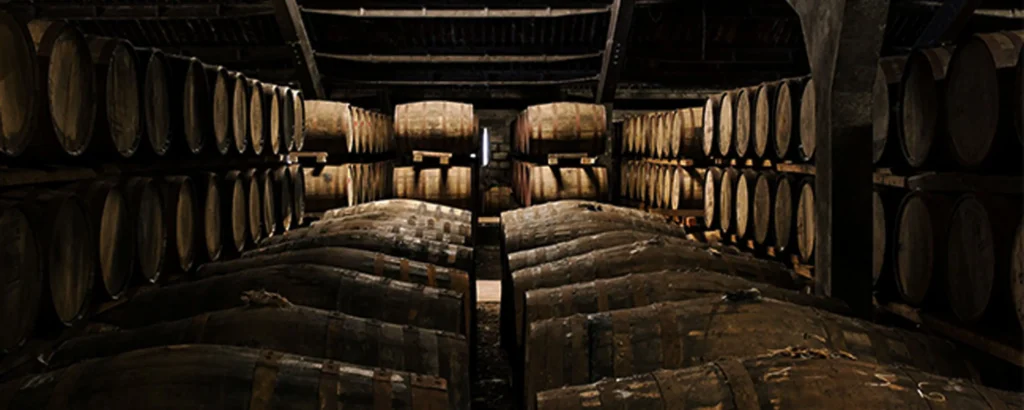
Whisky cask investment is fundamentally a long-term proposition. As Scotch whisky matures, available stock from a particular vintage gradually reduces as casks are bottled, blended or otherwise removed from inventory.
For those looking to invest in Ben Nevis whisky, relatively modest production volumes and demand from across the whisky industry add to its appeal.
Older Ben Nevis whisky regularly appears through independent bottlers, demonstrating an established route from mature cask to finished single malt. Potential future exit routes may therefore include selling a mature cask or, where commercially appropriate, exploring bottling opportunities.
However, not every Ben Nevis cask will perform in the same way. Age, cask type, fill level, alcohol strength, purchase price, provenance and wider market conditions can all influence future value.
Is Ben Nevis Whisky Investment a Good Idea?
For investors prepared to look beyond the most heavily marketed Scotch whisky brands, Ben Nevis presents an interesting proposition. More than 200 years of distilling history, limited official bottlings, a distinctive spirit style and an established following among independent bottlers all contribute to its position within the market.
Those considering whether to invest in Ben Nevis whisky should assess each opportunity individually rather than relying on the distillery name alone. Selecting the right cask, understanding its maturation profile and considering realistic long-term exit options remain central to any whisky investment strategy.
To learn more about available Ben Nevis casks and whether they could complement your whisky portfolio, get in touch with The 1901 Group team.