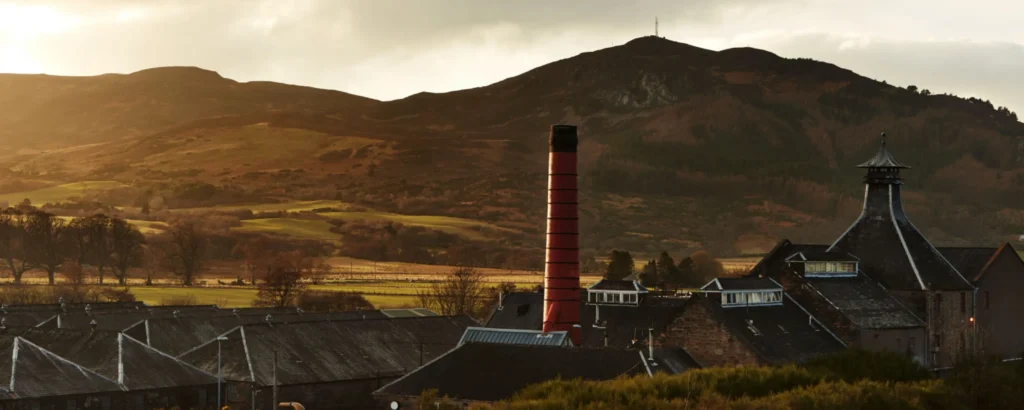
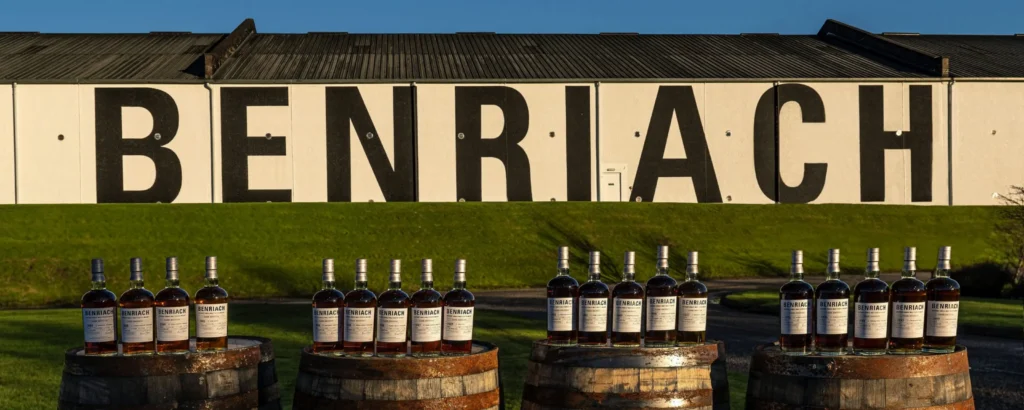
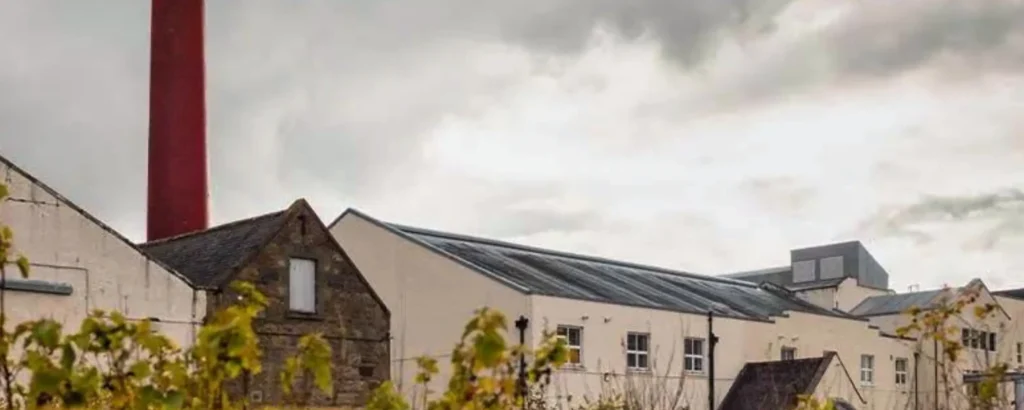
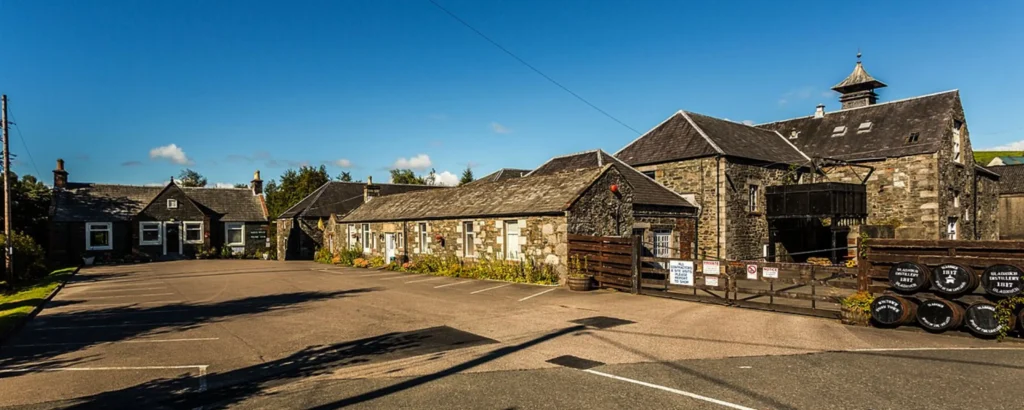
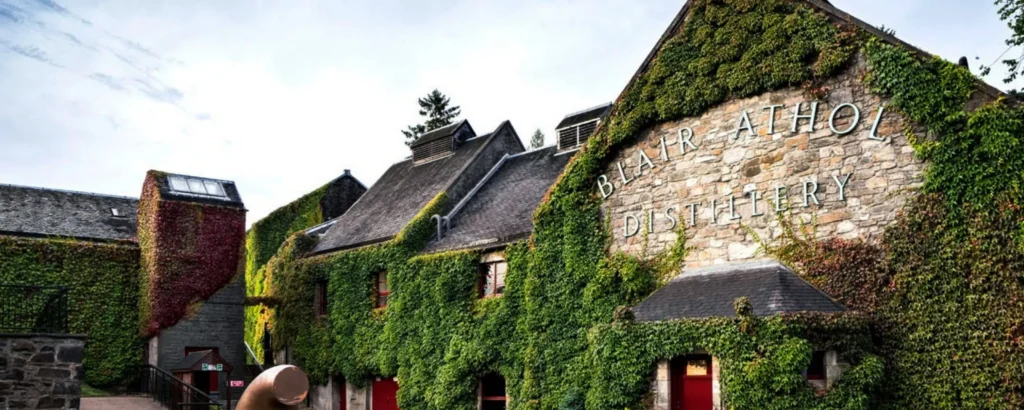
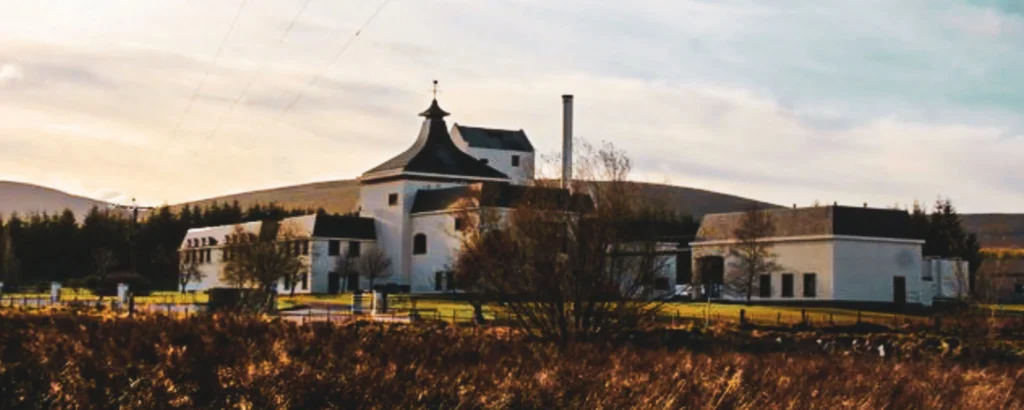
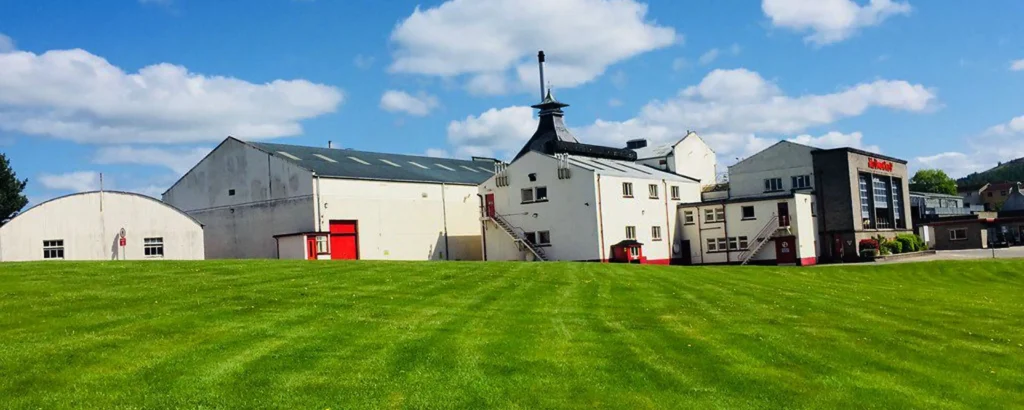
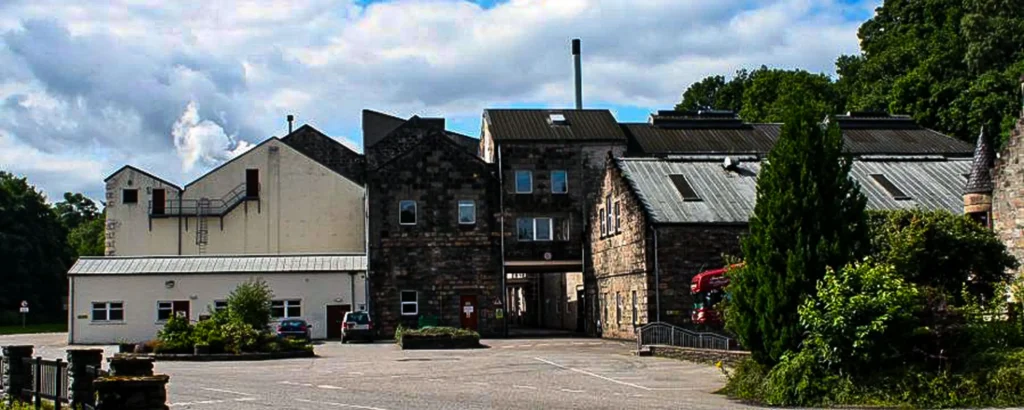
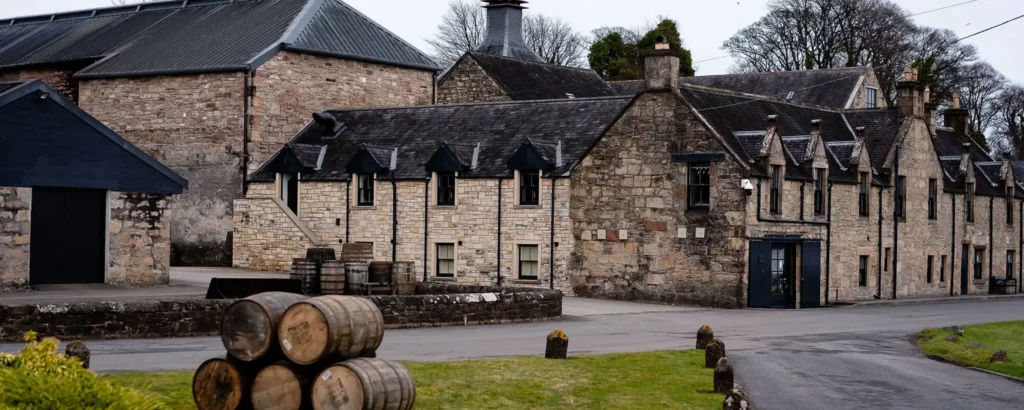
As one of Scotland’s oldest operating distilleries, Bladnoch combines more than two centuries of heritage with independent ownership, significant recent investment and a growing international profile.
For those looking to invest in Bladnoch whisky and wonder if Bladnoch whisky is a good investment, a balanced view is important. The distillery offers exposure to a distinctive Lowland producer at a different stage of development from many of Scotland’s larger whisky brands. Founded in 1817, Bladnoch has experienced periods of closure and changing ownership throughout its history, but has undergone a significant revival since being acquired by Australian entrepreneur David Prior in 2015.
Investment in the distillery, its production capabilities and its whisky range has helped re-establish Bladnoch within the Scotch whisky industry. Its position as an independently owned distillery is also notable in a market where many established producers form part of large international drinks groups.
For whisky cask investors, Bladnoch combines established provenance with a modern growth story, creating an interesting proposition for long-term consideration.
A Brief History of Bladnoch
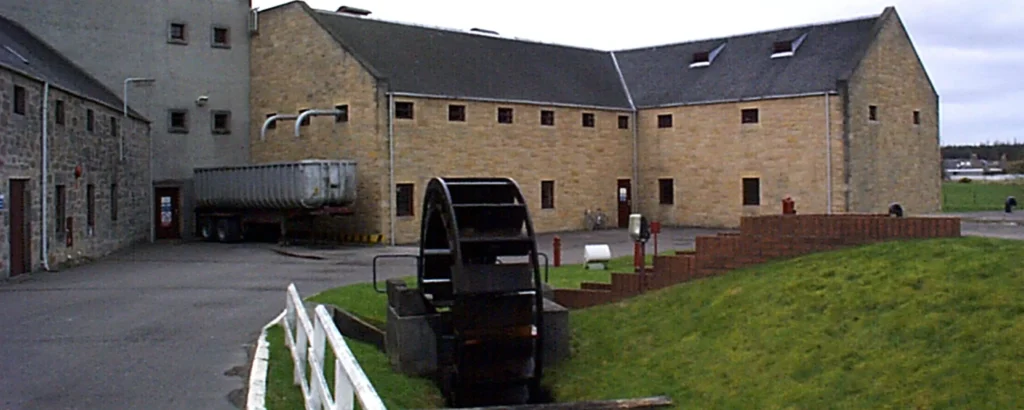
Bladnoch was founded in 1817 by brothers John and Thomas McClelland on the banks of the River Bladnoch in Dumfries and Galloway. The distillery remained under McClelland family ownership for almost a century and developed into an established producer of Lowland malt whisky.
The 20th century brought a more turbulent period. Bladnoch changed ownership numerous times and experienced several extended closures, reflecting the wider challenges facing many Lowland distilleries. Production ceased again in 2009, leaving the future of one of Scotland’s oldest distilleries uncertain.
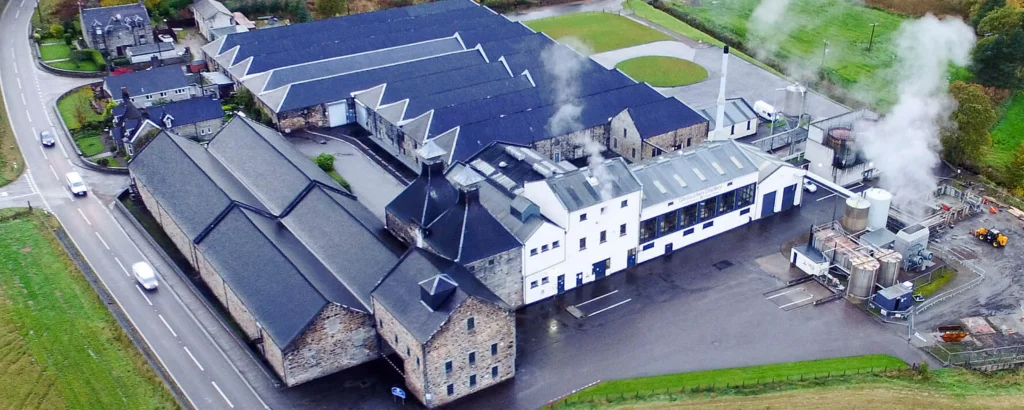
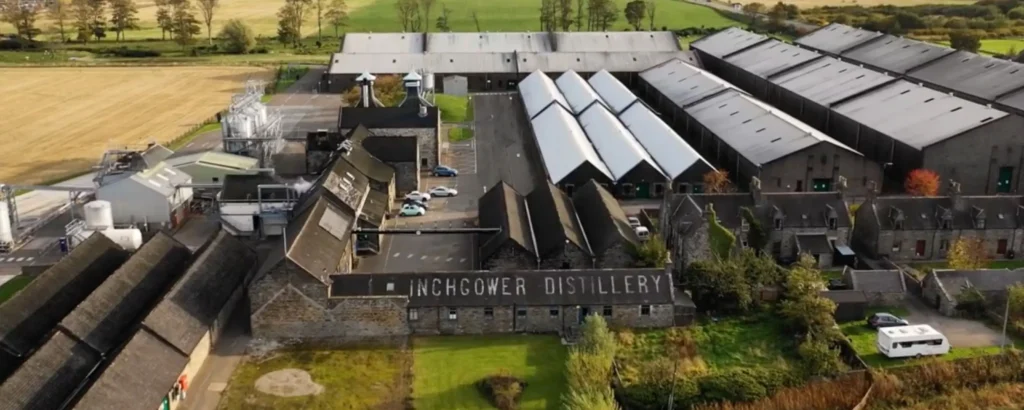
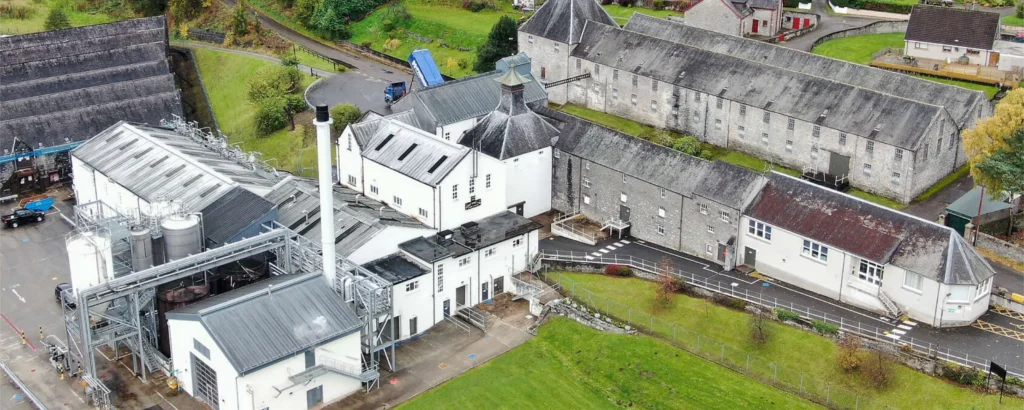
A new chapter began in 2015 when David Prior acquired Bladnoch. Significant investment followed, including the refurbishment of the historic distillery and installation of new whisky-making equipment. Production restarted in 2017, exactly 200 years after Bladnoch was originally founded.
For those seeking to invest in Bladnoch whisky, this combination of heritage and renewed production is important. Bladnoch is not a newly established distillery building provenance from scratch, but a historic Scotch whisky producer undergoing a modern period of redevelopment and growth.
Is Bladnoch Whisky a Good Investment?
For investors researching whisky casks, is Bladnoch whisky a good investment? is naturally an important question. There is no single answer, as the potential performance of any whisky cask depends on the price paid, age, cask type, provenance, maturation and future market demand.
However, Bladnoch has several characteristics that can make it worthy of consideration.
Its age and provenance provide a strong foundation. Having been established more than 200 years ago, Bladnoch can legitimately position itself among Scotland’s historic whisky producers. Heritage alone does not determine investment performance, but longevity can contribute to the credibility and recognition of a distillery.
Bladnoch is also independently owned. Since its acquisition in 2015, substantial investment has been made in production, the distillery estate and development of the brand. Its growing portfolio of official releases is helping establish Bladnoch among a wider international audience.
The distillery also provides exposure to the Lowlands, one of Scotland’s five recognised Scotch whisky regions, offering another opportunity for diversification within a broader cask portfolio.
Investment and the Revival of Bladnoch
One of the most significant aspects of the Bladnoch investment case is the development that has taken place since 2015.
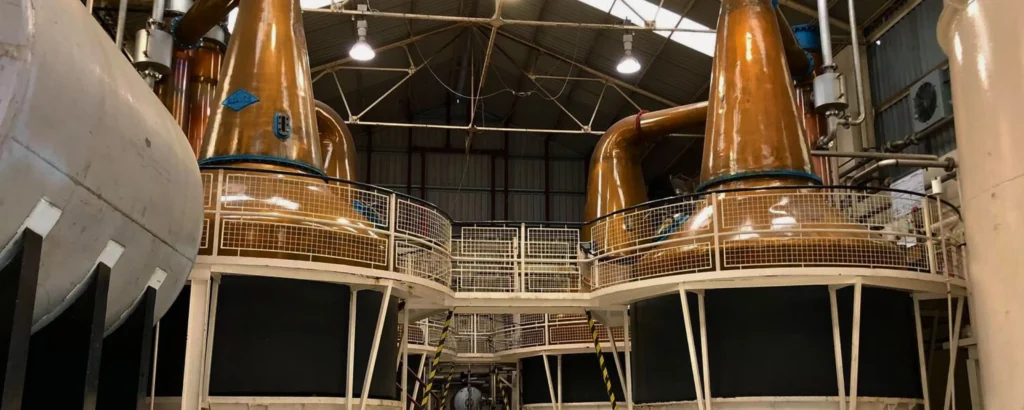
Rather than simply restarting production, the revival involved substantial redevelopment of the distillery and the installation of modern equipment while retaining the heritage of the historic site. Production resumed in 2017, allowing Bladnoch to build a new generation of maturing stock alongside whisky produced before its previous closure.
For investors looking to invest in Bladnoch whisky, the development of the underlying brand can be relevant because whisky casks are typically held for a number of years. Changes in the reputation, distribution and commercial position of a distillery during that period may influence future demand for its whisky.
Bladnoch’s periods of interrupted production also mean its stock profile differs from distilleries that have produced continuously for decades. As spirit produced since the revival matures into progressively older age categories, the distillery’s inventory and range of potential future releases will continue to evolve.
Why Investors Consider Bladnoch
So, is Bladnoch whisky a good investment for a long-term whisky portfolio? Its combination of heritage, independent ownership, investment in production and developing international profile provides a number of positive fundamentals, but the quality and price of the individual cask remain critical.
Bladnoch can also provide diversification for investors building portfolios across different Scotch whisky producers, regions, ages and cask types. Its Lowland provenance differentiates it from the high concentration of production found in Speyside and the Highlands, while its independent ownership creates a different commercial profile from distilleries belonging to the largest international drinks groups.
As with any whisky cask investment, potential returns cannot be guaranteed. Future performance will depend on the individual asset alongside wider market conditions, supply and demand and the eventual exit route.
Investing in Bladnoch Whisky with The 1901 Group
For clients looking to invest in Bladnoch whisky, The 1901 Group assesses individual casks rather than relying solely on the reputation of the distillery.
Factors including provenance, age, cask type, ABV, volume, acquisition price and maturation potential are considered when sourcing casks for investment. Once acquired, casks are held in HMRC-regulated bonded warehouses in Scotland, with ownership documentation and ongoing portfolio management supporting investors throughout their holding period.
For suitable investors, Bladnoch presents an interesting proposition: a historic Lowland distillery with more than two centuries of provenance, independent ownership and significant investment behind its modern revival.