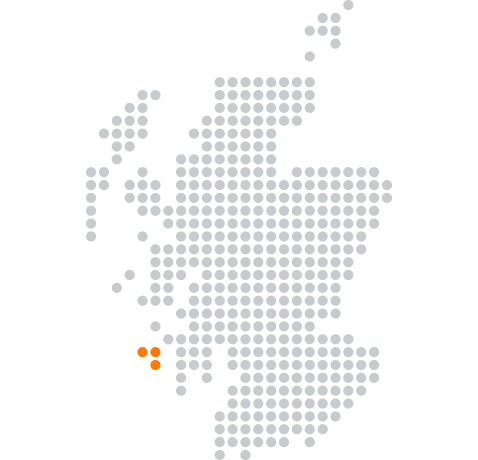
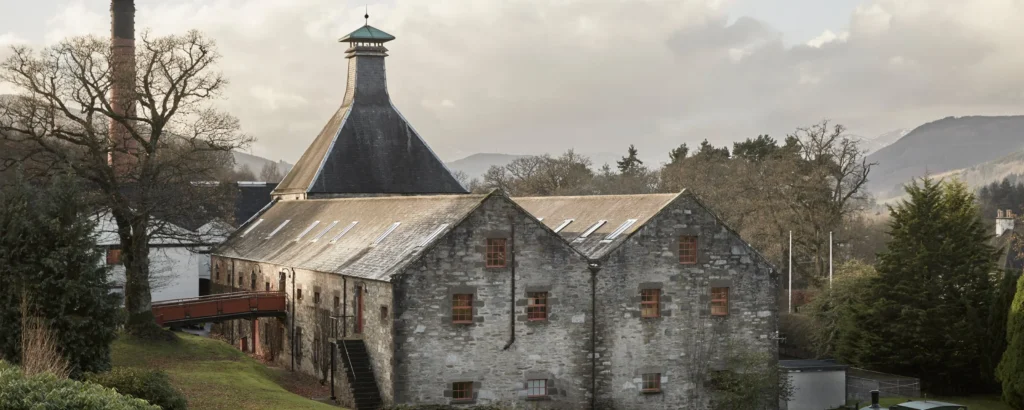
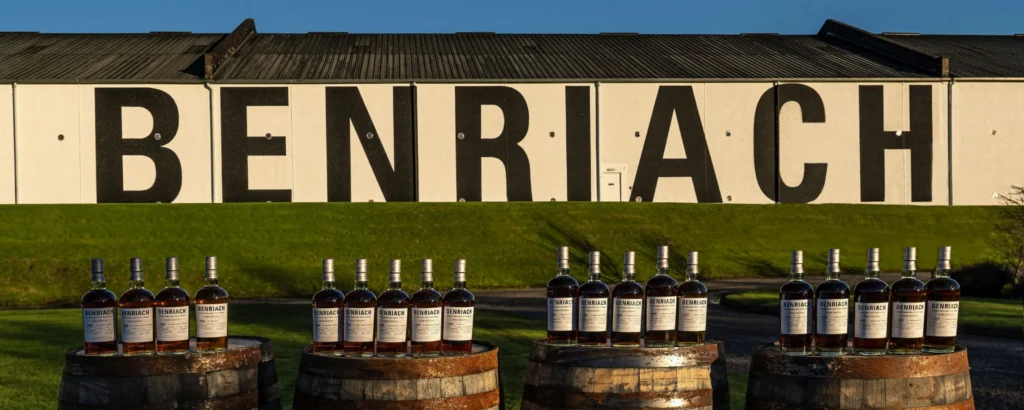
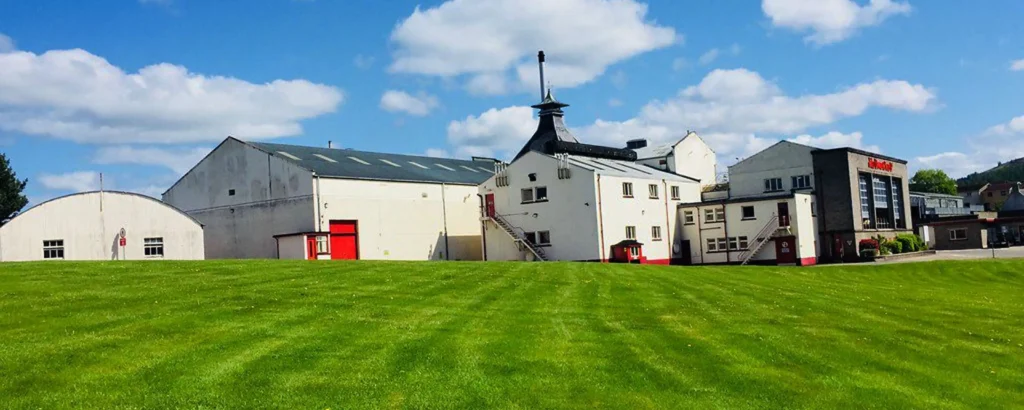
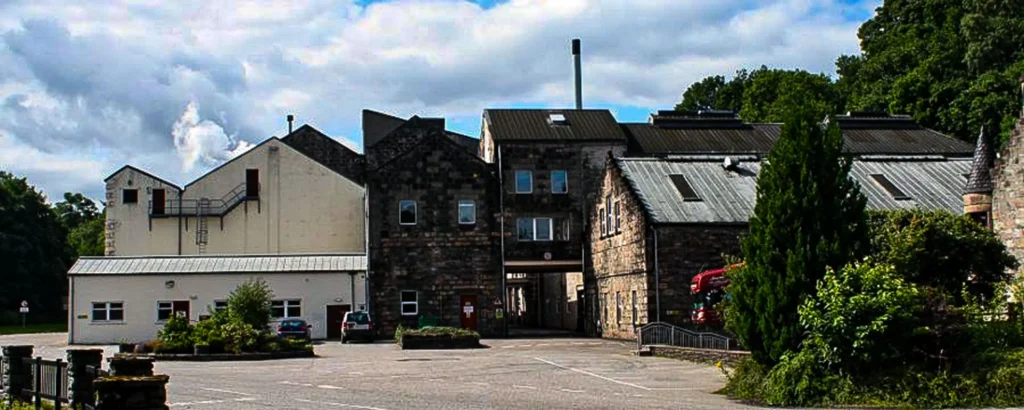
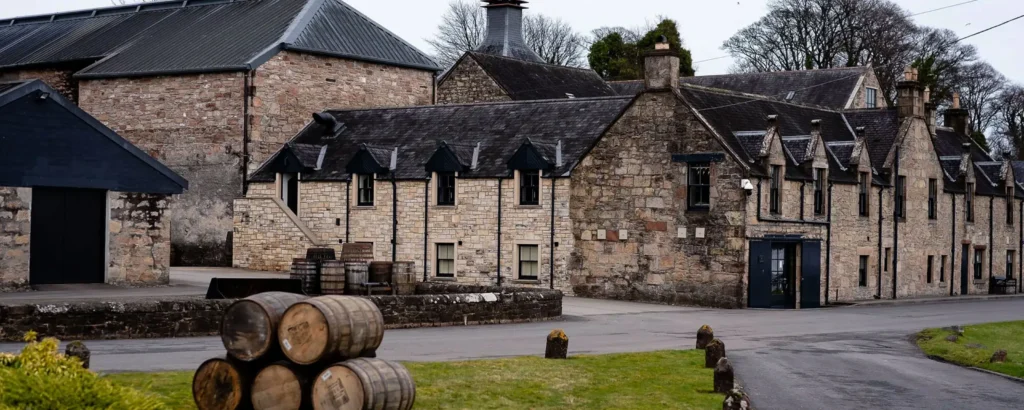
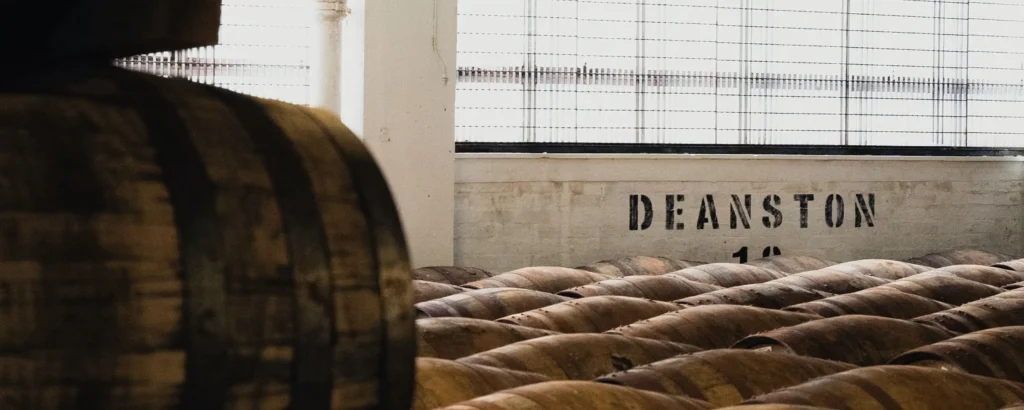
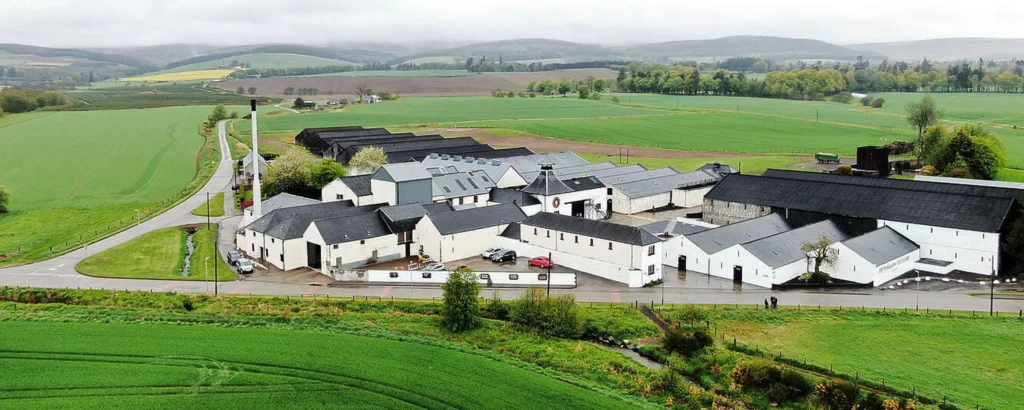
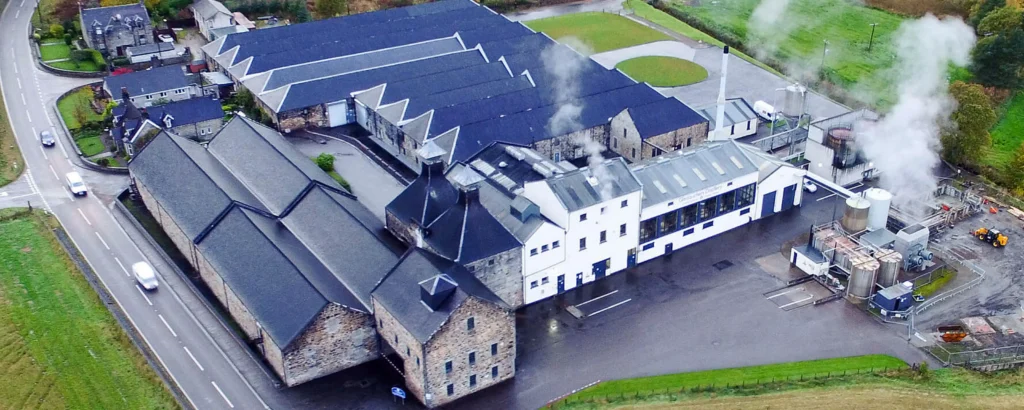
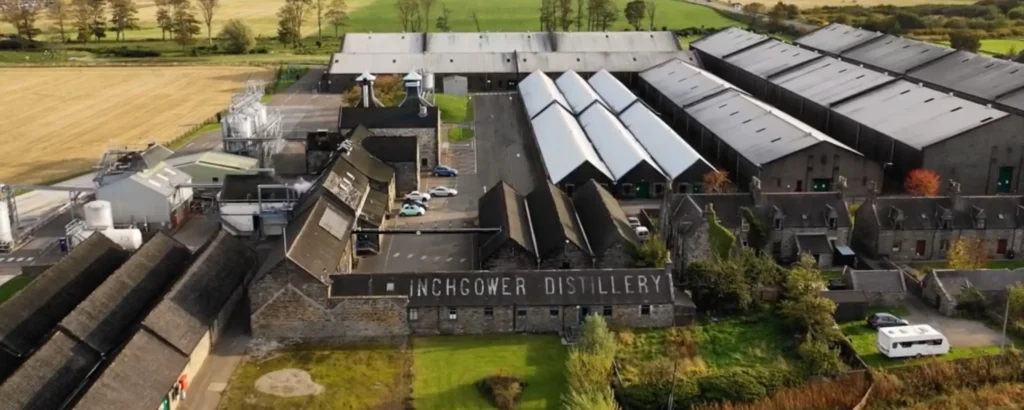
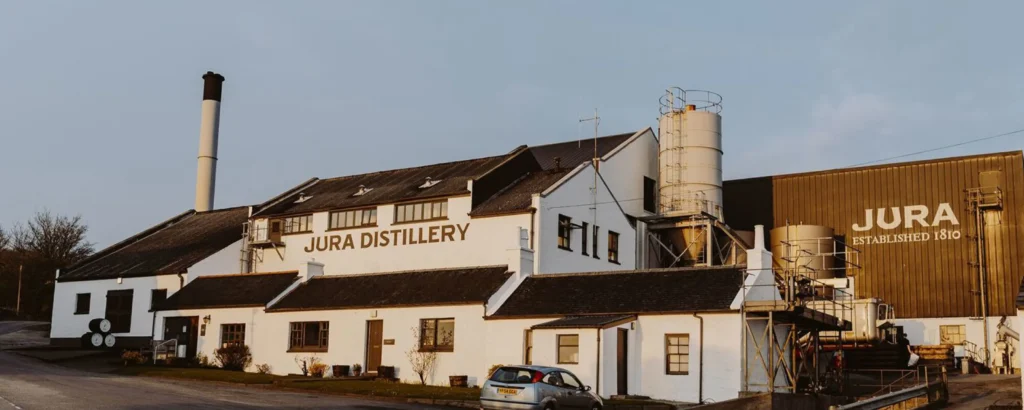
Bruichladdich is one of Islay’s most distinctive distilleries, combining more than 140 years of heritage with strong international recognition and ownership by global drinks group Rémy Cointreau.
For investors looking to buy a cask of Bruichladdich whisky offers exposure to Islay, one of the most internationally recognised Scotch whisky regions. However, Bruichladdich occupies a different position from many of its island neighbours. Its flagship spirit is unpeated, while the distillery also produces the heavily peated Port Charlotte and Octomore ranges.
From an investment perspective, this creates exposure to a distillery with several established whisky identities and a strong position within the premium single malt market. Bruichladdich has also built its reputation around provenance, transparency and its connection to Islay, helping differentiate the brand within an increasingly competitive global Scotch whisky market.
For cask investors, the combination of Islay provenance, established brand recognition, major corporate ownership and demand for mature whisky makes Bruichladdich worthy of consideration within a diversified portfolio.
A Brief History of Bruichladdich
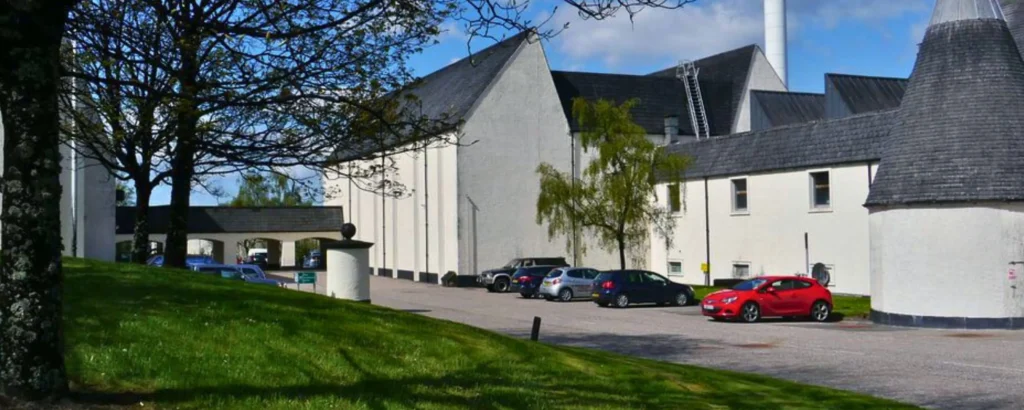
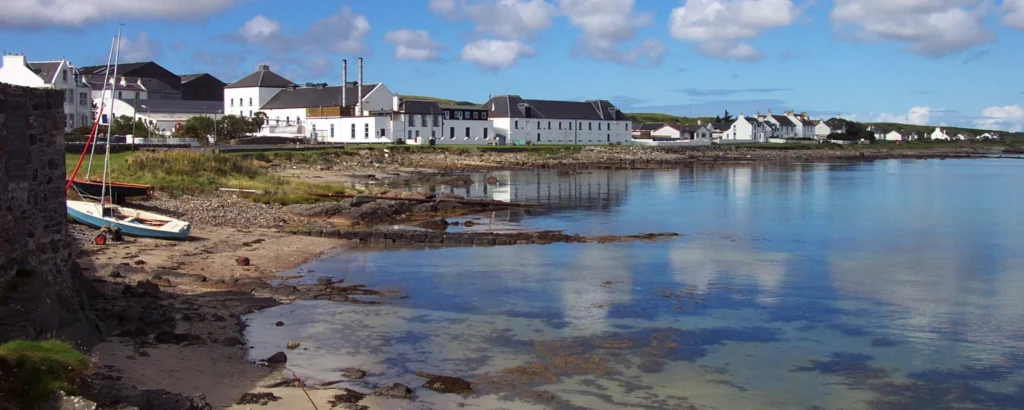
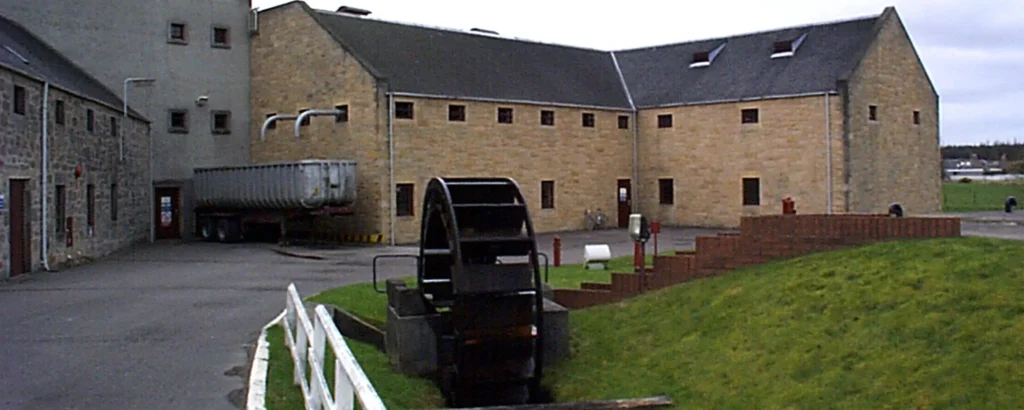
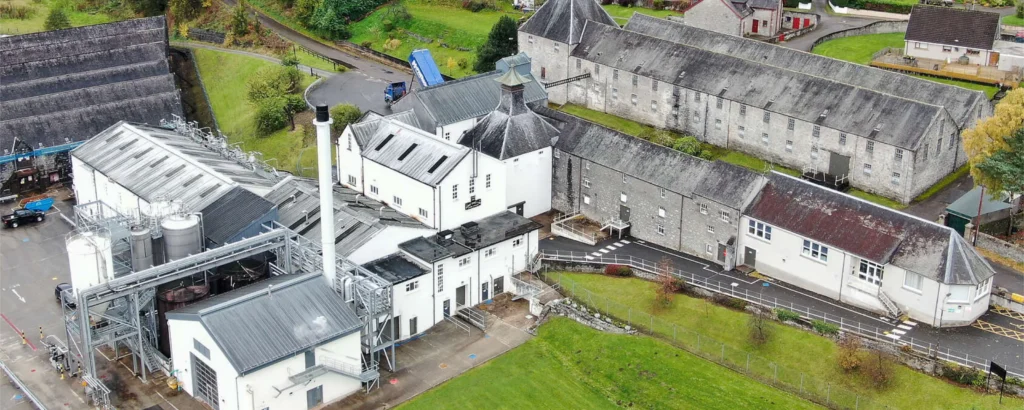
Bruichladdich was established in 1881 by the Harvey brothers on the western shore of Loch Indaal on Islay. The distillery was considered relatively modern for its time, purpose-built around a central courtyard and constructed partly using stone from the nearby shoreline.
Like many Scotch whisky distilleries, Bruichladdich experienced periods of changing ownership and closure throughout the 20th century. Production eventually ceased in 1994 and the distillery remained silent for several years.
Its modern revival began in 2000 when Bruichladdich was purchased by a group of private investors led by Mark Reynier. The distillery reopened in 2001, beginning a period that would transform its international reputation and establish Bruichladdich as one of the more distinctive names in modern Scotch whisky.
In 2012, Bruichladdich was acquired by Rémy Cointreau. The acquisition brought the distillery into a major international drinks portfolio while retaining much of the identity developed following its revival.
For those seeking to buy a cask of Bruichladdich whisky therefore combines established heritage with a strong period of modern brand development and the backing of an international drinks group.
Why Investors Consider Bruichladdich
Several characteristics contribute to the investment case for Bruichladdich.
Firstly, its location provides exposure to Islay. Despite its relatively small size, the island has an outsized reputation within global Scotch whisky and is home to some of the industry’s most recognisable distilleries. Mature Islay whisky can consequently occupy an important position within the premium Scotch market.
Bruichladdich also benefits from a clearly differentiated brand. While Islay is synonymous with heavily peated whisky, the distillery’s namesake Bruichladdich single malt is traditionally unpeated. Alongside this, Port Charlotte represents its heavily peated production, while Octomore has become particularly well known for exceptionally high peat levels.
This diversity allows the distillery to produce distinct styles of spirit under an established portfolio of brands.
For investors considering whether to buy a cask of Bruichladdich whisky, its combination of regional provenance, brand development and established production provides important fundamentals. However, the characteristics and acquisition price of the individual cask remain central to any investment decision.
The Investment Potential of Mature Islay Whisky
Time is fundamental to whisky cask investment. Scotch whisky must mature in oak casks in Scotland for at least three years, while older whisky requires stock to have been produced many years before it is eventually needed.
This creates an inherent limitation on the supply of aged whisky. If demand for 15 or 20-year-old Islay whisky increases, producers cannot manufacture additional stock of that age immediately. Suitable spirit must already have been distilled and matured for the corresponding period.
Bruichladdich’s history makes this particularly interesting. The distillery was closed between 1994 and 2001, creating an interruption in production and therefore in the age profile of its historic stocks.
However, age alone does not make a whisky cask a good investment. The original acquisition price, cask type, ABV, remaining volume, provenance, storage and quality of the spirit can all influence its future prospects.
Anyone looking to buy a cask of Bruichladdich whisky should therefore consider the specific asset rather than assuming that every cask from a recognised Islay distillery will perform in the same way.
Bruichladdich Within a Whisky Cask Portfolio
Buying a whisky cask from the Bruichladdich distillery can provide diversification for investors building a portfolio across different distilleries, regions, ages and cask types.
The distillery combines the established reputation of Islay with characteristics that distinguish it from many neighbouring producers. Its position within the Rémy Cointreau portfolio also provides the backing of an international group with established global distribution and experience in premium spirits.
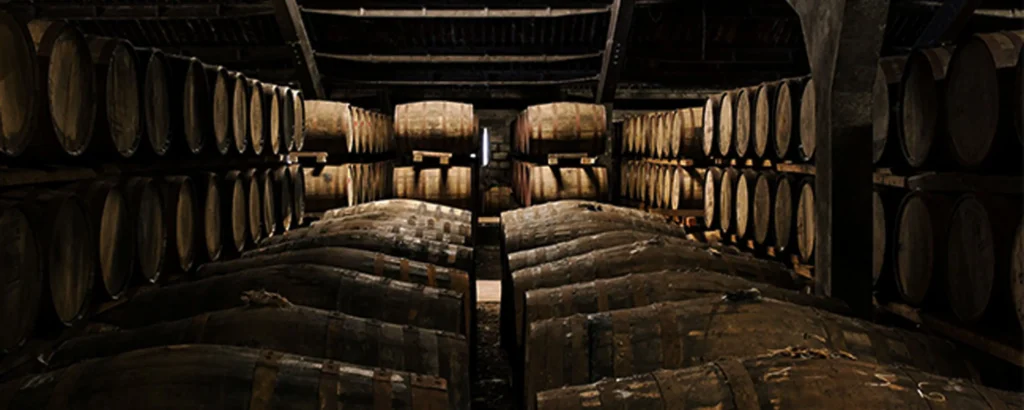
Cask ownership can provide investors with exposure to the underlying maturing whisky rather than bottles already released into the retail market. As the spirit matures, its age increases naturally, while the available volume gradually reduces through evaporation.
The potential value of an individual cask ultimately depends on whether there is future demand for that particular whisky and the price at which the asset can eventually be sold. Brand recognition can support demand, but it should be considered alongside cask-specific fundamentals and wider market conditions.
Investing in Bruichladdich Whisky with The 1901 Group
For clients looking to buy a cask of Bruichladdich whisky, The 1901 Group assesses individual casks rather than relying on the reputation of the distillery alone.
Factors including provenance, age, cask type, ABV, volume, acquisition price and maturation potential are considered when sourcing casks for investment. These characteristics can have a substantial impact on the future position of an individual asset, even when comparing two casks originating from the same distillery.
Once acquired, casks are held in HMRC-regulated bonded warehouses in Scotland, with ownership documentation and ongoing portfolio management supporting investors throughout the holding period.
As with any investment, whisky casks carry risk and returns cannot be guaranteed. Future performance can be affected by market conditions, supply and demand, maturation, acquisition price and the eventual exit route.
For suitable investors, Bruichladdich offers an opportunity to gain exposure to an established Islay distillery with more than 140 years of history, a distinctive market position and the backing of a major international drinks group.