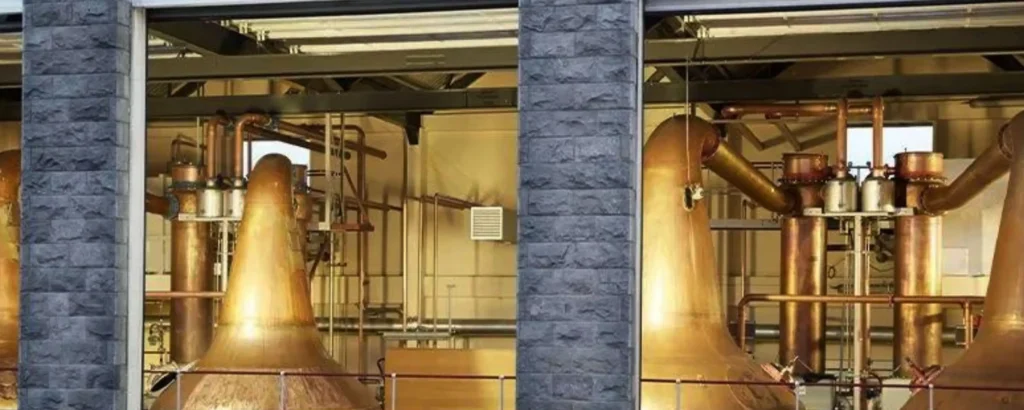
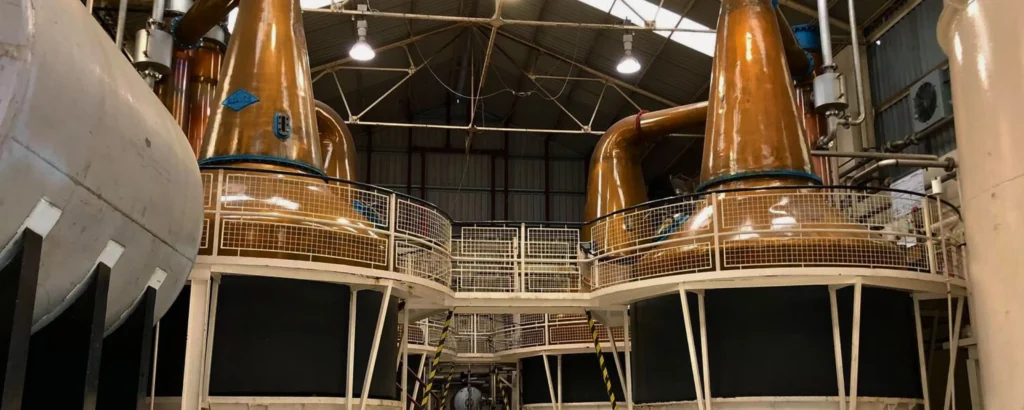
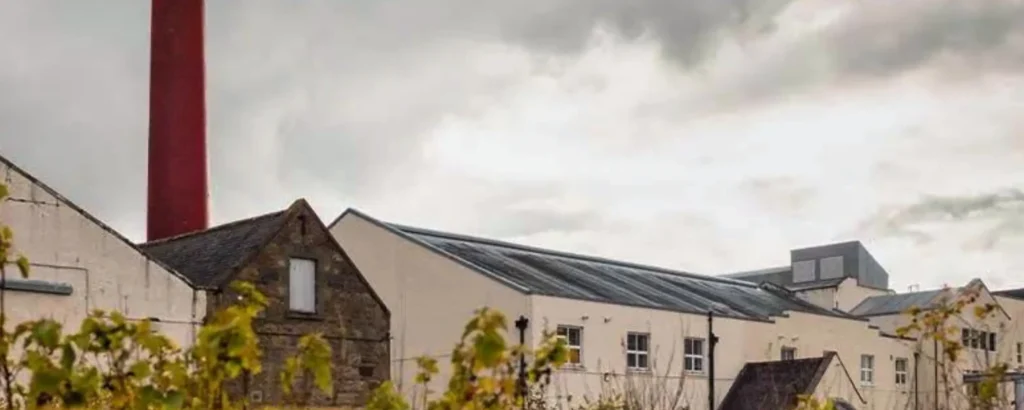
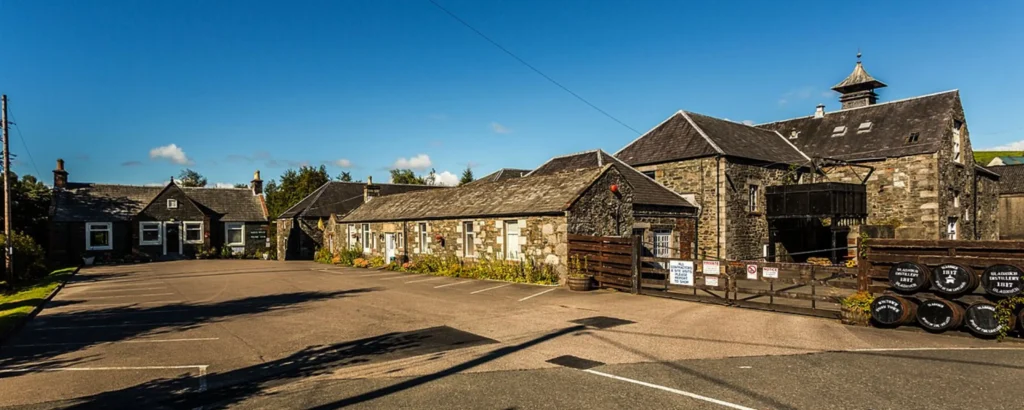
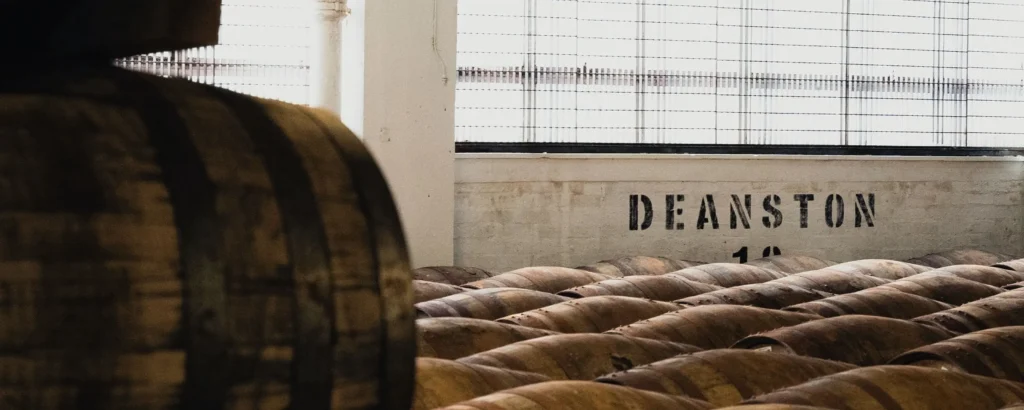
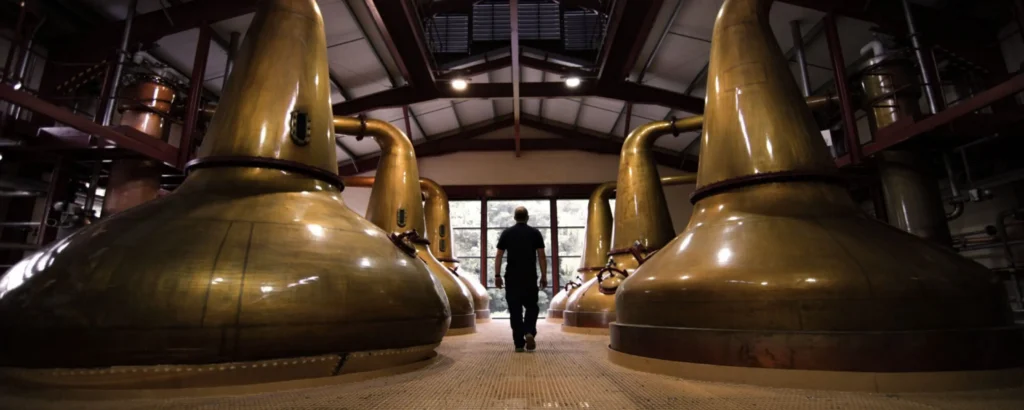
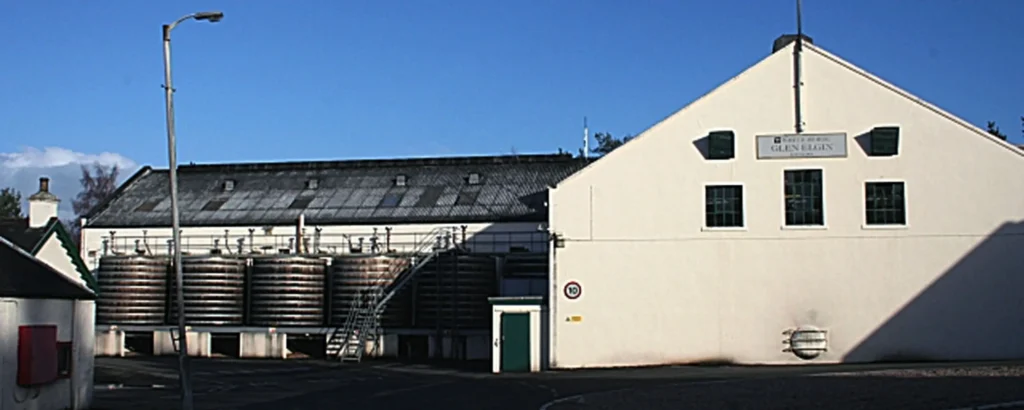
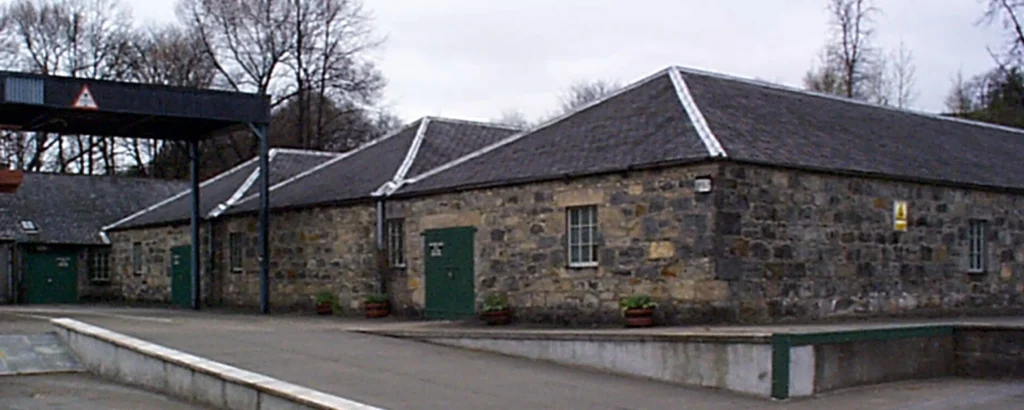
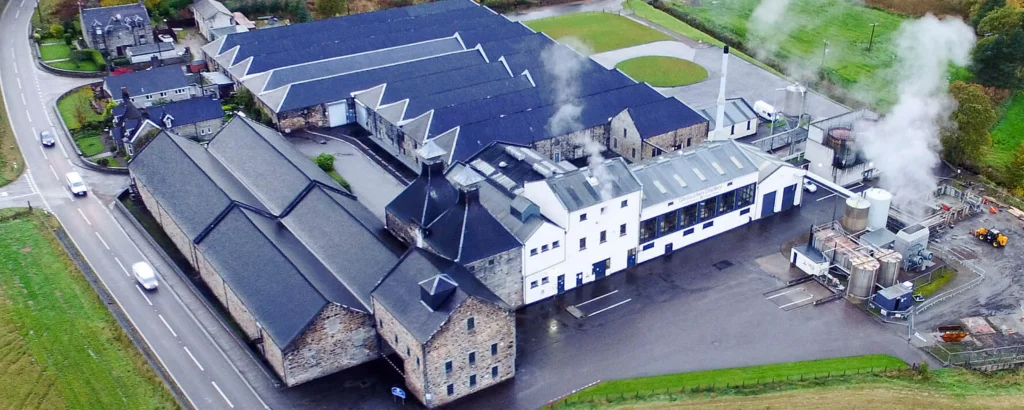
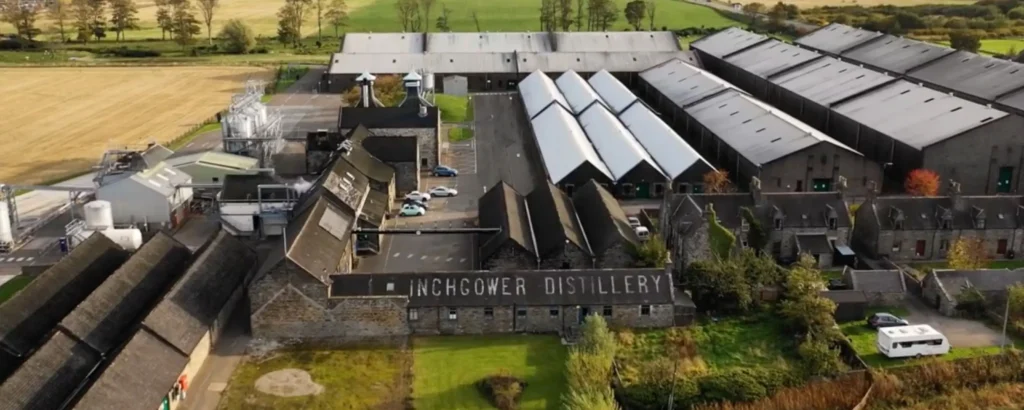
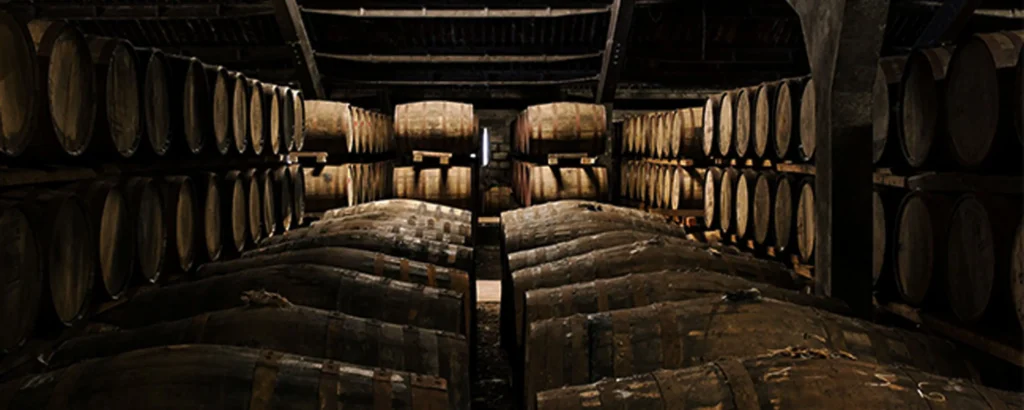
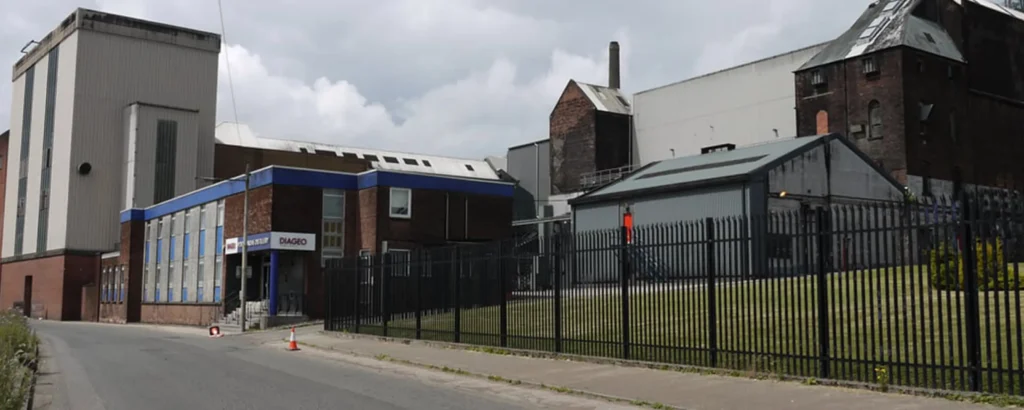
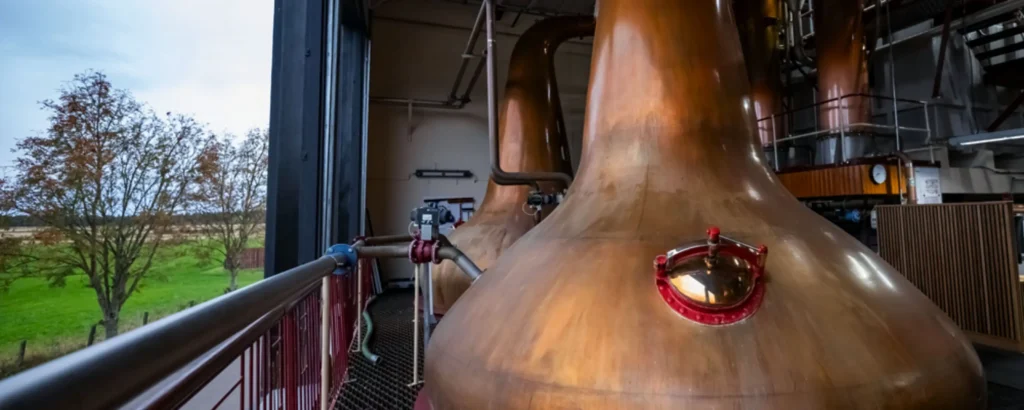
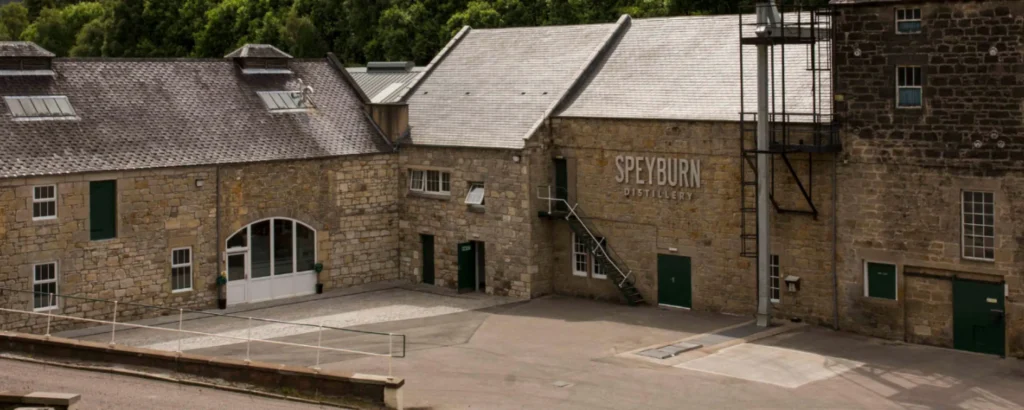
Dailuaine may be less familiar to the general public than some Speyside names, but within the Scotch whisky industry it has an established reputation. Owned by Diageo and used in major blends including Johnnie Walker, its robust spirit has long been valued for the weight, structure and complexity it contributes to blended whisky.
For investors looking to invest in Dailuaine whisky, this industry position is particularly relevant. Dailuaine's investment potential does not depend solely on the strength of a heavily marketed single malt brand. Instead, it combines more than 170 years of distilling history with substantial production, ownership by one of the world's largest drinks companies and an established commercial role within the Scotch whisky supply chain.
With comparatively limited official single malt releases, Dailuaine also offers a different proposition from the household names that dominate Speyside. Its whisky is produced at scale, yet much of that production is destined for blending rather than release under the Dailuaine name.
A Brief History of Dailuaine
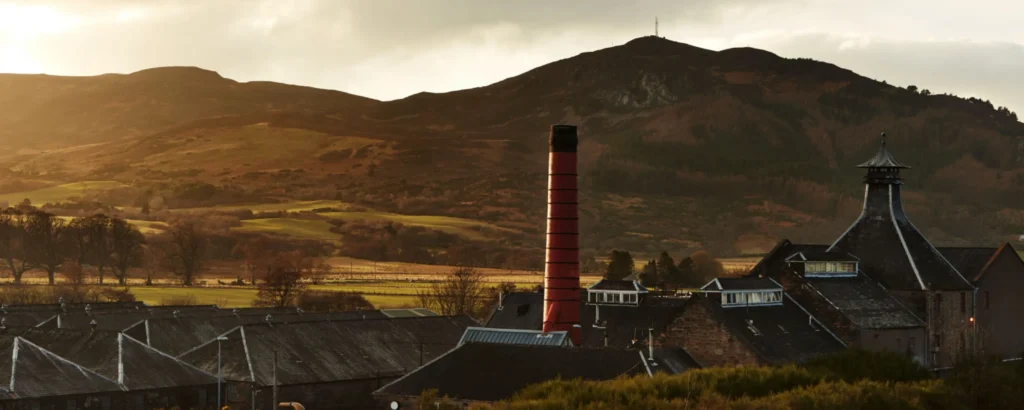
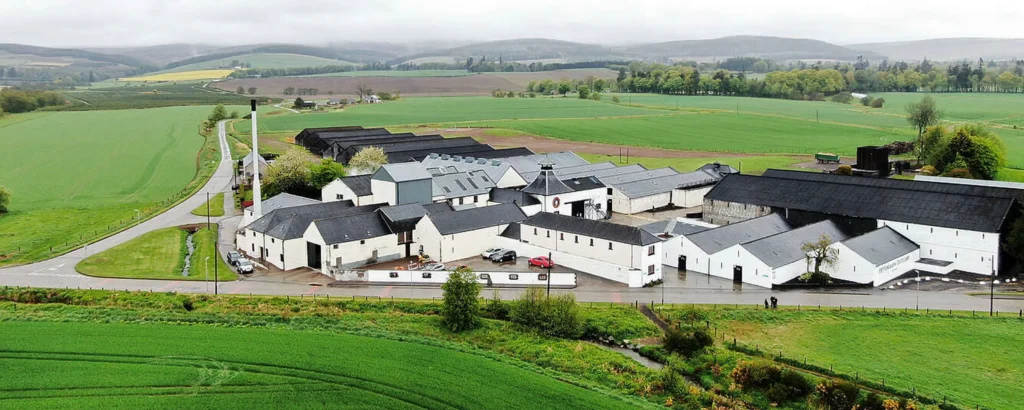
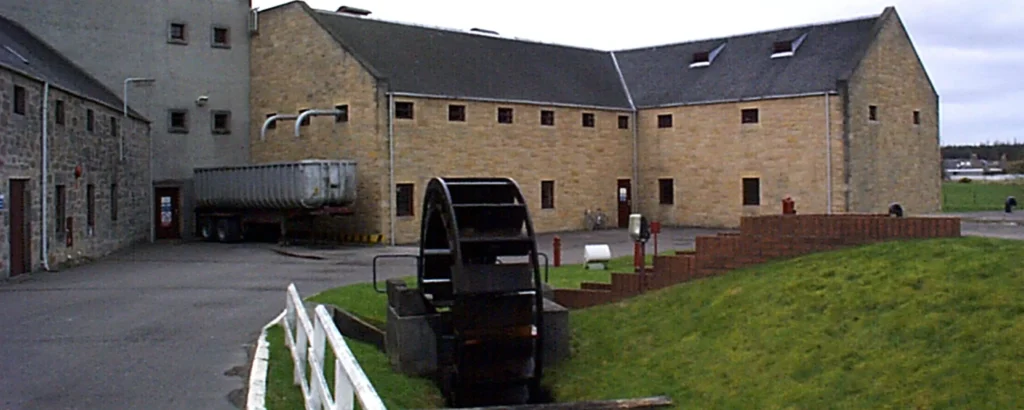
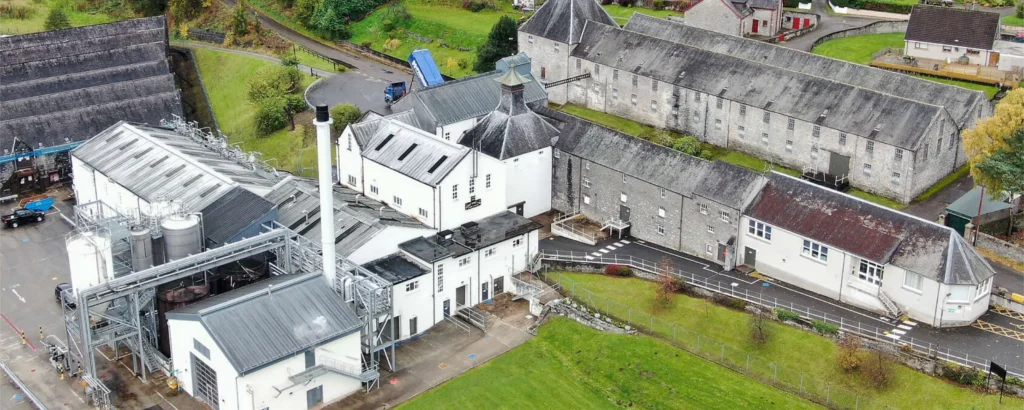
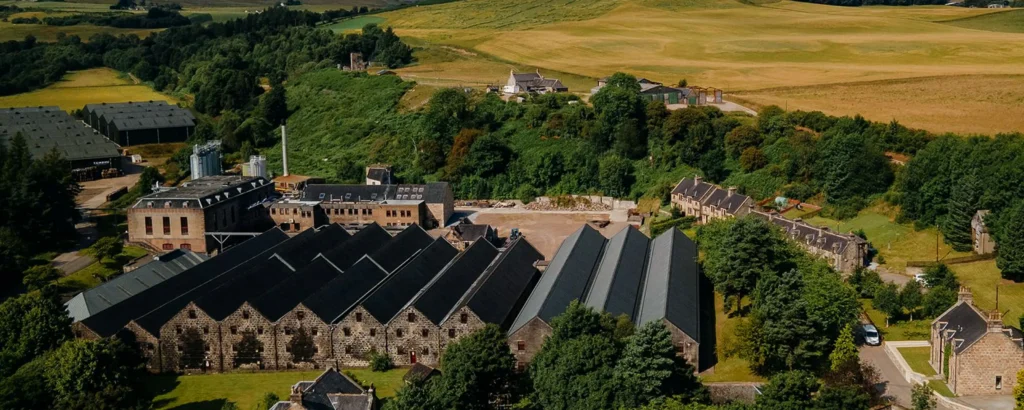
Dailuaine was founded in 1852 by William Mackenzie in Carron, close to the River Spey. The distillery expanded significantly during the late 19th century and became one of the largest malt whisky producers in the Highlands at the time.
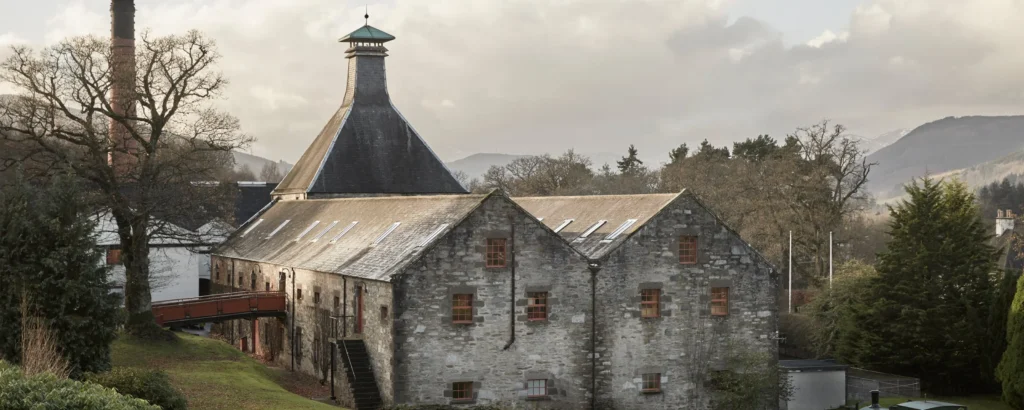
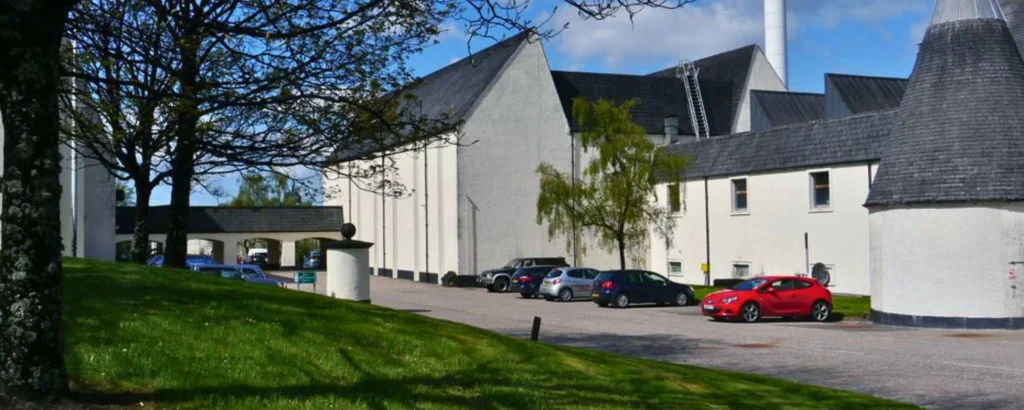
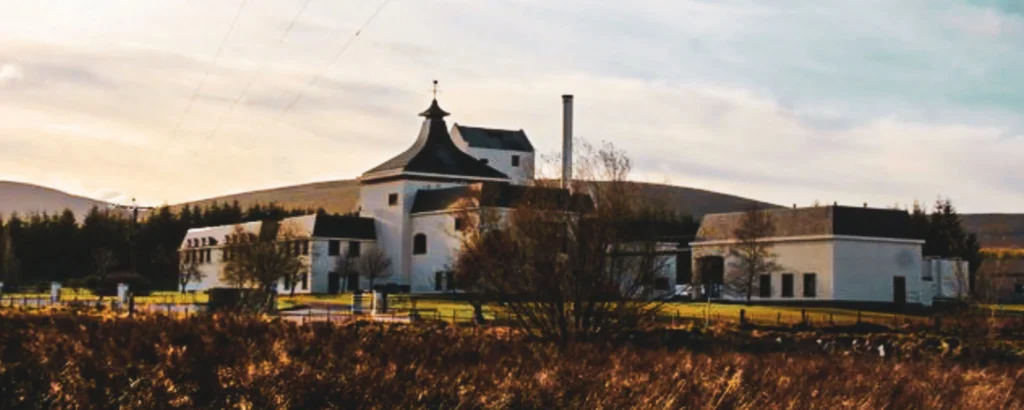
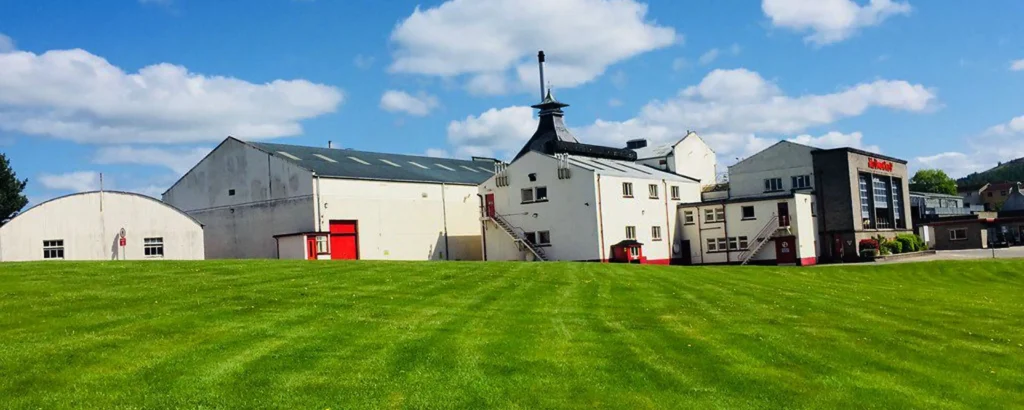
Dailuaine also holds an interesting place in distilling architecture. In 1889, architect Charles Doig designed a new kiln for the distillery featuring a distinctive pagoda-style roof. Variations of this design subsequently appeared at distilleries across Scotland and became one of the most recognisable architectural symbols of Scotch whisky.
Following several changes in ownership, Dailuaine became part of Distillers Company Limited and ultimately Diageo. Today, it operates as an important malt distillery within Diageo's extensive Scotch whisky portfolio.
For those considering whether to invest in Dailuaine whisky, this long production history and integration into a major global spirits business provide important context when assessing the provenance of the underlying asset.
A Whisky Built for the Blending Industry
Dailuaine's significance becomes clearer when viewed through the economics of the wider Scotch whisky industry rather than its visibility on the retail shelf.
Its spirit is traditionally full-bodied and robust, making it particularly useful to blenders seeking weight and structure. Dailuaine has consequently been an important component in blended Scotch, including Johnnie Walker.
Blended Scotch represents a significant share of Scotch whisky sold internationally. Producing those blends requires substantial inventories of malt and grain whisky across different ages and flavour profiles. Distilleries such as Dailuaine therefore fulfil an important commercial function even without the extensive standalone ranges associated with more consumer-facing brands.
This is one reason investors may choose to invest in Dailuaine whisky. Potential demand for mature stock is not necessarily restricted to bottles carrying the Dailuaine name. Depending on the cask, age and market, mature whisky may be relevant to blenders, independent bottlers and other participants within the industry.
What Matters When You Investing in a Dailuaine Cask?
Anyone looking to invest in Dailuaine whisky should assess the individual cask alongside the credentials of the distillery.
Whisky becomes progressively older through maturation, but age alone does not determine investment quality. The price paid at acquisition, cask type, ABV, volume, provenance and storage conditions can all influence the attractiveness and eventual performance of an asset.
The intended holding period also matters. A younger cask provides a different investment proposition from mature stock that has already spent many years in wood. The potential pool of future buyers and exit options may change as the whisky develops.
This makes cask selection fundamental. Two casks distilled at Dailuaine in the same year may represent very different opportunities depending on their individual characteristics and acquisition price.
Invest in Dailuaine Whisky with The 1901 Group
For clients looking to invest in Dailuaine whisky, The 1901 Group considers both the commercial position of the distillery and the fundamentals of the individual cask.
We assess factors including provenance, age, cask type, ABV, volume, maturation profile and acquisition price when sourcing casks for investment. Once acquired, casks are stored in HMRC-regulated bonded warehouses in Scotland, with ownership documentation and ongoing portfolio management throughout the holding period.
Whisky cask investment carries risk and returns cannot be guaranteed. Market demand, future supply, maturation, acquisition price and the available exit route can all affect performance.
Dailuaine nevertheless presents an interesting investment proposition: a historic Speyside producer backed by Diageo, with an established role in globally recognised Scotch whisky blends and a commercial significance that extends well beyond its visibility as a single malt.