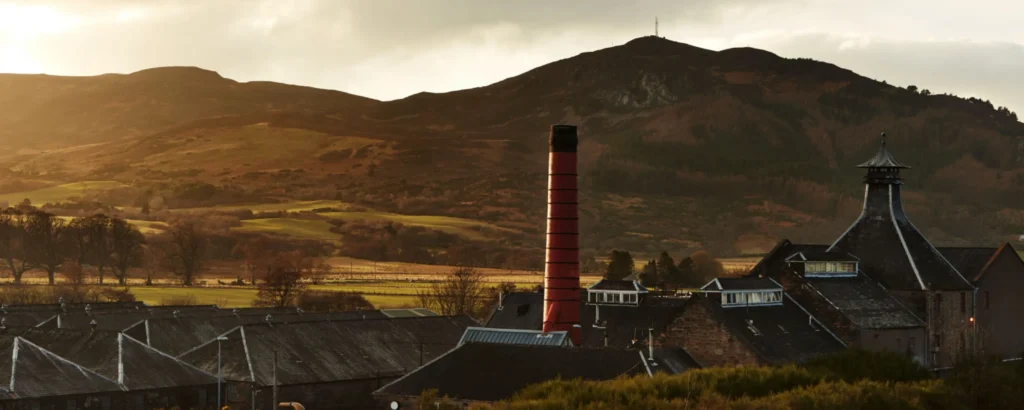
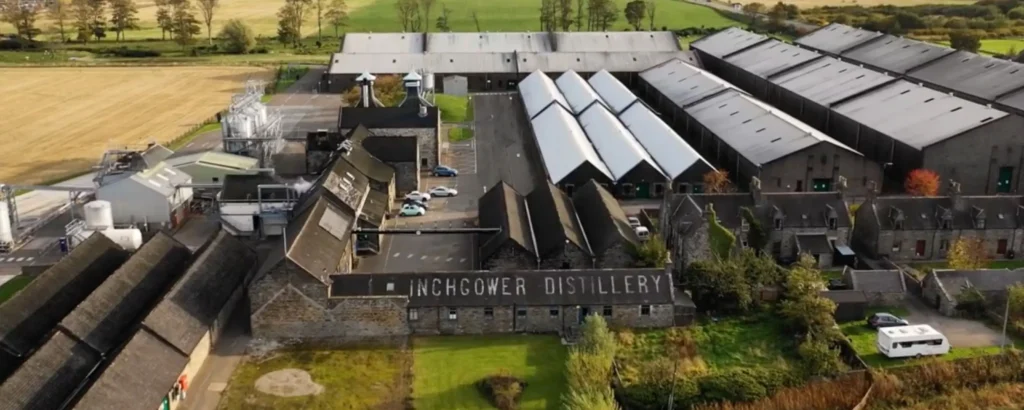
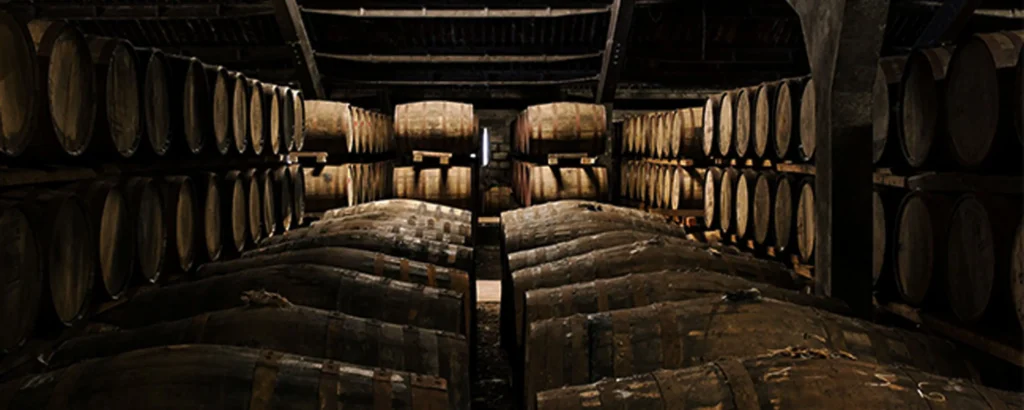
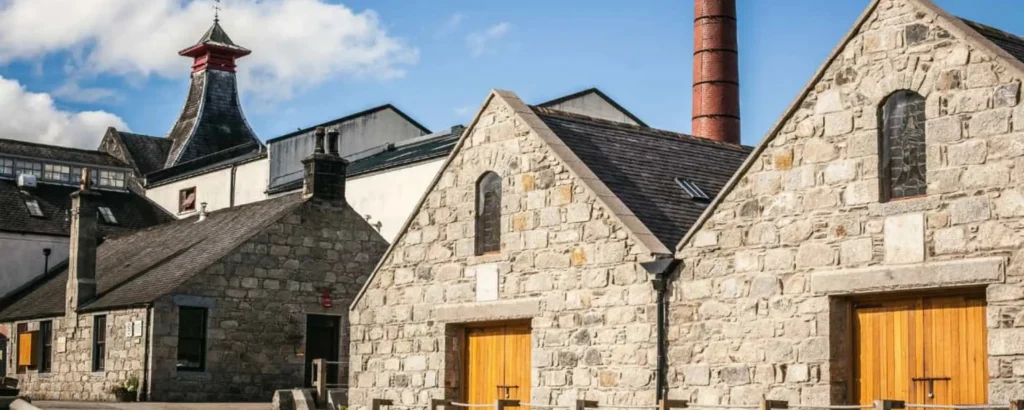
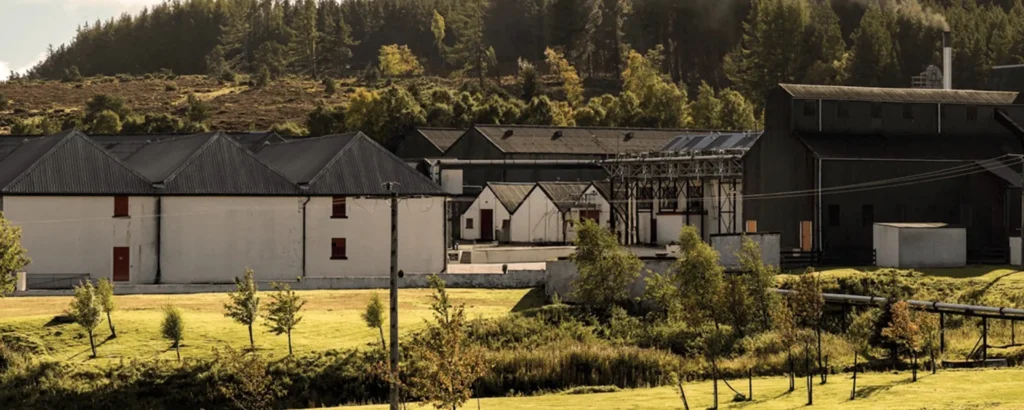
Glen Elgin is one of Speyside's quieter success stories. Although less familiar to the wider public than some neighbouring distilleries, its whisky has played an important role in Scotch blending for almost a century.
Known for its rich, fruity spirit and longstanding connection to White Horse, Glen Elgin has also earned a following among single malt enthusiasts.
For those looking to invest in Glen Elgin whisky casks, the distillery offers an interesting combination of established production, traditional Speyside character and opportunities for maturation across different cask types.
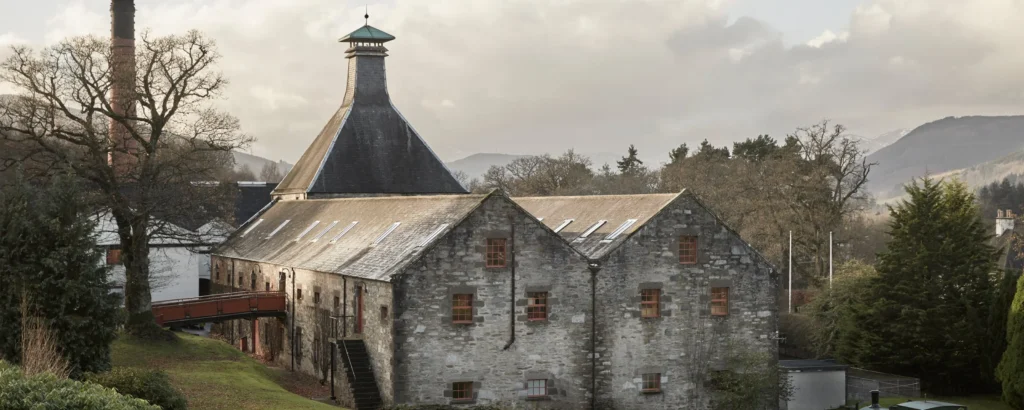
Glen Elgin Distillery: A Victorian Legacy
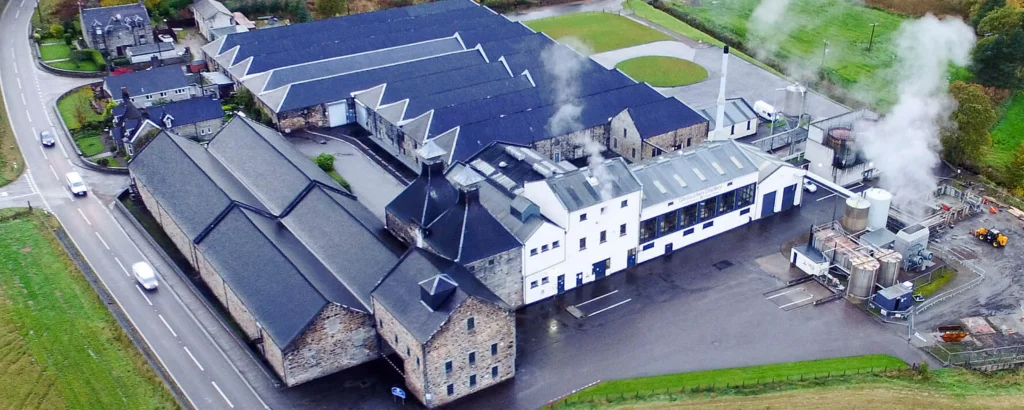
Glen Elgin was founded in 1898 by William Simpson and James Carle, during the final years of Scotland's Victorian whisky boom.
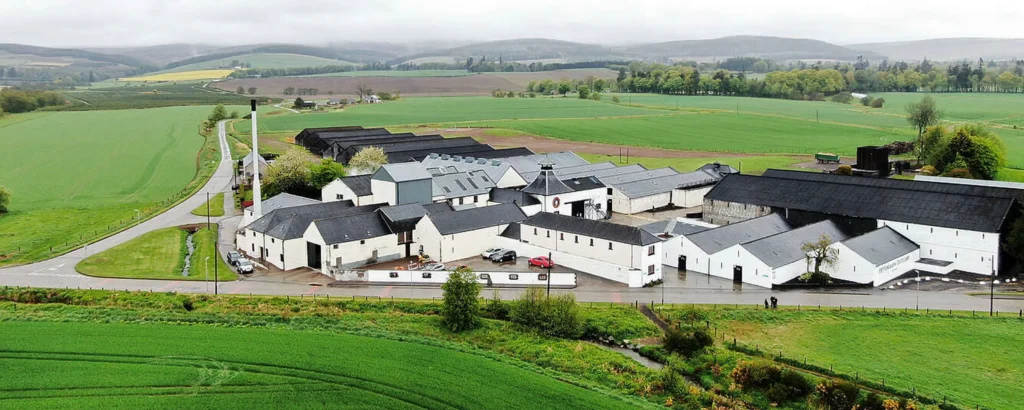
Located just outside Elgin, the distillery was established at a time when growing demand for blended Scotch encouraged investment in new malt whisky production.
However, the industry soon faced difficult trading conditions, and Glen Elgin experienced several changes of ownership during its early decades.
Its fortunes became closely linked to White Horse Distillers in 1930, beginning an association that continues to define much of the distillery's identity.
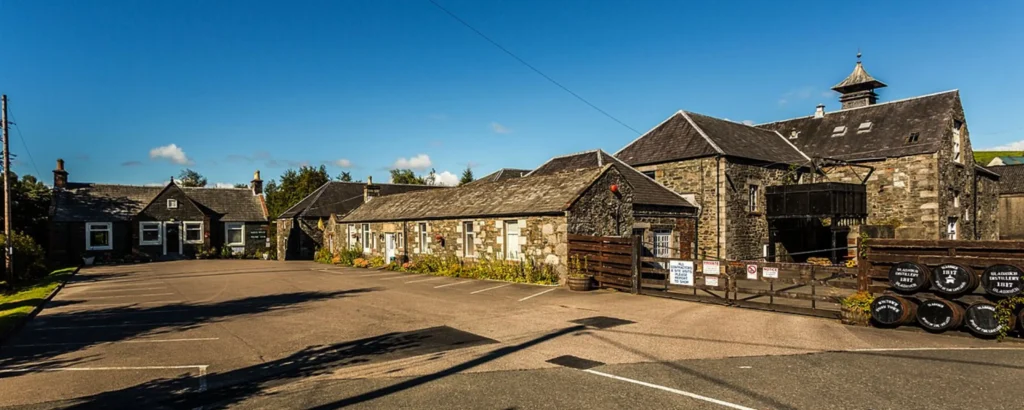
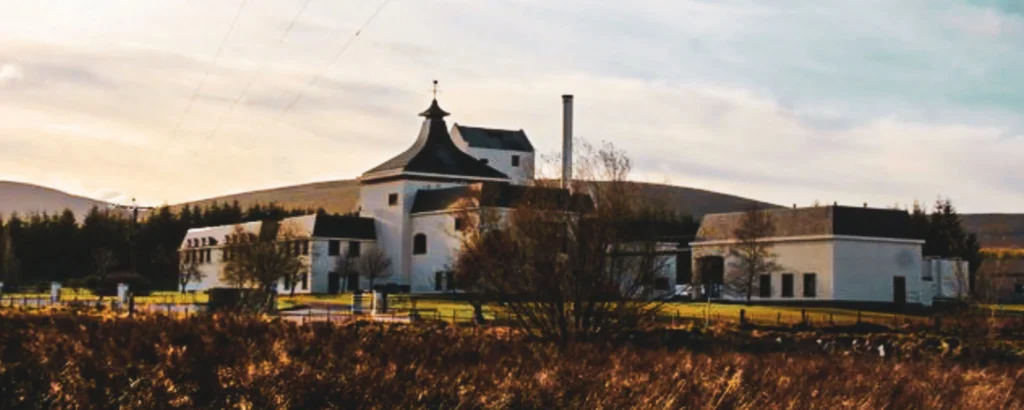
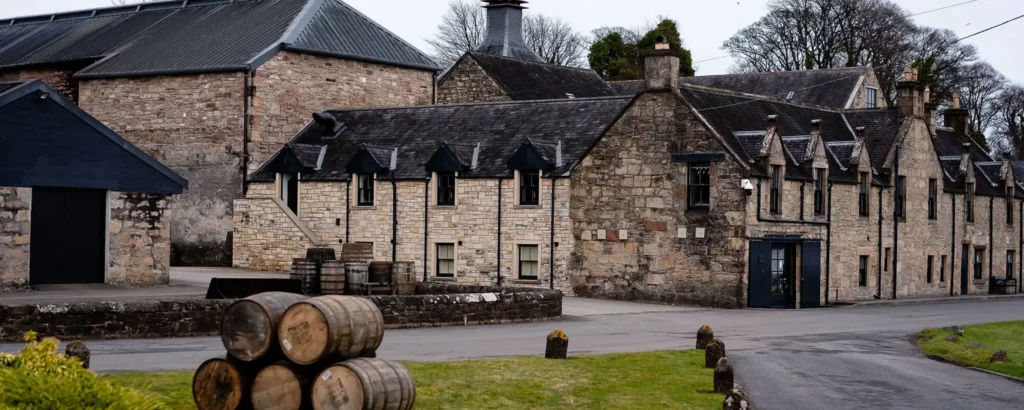
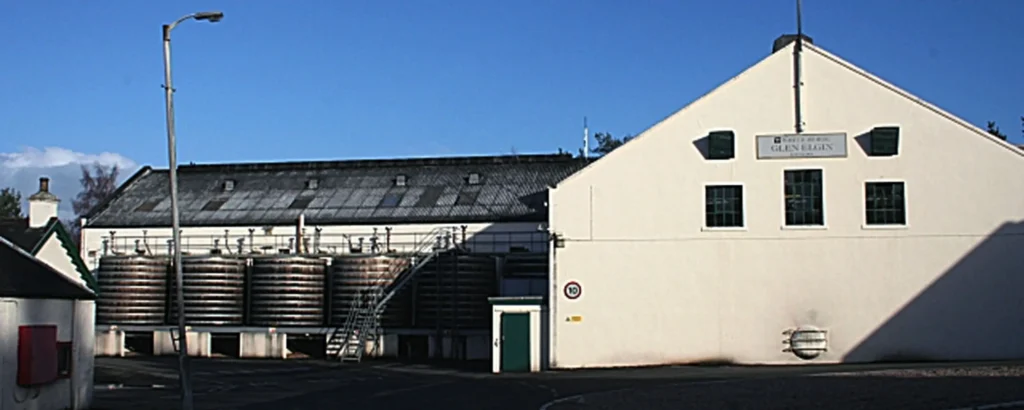
Today, Glen Elgin is owned by Diageo, one of the world's largest spirits producers. Its distinctive White Horse emblem remains visible on the distillery buildings, reflecting this longstanding relationship.
The White Horse Connection
White Horse is one of Scotch whisky's historic blended brands, and Glen Elgin has long been an important component of its malt whisky character. Its contribution comes from a spirit known for sweetness, fruit and a rounded texture, characteristics that can bring depth and balance to blended whisky.
For investors, this established blending role provides useful context as Glen Elgin is not a distillery built solely around consumer demand for its own single malt.
However, demand for blending stock within Diageo's operations does not automatically create a market for privately owned casks. A Glen Elgin whisky investment should therefore be assessed against the availability of potential buyers, independent bottling opportunities and the quality of the individual cask.
What Makes Glen Elgin Whisky Distinctive?
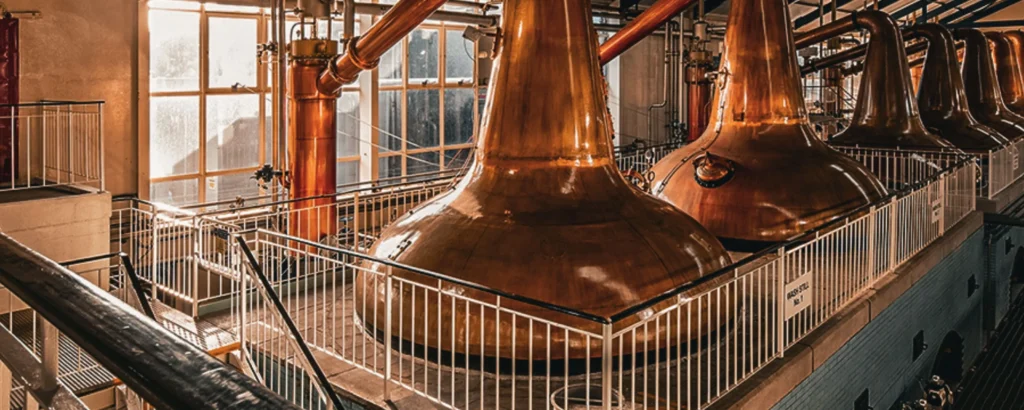
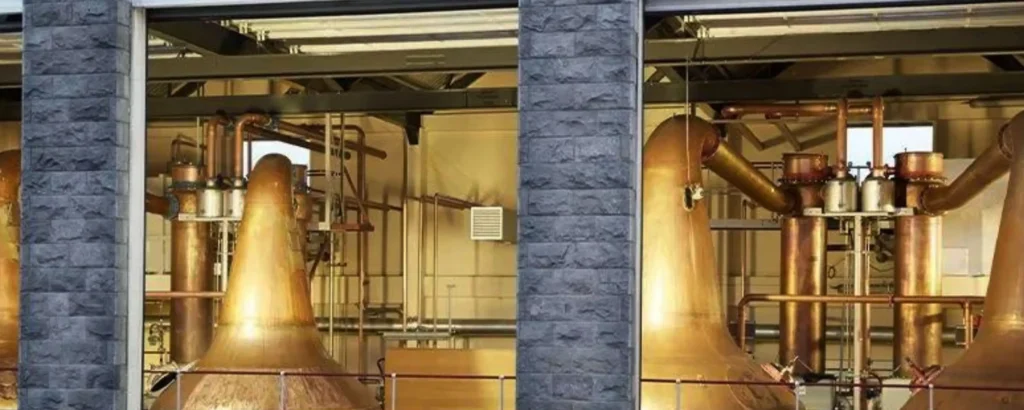
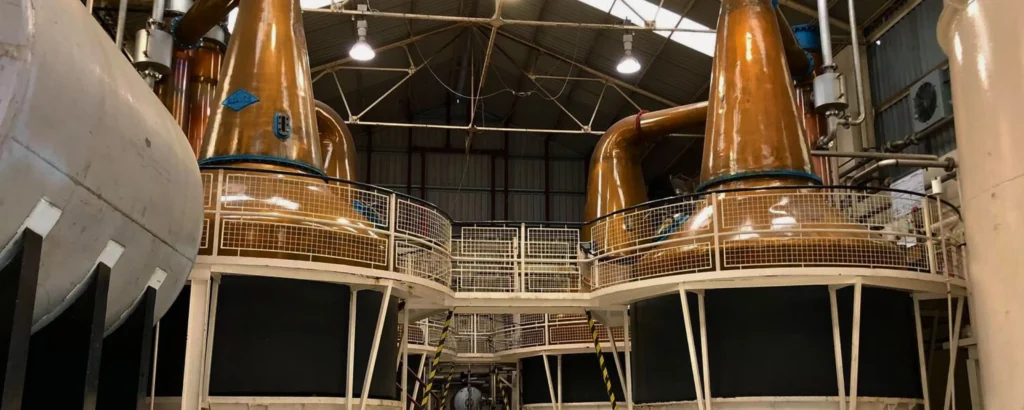
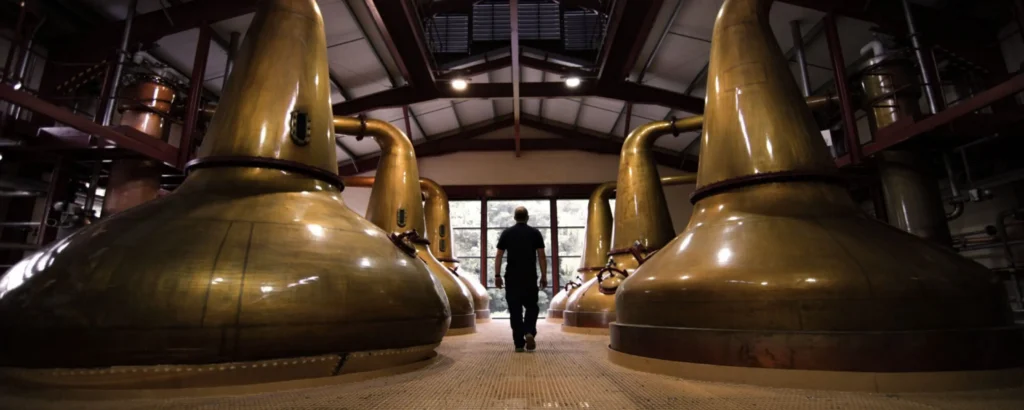
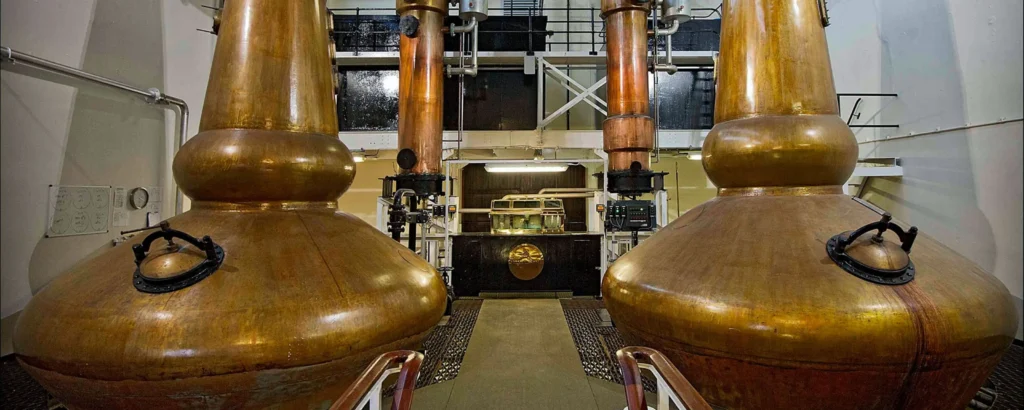
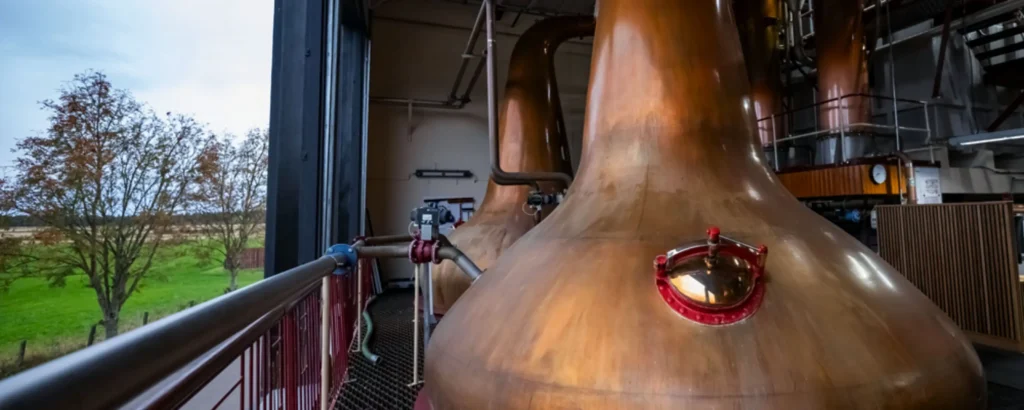
Glen Elgin is recognised for producing a relatively full-bodied Speyside spirit, often displaying notes of orchard fruit, honey, malt and gentle spice. The distillery's traditional worm-tub condensers, which cool alcohol vapour through coiled copper pipes, help shape a spirit with notable weight and texture. This gives Glen Elgin a different profile from some of Speyside's lighter, more delicate malts.
For those considering to invest in Glen Elgin whisky casks, the distillery's spirit character is an important part of assessing maturation potential. A whisky with sufficient body and depth can develop additional complexity over time, although the outcome depends heavily on the wood and storage conditions.
Bourbon or Sherry: Which Casks Suit Glen Elgin?
Glen Elgin's fruity, malty spirit works well with different maturation styles.
Ex-bourbon barrels and hogsheads can infuse notes of vanilla, honey, citrus and orchard fruit while allowing the underlying distillery character to remain prominent. Sherry-seasoned casks, however, may introduce dried fruit, chocolate, warming spice and greater richness.
Neither approach is inherently superior. The most suitable cask depends on the desired maturation profile, the quality of the wood and the intended holding period.
Cask size also matters. A barrel generally offers more wood contact relative to its contents than a larger hogshead, potentially influencing the pace of maturation.
When looking to invest in Glen Elgin whisky casks, investors should consider how these differences might affect both the whisky's development and its eventual appeal to buyers.
Glen Elgin Whisky Investment: What Should Buyers Consider?
Glen Elgin's established history and blending credentials provide a useful starting point, but the individual cask remains the asset being purchased. Age, vintage, cask type, remaining volume and alcoholic strength all influence its potential value.
A recent regauge can help establish how much whisky remains after evaporation through the Angel's Share. Sampling can also provide insight into whether further maturation is desirable.
Ownership documentation and bonded warehouse records should be verified, alongside any restrictions on using the distillery name for future bottling.
The likely exit route is equally important. Potential buyers may include independent bottlers, brokers or other cask owners, but demand and resale prices cannot be assumed.
For any whisky cask investment, storage, insurance, potential bottling expenses and selling costs should form part of the initial assessment.
Is a Good Idea to Invest in Glen Elgin Whisky?
Glen Elgin has several qualities that make it worth considering: more than 125 years of distilling history, an established role in White Horse and a distinctive spirit capable of developing through maturation.
Additionally, its relatively modest public profile may also appeal to investors interested in exploring Speyside beyond its most heavily marketed names.
A Glen Elgin whisky investment should be judged on purchase price, provenance, cask condition and realistic resale prospects rather than reputation alone.
If you're considering whether to invest in Glen Elgin whisky casks, speak to The 1901 Group team about available stock and how individual casks could fit within your wider portfolio.