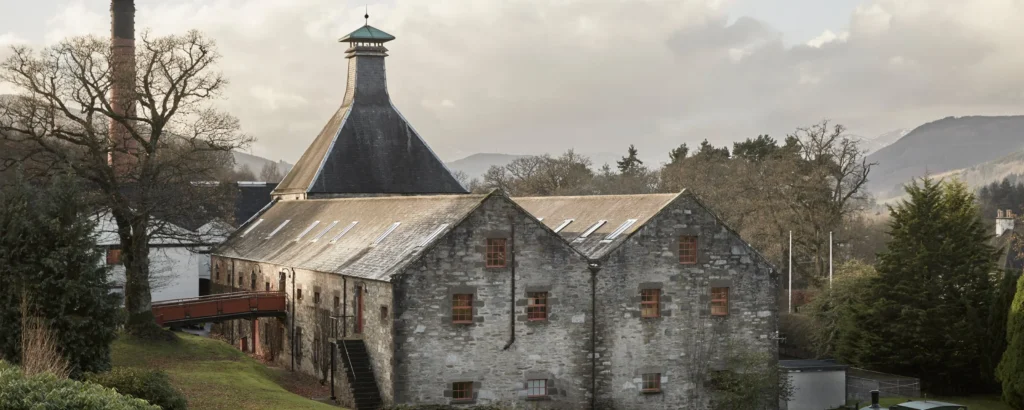
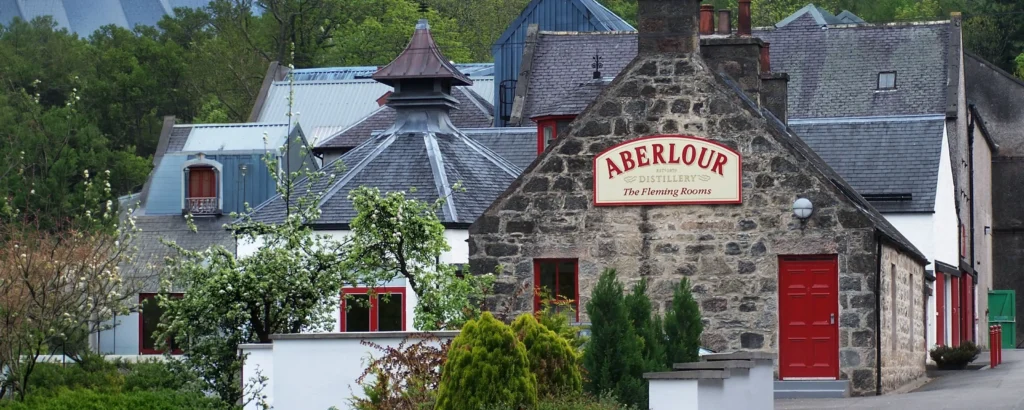
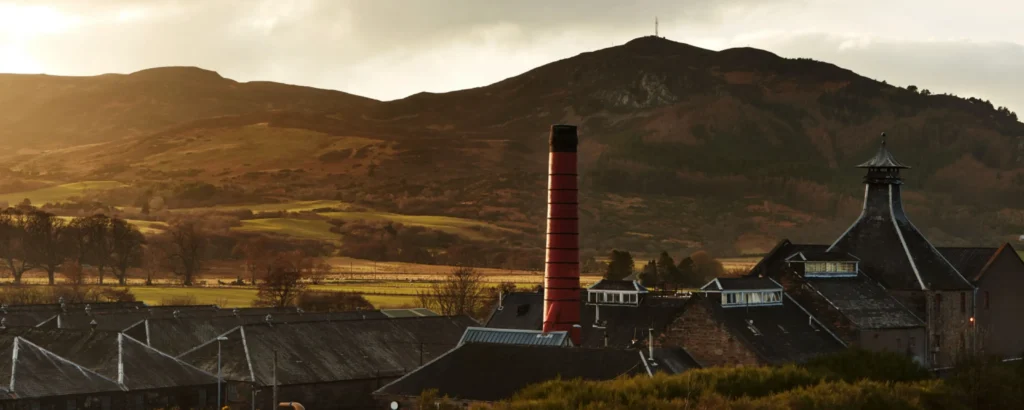
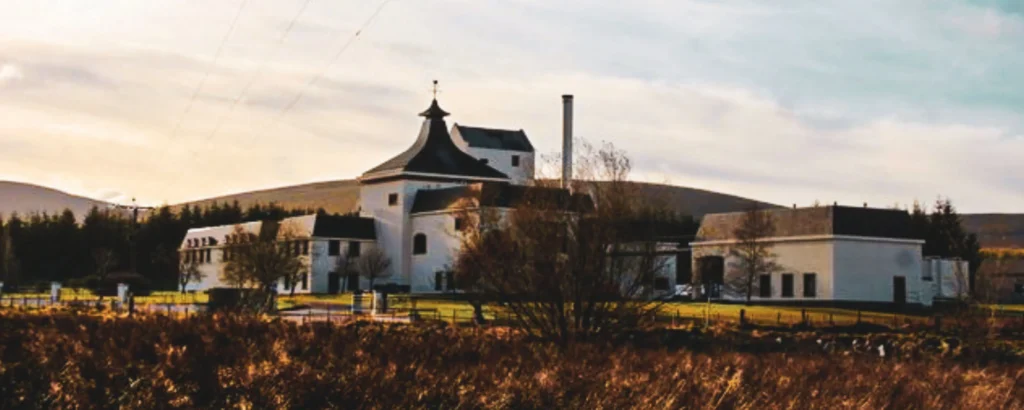
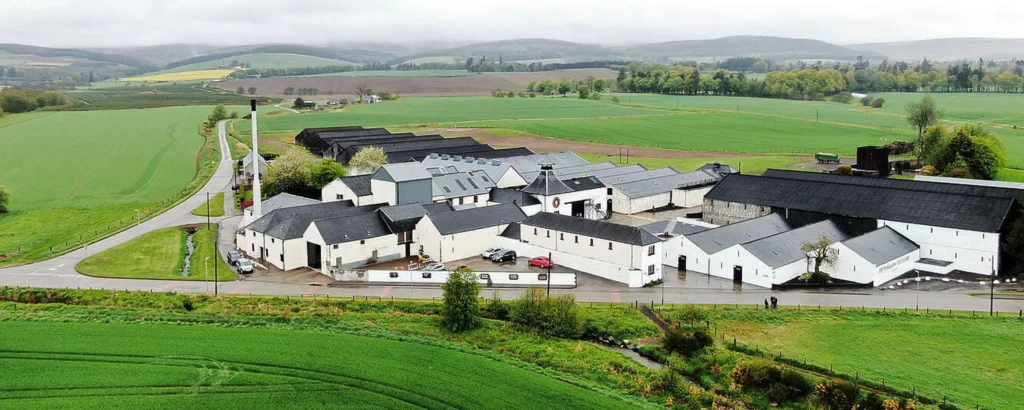
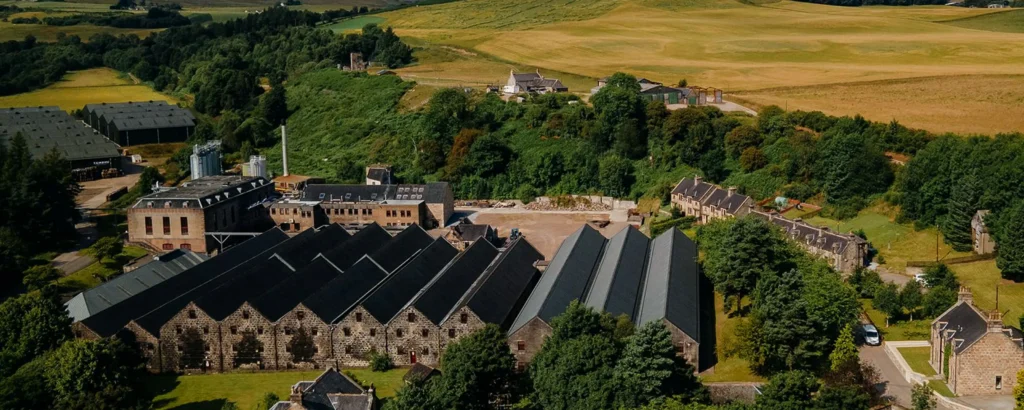
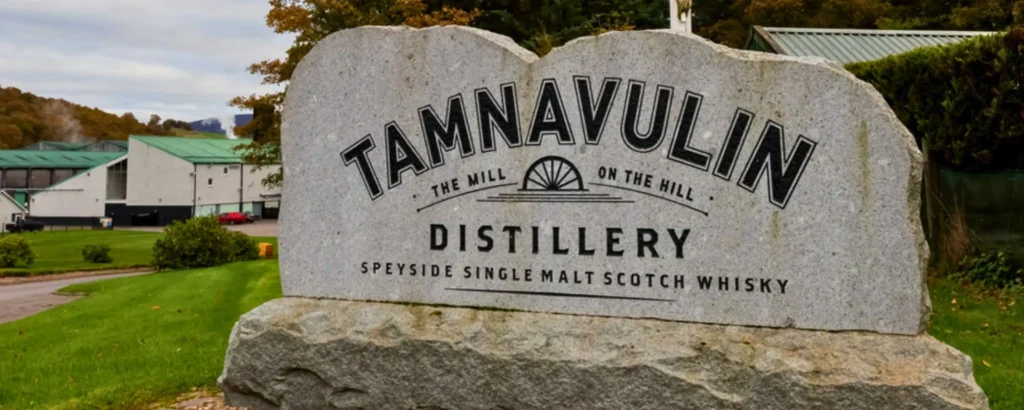
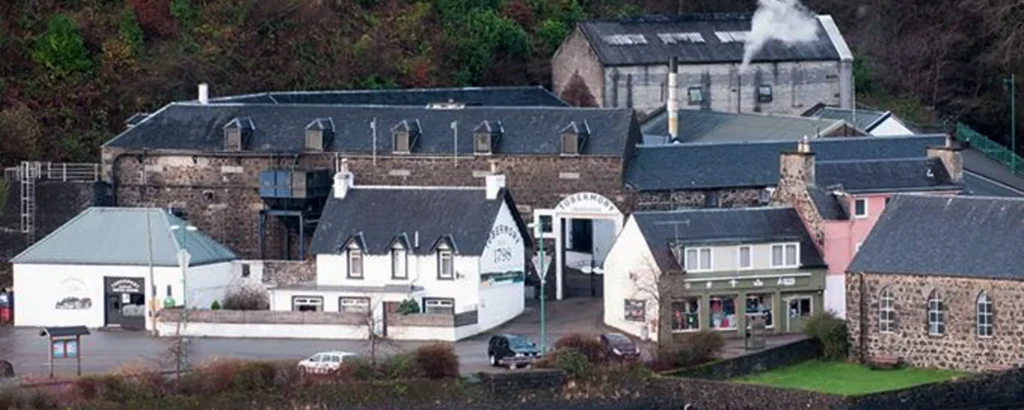
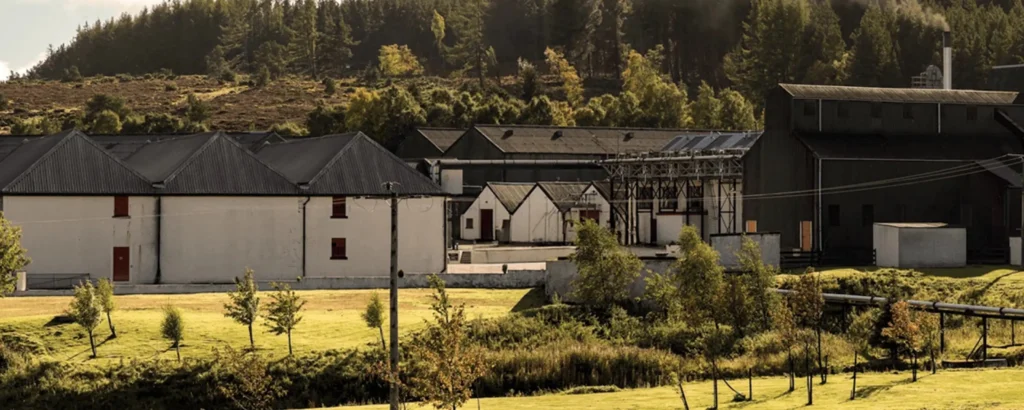
Tucked away in the busy Speyside town of Rothes is Glen Spey, a significant player in J&B Rare.
For investors, Glen Spey represents an interesting example of a distillery whose reputation within the trade is often greater than its visibility among consumers. While the distillery produces approximately 1.4 million litres of spirit annually, the overwhelming majority is destined for blended Scotch whisky rather than official single malt releases. This has created a degree of scarcity around Glen Spey-branded whisky, particularly older casks and independent bottlings.
Those looking to invest in Glen Spey whisky may find value in the distillery's combination of heritage, Diageo ownership and limited single malt exposure. Unlike many household-name Speyside distilleries, Glen Spey remains relatively under the radar despite its long history and strategic importance to one of the world's largest drinks companies. As a result, mature casks can offer exposure to a recognised Speyside producer without the premium often associated with more heavily marketed distilleries.
Investors should assess factors such as cask age, wood policy, expected bottle yield and market demand when evaluating any Glen Spey opportunity. As with all whisky investments, future performance is influenced by rarity, quality, market conditions and collector interest. However, distilleries with limited official bottlings and established blending demand often attract increasing attention as mature stock becomes harder to source.
A Brief History of Glen Spey
Located in the Speyside town of Rothes, Glen Spey is one of the region's lesser-known distilleries despite producing whisky for almost 150 years. Founded in 1878 by local grain merchant James Stuart, the site originally operated as an oatmeal mill known as the Mill of Rothes before being converted into a whisky distillery. In 1887, Stuart sold the distillery to the London-based wine and spirits merchant W&A Gilbey, who renamed it Glen Spey and helped establish its role within the Scotch whisky industry.
Throughout the twentieth century, Glen Spey became closely associated with blended Scotch whisky production. Following a series of mergers and acquisitions, the distillery ultimately became part of Diageo's portfolio and remains an important contributor to J&B, one of the world's most recognised blended Scotch brands. Unlike many Speyside distilleries, Glen Spey has historically released very few official single malts, with most enthusiasts encountering the distillery through independent bottlings or Diageo's Flora & Fauna series.
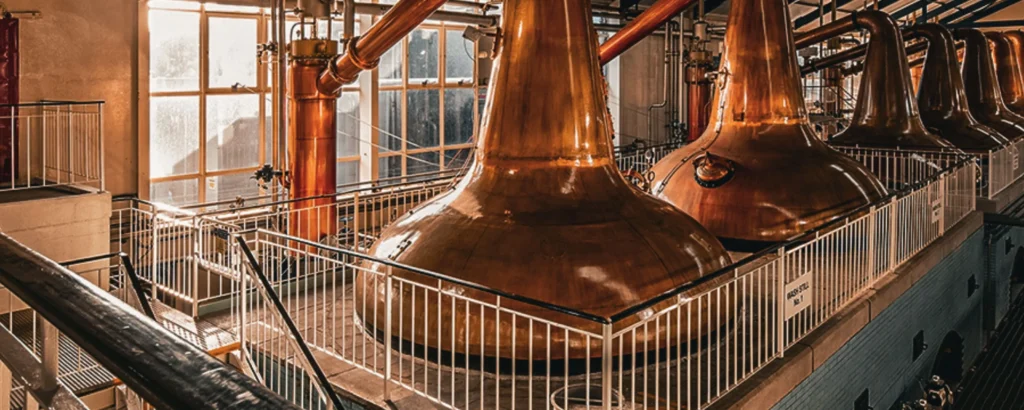
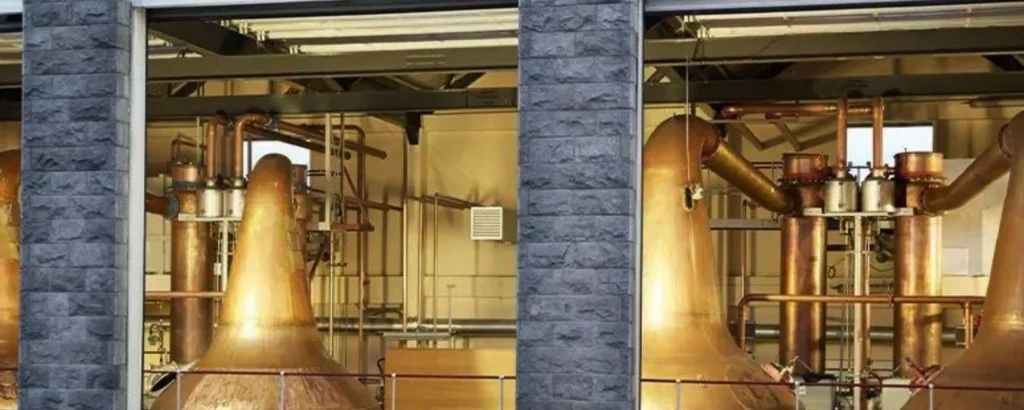
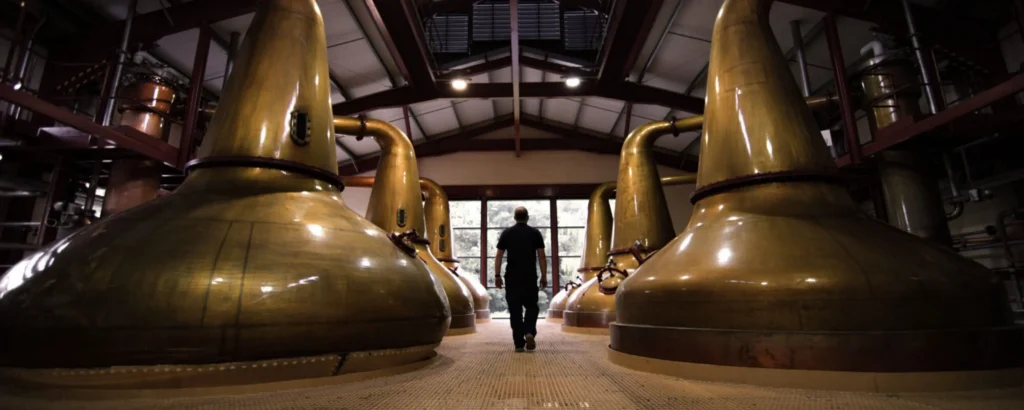
A distinctive feature of Glen Spey's production is the use of purifiers attached to its stills. These devices increase reflux during distillation, creating a lighter, cleaner and more refined spirit style. The resulting whisky is often described as grassy, malty, lightly fruity and subtly nutty, making it particularly well suited to blending while also appealing to enthusiasts seeking lesser-known Speyside single malts.
Why Investors Consider Glen Spey Whisky
Investors are increasingly looking beyond Scotland's most famous distilleries and towards established producers with strong fundamentals and lower market visibility. Glen Spey fits this profile well. Founded in 1878 and now owned by Diageo, the distillery benefits from almost 150 years of whisky-making heritage while remaining one of Speyside's lesser-known names.
A key factor supporting interest in Glen Spey is the relatively limited availability of official single malt releases. Despite producing substantial volumes of spirit each year, much of its output is reserved for blends, particularly J&B. This means comparatively little Glen Spey reaches the market as single malt, creating a degree of scarcity that can become increasingly significant as casks mature and stocks diminish over time.
The distillery's distinctive production methods also help set it apart. Glen Spey's use of purifiers during distillation creates a lighter, refined spirit character that has earned appreciation among independent bottlers and whisky enthusiasts. Combined with growing interest in under-the-radar Speyside distilleries, these characteristics contribute to Glen Spey's appeal for investors seeking exposure to a historic Scotch whisky distillery with long-term potential.