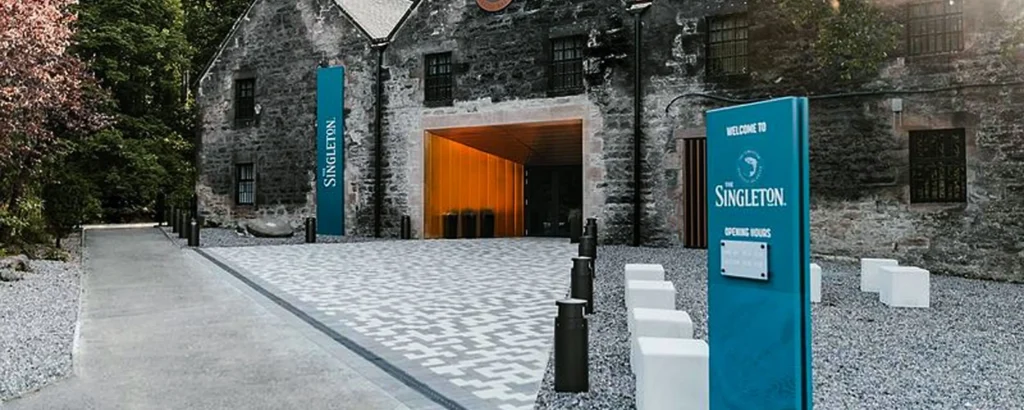
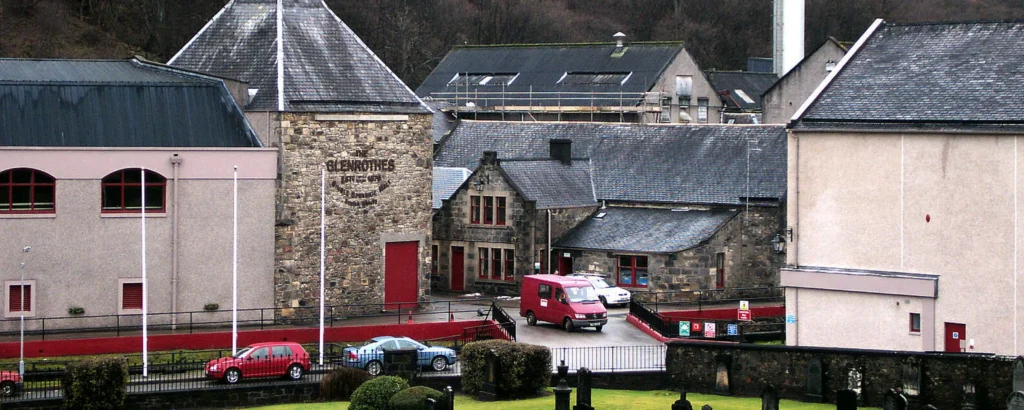
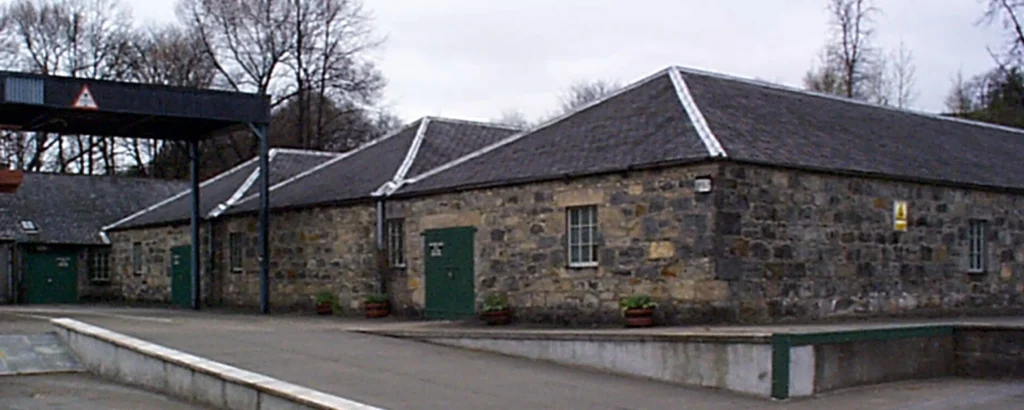
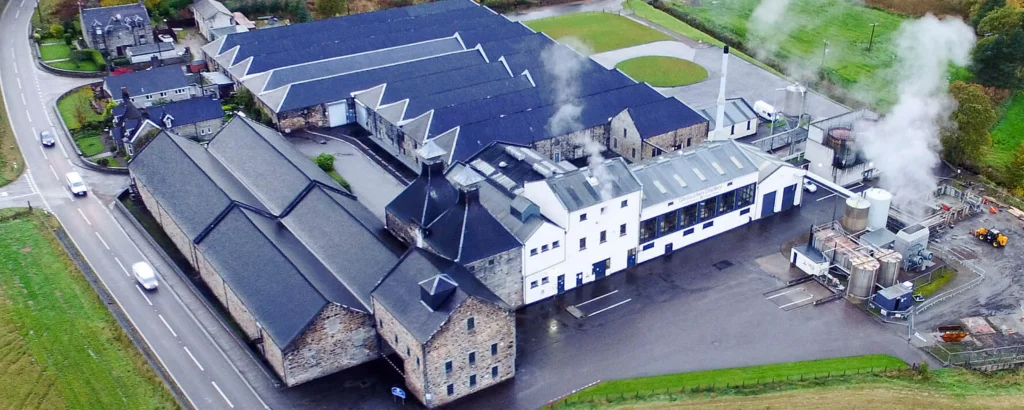
Glenmorangie is one of Scotland's most recognisable single malt distilleries, known for its elegant Highland spirit, exceptionally tall copper stills and pioneering approach to cask maturation.
Its longstanding experimentation with different types of oak has helped shape modern Scotch whisky production. For those exploring Glenmorangie whisky investment, the distillery's international reputation and expertise in maturation offer an interesting starting point.
A Brief History of Glenmorangie Distillery
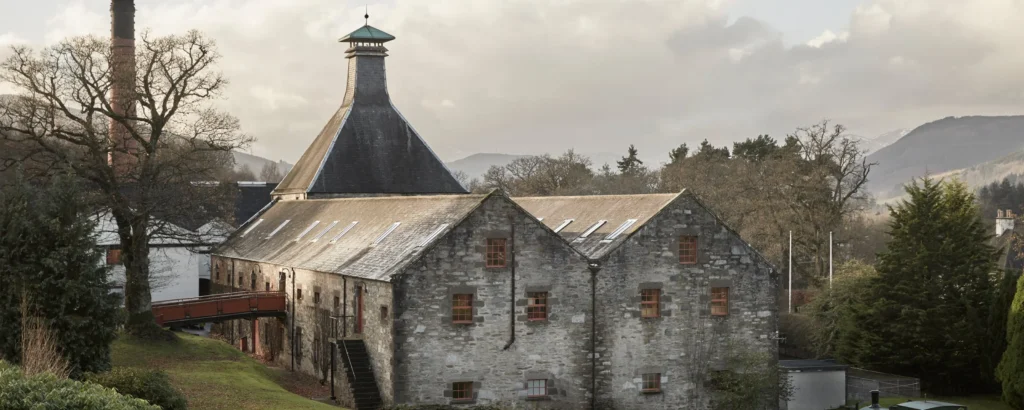
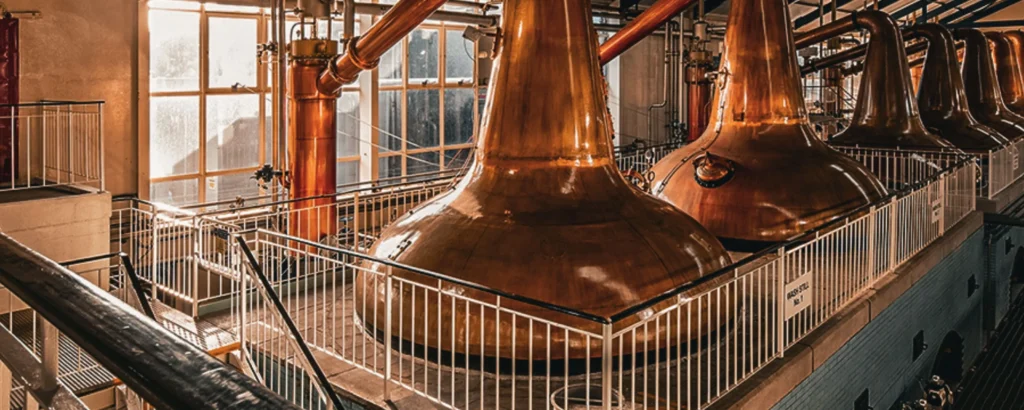
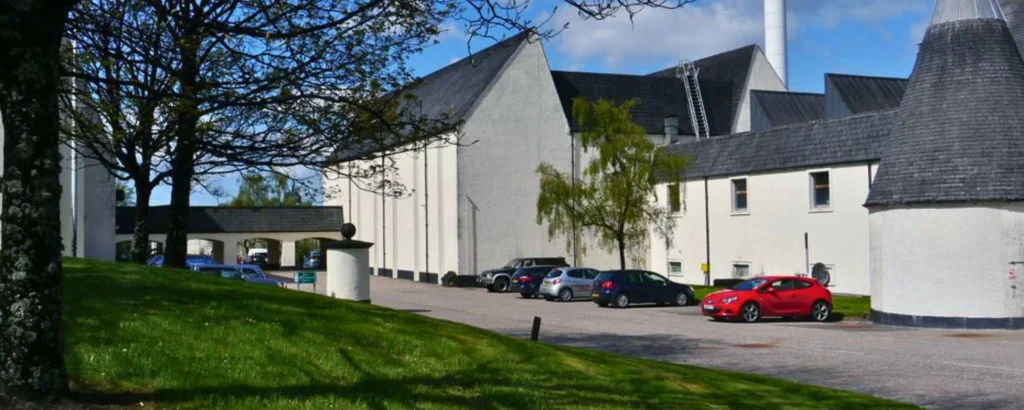
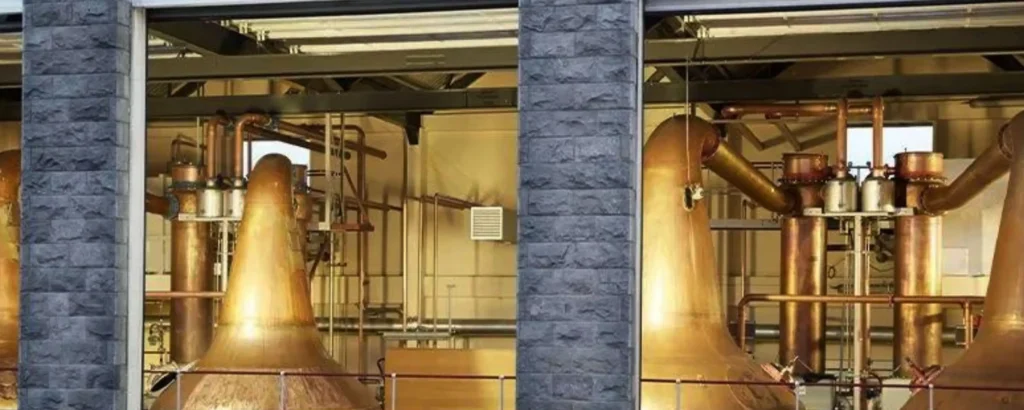
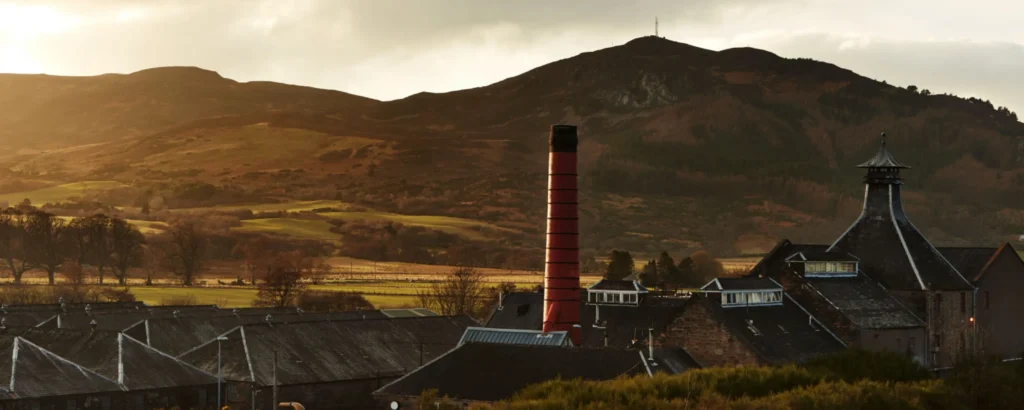
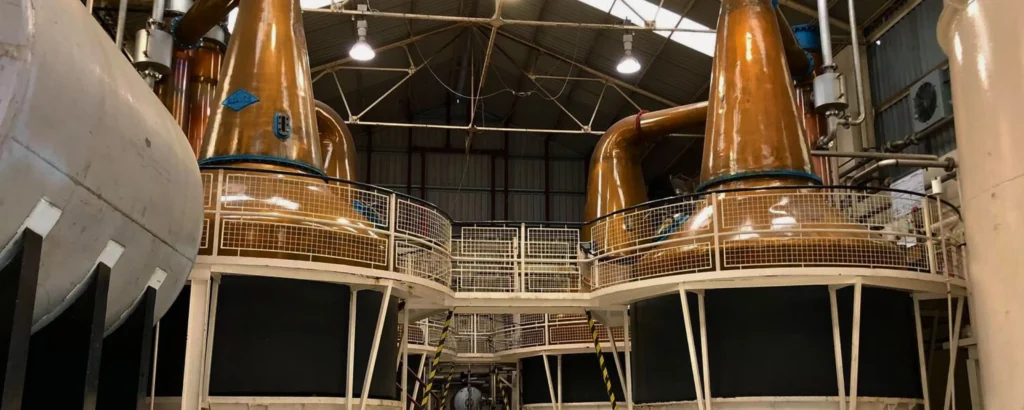
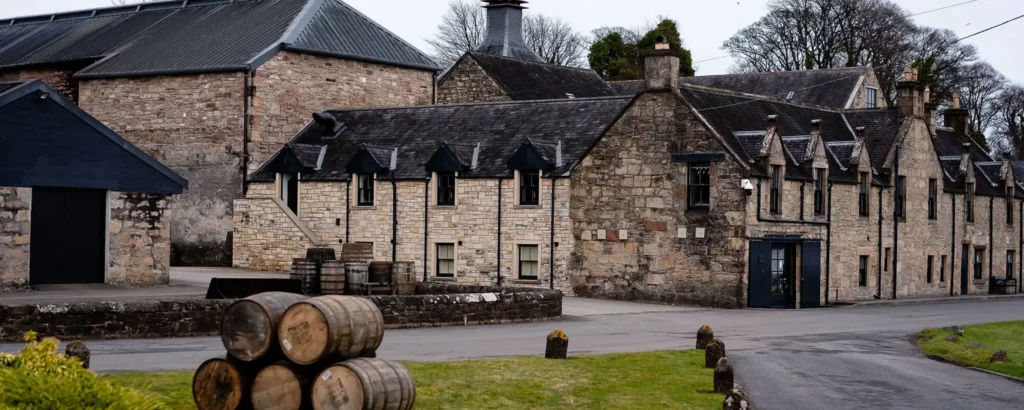
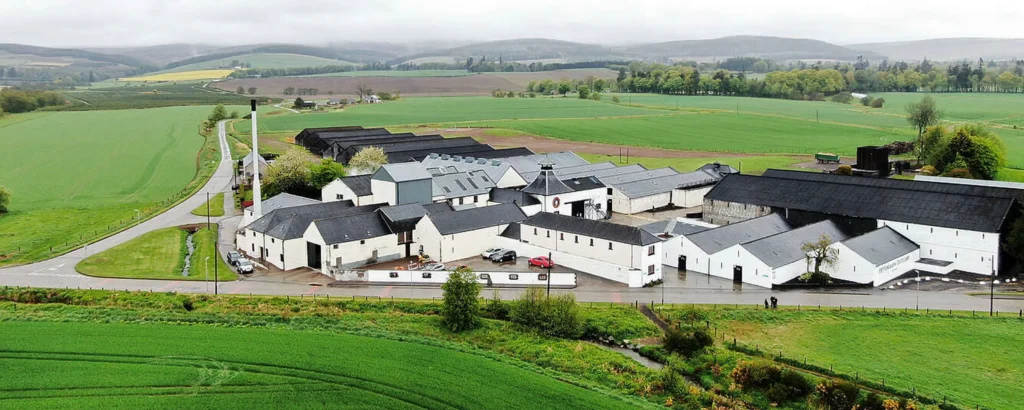
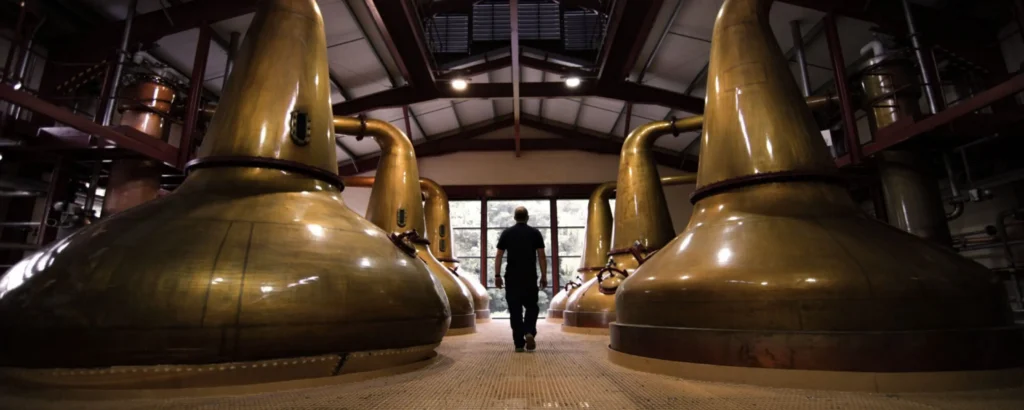
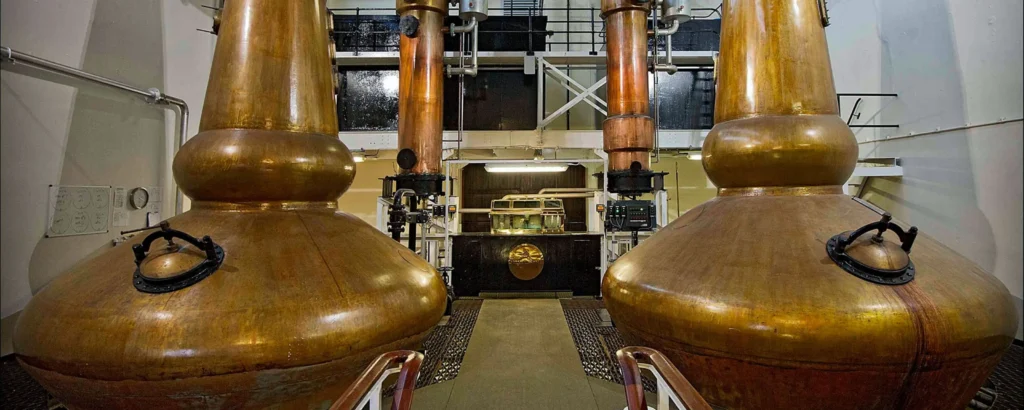
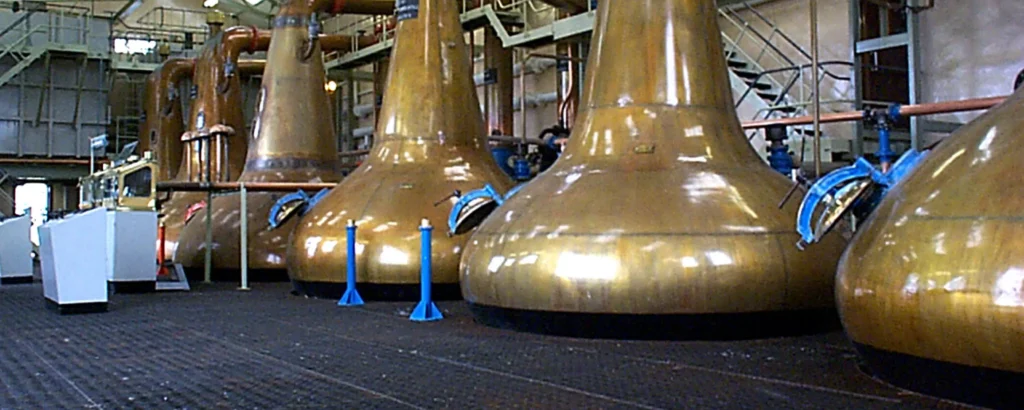
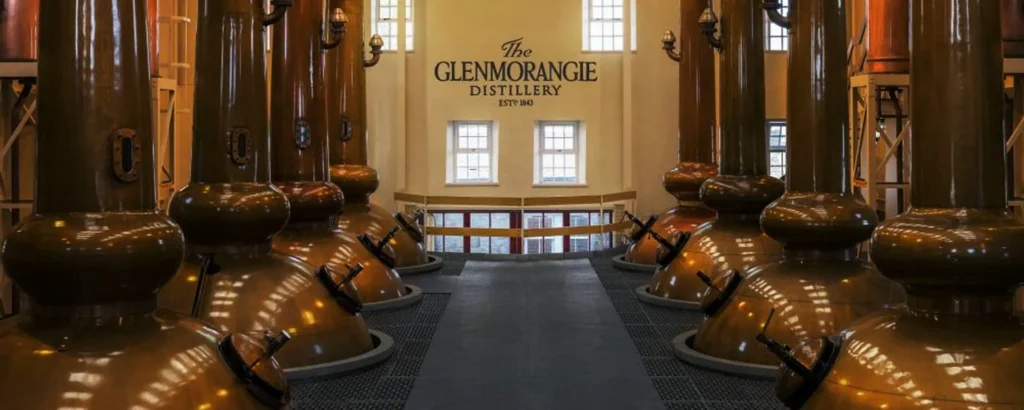
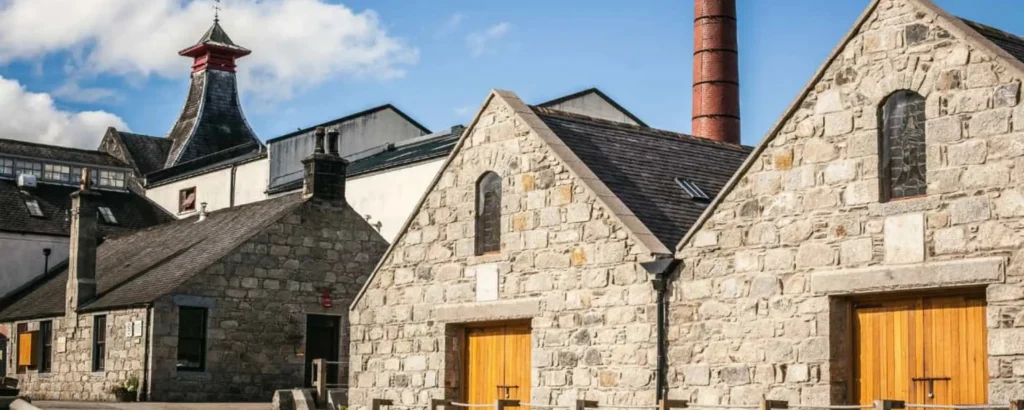
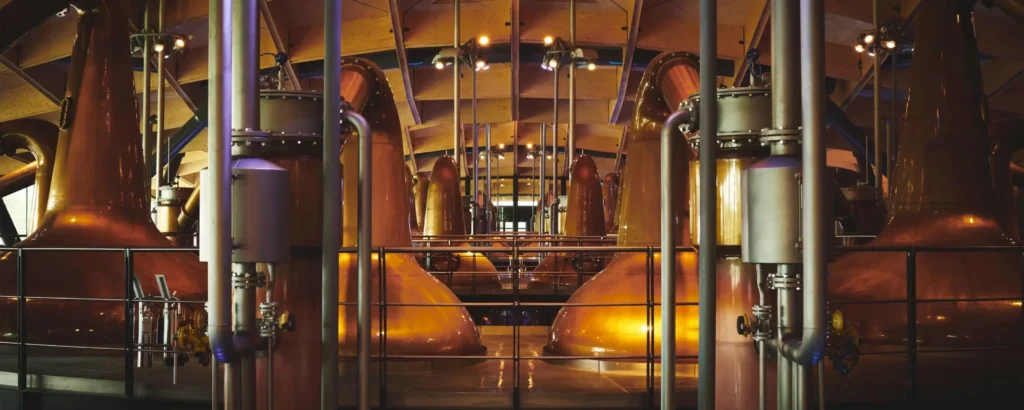
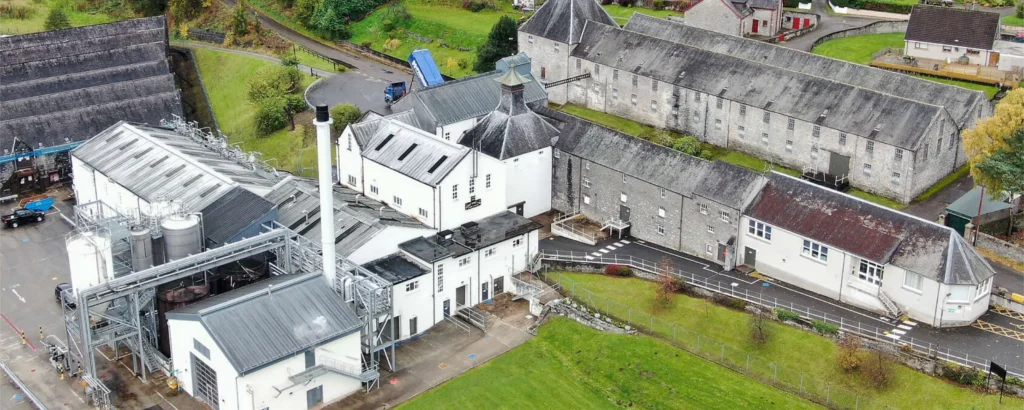
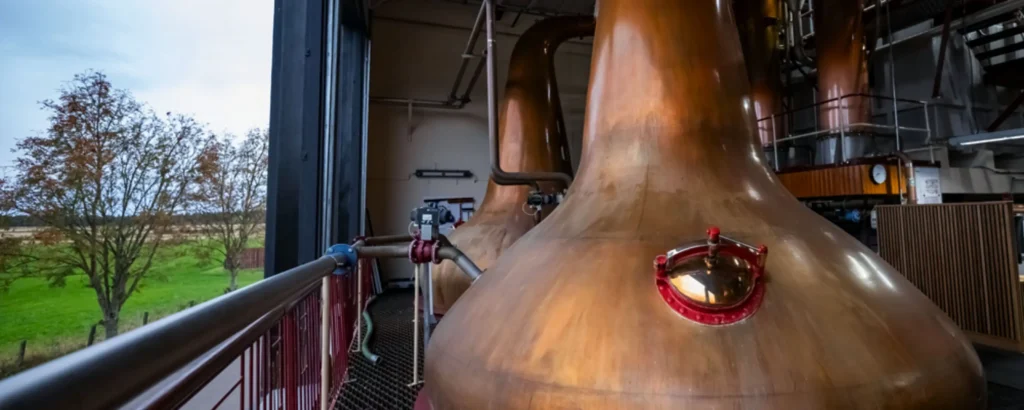
Glenmorangie was established in 1843 by William Matheson, who converted a former brewery into a distillery near Tain, overlooking the Dornoch Firth. The distillery's defining feature is its exceptionally tall copper pot stills, which stand approximately 5.14 metres high. Originally based on stills designed for gin production, their long necks encourage greater contact between alcohol vapour and copper, helping create Glenmorangie's delicate, fruity spirit.
In 2004, Glenmorangie became part of Moët Hennessy, bringing further investment in production facilities and international expansion.
Today, it ranks among the world's leading single malt brands. With its reputation built on both traditional distilling techniques and an innovative approach to whisky maturation Glenmorangie is worth considering for whisky investment.
What Makes Glenmorangie Whisky Distinctive?
Much of the distillery's approach to whisky creation has been shaped by Dr Bill Lumsden, who joined Glenmorangie in 1995 and has played a leading role in developing its maturation programme.
Glenmorangie's spirit is typically light, floral and fruity, with notes of citrus, orchard fruit, honey and gentle sweetness. This character provides a versatile foundation for oak maturation, allowing different cask types to introduce additional complexity without overwhelming the original spirit.
The distillery has also established The Lighthouse, a dedicated experimental facility where new production techniques can be explored independently of its main operations.
This commitment to innovation has helped distinguish Glenmorangie within the Scotch whisky industry. For those considering Glenmorangie whisky investment, understanding the relationship between spirit character, wood selection and maturation is an important part of evaluating individual casks.
How Does Glenmorangie Whisky Develop in the Cask?
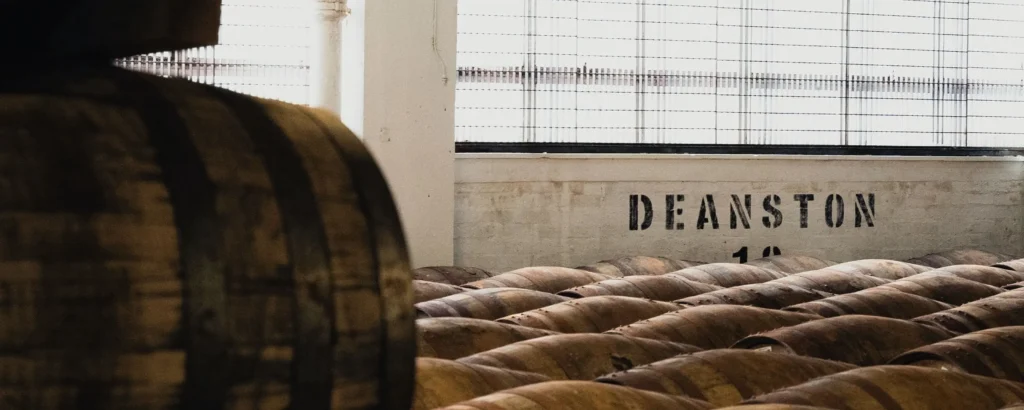
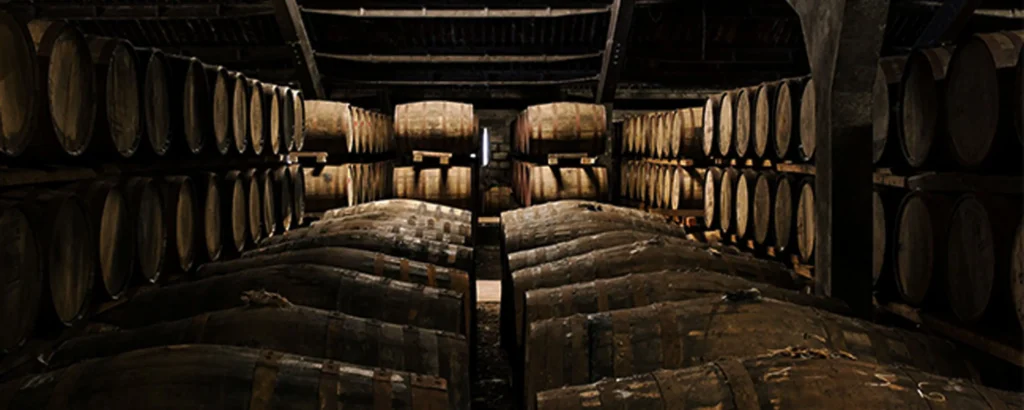
American white oak, particularly ex-bourbon barrels, forms the foundation of Glenmorangie's traditional maturation programme. These casks contribute vanilla, honey, coconut and gentle spice, complementing the distillery's naturally fruity spirit. Glenmorangie is also known for its use of specially selected American oak, including casks made from slow-grown timber and seasoned before being used for bourbon maturation.
Beyond bourbon wood, the distillery has experimented extensively with secondary maturation in Oloroso and Pedro Ximénez sherry casks. They can introduce notes of dried fruit, chocolate and richer sweetness. Ruby port pipes contribute red fruit and additional depth, while Sauternes wine casks bring honeyed sweetness and citrus notes.
More experimental maturation programmes have included new charred oak, rye whiskey casks and Madeira wine casks, demonstrating how different types of wood can influence the same underlying spirit.
However, these techniques do not necessarily reflect the maturation history of privately available stock.
Anyone looking to invest in Glenmorangie whisky casks should establish the exact cask type, previous contents and whether the whisky has undergone additional maturation.
Why Does Glenmorangie Whisky Investment Attract Interest?
Glenmorangie benefits from considerable international recognition, supported by its long history and established position within the single malt market.
Its reputation for experimenting with wood may also appeal to buyers interested in how different maturation techniques influence whisky quality.
However, the market for privately owned Glenmorangie casks differs from the consumer market for its whisky. Strong brand recognition does not guarantee that a particular cask will attract a buyer or achieve a higher resale price. A Glenmorangie whisky investment should therefore be assessed according to the individual cask's provenance, condition and realistic resale opportunities.
Understanding Glenmorangie Cask Ownership
Before purchasing, investors should confirm that the seller has clear title to the whisky and that the cask is held in an appropriate bonded warehouse.
Documentation should identify the distillation date, cask number, wood type and current warehouse location.
Any restrictions on transferring ownership or using the Glenmorangie name for independent bottling should also be established.
Those planning to invest in Glenmorangie whisky casks need to understand who might eventually purchase the stock, whether an independent bottler, broker or another private buyer.
What Should Investors Consider Before Buying?
Firstly, maturation changes both the character and quantity of whisky inside a cask.
Secondly, over time, evaporation reduces the remaining volume, while alcohol strength may also change. Warehouse records, regauging information and samples can provide a clearer picture of the whisky's condition and whether further ageing is desirable.
Furthermore, cask size, previous fills, storage charges and potential selling expenses should also be considered.
For anyone investing in whisky casks, understanding these details is essential to evaluating the overall cost of ownership.
A whisky cask investment should be based on the quality of the underlying asset and a realistic exit strategy, rather than expectations of automatic appreciation with age.
Is Glenmorangie Whisky a Good Investment?
Glenmorangie combines more than 180 years of distilling history with a distinctive Highland spirit and an influential approach to oak maturation.
Its international reputation makes it an interesting distillery to consider, although the quality and availability of individual casks remain central to any purchasing decision.
Glenmorangie whisky investment carries risks, and future demand, resale prices and returns cannot be guaranteed.
Speak to The 1901 Group team to explore available opportunities and discuss the practical considerations involved in owning a Glenmorangie whisky cask.