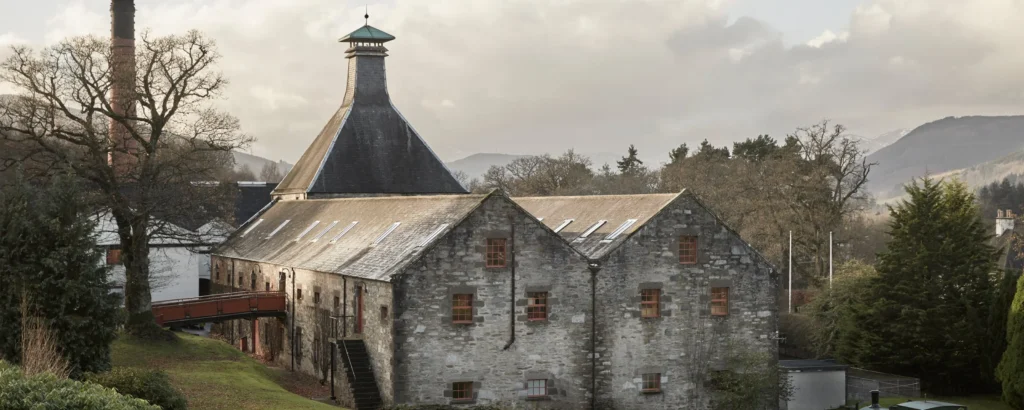
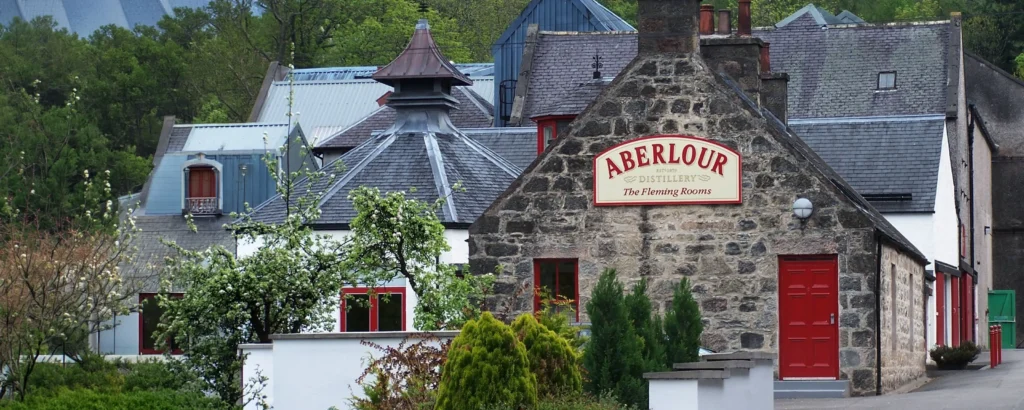
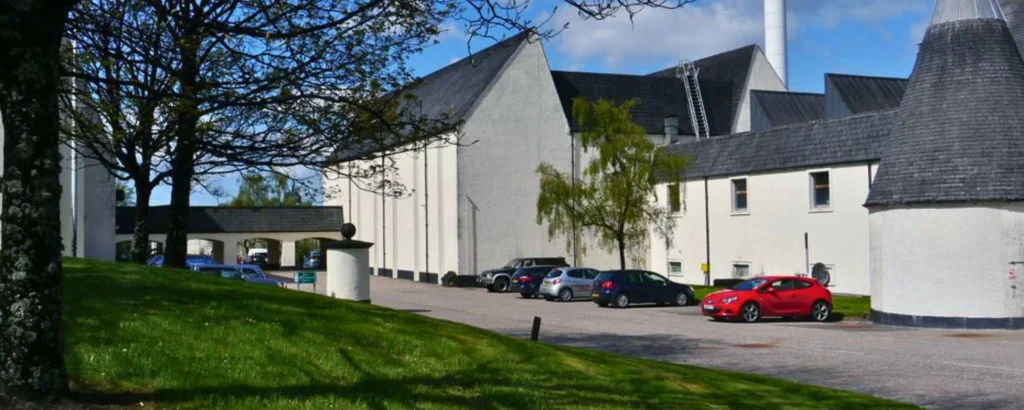
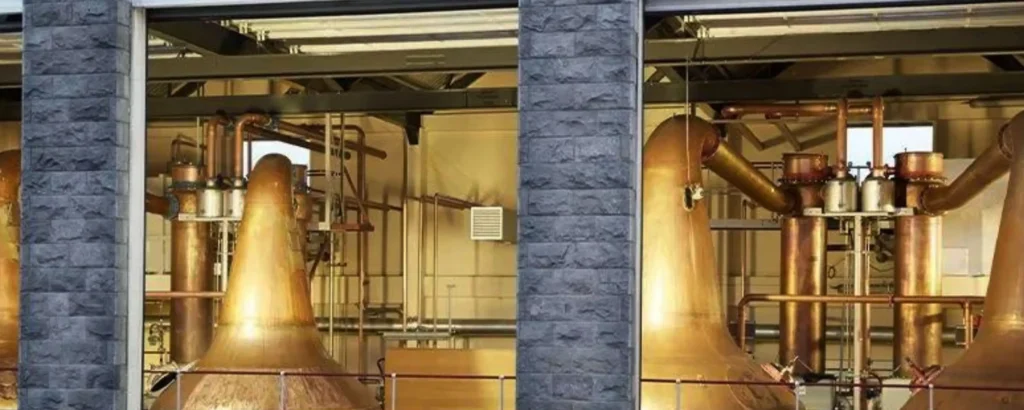
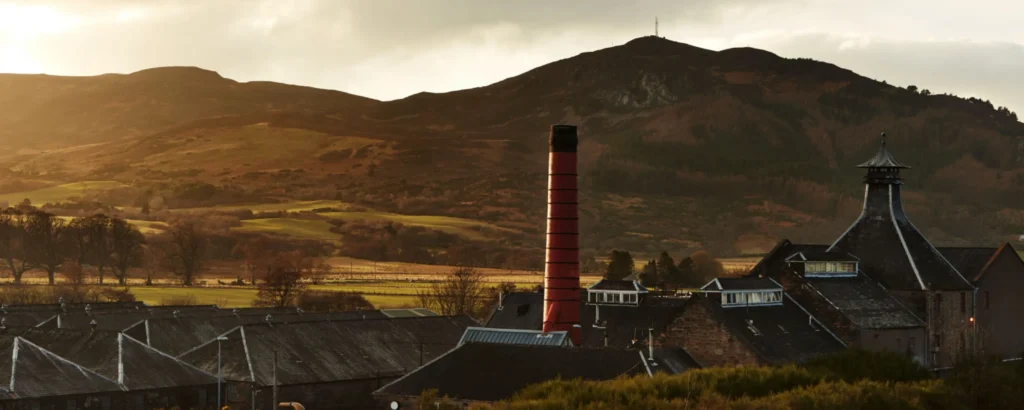
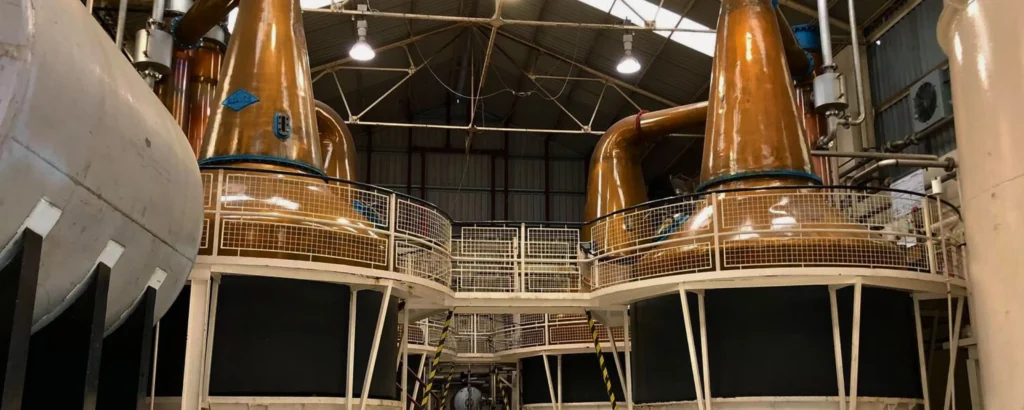
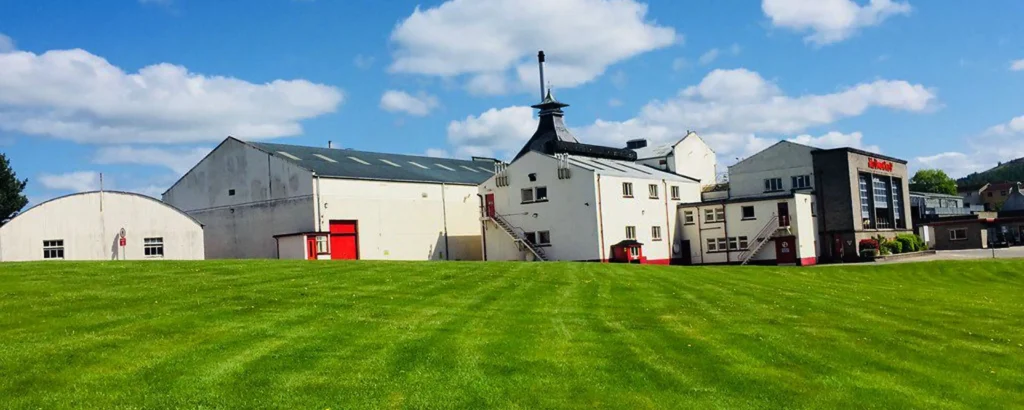
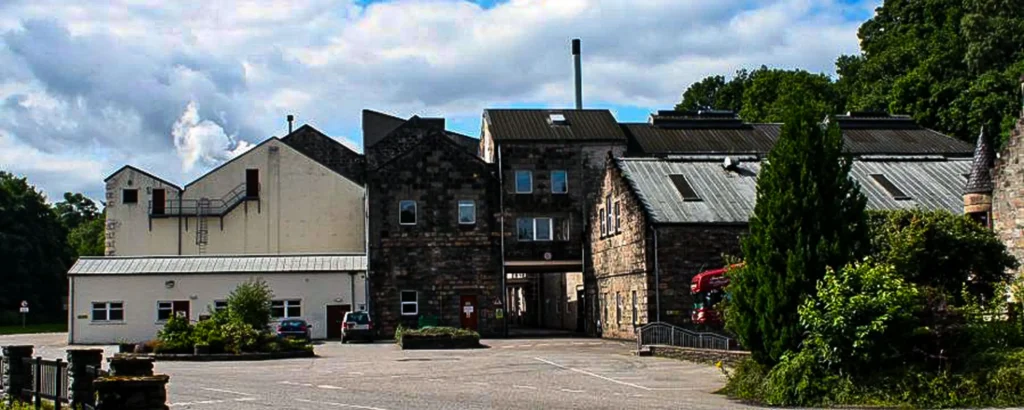
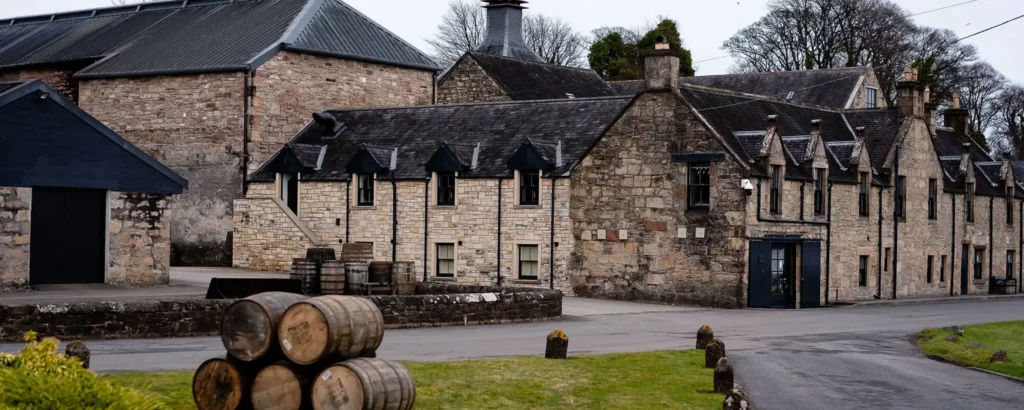
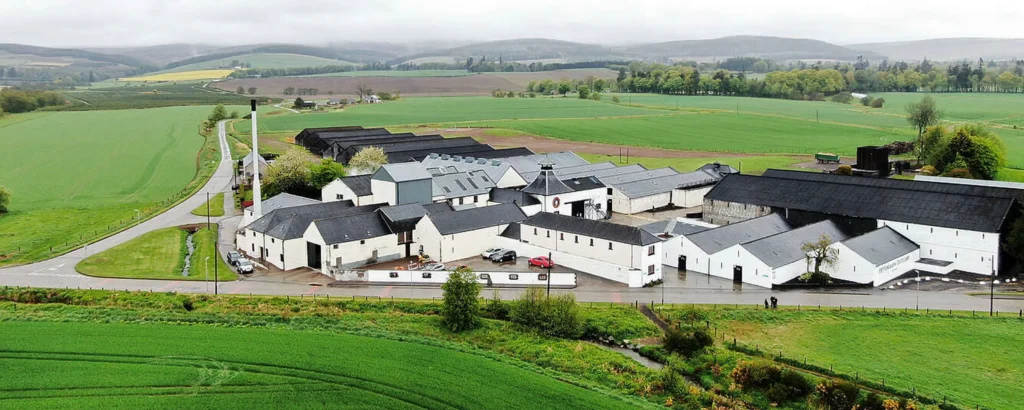
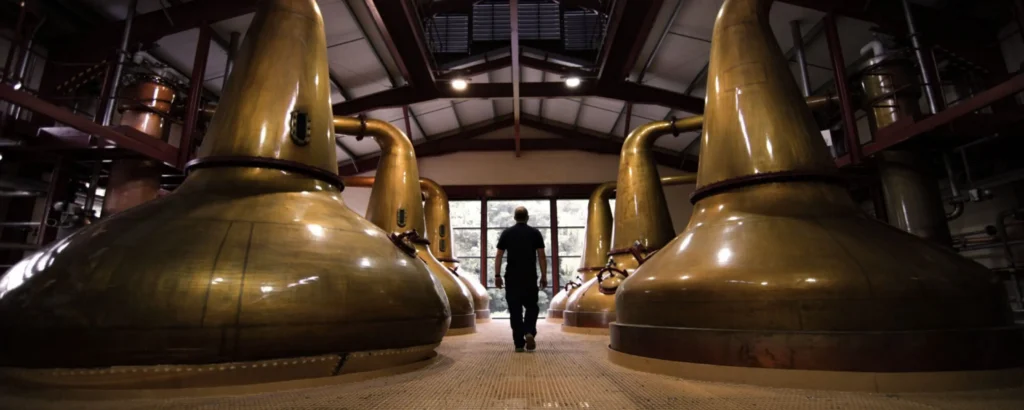
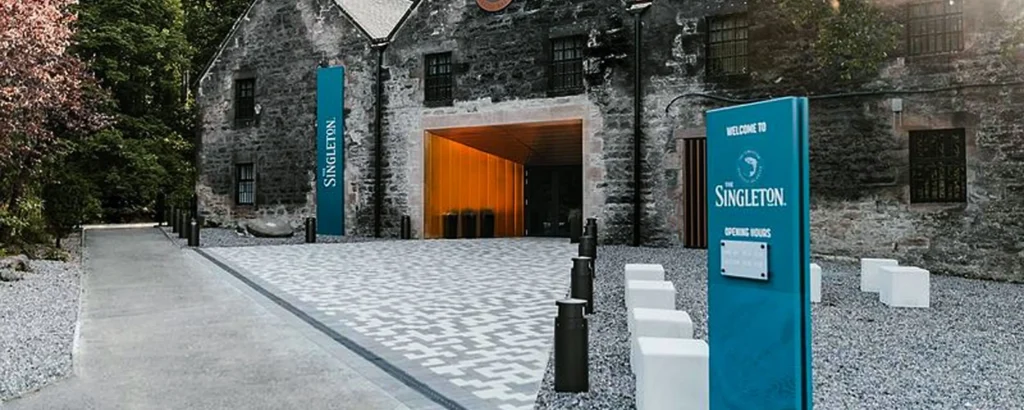
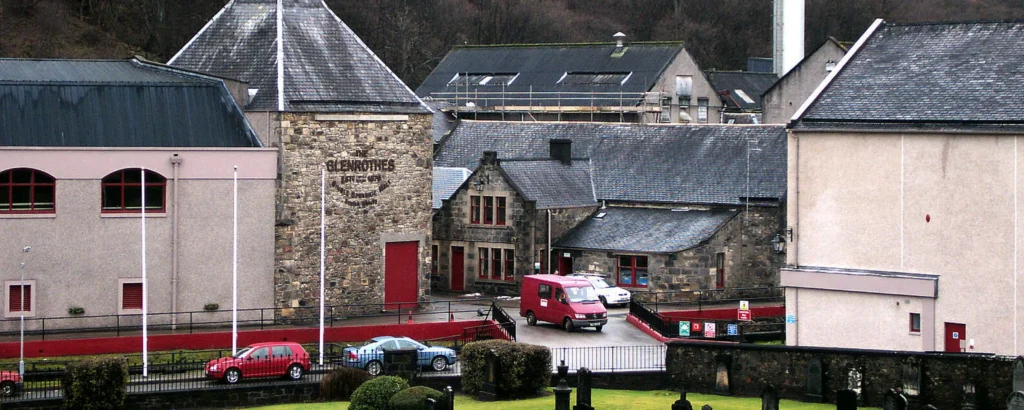
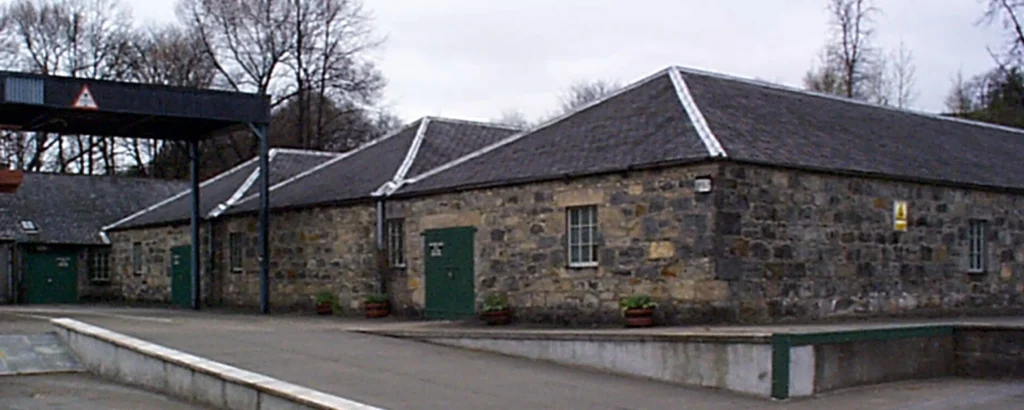
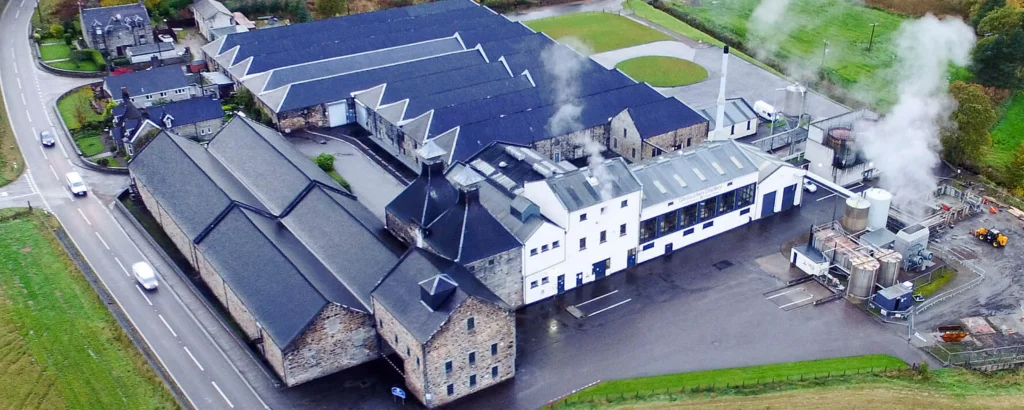
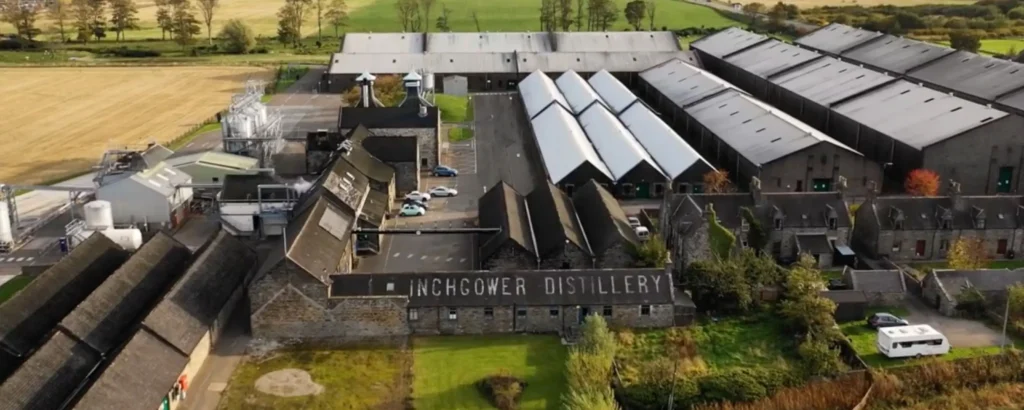
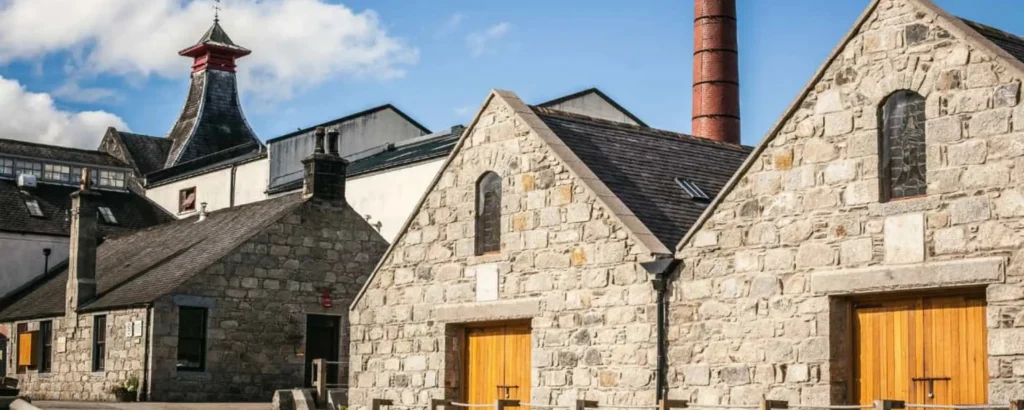
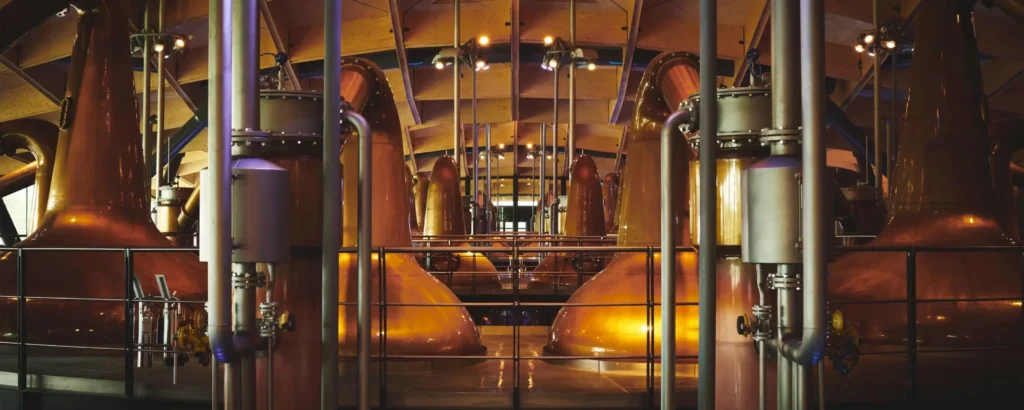
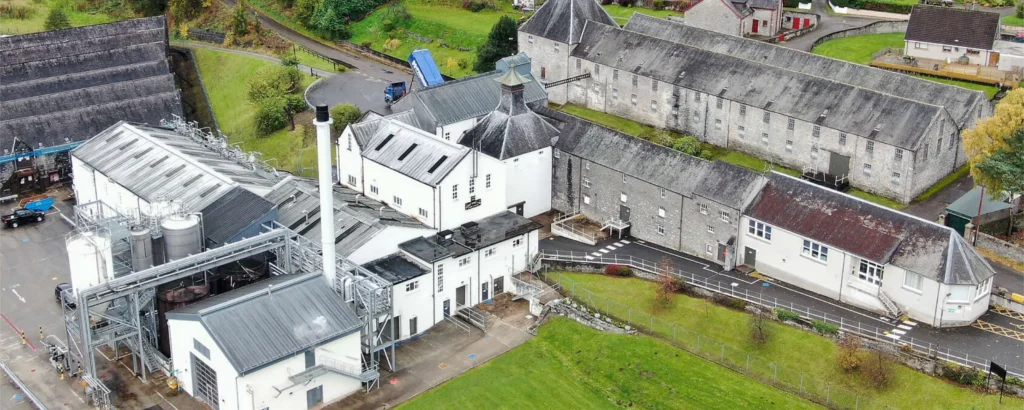
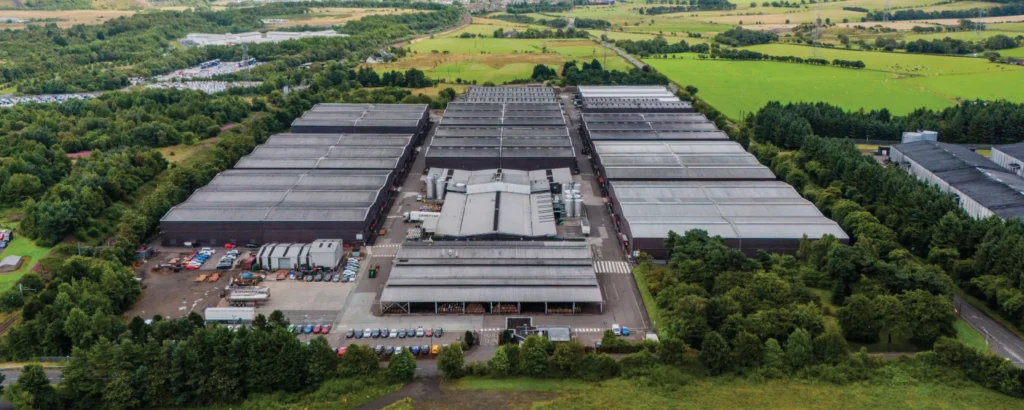
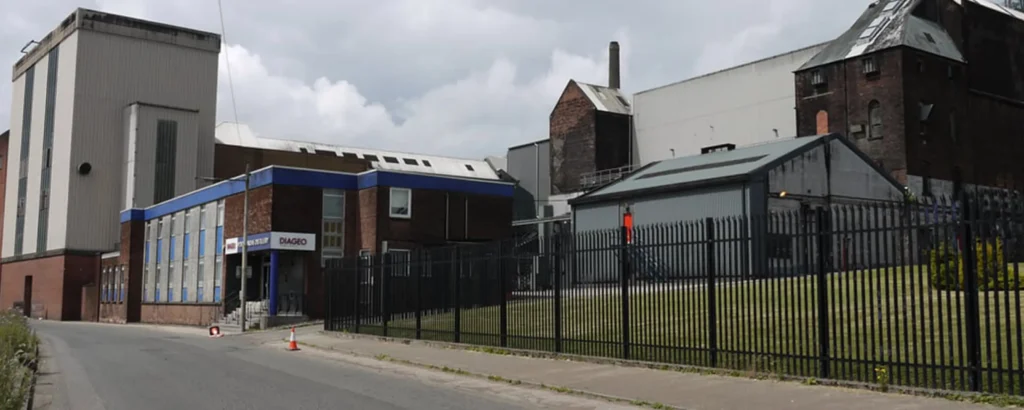
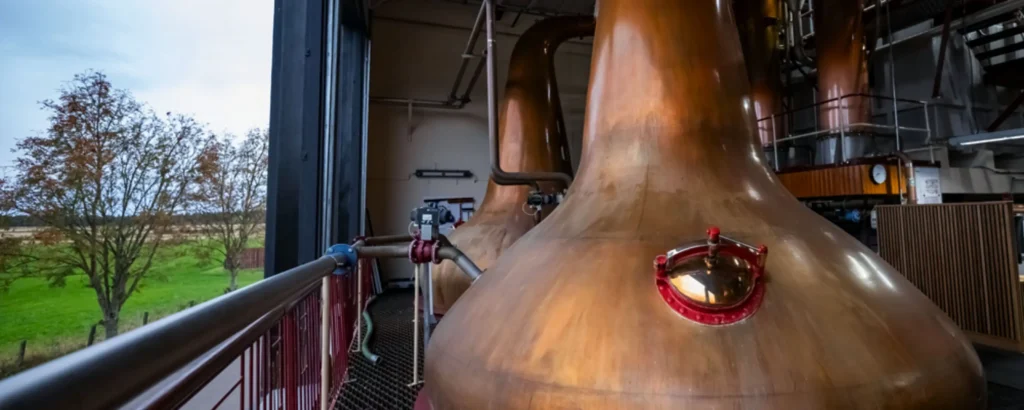
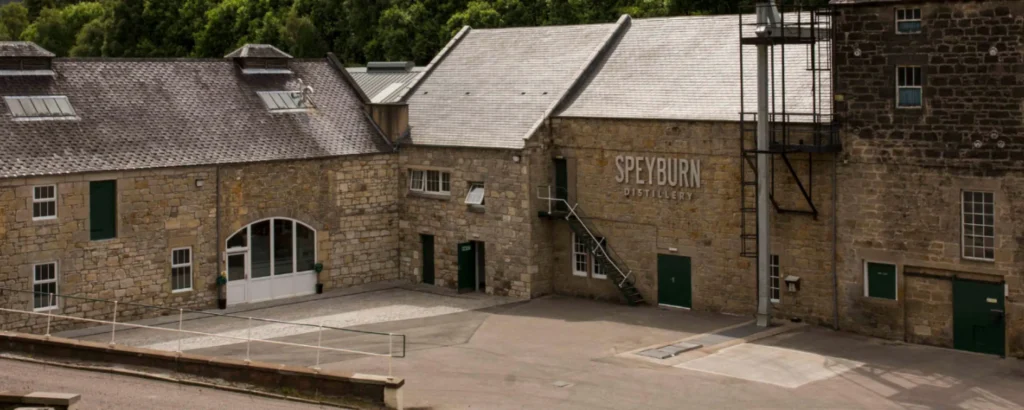
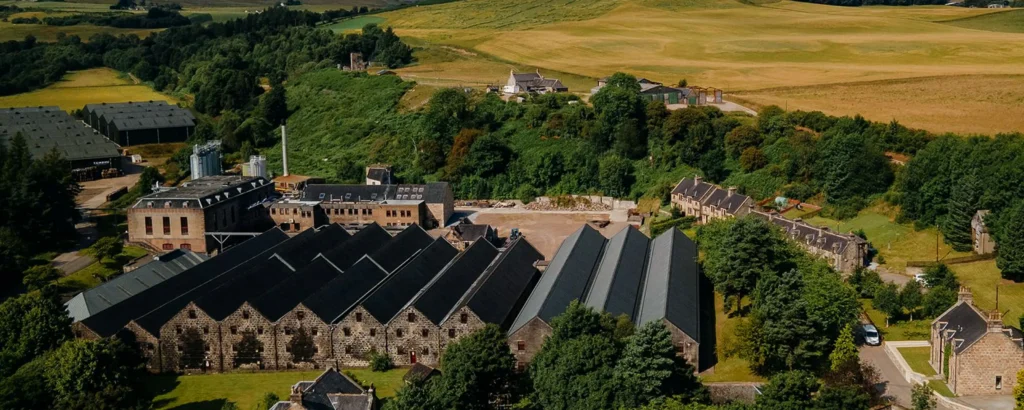
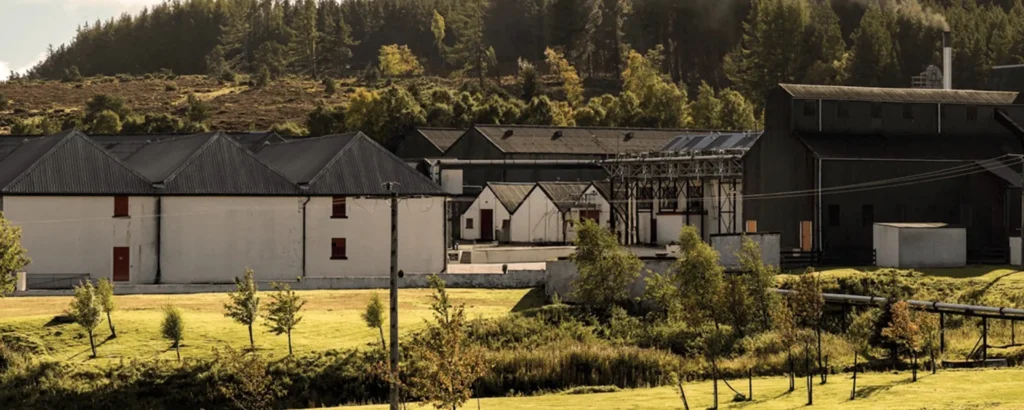
The Glenrothes has been producing whisky in the heart of Speyside for more than 145 years. Today part of The Edrington Group, the distillery combines an established role within the Scotch whisky industry with a premium single malt identity and a longstanding emphasis on high-quality maturation.
For investors researching Scotch whisky investments from the Glenrothes distillery, it offers several notable fundamentals. Its spirit has historically been valued by blenders, while the development of Glenrothes whisky as a standalone single malt has created an additional market for mature stock. The distillery’s ownership by Edrington places it alongside some of the most internationally recognised names in premium Scotch whisky.
The distillery is also closely associated with sherry-seasoned oak, an important part of its maturation programme and premium positioning. Together, these characteristics give Glenrothes a Scotch whisky investment case built around heritage, established industry demand, maturation and brand development.
A Brief History of Glenrothes Scotch Whisky
The Glenrothes distillery was founded in 1878 in the Speyside town of Rothes, an area that would become one of the most important centres of Scotch whisky production. The first spirit ran from its stills in December 1879.
The distillery endured several setbacks during its early history, including a serious fire and an explosion, but continued to expand as demand for its whisky increased. Its spirit became particularly important to the blending industry and developed a longstanding association with Cutty Sark and The Famous Grouse.
A significant chapter in the development of The Glenrothes as a single malt Scotch whisky came through Berry Bros. & Rudd, which introduced its distinctive range of vintage-dated releases. Rather than relying exclusively on conventional age statements, individual bottlings highlighted specific years of distillation.
The brand was acquired by Edrington in 2017, bringing the distillery and single malt brand together under the same ownership. For investors considering Scotch whisky investments from Glenrothes therefore combines historic production credentials with the backing of a major international Scotch whisky business.
Why Scotch Whisky Investments from Glenrothes?
Glenrothes occupies an interesting position because its whisky has established commercial relevance in both blended and single malt Scotch.
Historically, much of the distillery's production was valued for blending, providing a potential market for its maturing spirit beyond bottles carrying the Glenrothes name. At the same time, the development of its premium single malt range has strengthened the standalone identity of the distillery.
This matters because the potential future demand for a cask can be influenced by the range of commercial uses available for its mature whisky.
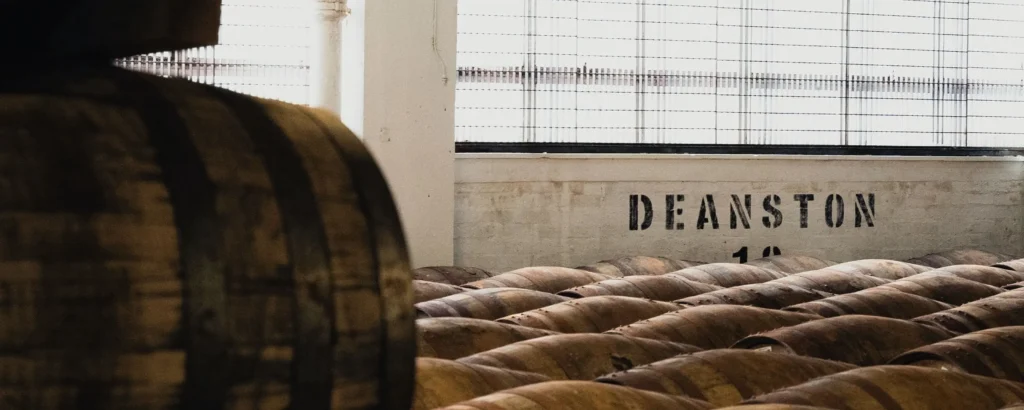
Age is another important consideration. Scotch whisky requires time to mature, meaning additional stocks of older spirit cannot be produced retrospectively if demand increases. Distilleries with established markets for mature whisky must therefore manage inventories many years ahead.
When assessing Scotch whisky investments from Glenrothes consequently offers exposure to an established Speyside producer with more than a century of maturation and production history.
Sherry Cask Maturation
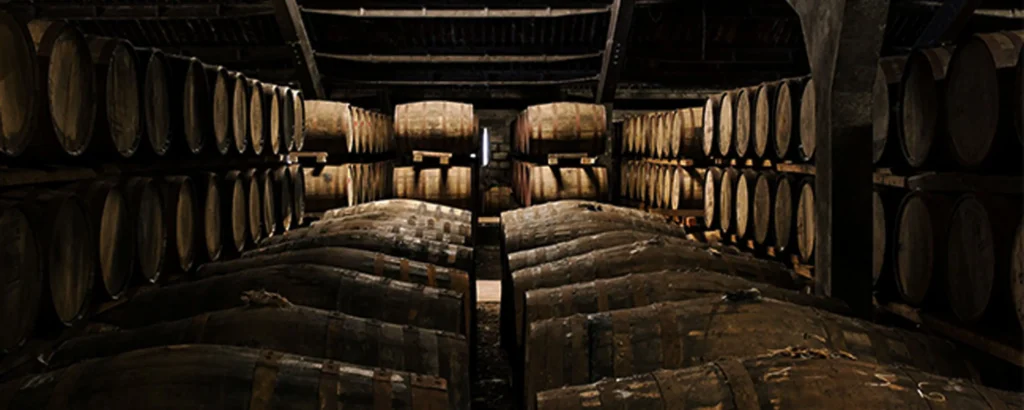
One of the defining features of The Glenrothes is its association with sherry-seasoned oak casks.
Edrington has significant experience sourcing and managing sherry-seasoned casks, and this maturation style plays an important role across The Glenrothes range. Such casks can contribute the rich dried fruit, spice, citrus and chocolate characteristics commonly associated with the distillery.
From an investment perspective, cask type matters because the maturation vessel forms part of the underlying asset. Its history, quality, size and previous use can influence how the whisky develops and potentially affect its future desirability.
However, investors should avoid assuming that the use of a particular cask type automatically makes an investment attractive. For Scotch whisky investments from Glenrothes casks should be assessed individually according to age, provenance, ABV, volume, cask specifications and, importantly, acquisition price.
Scotch Whisky Investments from Glenrothes with The 1901 Group
For clients considering Glenrothes Scotch whisky investments, The 1901 Group assesses the individual asset alongside the commercial credentials of the distillery.
Our selection process considers provenance, age, cask type, ABV, volume, maturation profile and acquisition price. Once purchased, casks are held in HMRC-regulated bonded warehouses in Scotland, supported by ownership documentation and ongoing portfolio management.
Whisky cask investment carries risk and returns cannot be guaranteed. Performance can be influenced by acquisition price, maturation, market conditions, future supply and demand and the eventual exit route.
For suitable investors, Glenrothes provides exposure to a historic Speyside distillery with established demand for its spirit, premium single malt positioning, extensive experience with sherry cask maturation and the backing of Edrington.