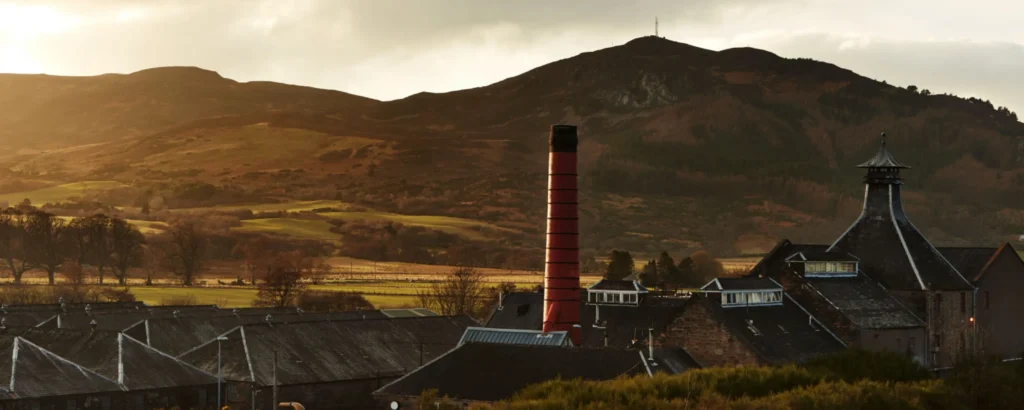
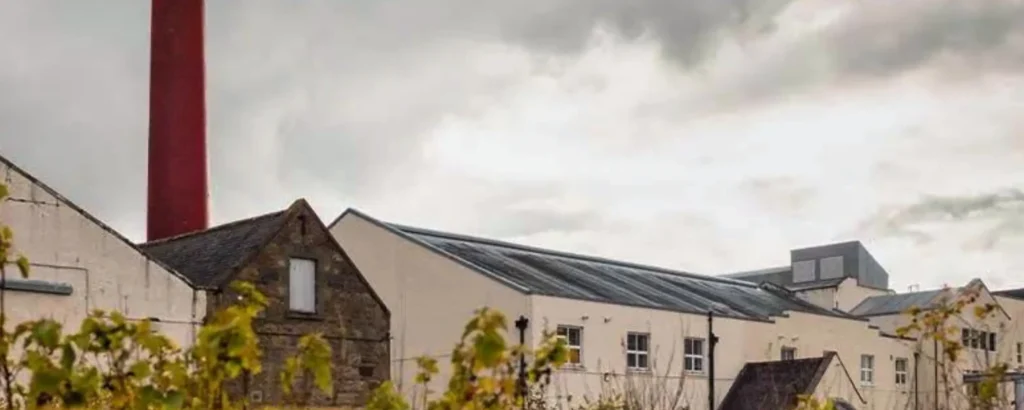
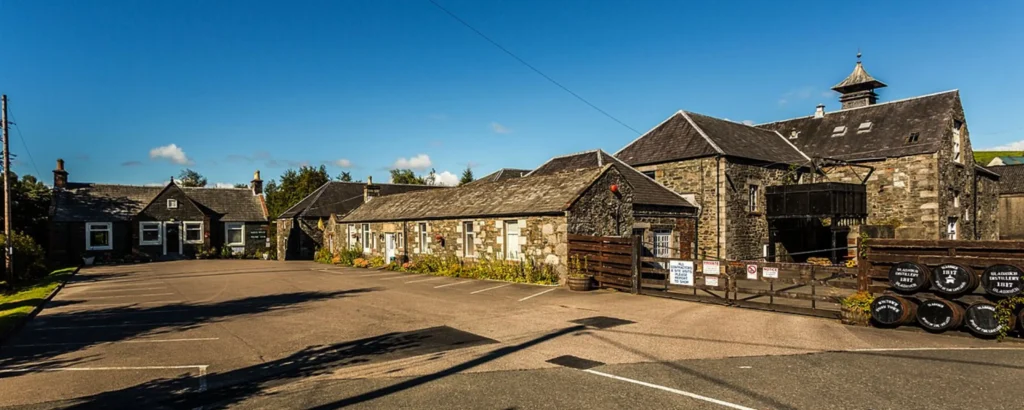
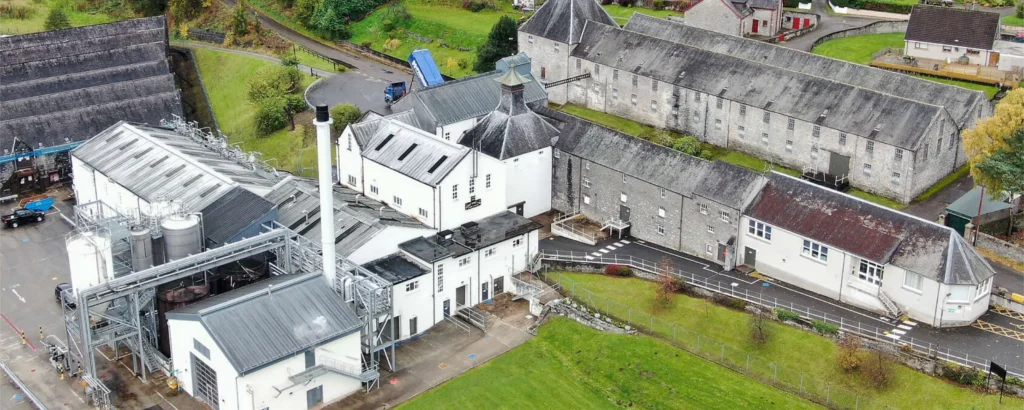
Littlemill occupies a rare position in Scotch whisky. Once considered one of Scotland's oldest licensed distilleries, it has been silent for more than three decades. Its buildings are gone, production can never resume at the original site, and every surviving cask contains whisky from a distillery that no longer exists.
That makes Littlemill particularly interesting to collectors and investors seeking historic Scotch whisky. However, the decision to invest in Littlemill whisky casks requires more than an appreciation of rarity. With all remaining stock now over 30 years old, cask condition, provenance and the practicalities of further maturation are especially important.
A Lost Piece of Scotch Whisky History
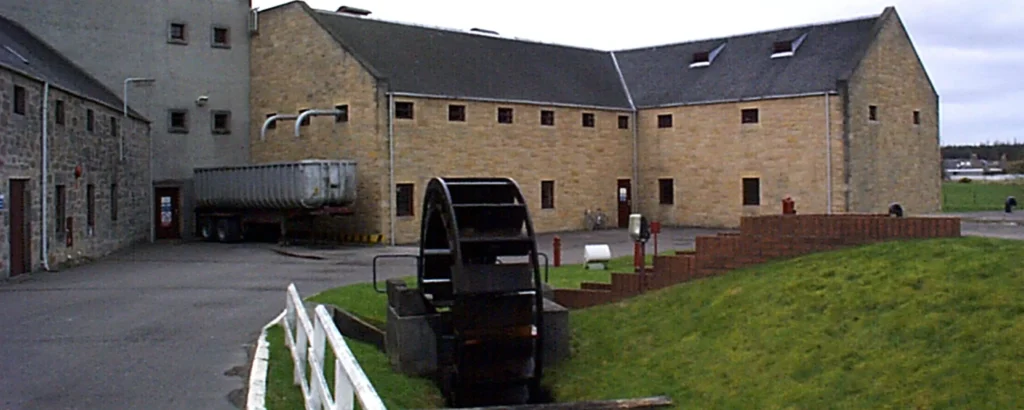
Littlemill's origins are commonly traced back to 1772, when distilling was established near the village of Bowling, west of Glasgow. Situated close to the Highland boundary, it became one of the earliest recognised Lowland distilleries.
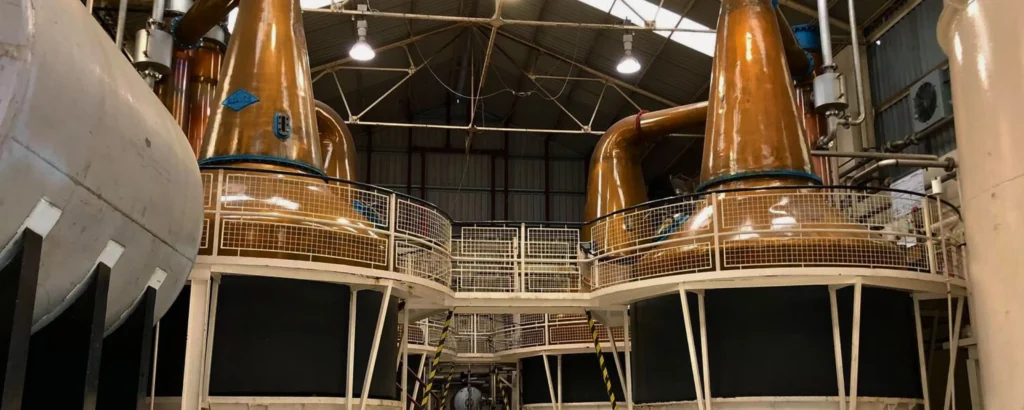
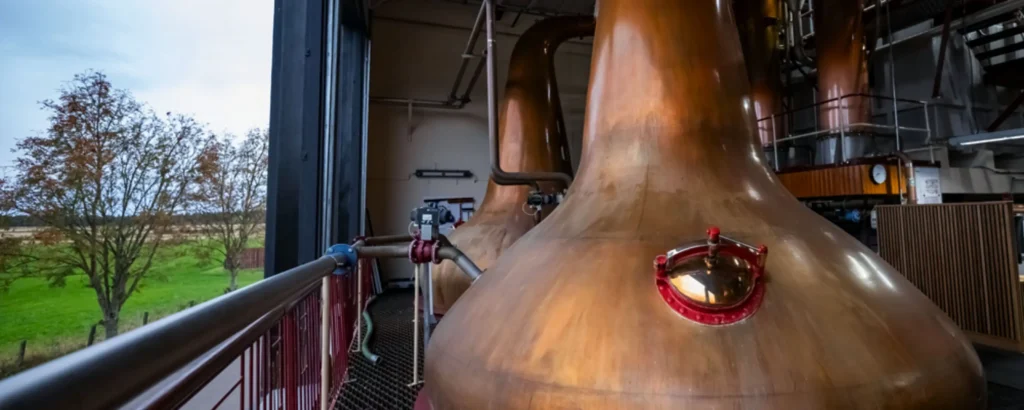
Throughout its history, Littlemill was known for experimenting with production techniques. Its unusual still configuration allowed the distillery to create different styles of spirit, including lighter Lowland whisky and heavier variations.
Despite its long history, Littlemill struggled through changing market conditions and several ownership changes. Production finally ceased in 1994, and the distillery never reopened.
In 2004, a fire destroyed much of the remaining site, bringing a definitive end to any realistic prospect of restoring the original distillery.
For those considering Littlemill whisky investment, this history is fundamental. Unlike an operating distillery, Littlemill cannot produce new stock to replenish what remains.
Why Are Littlemill Whisky Casks Increasingly Rare?
The investment case for Littlemill begins with a simple fact: its remaining whisky supply is finite.
Every cask bottled or emptied reduces the quantity of Littlemill whisky still maturing in warehouses. With no new production since 1994, the youngest surviving spirit is now more than 30 years old.
This creates a different supply profile from that of an operating distillery, where new casks are filled each year.
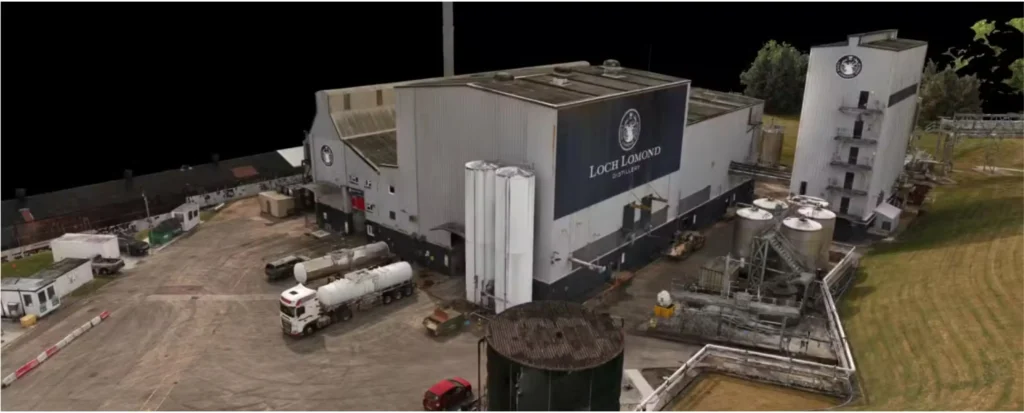
Much of Littlemill's remaining stock is associated with the Loch Lomond Group, which has managed the distillery's legacy through carefully selected releases.
Privately available casks can therefore be difficult to source, and their provenance requires particular attention.
Investors looking to invest in Littlemill whisky casks should recognise that genuine scarcity can influence desirability, but it does not automatically establish a cask's market value.
Why Are Age and Maturation Important?
Age is one of Littlemill's most distinctive characteristics, but it also presents a challenge.
As whisky matures, it interacts with the surrounding oak, developing additional flavours and complexity. Littlemill's spirit has historically been associated with delicate fruit, citrus, floral notes and a relatively light Lowland character.
Depending on the cask, extended maturation may introduce richer vanilla, honey, spice and oak characteristics.
However, whisky does not necessarily improve indefinitely.
After several decades, excessive wood influence can overwhelm the original spirit. Meanwhile, evaporation through the Angel's Share gradually reduces the quantity of whisky remaining and can lower its alcoholic strength.
For a Littlemill whisky investment, these factors are particularly important. A 35-year-old cask with healthy alcohol strength and balanced maturation may present a very different proposition from one of the same age approaching the minimum legal bottling strength of 40% ABV.
What Should Investors Examine Before Buying?
Anyone thinking about investing in Littlemill whisky casks should begin with the cask's documentation and current condition.
A complete ownership history, warehouse confirmation and clear title are essential, particularly for stock that may have changed hands several times over three decades.
The latest regauge should establish the remaining bulk litres, alcoholic strength and estimated number of bottles at a proposed bottling strength.
The purchase price should be assessed alongside storage, insurance, sampling, potential bottling costs and any restrictions affecting resale.
These considerations help distinguish an attractive Littlemill whisky investment from a cask whose rarity is already fully reflected in its asking price.
Understanding the Potential Exit Market
A closed distillery can attract interest from specialist whisky buyers, collectors and independent bottlers seeking access to historic stock.
Littlemill's established history and limited remaining inventory provide a compelling story, particularly for buyers interested in discontinued distilleries.
Nevertheless, the market for whole casks is narrower than the wider market for Scotch whisky. Finding a suitable buyer may take time, especially when dealing with older stock carrying a substantial valuation.
The eventual sale price will depend on the whisky's condition, remaining volume, provenance and prevailing demand.
Before deciding to invest in Littlemill whisky casks, investors should understand who might purchase the asset and whether bottling could represent a practical alternative exit strategy.
Is Investing in Littlemill Whisky Casks Worth It?
Littlemill offers something that operating distilleries cannot: a permanently limited supply of whisky from a historic producer whose original distillery no longer exists.
Its age, Lowland heritage and finite stock make it an interesting name within the market for mature Scotch whisky casks.
However, scarcity alone is not a guarantee of appreciation. Older casks require careful monitoring, and their remaining maturation potential may be limited.
A Littlemill whisky investment should therefore be assessed on the quality and condition of the individual cask, its purchase price and the availability of realistic exit opportunities.
Speak to The 1901 Group team to discuss Littlemill cask availability and the considerations involved in owning mature whisky from a closed distillery.