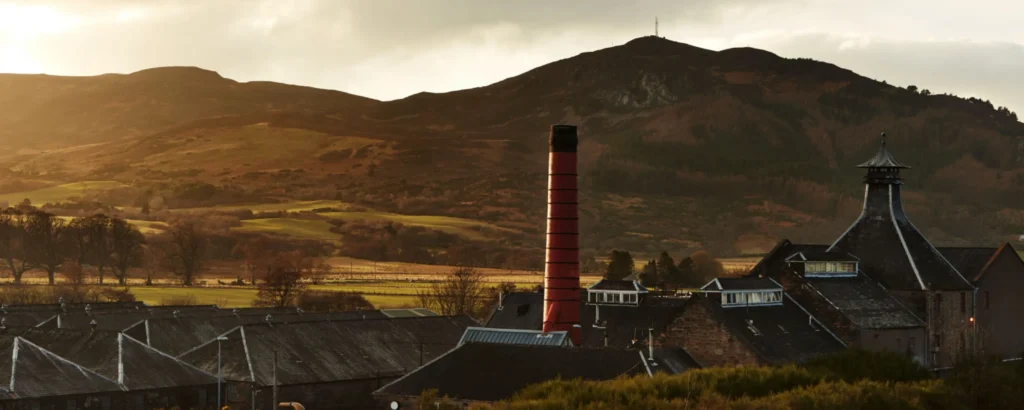
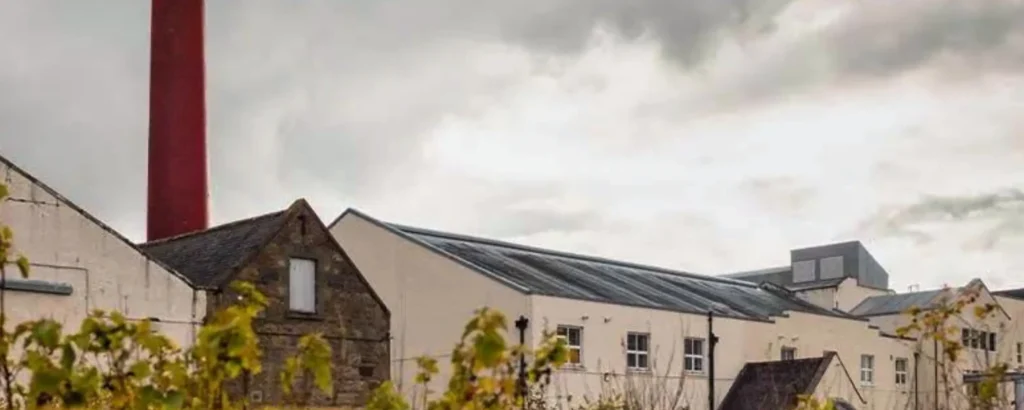
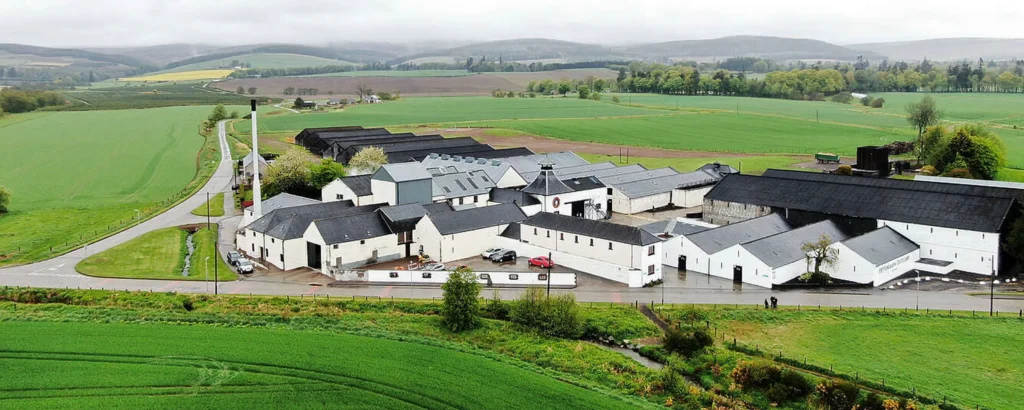
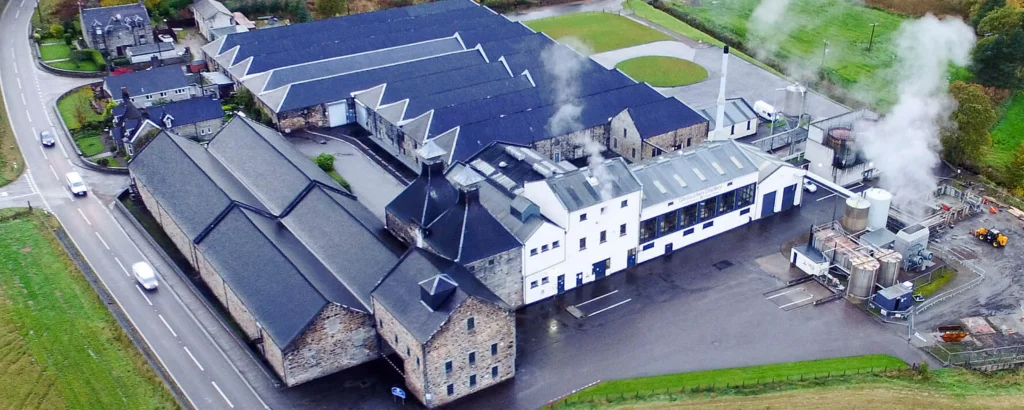
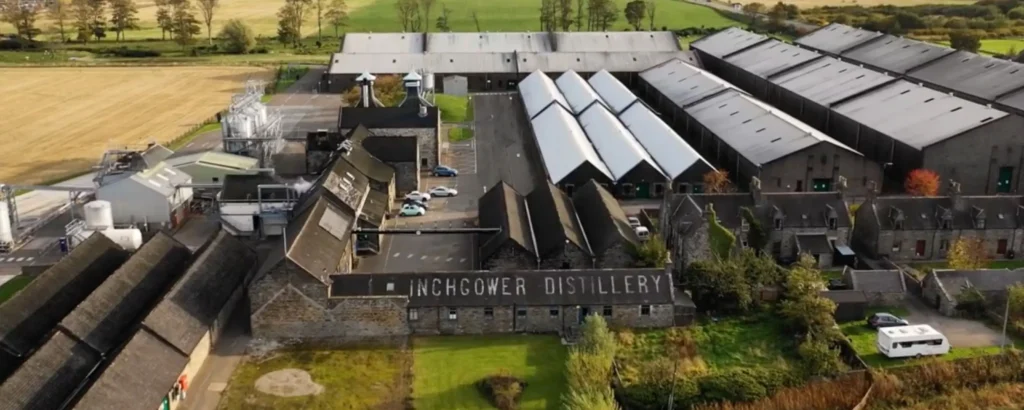
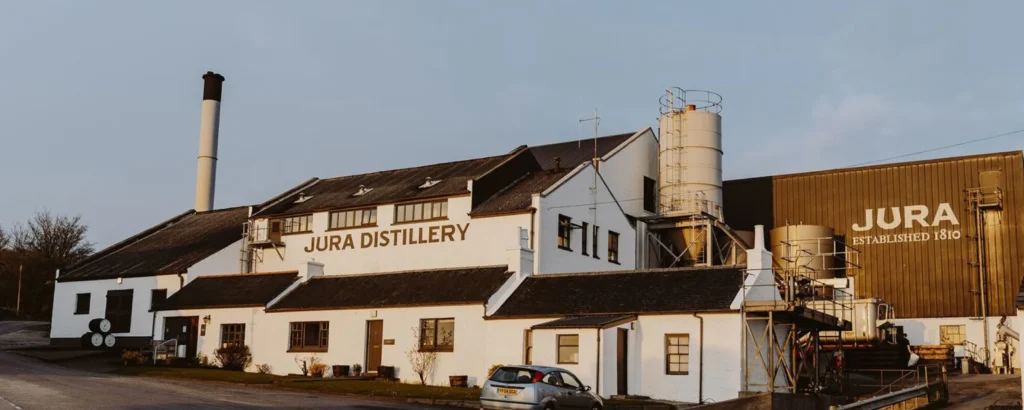
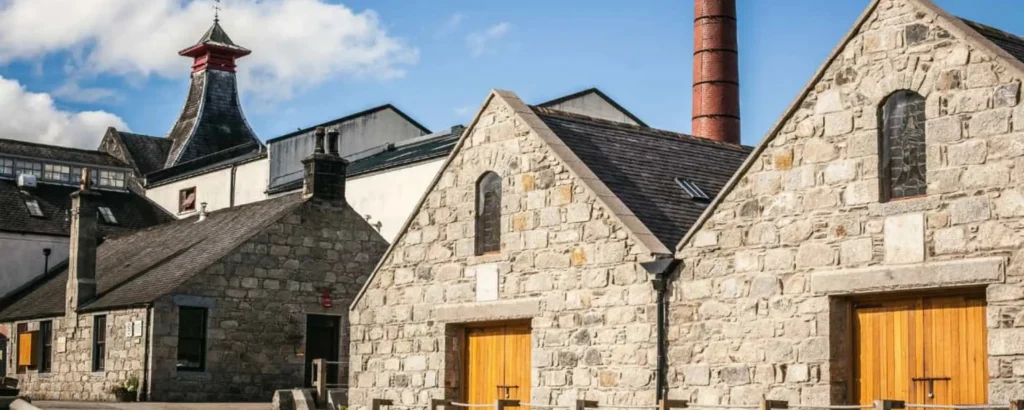
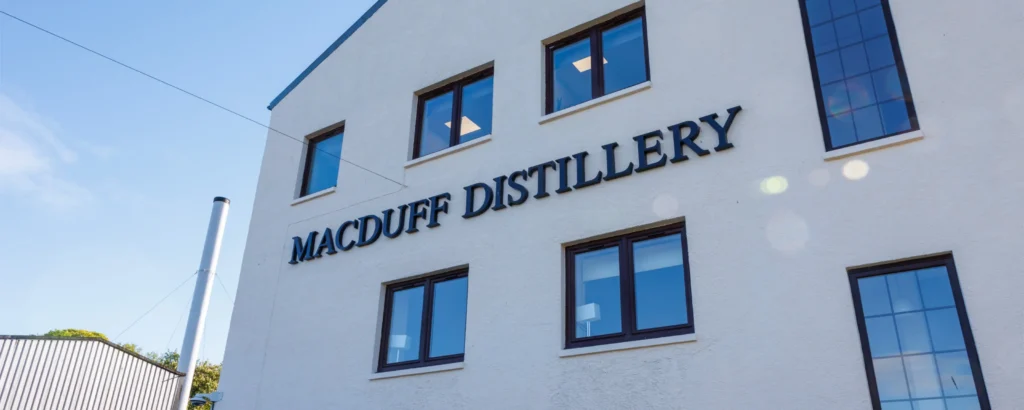
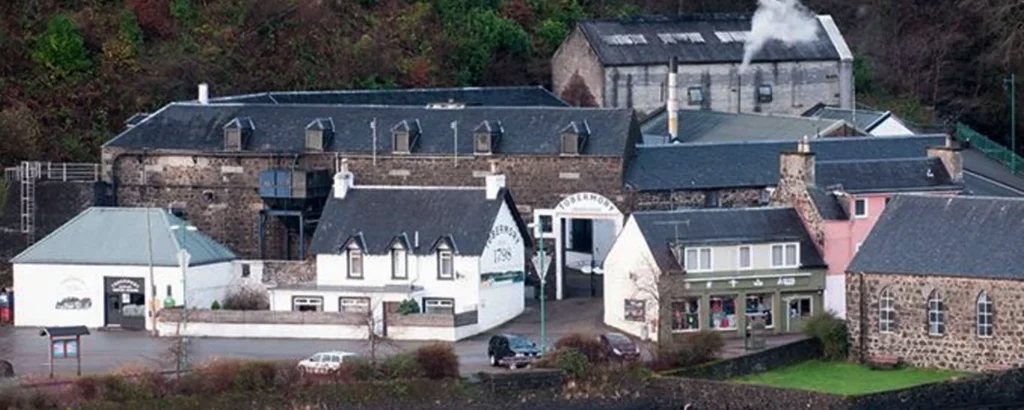
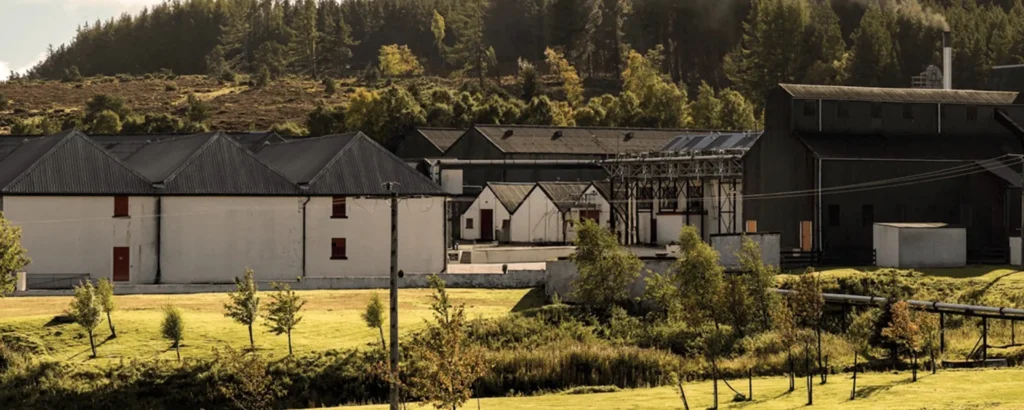
Macduff is a Highland distillery located near the coastal town of Banff, on the banks of the River Deveron. Founded in 1960, it was created during a period of rapid growth in blended Scotch whisky and remains an important source of single malt for blends today.
For investors looking to invest in Macduff whisky, the distillery offers a different proposition from highly collectible luxury names. Much of its production has historically supported established blends, while official single malt is sold under The Deveron brand. Macduff also appears under its distillery name through independent bottlers, providing another route through which whisky enthusiasts encounter the spirit.
Why Invest in Macduff Whisky?
Macduff combines established production, ownership by a major international drinks group and a relatively understated single malt identity.
The distillery is owned by Bacardi and operated through John Dewar & Sons. Macduff has a long association with William Lawson’s blended Scotch, having been acquired by William Lawson Distillers in 1972. Its spirit also contributes to other blends within the wider Bacardi portfolio.
For a Macduff whisky investment, this role within the blending industry is worth considering. Demand for maturing Scotch does not come exclusively from collectors of famous single malts. Blenders and independent bottlers can also form part of the market for mature stock.
Macduff’s relatively low profile under its own name may also be part of its appeal. Investors should, however, consider the characteristics and price of the individual cask rather than assuming that distillery ownership or production scale will translate into investment performance.
A Brief History of Macduff Distillery
Macduff was established in 1960 by Macduff Distillers Ltd, a consortium of Glasgow whisky brokers. The distillery was designed by William Delmé-Evans and was one of several new distilleries created as Scotch producers responded to growing international demand for blended whisky.
After changing hands during its early years, Macduff was acquired by William Lawson Distillers in 1972, then part of Martini & Rossi. This established the distillery’s long-running relationship with William Lawson’s.
Bacardi acquired Martini & Rossi in 1993 and remains Macduff’s owner today. The distillery now forms part of the John Dewar & Sons portfolio alongside names including Aberfeldy, Aultmore, Craigellachie and Royal Brackla.
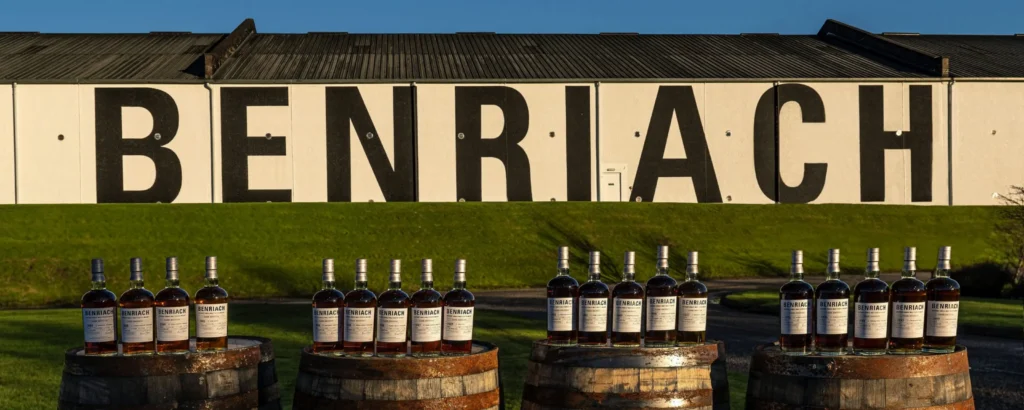
The official single malt has historically been marketed under a different name. Older releases carried the Glen Deveron name, while the range was relaunched as The Deveron in 2015. Independently bottled whisky, by contrast, can carry the Macduff distillery name.
What Makes Macduff Whisky Different?
Macduff produces a fruity Highland spirit commonly associated with apple and nutty characteristics alongside a slightly weightier texture.
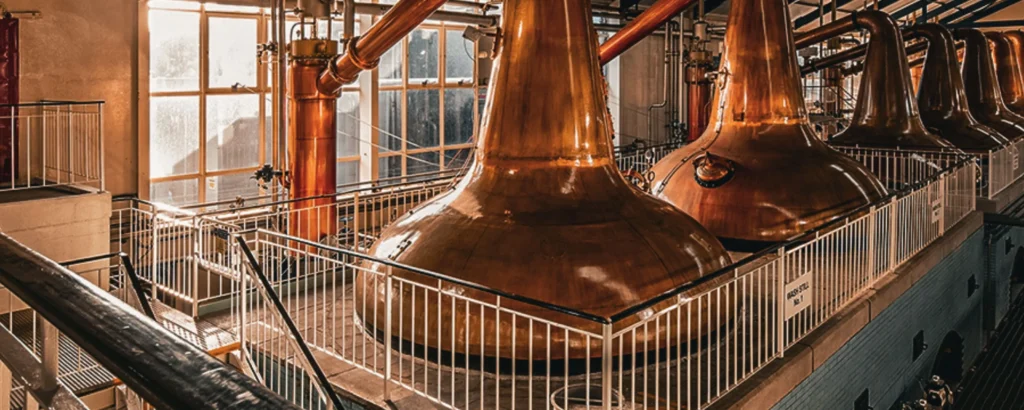
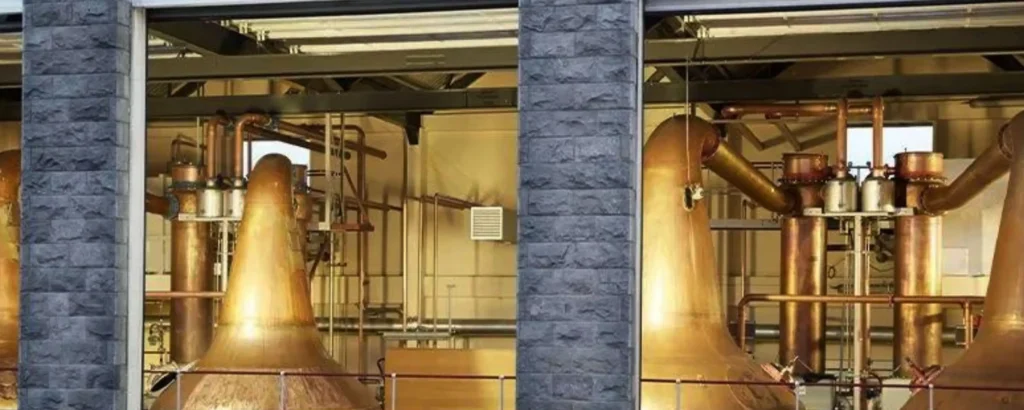
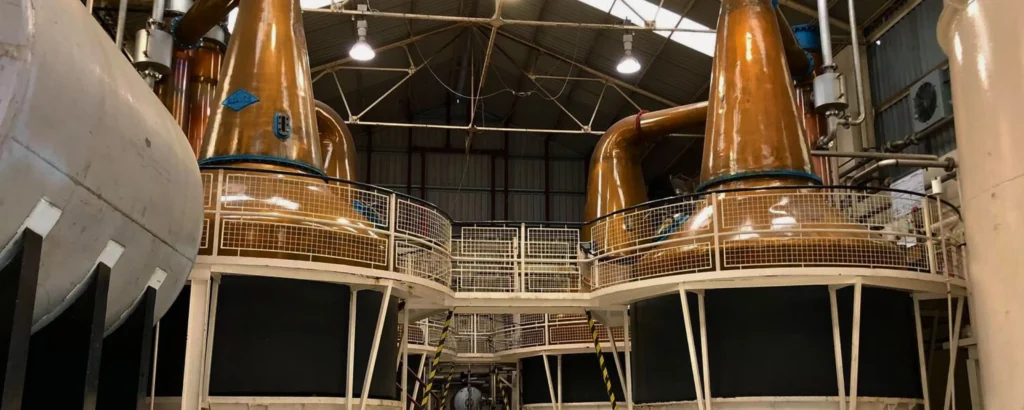
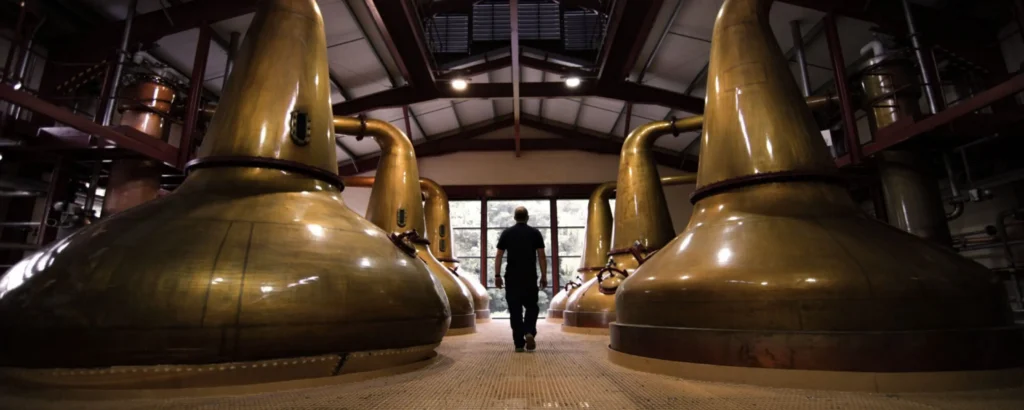
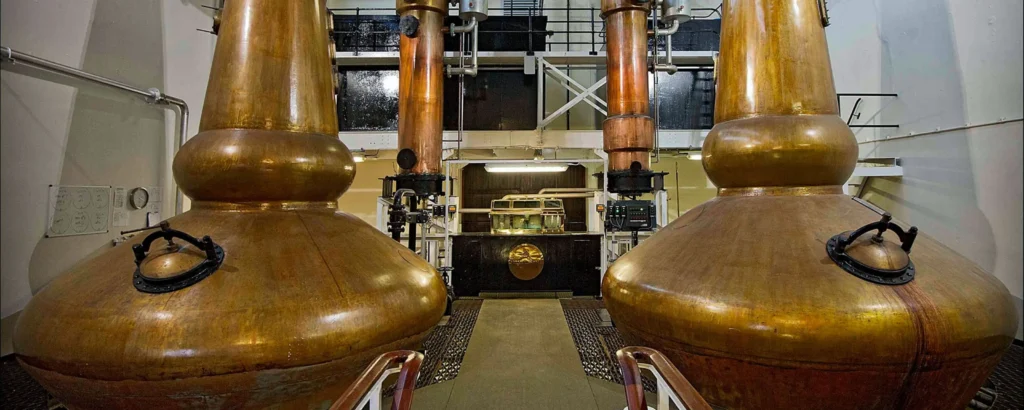
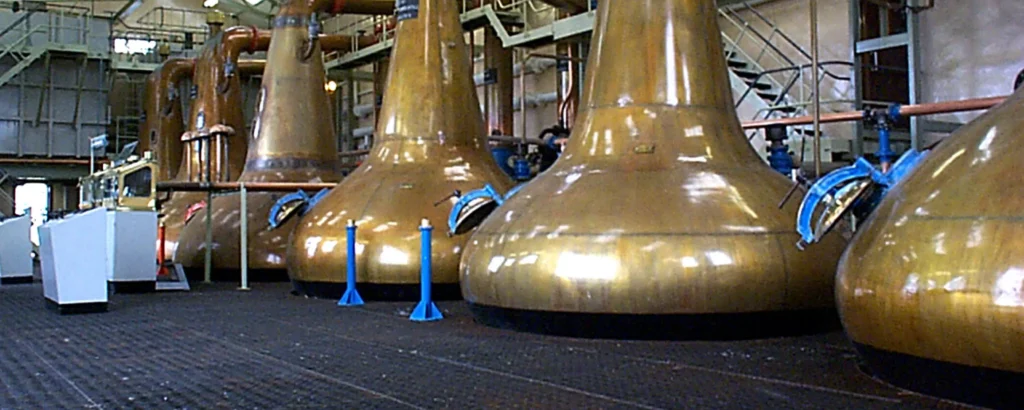
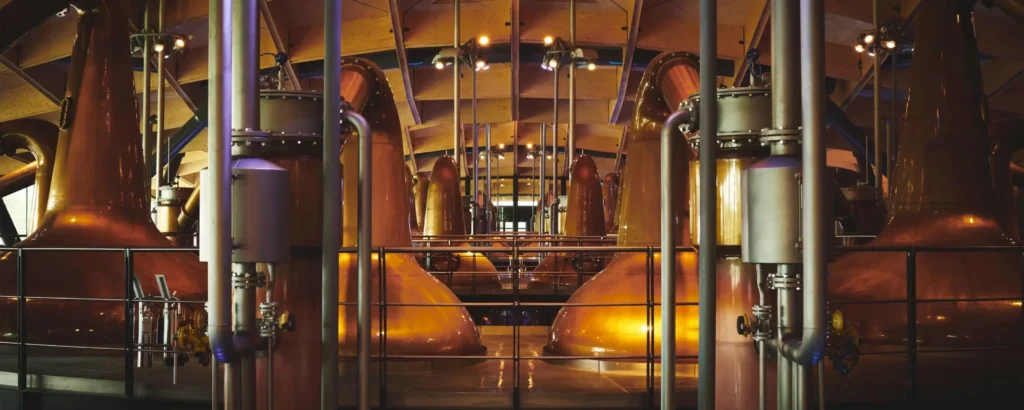
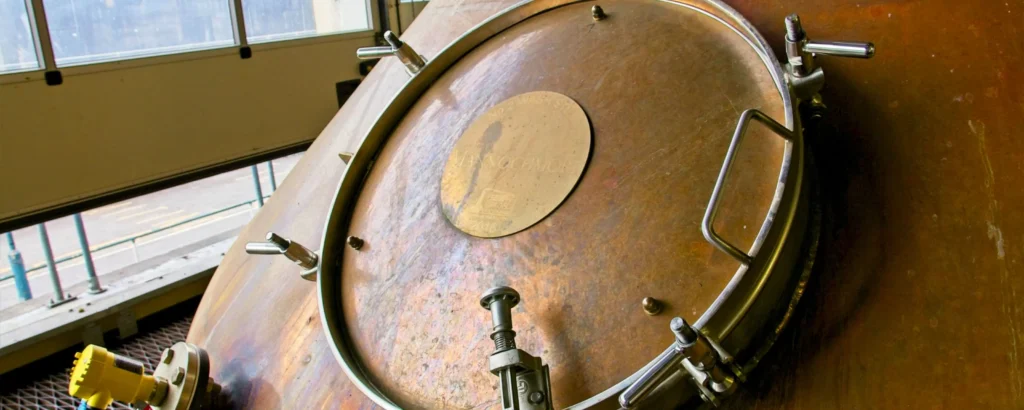
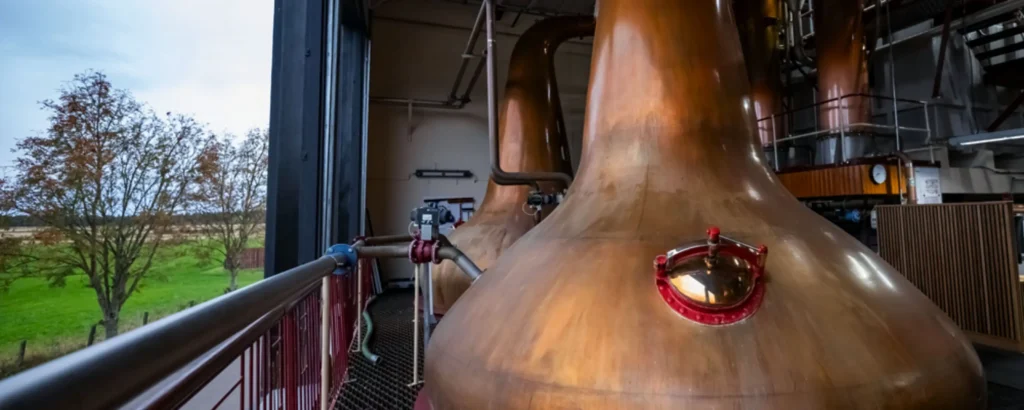
Production itself has several unusual features which can be part of the appeal to invest in Macduff whisky. The distillery operates five stills (two wash stills and three spirit stills), rather than the conventional paired arrangement found at many Scotch distilleries. Its stills also feature upward-sloping lyne arms and distinctive condensers.
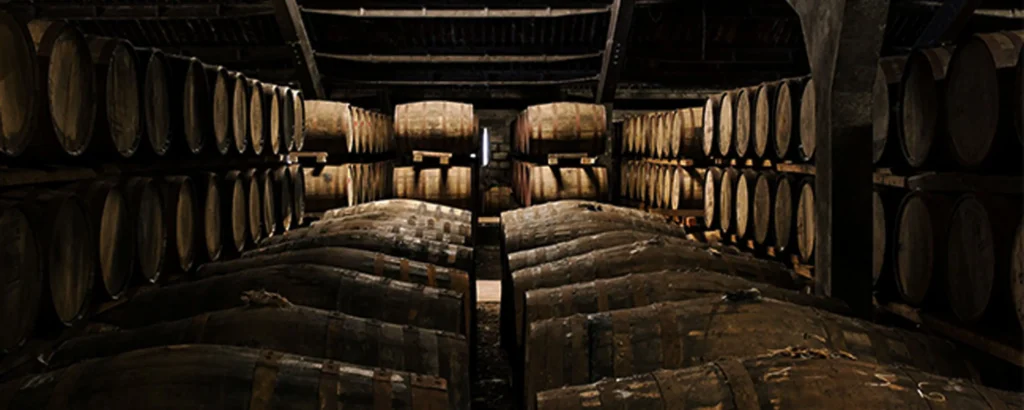
Much of Macduff’s spirit has traditionally been matured in ex-bourbon wood, although other cask types can also be found. For anyone looking to invest in Macduff whisky, the maturation history of a specific cask is important. A first-fill bourbon barrel, refill hogshead or sherry-influenced cask can develop differently over an extended holding period.
Macduff Whisky Investment: What Should You Consider?
A Macduff whisky investment should be evaluated on more than the age and distillery name. Investors should consider the cask type and size, fill history, year of distillation, current ABV and volume, storage arrangements and provenance of the cask.
The intended exit strategy also matters. Macduff occupies an interesting position because its whisky has connections to both blending and the single malt market. Independent bottlings carrying the Macduff name provide additional visibility among whisky enthusiasts.
As whisky matures, evaporation through the cask gradually reduces its contents through the Angel’s Share. Regular regauging can therefore become increasingly important as a cask ages, particularly when assessing its remaining bulk litres, alcohol strength and potential bottle yield.
Is Investing in Macduff Whisky a Good Idea?
Macduff does not have the luxury positioning or collector profile of some of Scotland’s most famous single malts. Its potential investment case is instead built around its established role within Scotch whisky production, decades of operating history, major drinks-group ownership and use within internationally distributed brands.
That distinction is important. A lesser-known distillery can potentially offer a different entry point into the cask market, but the purchase price and quality of the individual cask remain fundamental.
For investors considering whether to invest in Macduff whisky, the focus should therefore remain on buying the right stock at an appropriate price and understanding how that cask fits into a longer-term investment and exit strategy. Market demand can change, and returns from whisky casks are never guaranteed.
To discuss current Macduff cask availability and whether it could complement your whisky portfolio, speak to The 1901 Group team.