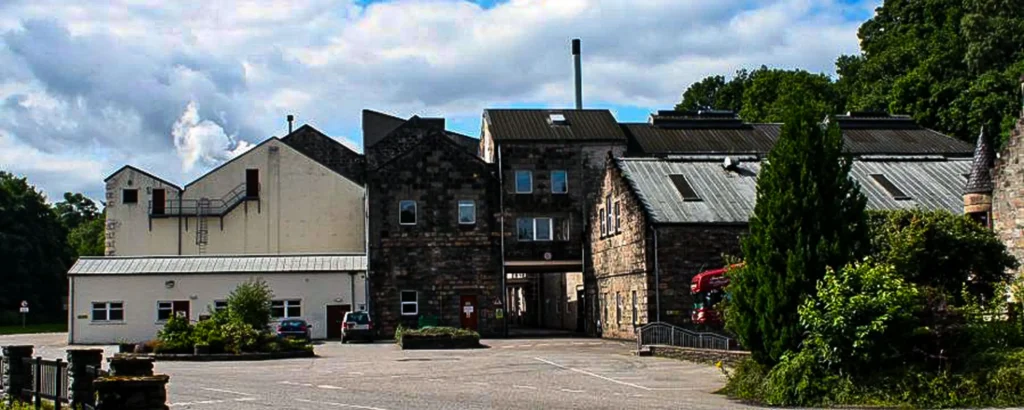
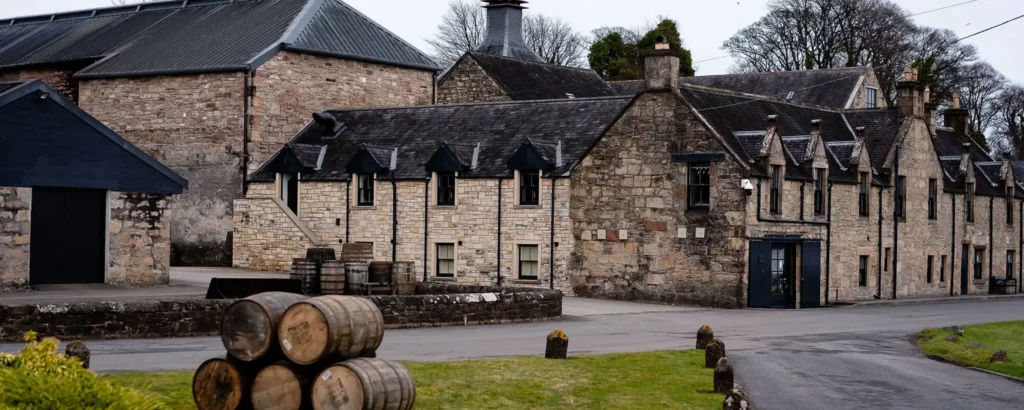
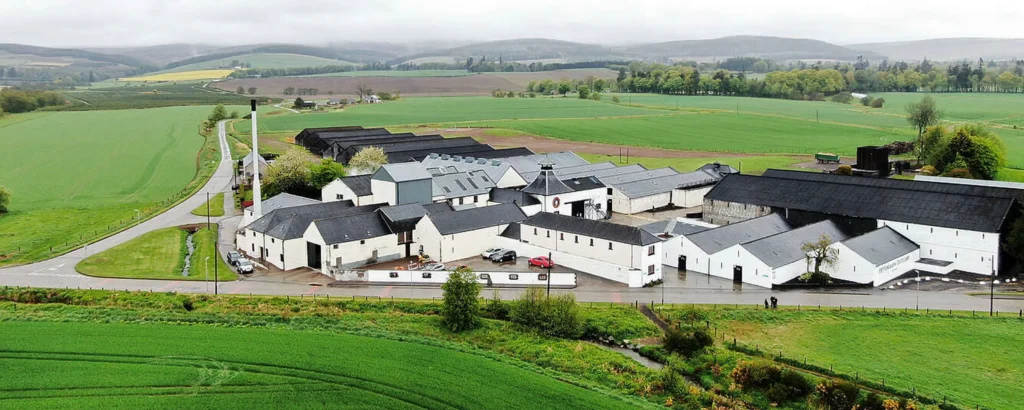
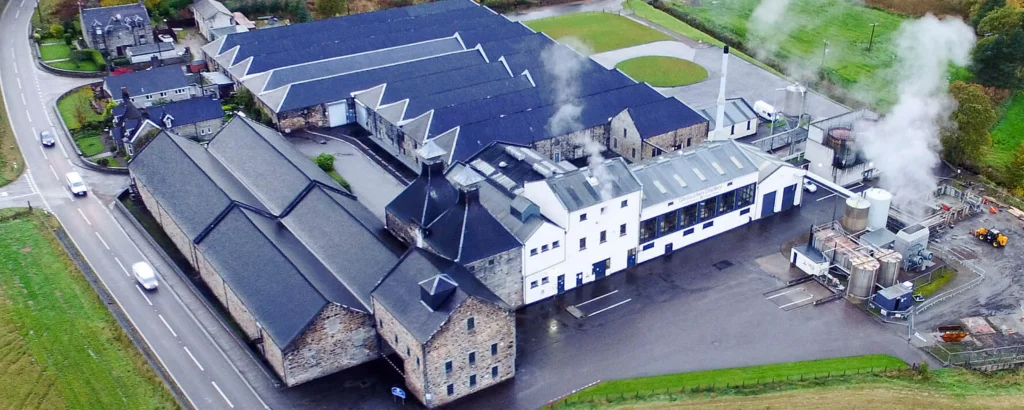
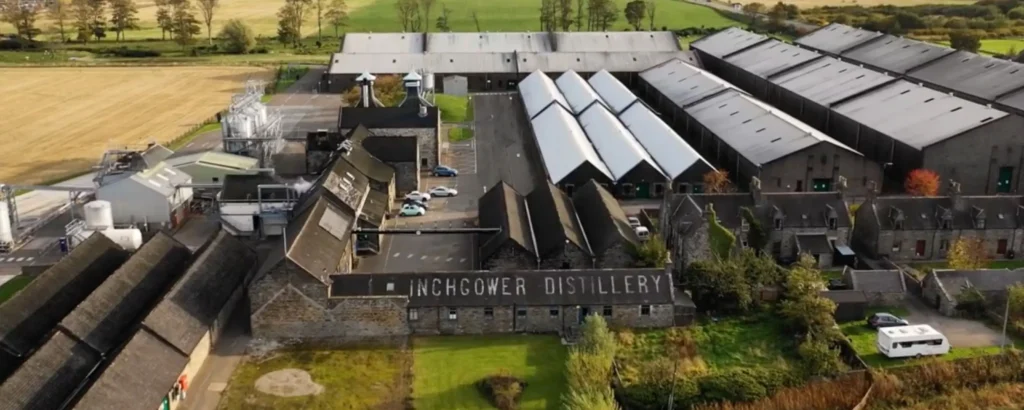
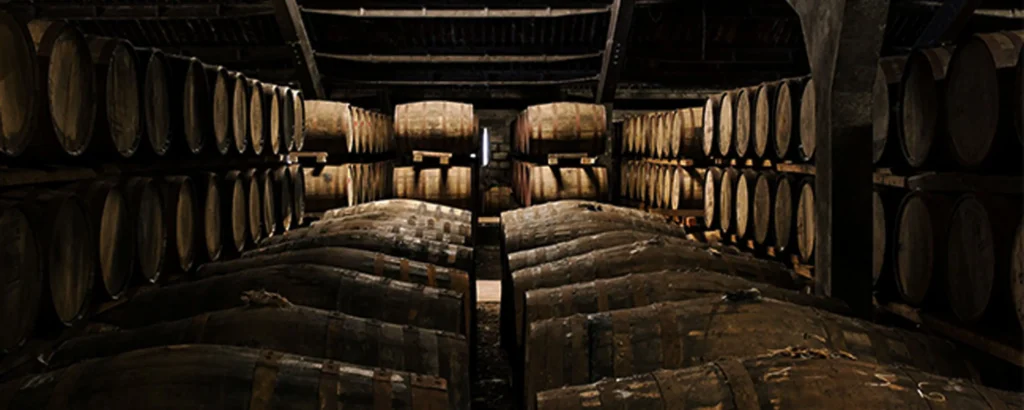
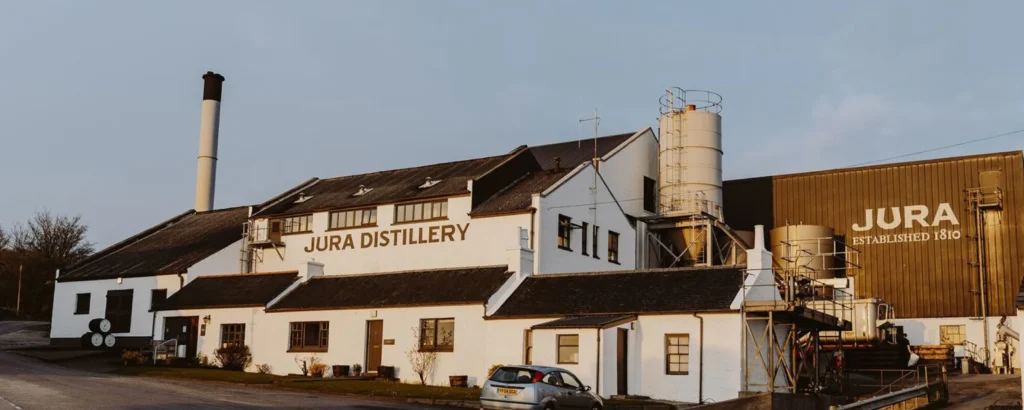
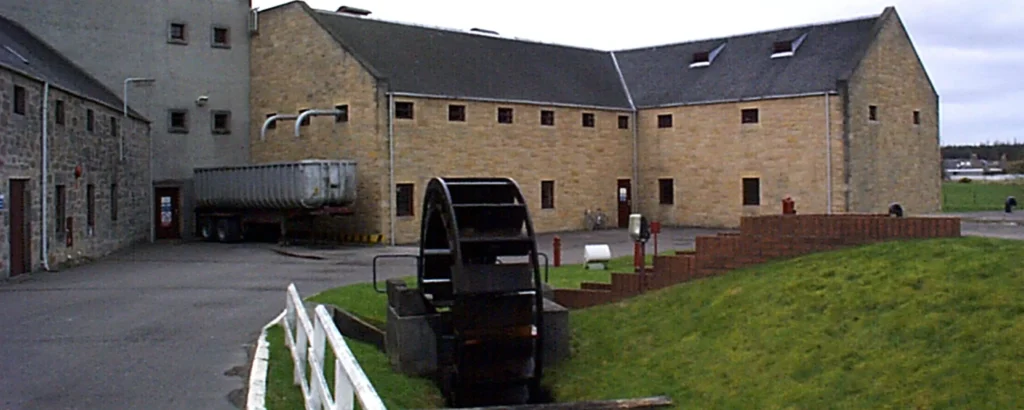
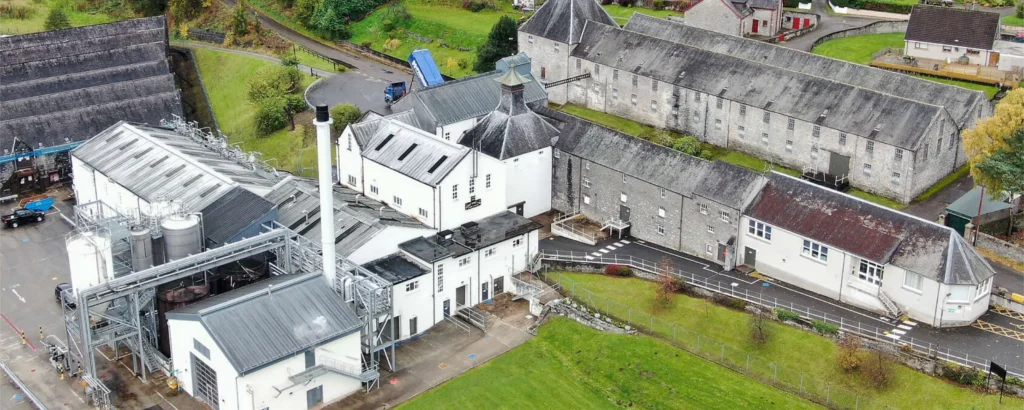
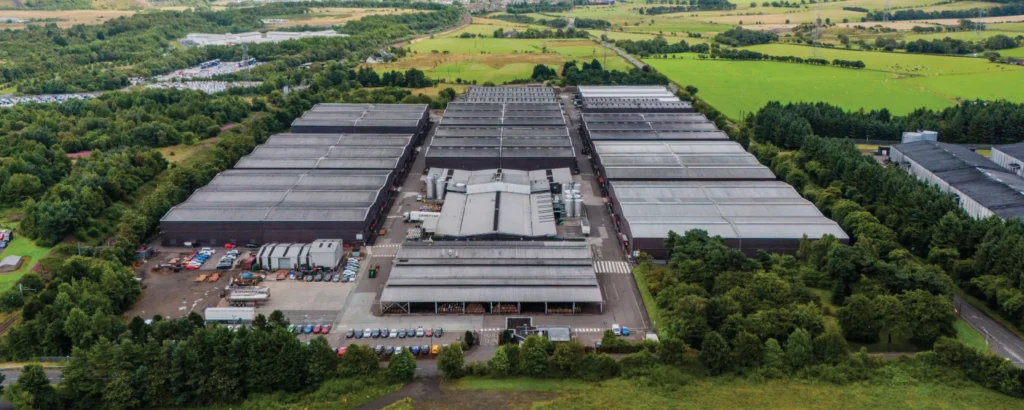
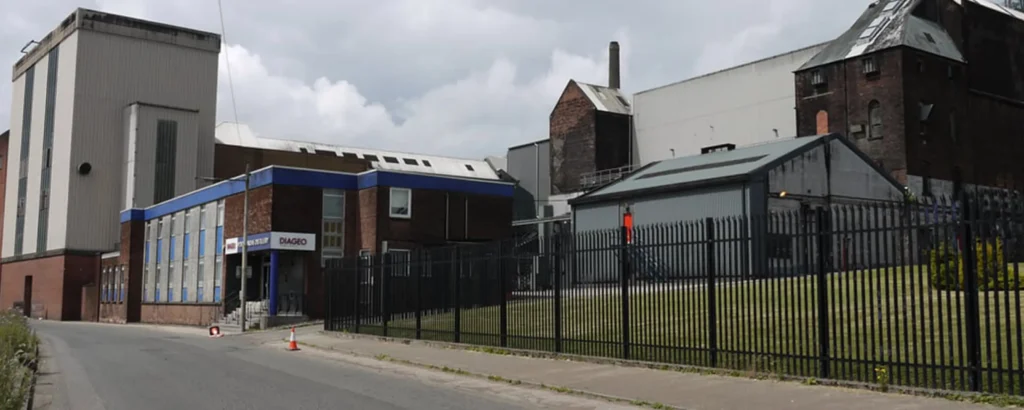
Nicknamed the Beast of Dufftown, Mortlach produces one of Speyside's most distinctive single malts. While the region is often associated with delicate, fruity whisky, Mortlach is renowned for its muscular character, rich texture and savoury depth.
Its unusual production methods and longstanding importance to Scotch whisky blending have made Mortlach whisky investment an interesting area for those exploring ownership of mature Speyside casks.
Mortlach: The First Distillery in Dufftown
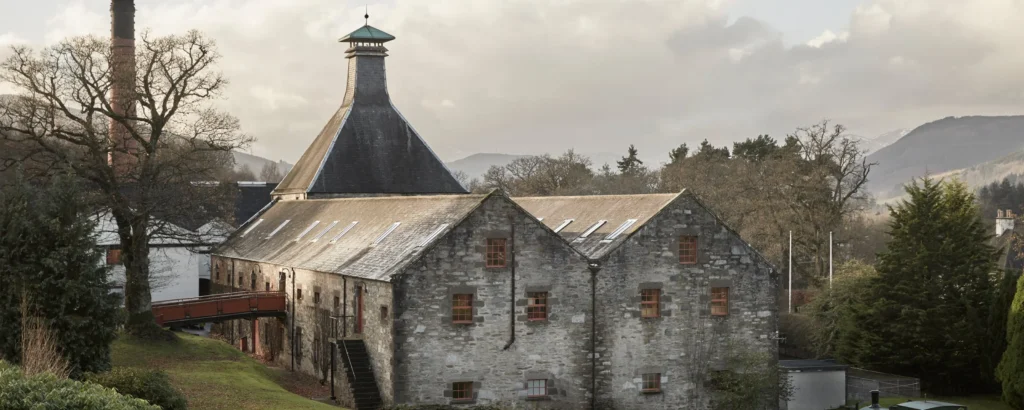
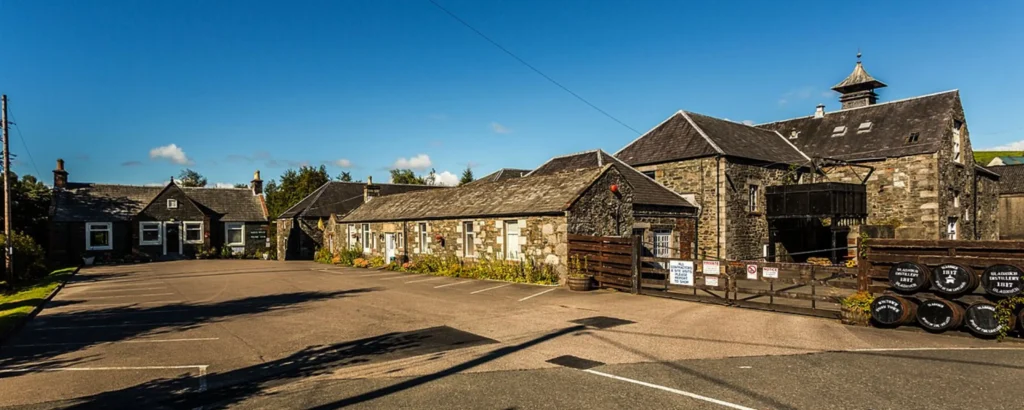
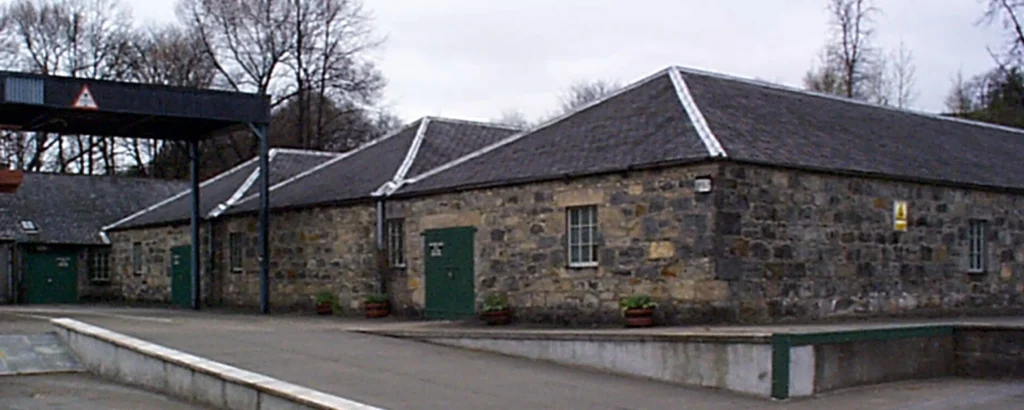
Mortlach was founded in 1823 by James Findlater, becoming the first legal distillery in Dufftown, a town that would eventually become one of Scotland's most important whisky-producing centres. Named after the local parish, Mortlach developed a reputation for producing a particularly full-bodied malt whisky. Its history is closely connected to George Cowie and his son Alexander, who helped shape the distillery's distinctive production methods during the nineteenth century.
Mortlach later became an important component of blended Scotch whisky, particularly Johnnie Walker, where its rich spirit contributes weight and complexity.
Today, the distillery belongs to Diageo, which has also developed Mortlach's reputation as a premium single malt. An interesting fact to consider when investing in Mortlach whisky.
What Makes Mortlach Whisky Different?
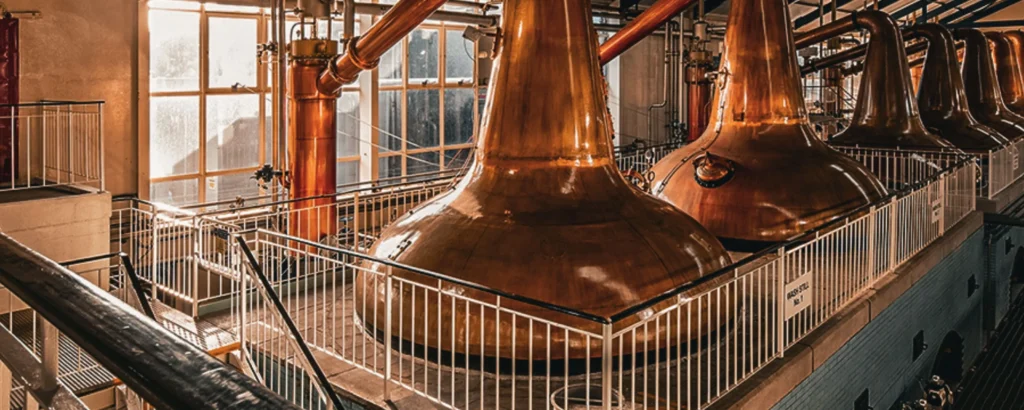
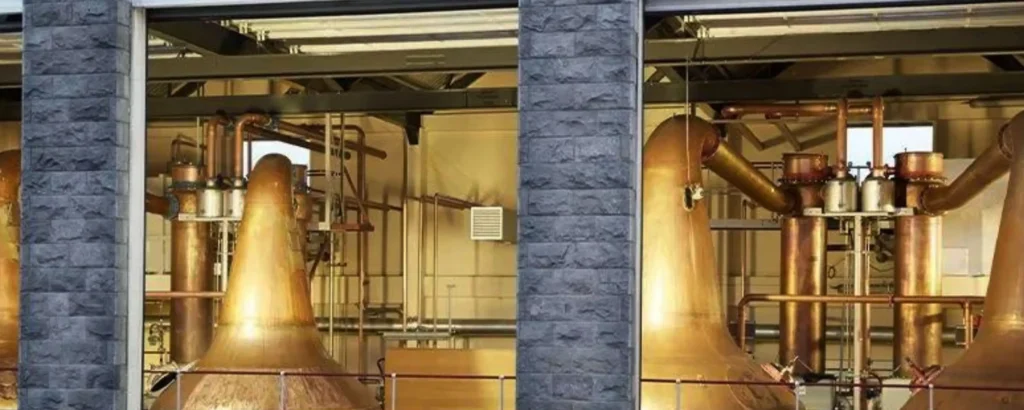
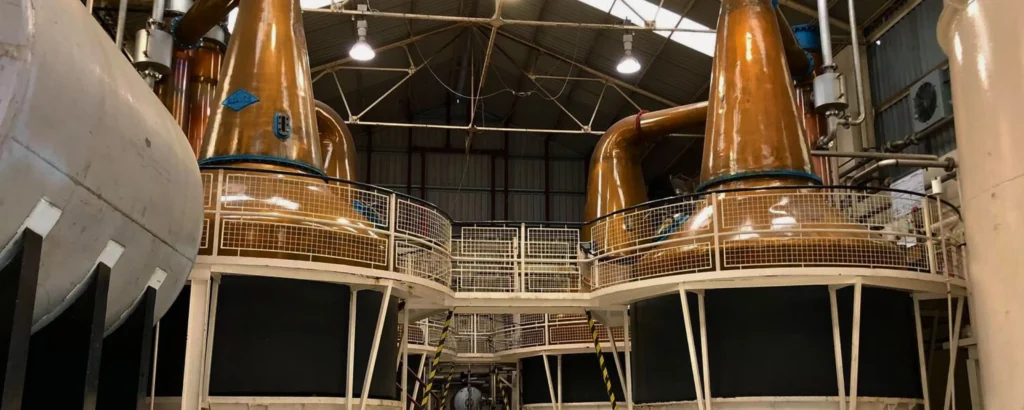
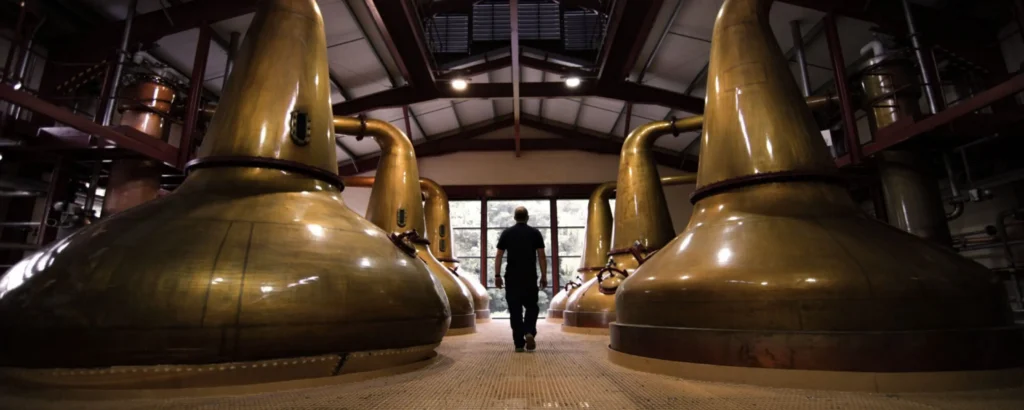
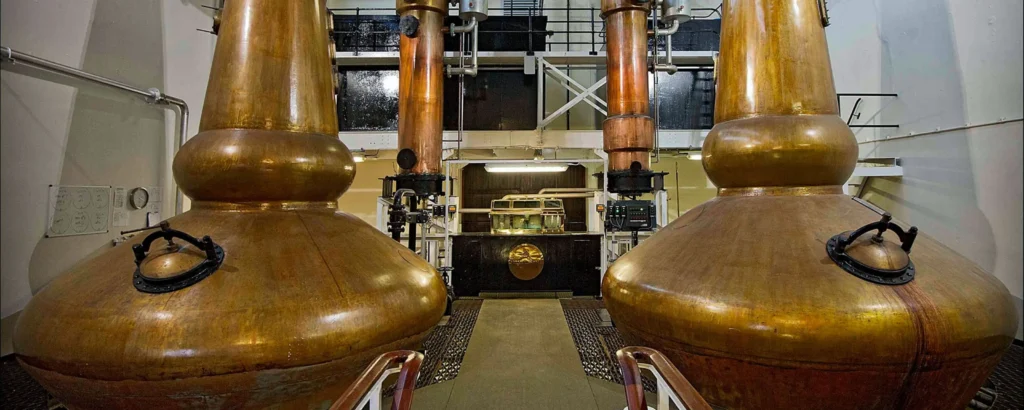
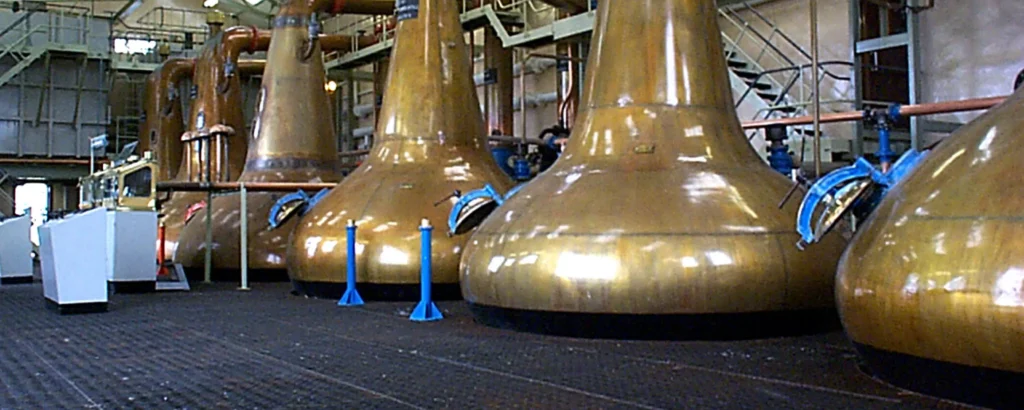
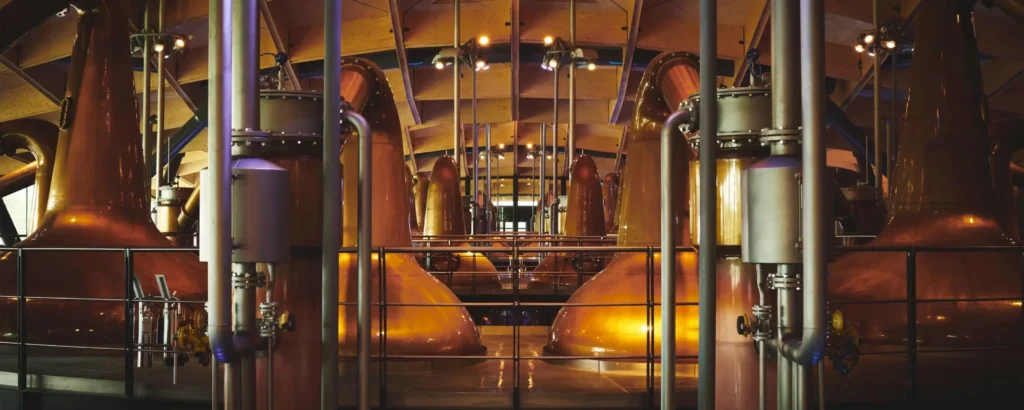
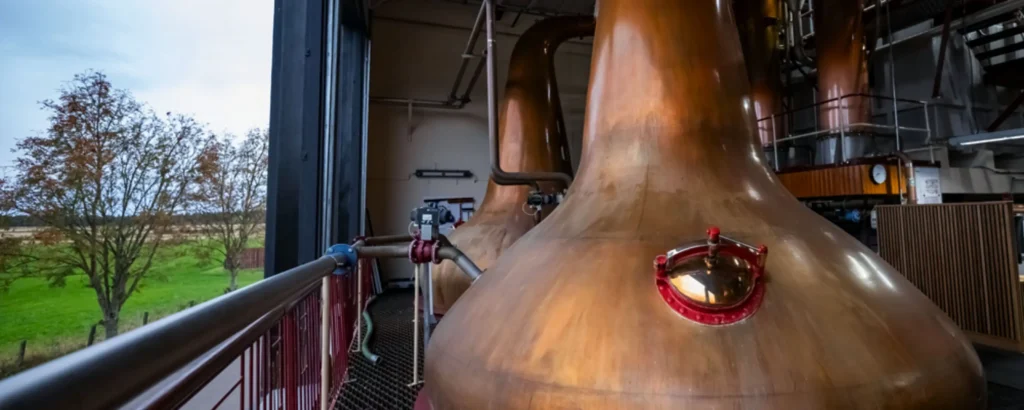
Mortlach's character begins with an unusually complicated distillation process. Rather than following the conventional double distillation used by most Scottish malt distilleries, Mortlach employs a system involving six copper pot stills of different shapes and sizes. The process is often described as 2.81-times distillation, although this figure represents the combined effect of several different spirit streams rather than every drop being distilled exactly 2.81 times.
Another defining feature is the use of traditional worm-tub condensers. These provide relatively limited copper contact during condensation, helping preserve heavier compounds that contribute to Mortlach's distinctive weight and texture.
The result is a powerful spirit associated with dark fruit, malt, spice and savoury, sometimes meaty notes.
For those considering Mortlach whisky investment, this unusual production character is an important part of the distillery's appeal.
From Blending Favourite to Sought-After Single Malt
For much of its history, Mortlach was better known within the whisky industry than among single malt drinkers. Its powerful, full-bodied spirit was highly valued by blenders, particularly for Johnnie Walker, where it contributed richness, structure and savoury depth.
Unlike many Speyside distilleries producing lighter, fruit-forward whiskies, Mortlach developed a reputation for a distinctive character that could hold its own alongside other malts and grain whiskies.
Over time, independent bottlers helped introduce Mortlach to a wider audience, demonstrating the complexity its spirit could achieve after extended maturation. Diageo subsequently placed greater emphasis on Mortlach as a premium single malt, bringing more attention to a distillery that had historically operated behind the scenes.
This evolution adds another dimension to Mortlach whisky investment. Its longstanding importance to blending provides an established production heritage, while growing recognition as a single malt has broadened interest in its character. For cask owners, however, the quality and provenance of individual stock remain more important than brand recognition alone.
Why Does Mortlach Whisky Investment Attract Interest?
Mortlach occupies an unusual position within Speyside.
Firstly, its production methods create a spirit that differs noticeably from the lighter styles produced by many neighbouring distilleries.
Secondly, its distinctive character has long made Mortlach valuable to blenders, while its reputation among single malt enthusiasts has grown considerably.
Thirdly, the distillery's connection to Johnnie Walker also demonstrates its importance within the wider Scotch whisky industry.
However, demand for Mortlach whisky does not necessarily translate into strong demand for every privately owned cask. An individual cask's quality, age, condition and purchase price remain central to assessing its prospects.
For Mortlach whisky investment, the challenge is identifying stock whose maturation characteristics and pricing offer a realistic proposition for future buyers.
What Is the Potential of Older Mortlach Casks?
Mortlach's full-bodied spirit can develop considerable complexity during extended maturation. Older casks may display rich dried fruit, polished oak, leather and spice, alongside the savoury character for which the distillery is known.
However, long maturation also introduces risks. Evaporation reduces the remaining volume, while excessive oak influence can eventually overwhelm the whisky. The relationship between age and quality is therefore not always straightforward.
Those planning to invest in Mortlach whisky casks should consider whether the spirit would benefit from further maturation or whether it has already reached a desirable stage.
What Is Mortlach Cask Ownership?
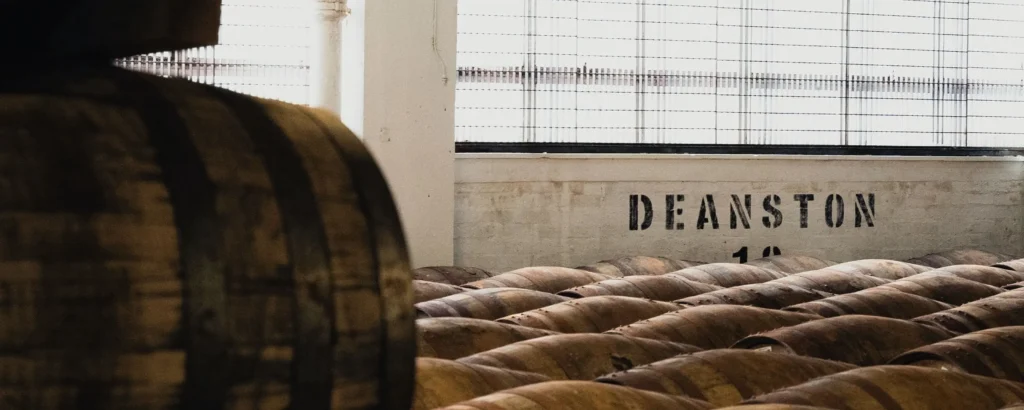
Mortlach's importance to Diageo means much of its production is retained for the company's own blending and single malt requirements. Privately available casks may therefore originate from historical stock movements or secondary market transactions.
Before purchasing, buyers should verify ownership documentation, warehouse location and any restrictions on transferring or independently bottling the whisky. Potential exit routes include independent bottlers, brokers and other private buyers, although resale opportunities depend on prevailing market conditions.
Is Mortlach Whisky a Good Investment?
Mortlach combines more than 200 years of distilling history with a production process unlike almost any other in Scotland. Its distinctive spirit, established blending heritage and ability to develop rich flavours through maturation make it an interesting name within the cask market.
However, Mortlach whisky investment requires careful consideration of cask provenance, alcoholic strength, remaining volume and future buyer demand. As any investment, whisky cask investment carries risks, including the possibility of capital loss, and future returns are never guaranteed.
Speak to The 1901 Group team to learn more about how to invest in Mortlach whisky casks and discuss the considerations involved in long-term whisky ownership.