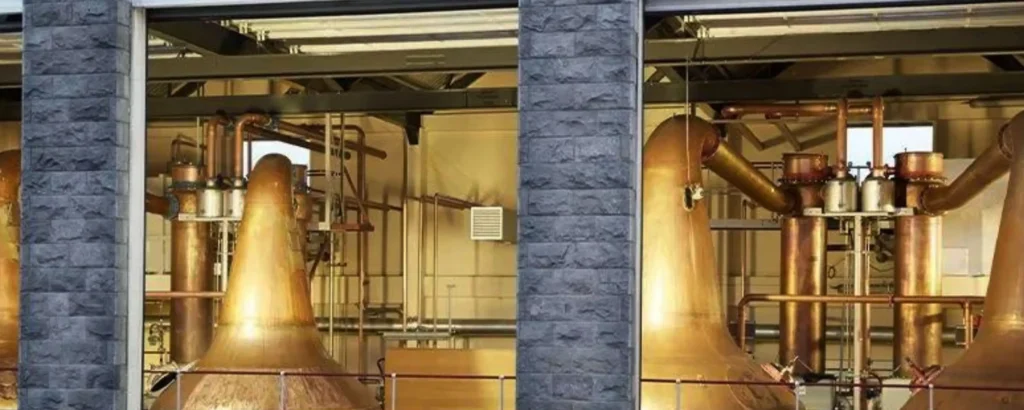
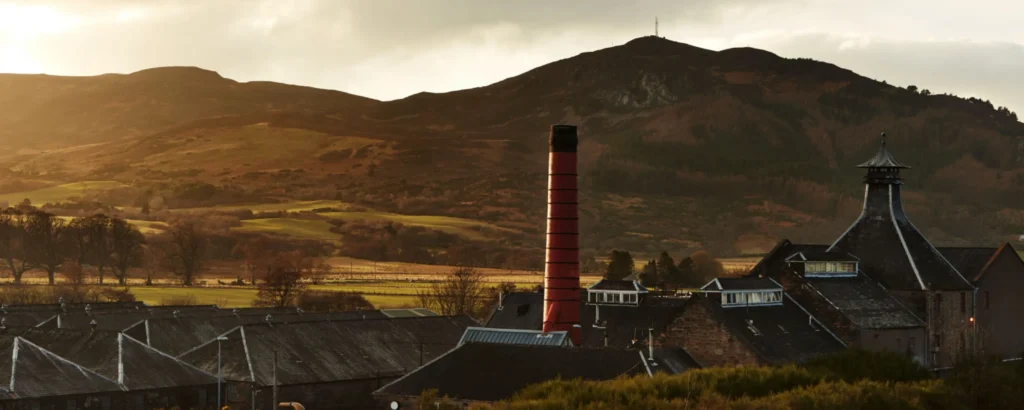
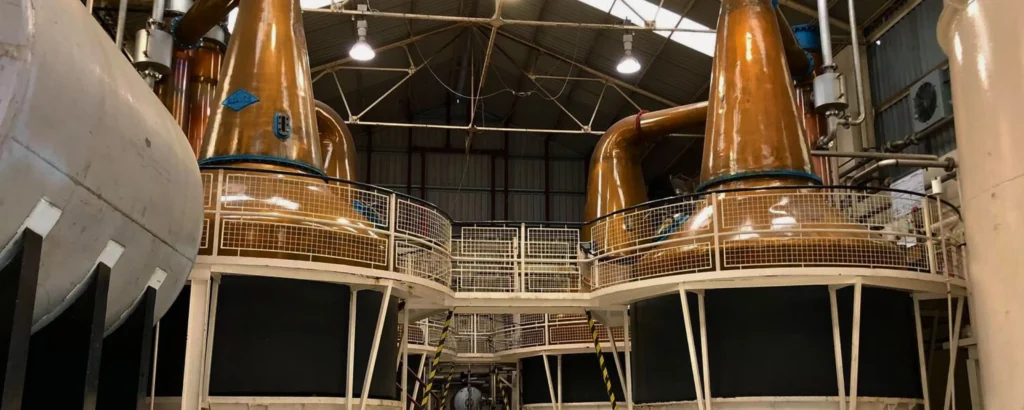
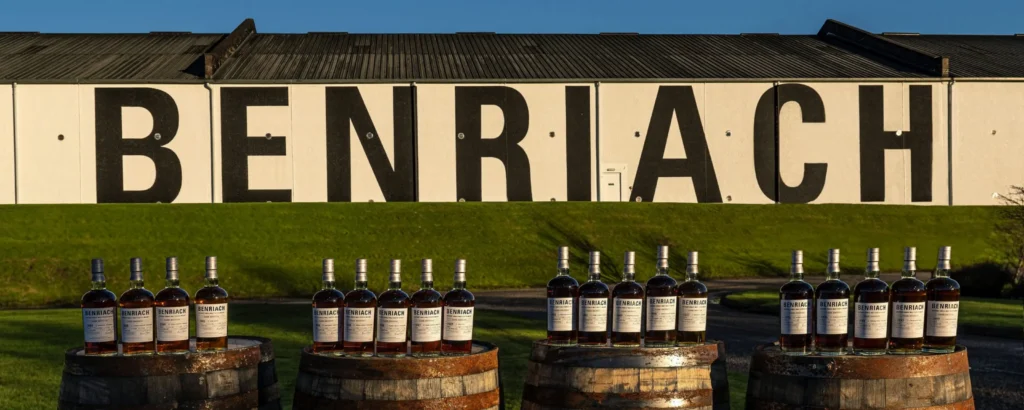
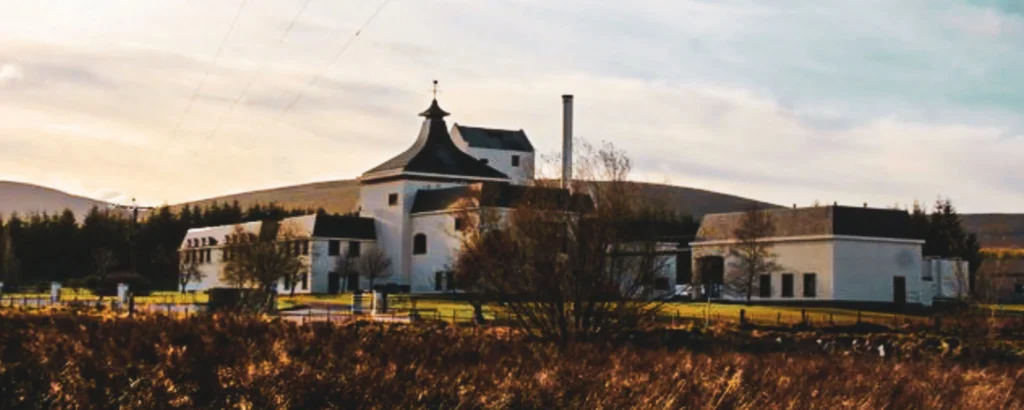
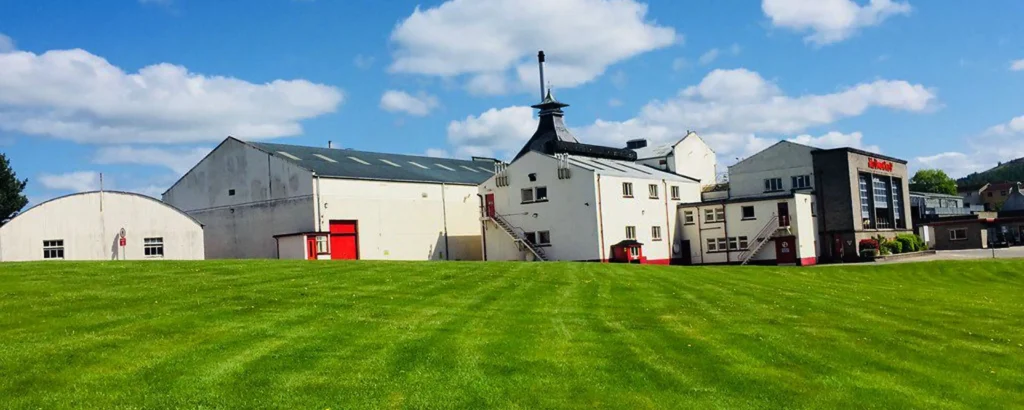
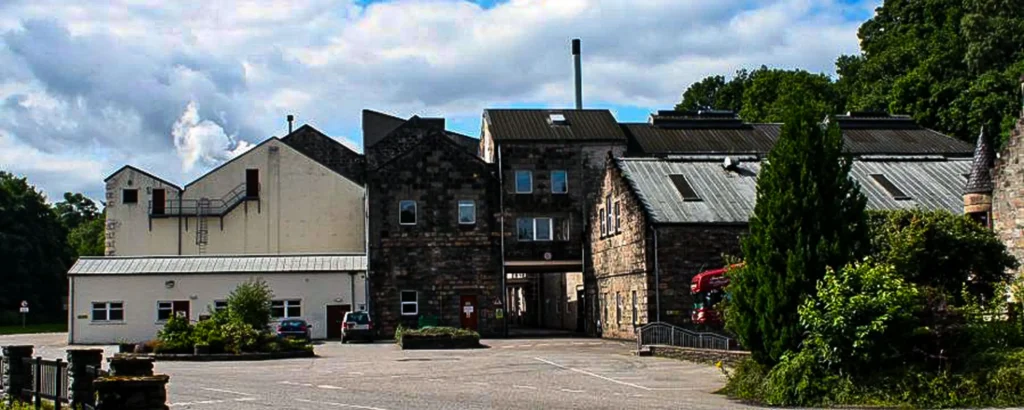
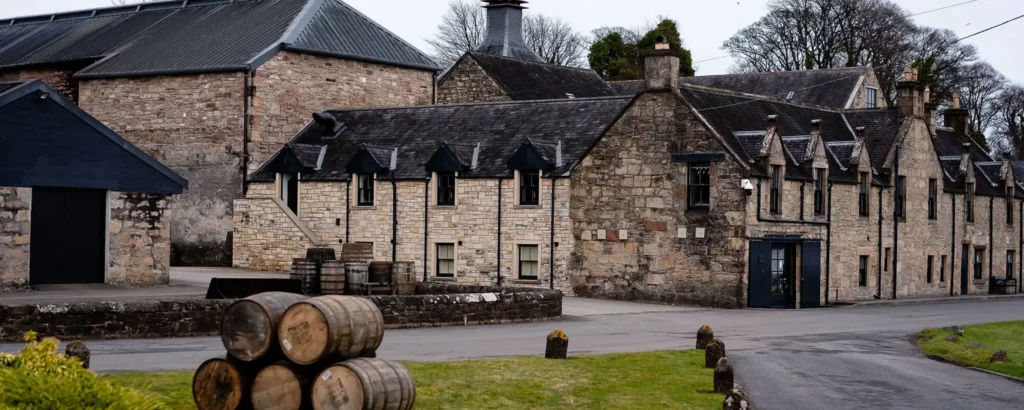
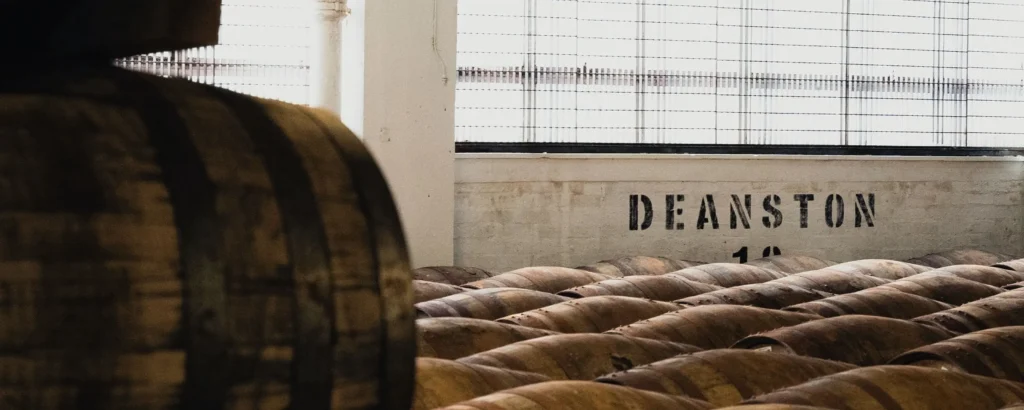
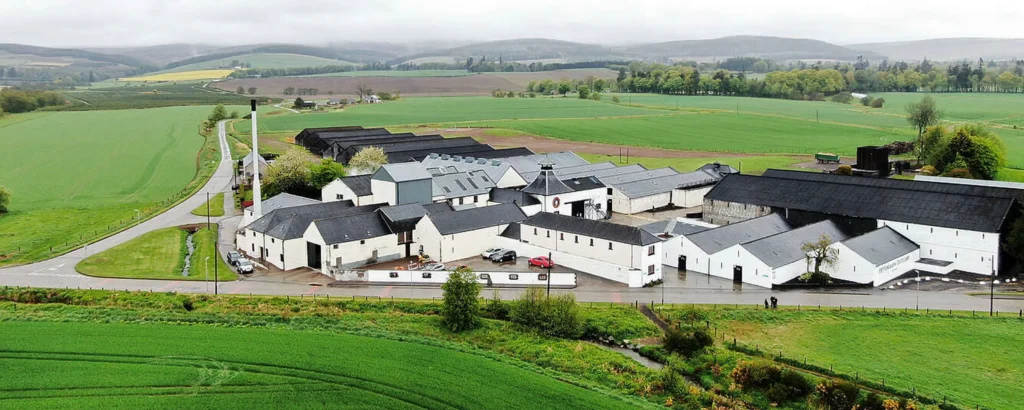
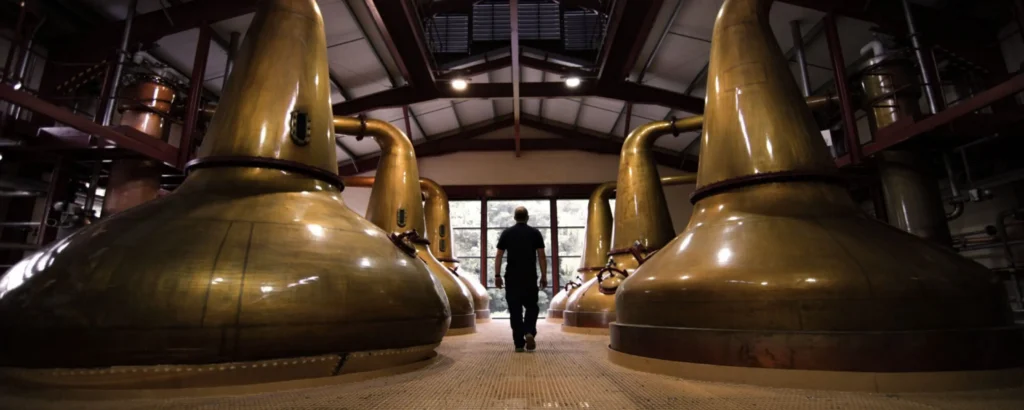
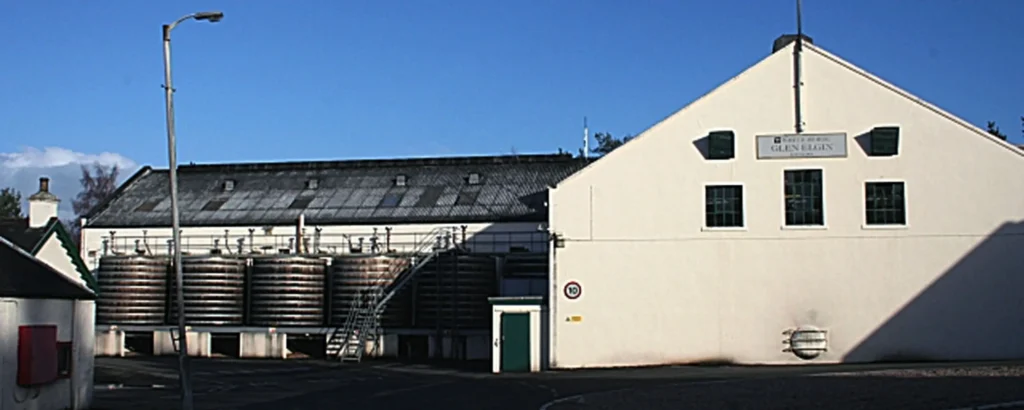
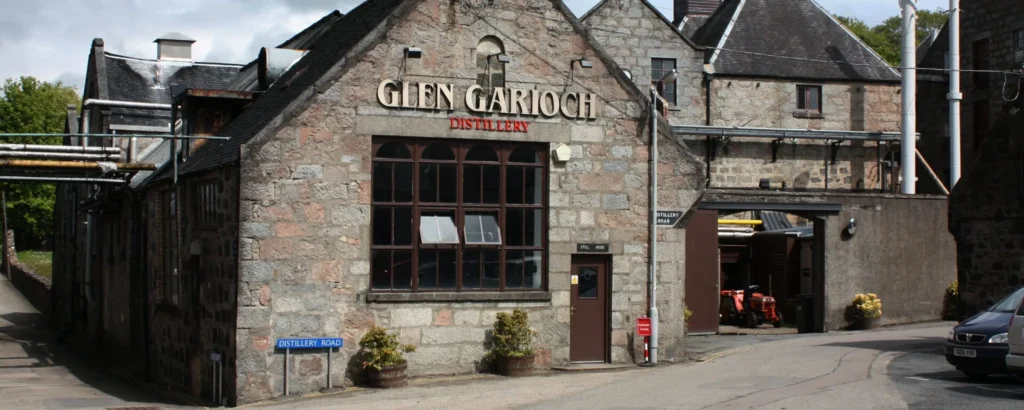
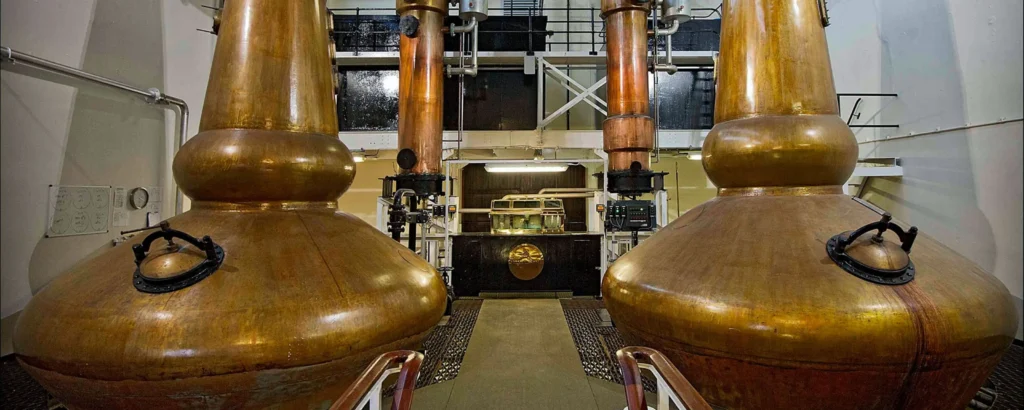
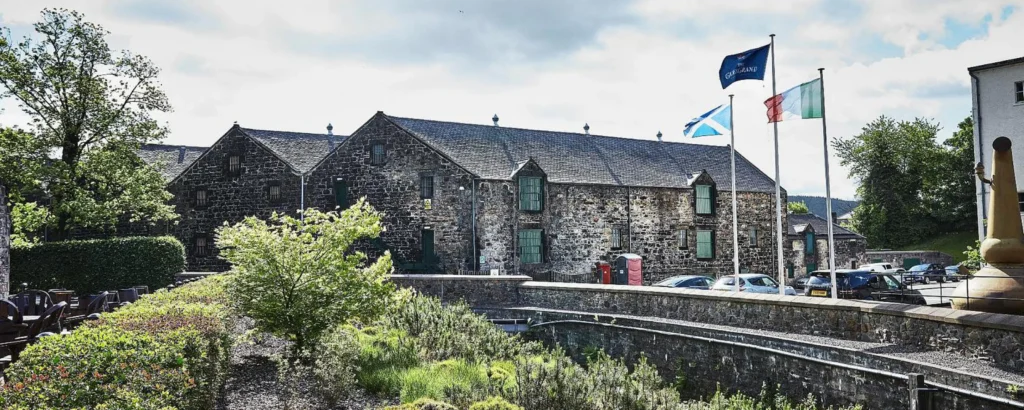
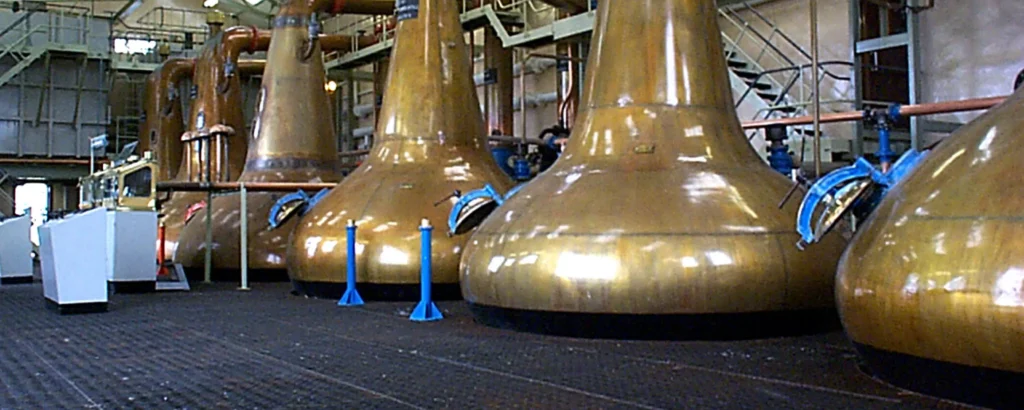
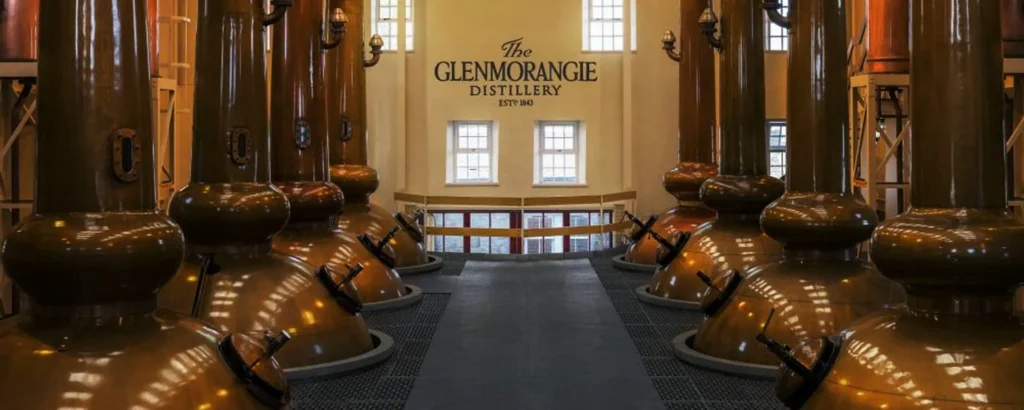
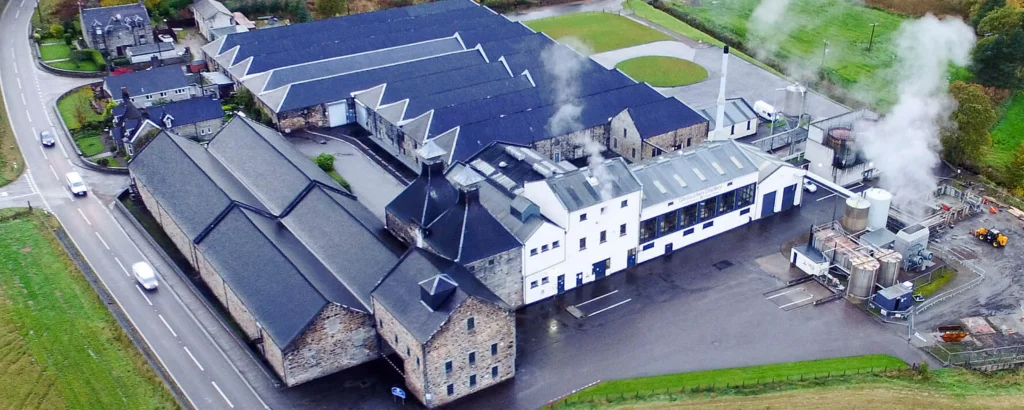
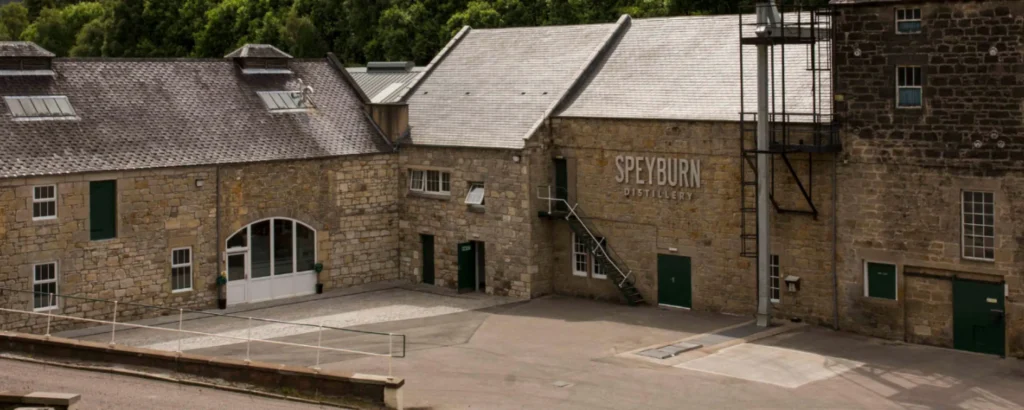
Tucked into a wooded valley on the outskirts of Rothes, Scotland, Speyburn has been producing single malt Scotch whisky since 1897. Known for its fresh, fruity character, the distillery has grown from a relatively understated Speyside producer into an internationally recognised whisky brand.
For those looking to invest in Speyburn whisky, its established production history, approachable spirit and developing global presence offer several points worth exploring.
Speyburn Distillery: A Victorian Beginning
Speyburn was founded in 1897 by John Hopkins & Co., during a period of rapid expansion in Scotland's whisky industry.
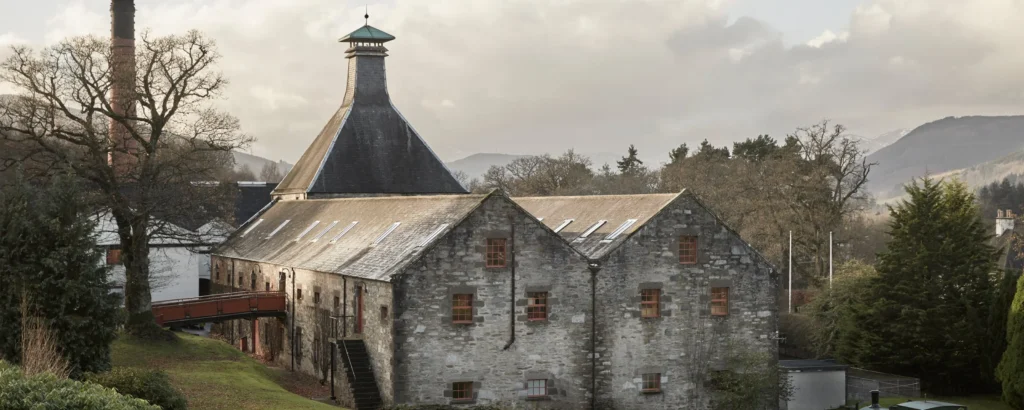
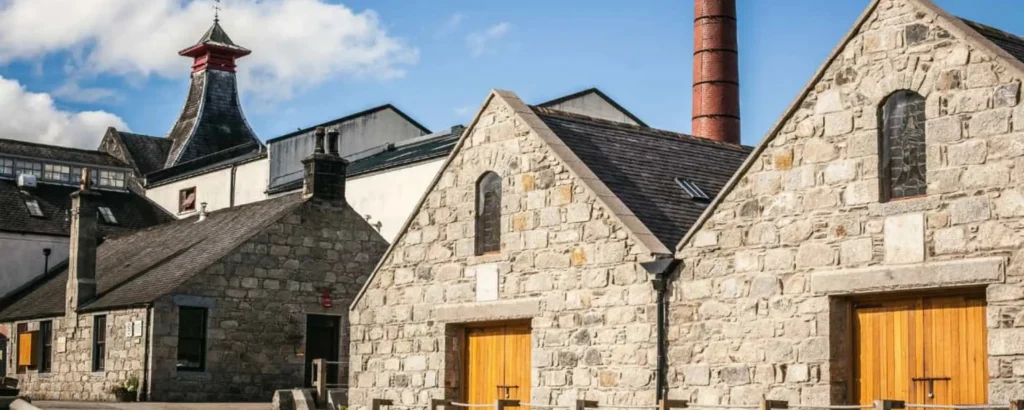
The distillery was designed by Charles Doig, one of the most influential distillery architects of the era. Its hillside setting required an unusual layout, with buildings arranged to make use of the natural slope of the land. Doig's design included a distinctive pagoda-roofed kiln and an innovative system for moving malt through the production process.
Apart from its architecture, Speyburn also became associated with the nearby Granty Burn, whose water helped establish the distillery's identity.
Today, Speyburn belongs to Inver House Distillers, part of International Beverage, which has owned the distillery since 1991.
From Blending Whisky to International Recognition
For much of its history, Speyburn was better known within the whisky trade than among individual consumers. Its longstanding contribution to blended Scotch whiskies, including Hankey Bannister, has helped establish it as an important distillery within the Inver House portfolio.
However, over time, Speyburn has developed a stronger identity as a single malt, particularly in international markets such as the United States. Consequently, this wider recognition has introduced more whisky drinkers to the distillery's character and heritage.
For a Speyburn whisky investment, growing brand familiarity may help attract attention from potential buyers. However, consumer demand for Speyburn whisky does not necessarily translate into equivalent demand for privately owned casks.
Anyone planning to invest in Speyburn whisky casks should consider the potential market for mature stock separately from the brand's retail success.
What Makes Speyburn Whisky Distinctive?
Speyburn produces a classic Speyside spirit, generally characterised by orchard fruit, citrus, honey and gentle malty sweetness. Its relatively light, approachable character makes it well suited to maturation in different types of oak.
Unlike heavily peated whiskies, where smoke can dominate the flavour profile, Speyburn allows the influence of the cask to become more apparent as the spirit develops. This can produce considerable variation between individual casks, even when they originate from the same distillation year.
For those considering to invest in Speyburn whisky, understanding the original spirit character can help establish what to expect from further maturation.
How Does Speyburn Whisky Develop in the Cask?
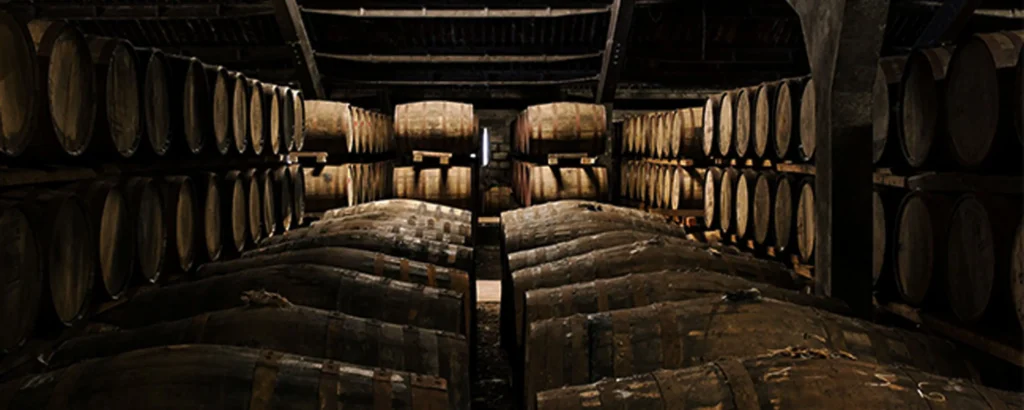
Speyburn uses a variety of cask types to develop its distinctive Speyside character, with ex-bourbon barrels forming an important part of its maturation programme. American oak contributes notes of vanilla, honey and gentle spice, complementing the distillery's naturally fruity spirit.
Sherry casks bring a different dimension, introducing richer flavours of dried fruit, warming spice and greater depth. Speyburn also explores alternative maturation techniques, including finishes in Caribbean rum casks, Bordeaux red wine casks previously used for Cabernet Sauvignon and Merlot, and different types of sherry casks, as demonstrated by its Jerez expression.
These variations show how the choice of wood can influence the whisky's final character. First-fill bourbon casks generally impart a stronger oak influence, while refill casks allow the underlying spirit to develop more gradually.
For those looking to invest in Speyburn whisky casks, understanding the cask's previous contents, fill history and maturation period can help assess its future development and potential appeal.
Speyburn Whisky Investment and Cask Availability
Speyburn's production supports both its single malt range and blending requirements, meaning only a limited amount of its maturing stock is available to private buyers.
Investors should establish clear title of their desired stock, confirm the bonded warehouse location and understand any restrictions on transferring or bottling the whisky under the Speyburn name. Potential buyers of mature Speyburn stock may include independent bottlers, brokers or other private cask owners.
However, the size of this market can vary according to age, quality, cask type and prevailing demand. A Speyburn whisky investment should therefore be approached with a realistic understanding of how and when the cask might eventually be sold.
What Should Investors Consider Before Investing in Speyburn Whisky?
As with any whisky cask investment, the purchase price is only one part of the overall calculation. Age, distillation year, cask type, remaining volume and alcoholic strength all influence the characteristics and potential value of the Speyburn whisky investment.
A recent regauge can establish how much spirit remains after evaporation through the Angel's Share, while sampling may help determine whether further maturation is desirable.
Additionally, storage, insurance, future bottling expenses and selling costs should also be considered.
For investors seeking to invest in Speyburn whisky, a clear holding period and an understanding of potential exit routes can help inform the decision.
Is Speyburn Whisky a Good Investment?
Speyburn combines more than 125 years of distilling history with a distinctive Speyside character and an increasingly recognisable international brand. Its versatility in maturation and established position within the whisky industry make it an interesting distillery to explore.
Nevertheless, the value of an individual cask depends on its condition, provenance, purchase price and future market demand. Returns are never guaranteed.
A Speyburn whisky investment should therefore be judged on these fundamentals rather than brand recognition alone. Speak to The 1901 Group team to discuss available Speyburn casks and their potential place within a wider whisky portfolio.