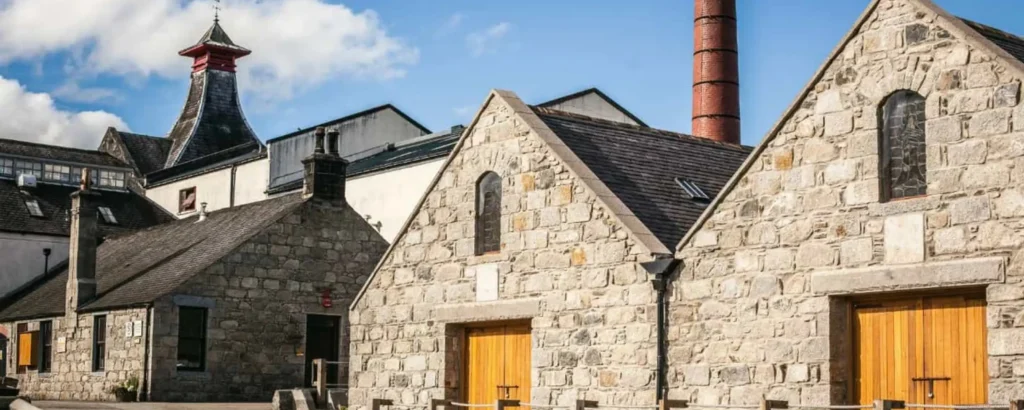
Strathmill is one of Speyside’s quieter distilleries. Located in the town of Keith on the banks of the River Isla, it has been producing whisky since 1891 and today forms part of Diageo’s extensive Scotch whisky portfolio.
For investors looking to invest in Strathmill whisky, its appeal is quite different from that of highly marketed single malt brands. Strathmill primarily produces whisky for blending, with a long-standing association with J&B Rare, while official single malt releases remain limited. This combination of established production and relatively low visibility as a standalone brand makes Strathmill an interesting name to consider within a diversified cask portfolio.
Why Invest in Strathmill Whisky?
Strathmill has spent much of its history as a workhorse distillery. Rather than building its reputation through a large core range of single malts, its spirit has predominantly been destined for blends.
Its association with J&B Rare stretches back to the 1960s, following changes in ownership that brought Strathmill and the blend under the same corporate umbrella. Today, the distillery is owned by Diageo, one of the world's largest spirits companies.
This blending heritage can be attractive for Strathmill whisky investment. Mature whisky can potentially attract demand from different parts of the Scotch industry, including blenders and independent bottlers. Strathmill also appears periodically as an independently bottled single malt, providing whisky drinkers with another way to experience the distillery beyond its limited official releases.
A Brief History of Strathmill Distillery
Strathmill began production in 1891 when a former corn mill in Keith was converted into a whisky distillery during the late-Victorian whisky boom. Originally named Glenisla-Glenlivet, it was acquired by London wine and spirits company W. & A. Gilbey in 1895 and renamed Strathmill.
A significant change came in 1962 when W. & A. Gilbey merged with United Wine Traders to create International Distillers & Vintners (IDV). United Wine Traders owned Justerini & Brooks, producer of J&B Rare, beginning Strathmill’s long association with the internationally distributed blend.
Following subsequent corporate mergers and acquisitions, Strathmill eventually became part of Diageo when Grand Metropolitan and Guinness merged in 1997.
Despite more than 130 years of production, official Strathmill single malt releases remain relatively uncommon.
What Makes Strathmill Whisky Different?
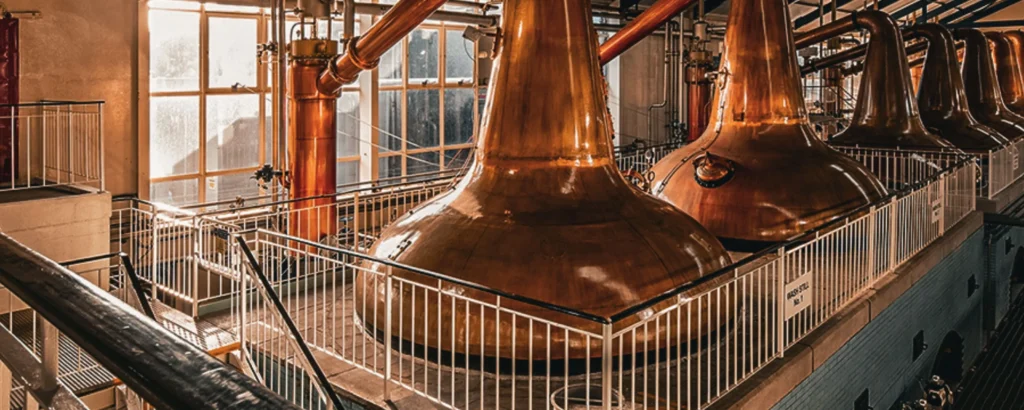
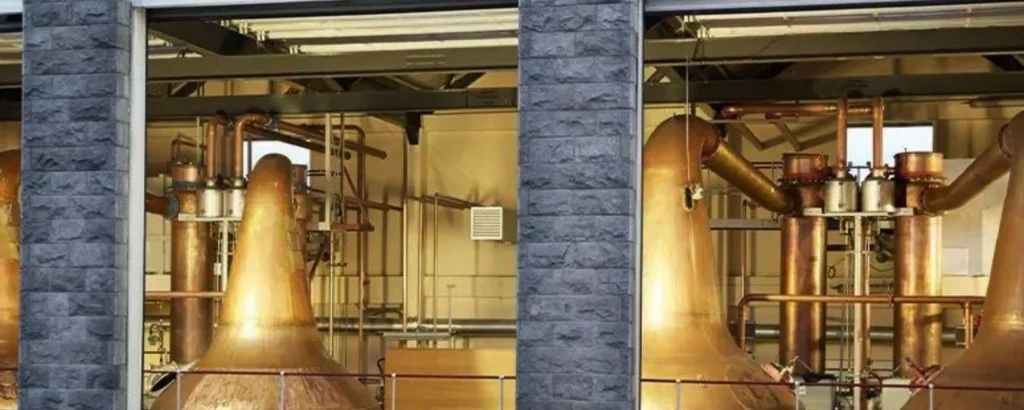
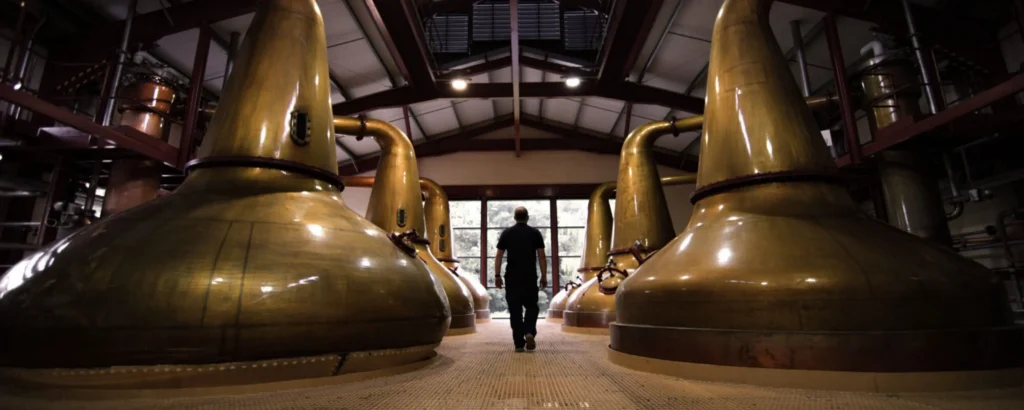
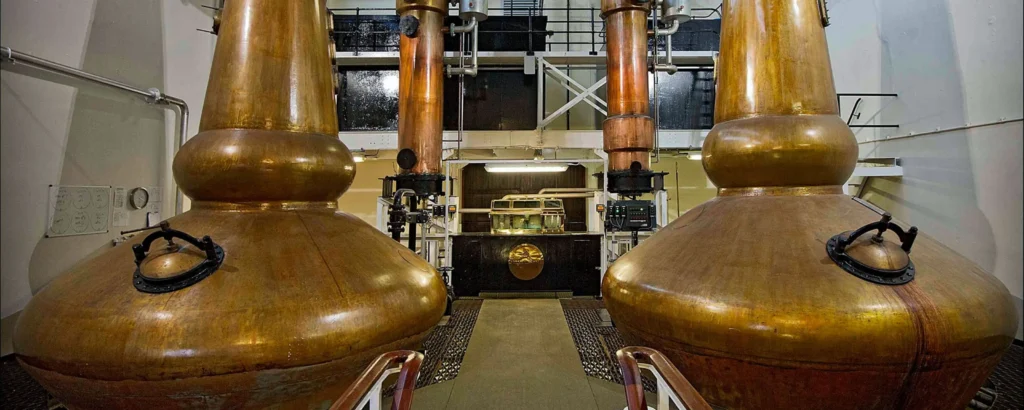
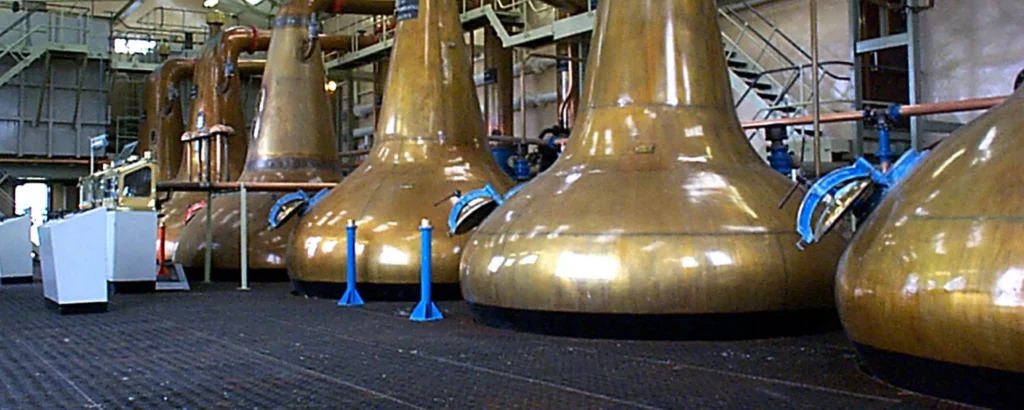
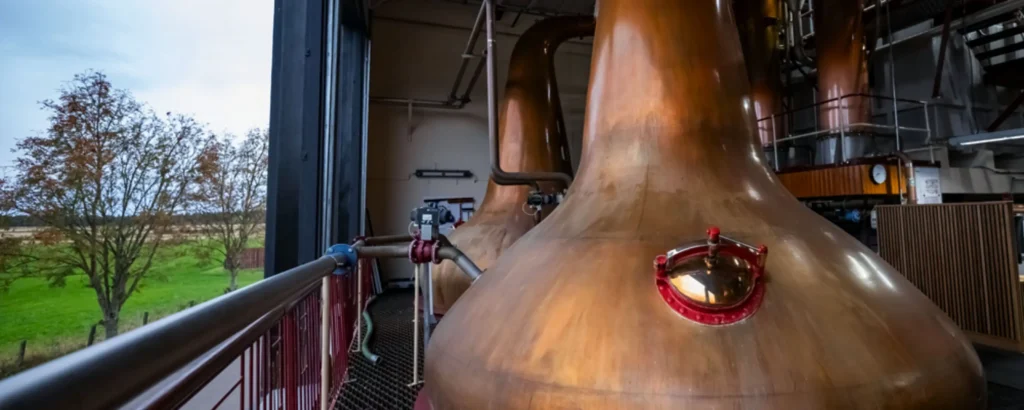
Strathmill is generally associated with a light, delicate and fruity style of spirit. One of the more unusual features of its production is the use of purifiers on the spirit stills.
These allow lighter alcohol vapours to continue towards condensation while heavier compounds are returned to the still for further distillation. The process contributes to the lighter character associated with Strathmill’s new make spirit.
For investors who consider investing in Strathmill whisky, this underlying spirit character becomes particularly interesting as the whisky matures. Cask type, fill history and length of maturation can substantially influence how the comparatively delicate spirit develops over time.
The distillery’s limited presence as an official single malt also distinguishes it from many better-known Speyside producers. Independent bottlers have consequently played an important role in bringing individual Strathmill casks to whisky enthusiasts.
Strathmill Whisky Investment: What Should Investors Consider?
A Strathmill whisky investment should be evaluated on the characteristics of the individual cask rather than the distillery name alone.
Important considerations include the year of distillation, age, cask type and size, fill history, current ABV and volume. Provenance and storage arrangements should also be established before purchasing any Scotch whisky cask.
The potential exit market is another consideration. Its role within blending and its presence among independent bottlers give mature stock potential routes into the wider whisky trade.
Price is therefore particularly important. A lesser-known distillery can offer a different entry point into whisky cask ownership, but the initial purchase price must be considered alongside the quality, age and potential future demand for the individual cask.
Is Investing in Strathmill Whisky a Good Idea?
Strathmill combines a history stretching back to 1891 with established blending credentials and ownership by Diageo. Its comparatively limited official single malt presence also means it occupies a different position from Speyside distilleries built around consumer-facing luxury brands.
These characteristics can make Strathmill worth considering as part of a broader whisky cask portfolio, particularly for investors seeking exposure beyond the industry's most recognisable names.
However, returns are never guaranteed. Market demand, purchase price, cask quality, maturation and the eventual exit route can all influence performance.
For investors looking to invest in Strathmill whisky, understanding the specific cask and how it fits within a wider investment strategy should therefore remain central to the decision.
Speak to The 1901 Group team to discuss current Strathmill cask availability and whether it could complement your whisky portfolio.