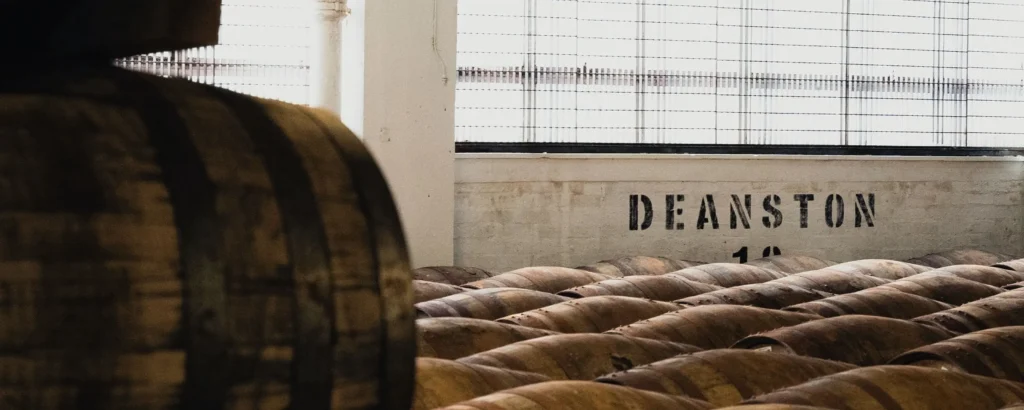
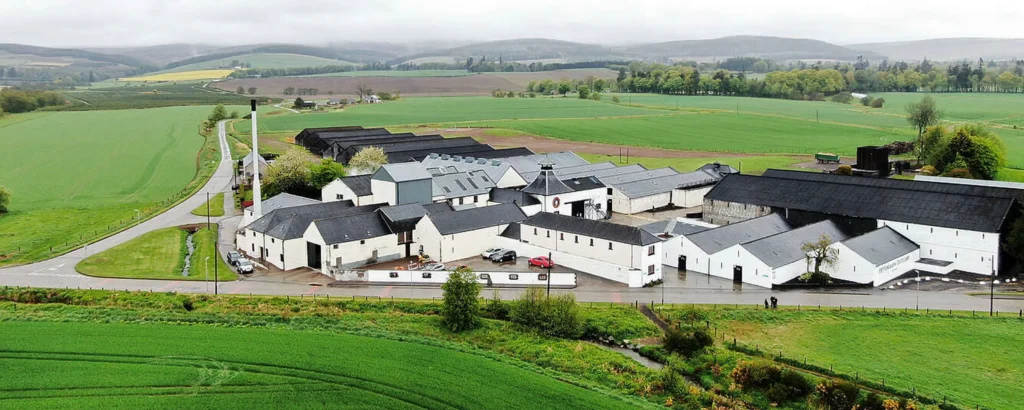
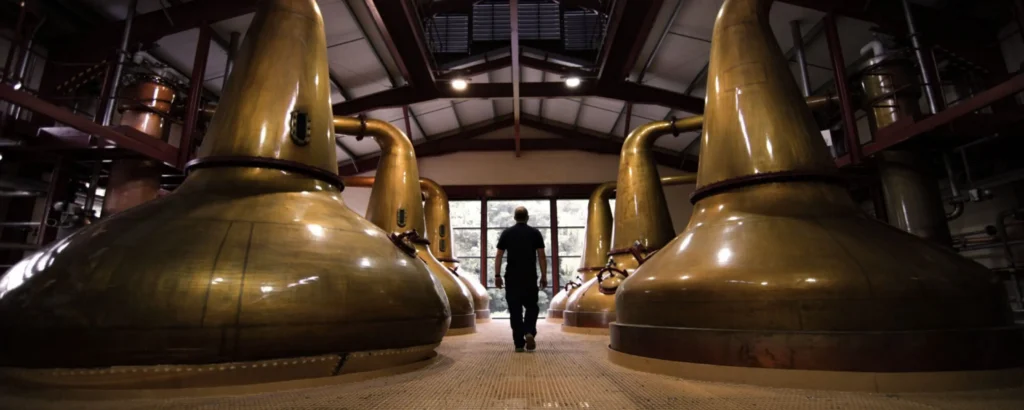
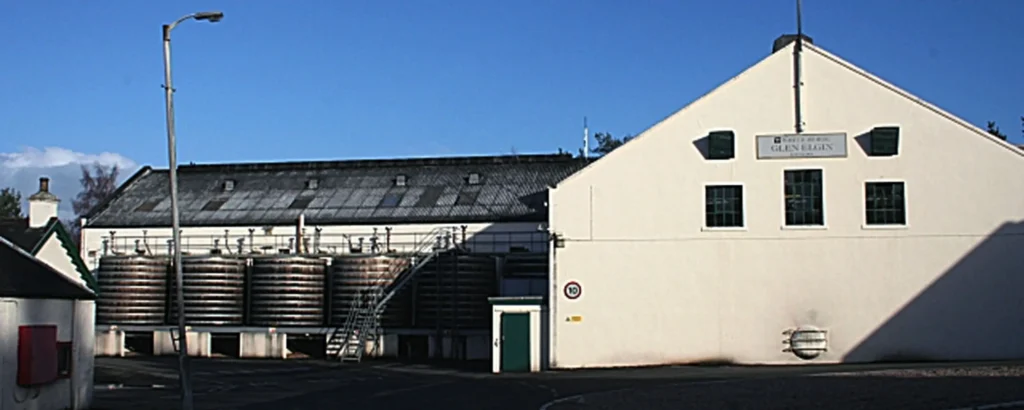
Few Speyside distilleries have built their modern identity around one style of maturation quite like Tamdhu. Once known primarily for supplying whisky to blends, the distillery has developed a reputation for its rich, sherry-matured single malt whisky.
For those looking to invest in Tamdhu whisky casks, this commitment to sherry-seasoned oak is central to understanding the distillery, its spirit and the characteristics of each individual cask.
Tamdhu Distillery: From Blending Malt to Single Malt
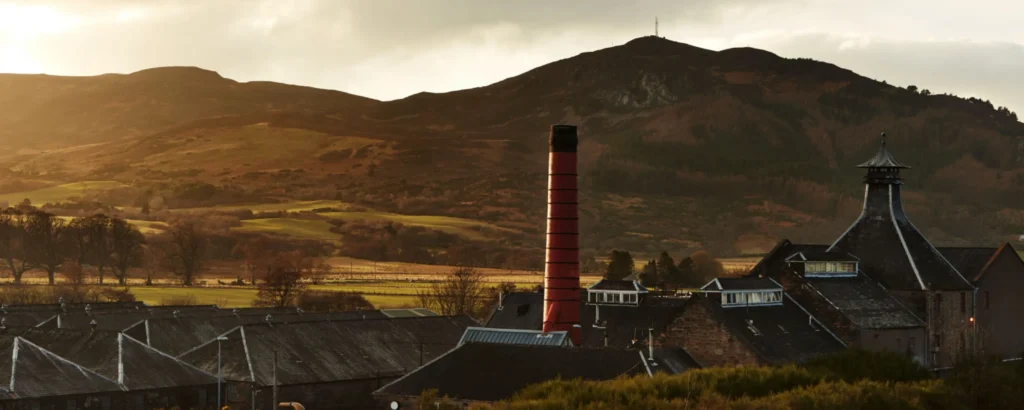
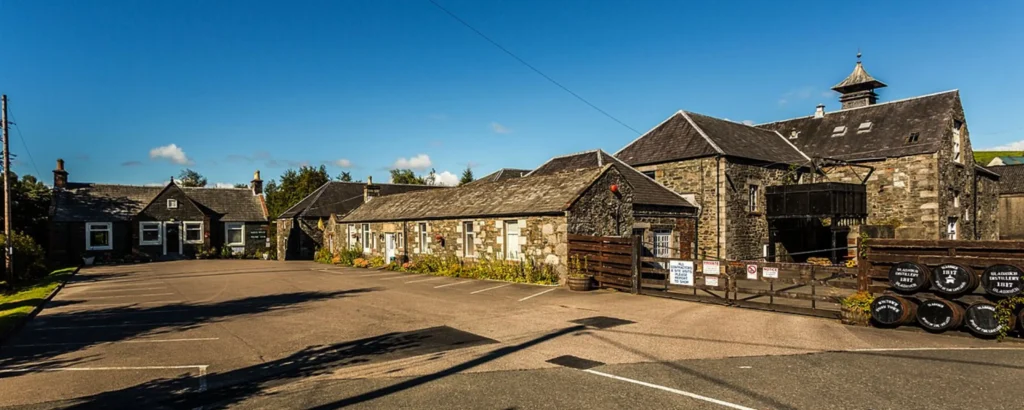
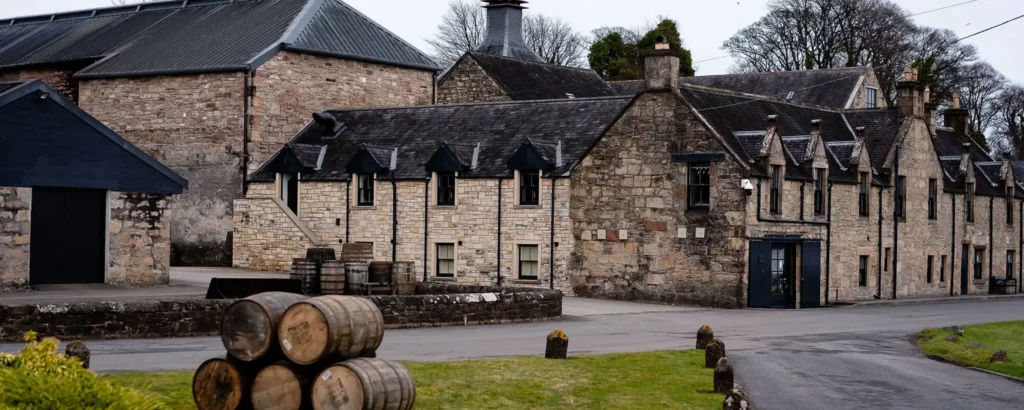
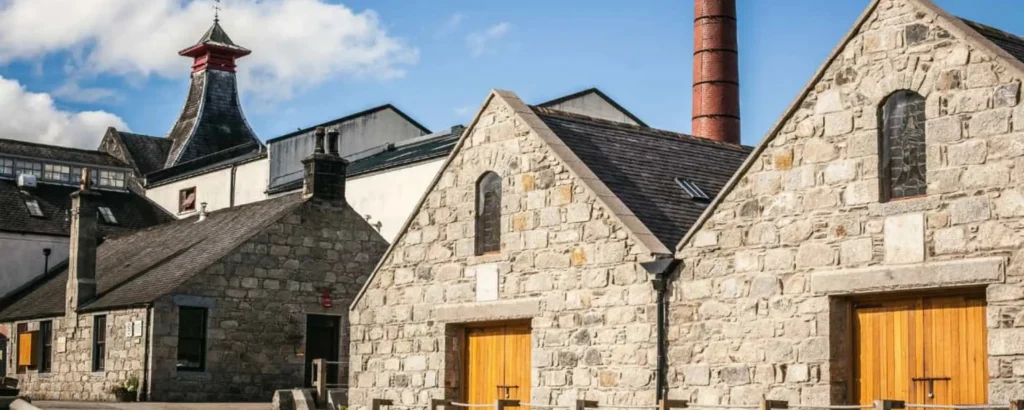
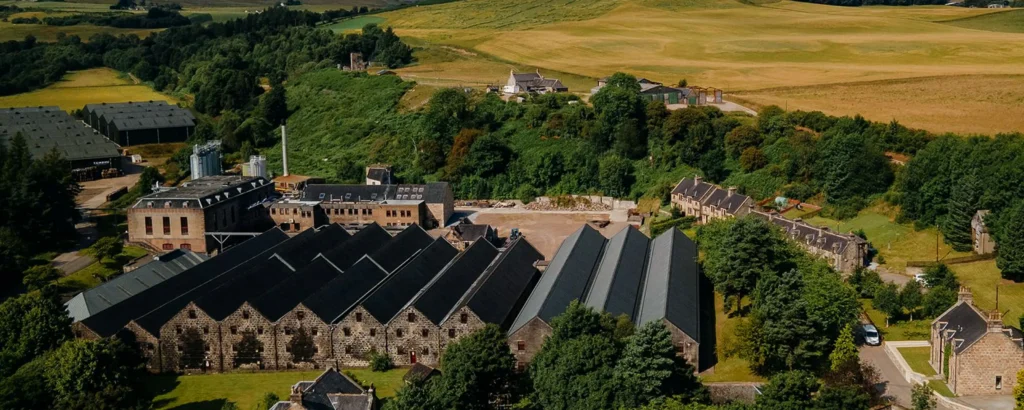
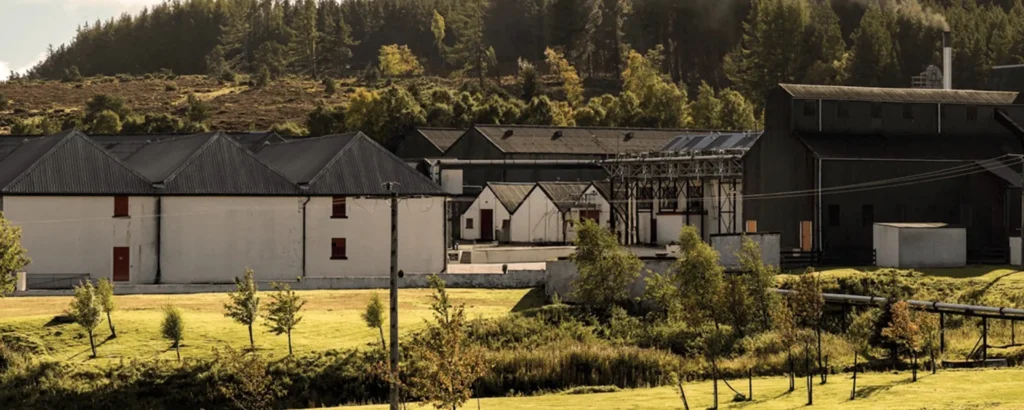
Tamdhu was founded in 1897 by a consortium of whisky merchants and blenders, with its distillery buildings designed by the renowned architect Charles Doig.
Set beside the River Spey, near Knockando, it was established during Scotland's late-Victorian whisky boom, when demand for malt whisky was growing rapidly.
For much of its history, Tamdhu's production was destined for blended Scotch whisky. Although its spirit was valued within the trade, the distillery remained relatively unfamiliar to the wider public.
After several changes in ownership, Tamdhu was acquired by Ian Macleod Distillers in 2011, having been mothballed the previous year. The new owners revived production and placed sherry-cask maturation at the heart of the distillery's identity.
This change has helped establish Tamdhu as a distinctive Speyside name, recognised for its rich, rounded and spice-led character.
Why Does Tamdhu Whisky Investment Attract Interest As An Alternative Asset?
Tamdhu's appeal lies in its clear approach to maturation. Rather than building its reputation around a wide range of different cask finishes, the distillery has concentrated on sherry-seasoned oak, creating a recognisable house style. For investors, this provides a useful starting point when assessing how Tamdhu spirit may develop over time.
Its established production history, renewed brand identity and focus on cask quality also make it an interesting name within Speyside.
However, a Tamdhu whisky investment should not be assessed on the distillery's reputation alone. Individual casks can differ considerably in quality, maturity and potential resale appeal.
What Makes Tamdhu Whisky Distinctive?
Tamdhu produces a full-bodied Speyside spirit that works well with the influence of sherry-seasoned oak. Its character is often associated with dried fruit, rich sweetness, warming spice and gentle nuttiness due to its interaction with the wood during maturation.
Unlike distilleries that rely heavily on ex-bourbon barrels, Tamdhu has made sherry-cask maturation a defining feature of its modern identity.
For those considering whether to invest in Tamdhu whisky, understanding the quality and previous use of the oak casks is therefore essential.
How Does Tamdhu Whisky Develop in the Cask?
Tamdhu's maturation programme centres on Oloroso sherry-seasoned casks made from European and American oak. The distillery uses both first-fill and second-fill casks, allowing different levels of wood influence while maintaining its characteristic sherry-led style.
European oak can contribute richer notes of dried fruit, dark chocolate, tannin and warming spice. American oak generally brings a sweeter influence, with vanilla, caramel and softer oak characteristics.
First-fill Oloroso casks typically have a stronger impact on the developing whisky, while second-fill casks allow the spirit's underlying character to remain more prominent.
The quality of the oak, the seasoning process and the length of maturation all influence the eventual result.
When looking to invest in Tamdhu whisky, the distinction between European and American oak, as well as first-fill and refill wood, can make a meaningful difference to the whisky's character and potential appeal.
Cask Availability and Independent Ownership
Although Tamdhu has grown in recognition, its parent company retains stock for the distillery's own maturation requirements. Casks offered to private buyers may therefore come through secondary market transactions rather than directly from the producer.
Due diligence is recommended. Ownership records, bonded warehouse documentation and any restrictions on using the Tamdhu name should be checked before purchasing.
A Tamdhu whisky investment also requires a practical exit strategy, whether that involves selling to another cask owner, a broker or an independent bottler. Brand recognition may attract interest, but it does not guarantee a buyer.
What Should Investors Consider Before Buying?
The purchase price should be considered alongside the cask's age, fill history, remaining volume and alcoholic strength. A recent regauge can establish how much whisky remains following evaporation, while sampling can provide insight into its current maturity.
Investors should also account for storage, insurance and potential selling expenses.
The age of the cask alone is not a reliable measure of quality. A well-matured younger cask may offer a different proposition from an older cask that has lost significant volume or strength.
For those seeking to invest in Tamdhu whisky casks, careful assessment of these factors is an important part of any whisky cask investment decision.
Is Tamdhu Whisky a Good Investment?
Tamdhu's transformation from a blending malt into a recognised specialist in sherry-cask maturation gives it a distinctive position within Speyside. Its commitment to Oloroso-seasoned oak casks, combined with more than a century of distilling history, makes it a compelling distillery to explore.
Nevertheless, future value depends on the individual cask, its purchase price and market demand at the point of sale. A Tamdhu whisky investment, as any other, carries risks, and returns are never guaranteed.
Speak to The 1901 Group team to discuss available Tamdhu casks and their potential place within a wider whisky portfolio.