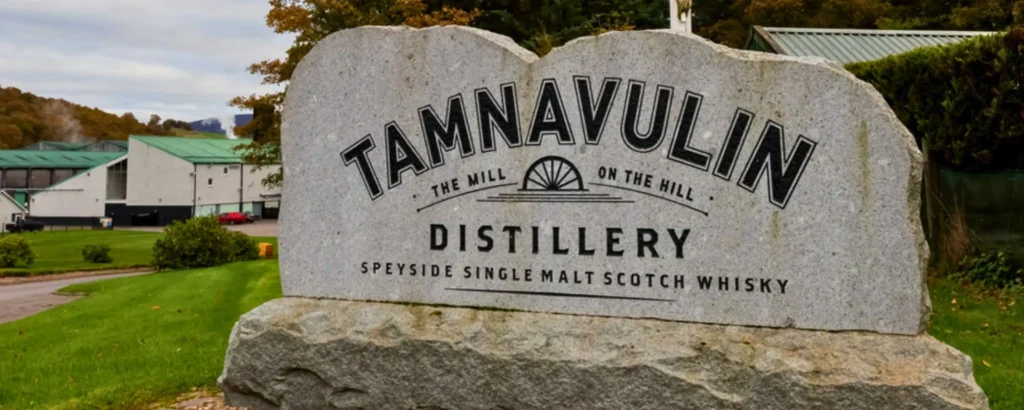
Tamnavulin has undergone a significant transformation. For much of its history, this Speyside distillery quietly produced malt whisky for blending. Today, its name appears on shelves around the world as Whyte & Mackay has developed Tamnavulin into a substantial single malt brand.
That evolution makes the distillery particularly interesting from a cask investment perspective. Investors exploring whether to invest in Tamnavulin whisky are looking at a producer with established blending credentials, large-scale production and a single malt identity that is considerably stronger than it was a decade ago.
Context: From Blending Malt to Single Malt Brand
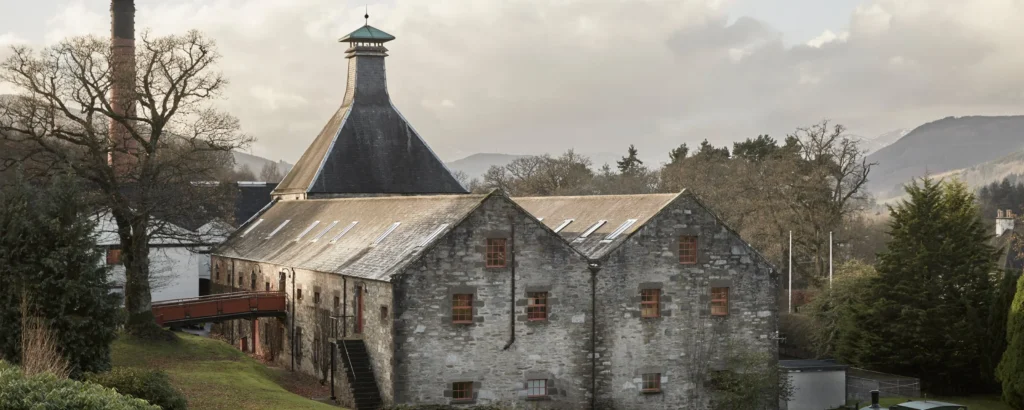
Tamnavulin was built in 1966 during a period of rapidly expanding demand for Scotch whisky. Located near the River Livet in Speyside, the distillery was established by Invergordon Distillers primarily to supply malt whisky for blends.
Production continued until 1995, when Tamnavulin was mothballed. Apart from a brief period of production in 2000, the stills remained largely silent until 2007, when the distillery returned to regular production.
Whyte & Mackay had acquired Invergordon Distillers in 1993 and remains the owner of Tamnavulin today. The company itself is now owned by Emperador Inc.
For decades, Tamnavulin whisky was better known within the trade than among consumers. That began to change when the Tamnavulin Double Cask launched in 2016, marking the distillery's 50th anniversary and establishing the foundation for its modern single malt range.
Considerations to Invest in Tamnavulin Whisky
A Tamnavulin whisky investment presents an interesting combination: a distillery with a relatively young consumer-facing brand but decades of experience supplying whisky to a major blending operation.
Its spirit remains an important component of Whyte & Mackay blends, giving Tamnavulin an established commercial role beyond its own bottles. At the same time, the expansion of its single malt range has created greater recognition of the distillery name itself.
This matters when examining maturing casks. Whisky ultimately needs a market, whether through blending, independent bottling or other routes within the trade. Tamnavulin's presence across both blended and single malt Scotch gives the distillery a broader story than its relatively recent prominence might suggest.
The price and specification of the cask remain fundamental, however. Choosing to invest in Tamnavulin whisky should not be based simply on the growth of the brand.
A Spirit Designed for Versatility
Tamnavulin produces the light, floral and fruit-driven style often associated with Speyside. Green apple, pear, soft malt and floral characteristics can be found in its spirit, making it well suited to blending while also providing a flexible base for maturation.
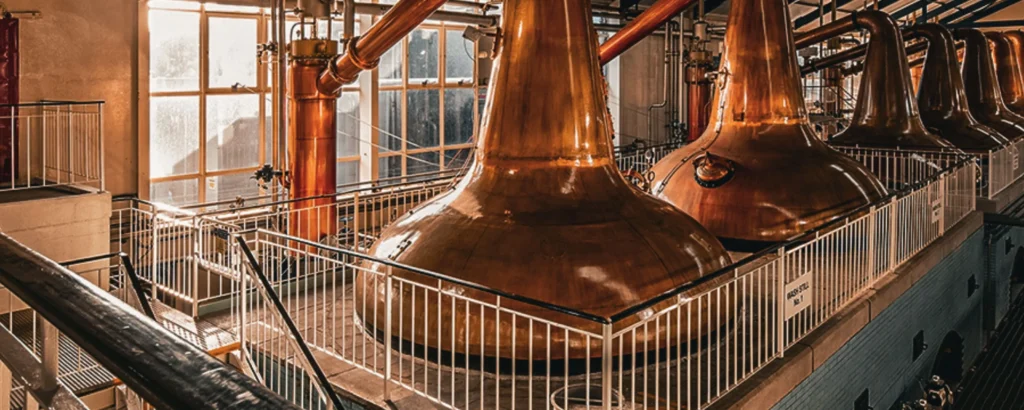
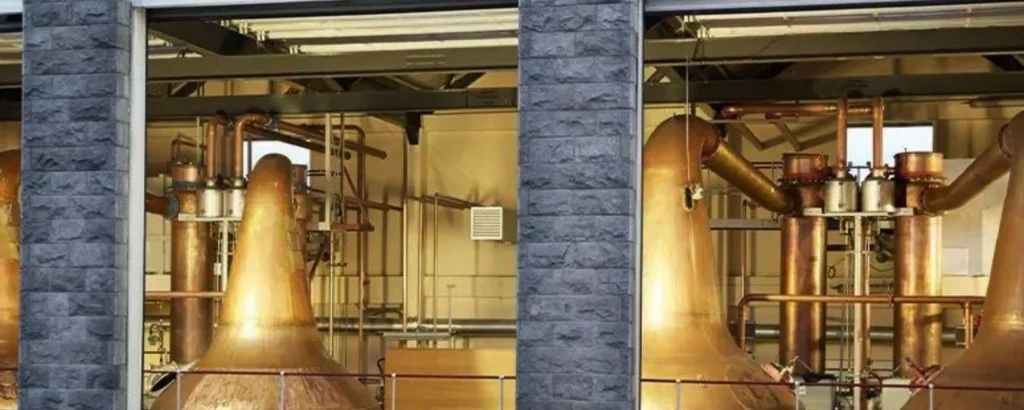
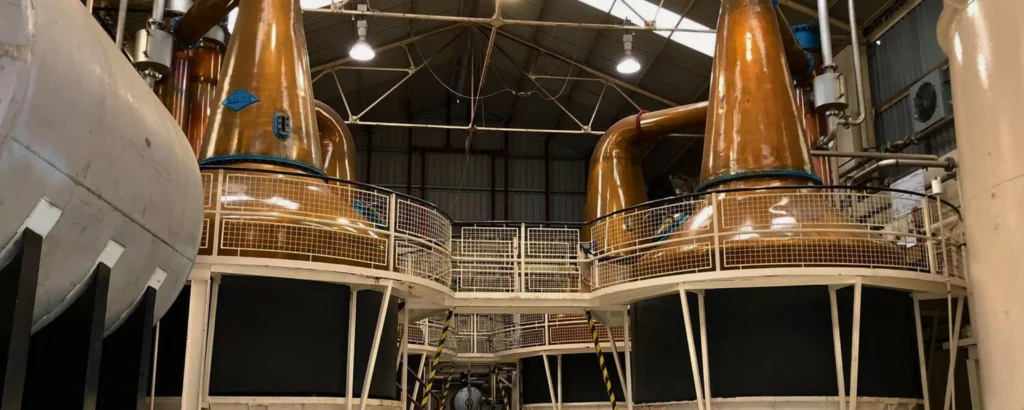
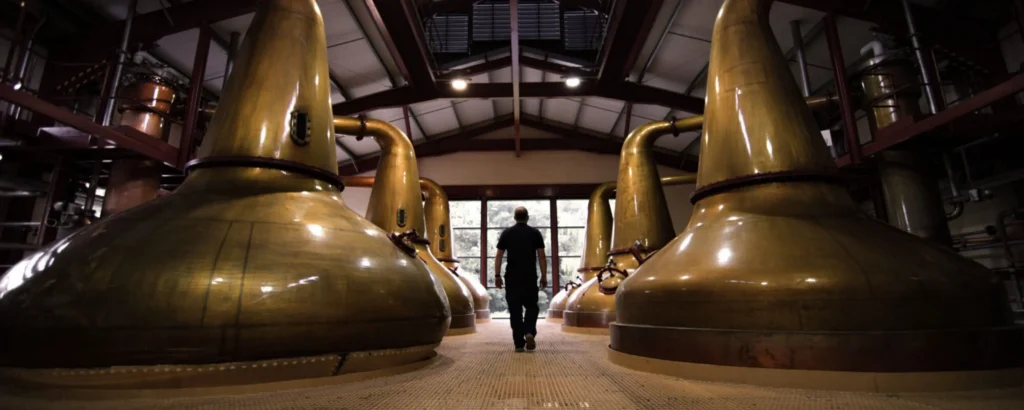
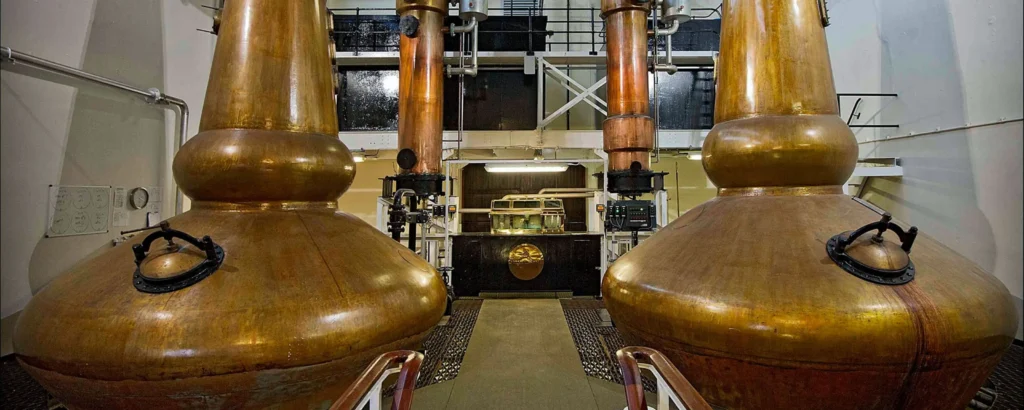
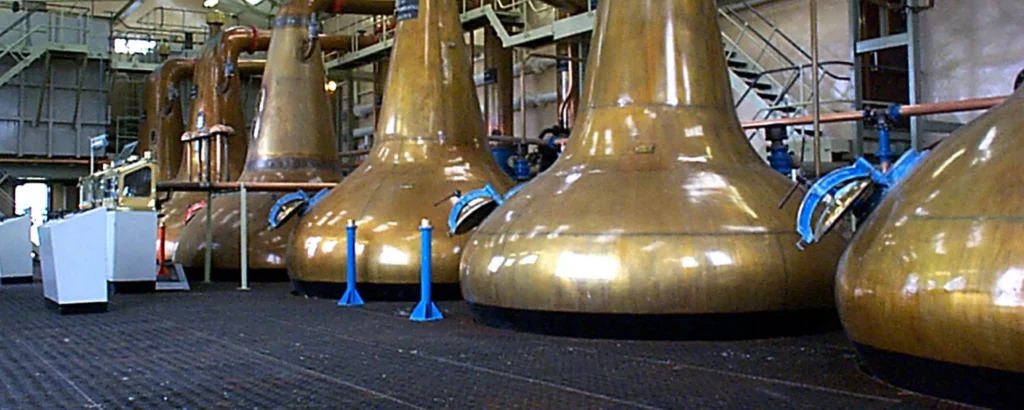
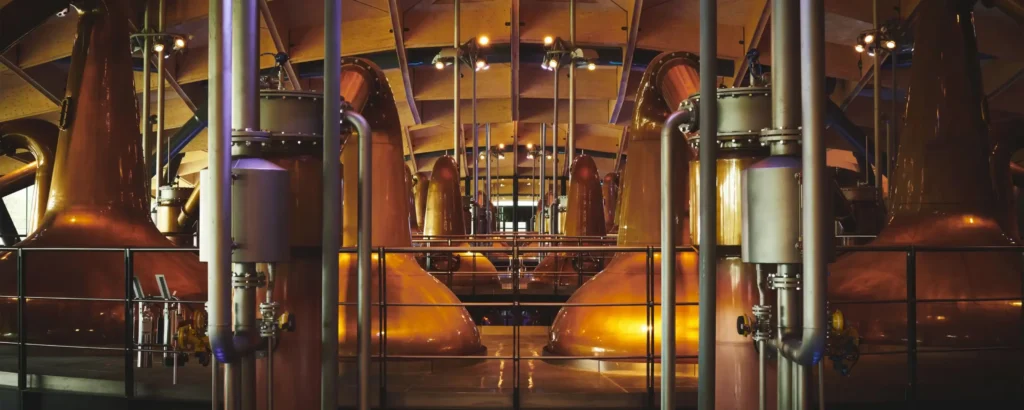
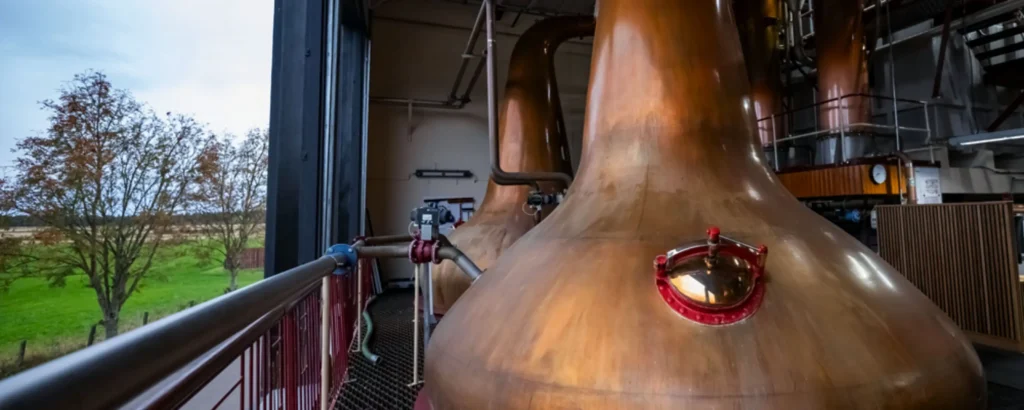
The distillery has six stills and an annual production capacity running into several million litres. A high cut point during distillation helps create its lighter spirit character.
Cask finishing has become a particularly visible part of Tamnavulin's modern single malt identity. The Double Cask combines American oak ex-bourbon maturation with a sherry cask finish, while other releases have explored red and white wine casks.
For cask owners, this illustrates how significantly wood can shape Tamnavulin over time. An ex-bourbon hogshead will develop differently from a sherry-influenced cask, making cask history an important part of any assessment.
What to Examine Before Investing in Tamnavulin Whisky
Anyone planning to invest in Tamnavulin whisky should look beyond cask types alone. Distillation year, age, fill history, current volume and ABV all help establish what is actually being purchased.
The period during which the whisky was distilled can also provide useful context. Tamnavulin's 12-year closure means its stock profile differs from a distillery that has operated continuously for several decades.
Storage and provenance should also be verified, while the intended holding period needs to account for the Angel's Share. As whisky matures, evaporation gradually reduces the liquid remaining in the cask and can alter its alcoholic strength.
These variables ultimately matter more than headline brand growth when evaluating a Tamnavulin whisky investment.
Is Tamnavulin Whisky a Good Investment?
Tamnavulin's story is one of transition. It has moved from a blending distillery to a recognised Speyside single malt while retaining its importance within the Whyte & Mackay portfolio.
That trajectory can make it an interesting distillery to follow. It combines sizeable production and established industry use with a consumer brand that has developed substantially since its relaunch.
But brand growth does not guarantee cask appreciation. Purchase price, maturation, cask quality, market conditions and future demand will determine how an individual asset performs.
If you are considering to invest in Tamnavulin whisky, speak to The 1901 Group team about available casks, their individual characteristics and how they could fit within a wider whisky portfolio.