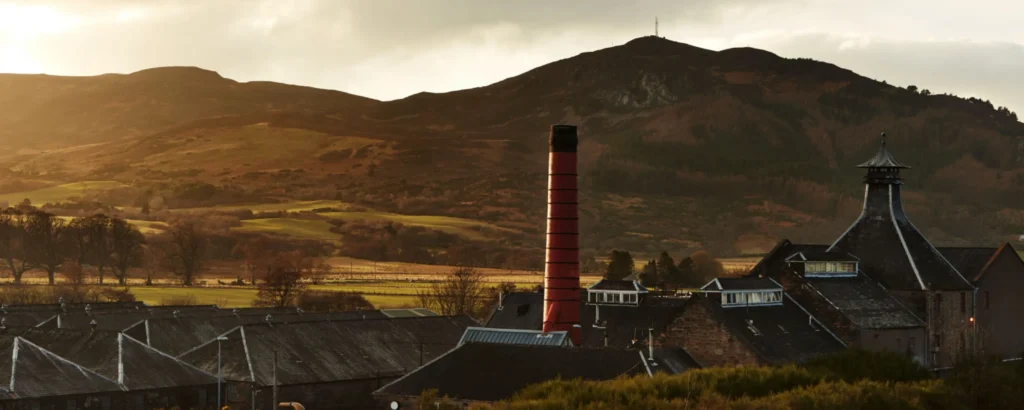
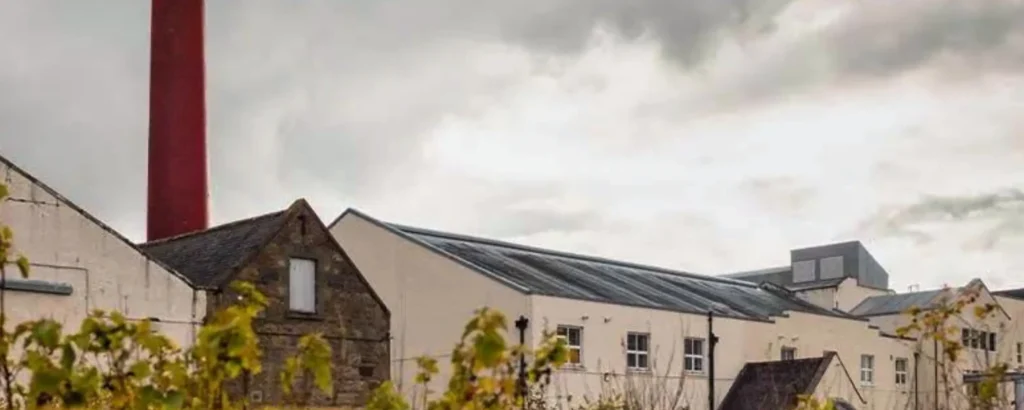
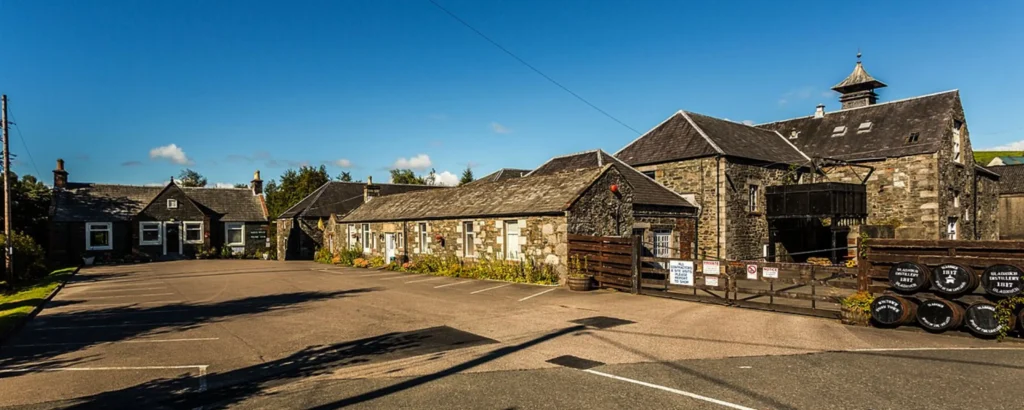
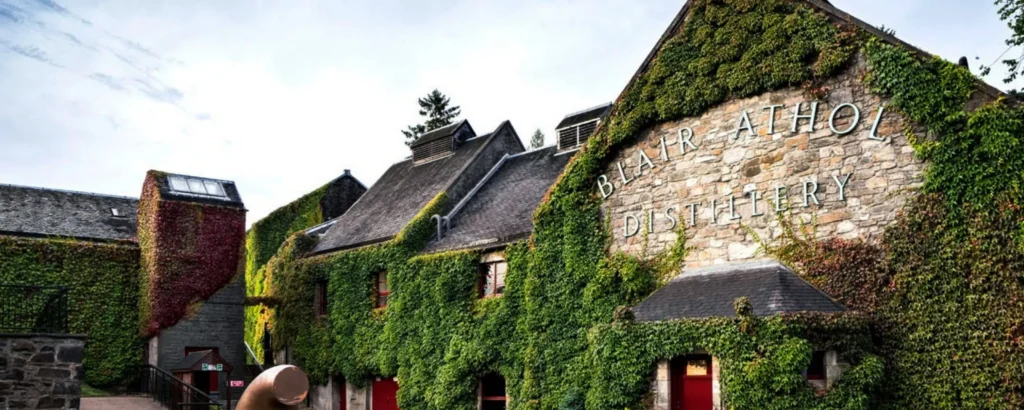
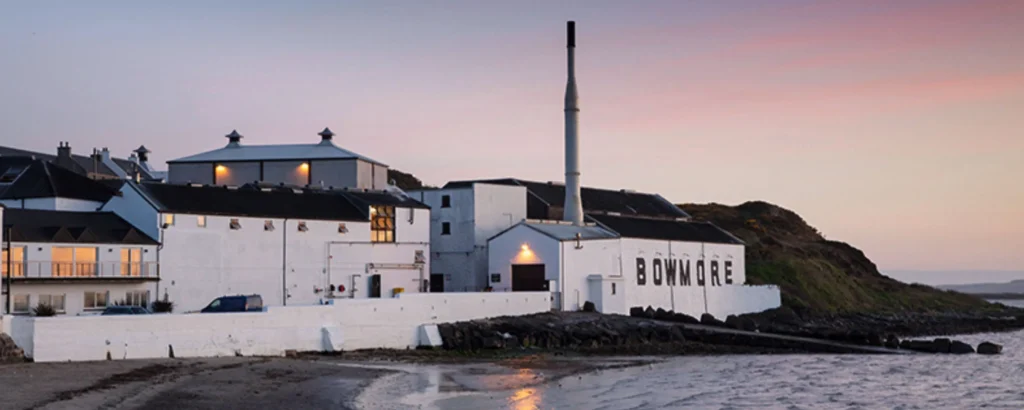
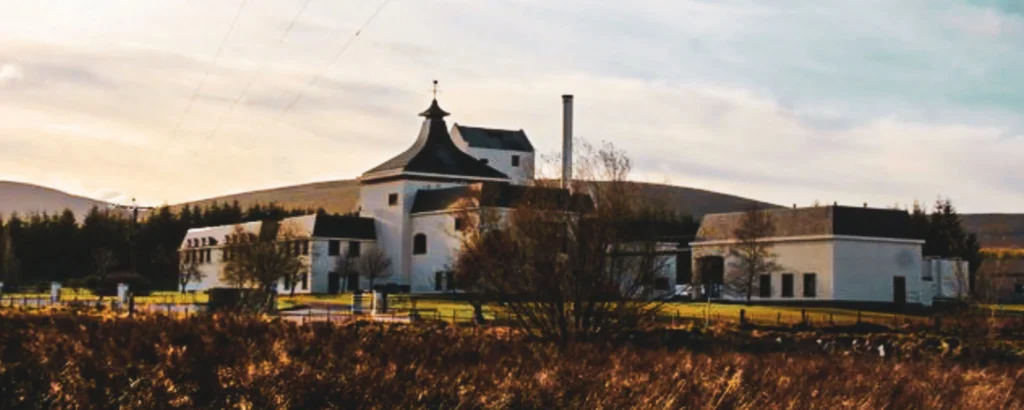
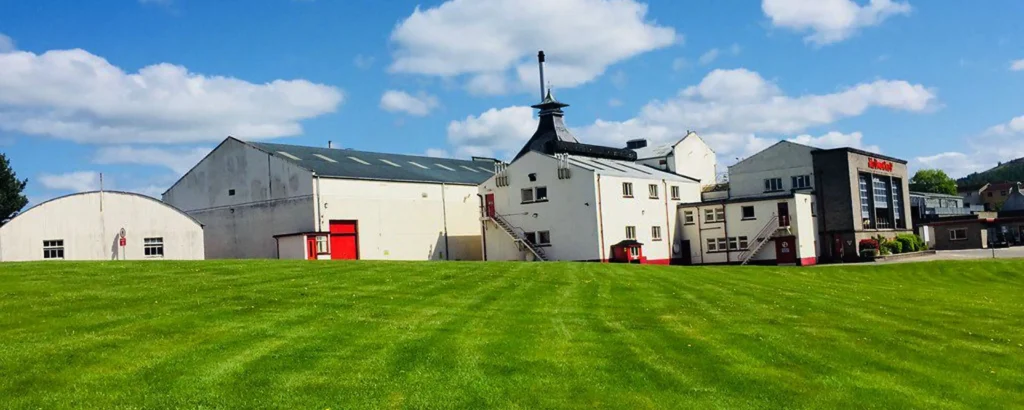
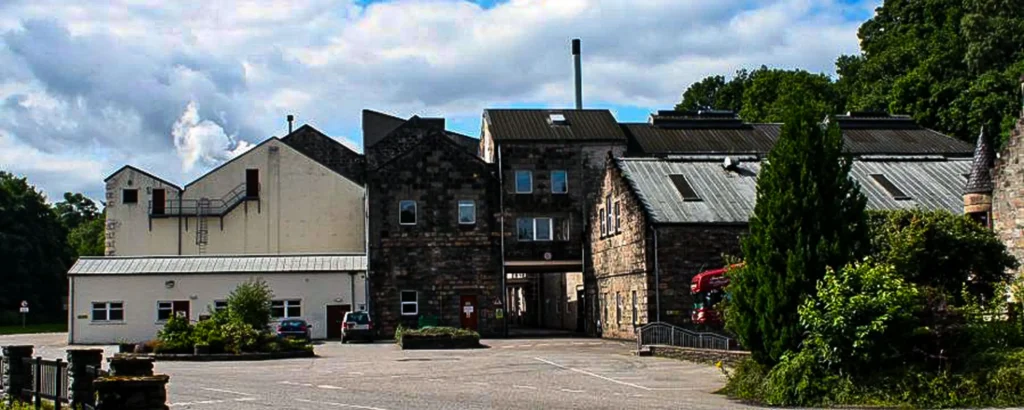
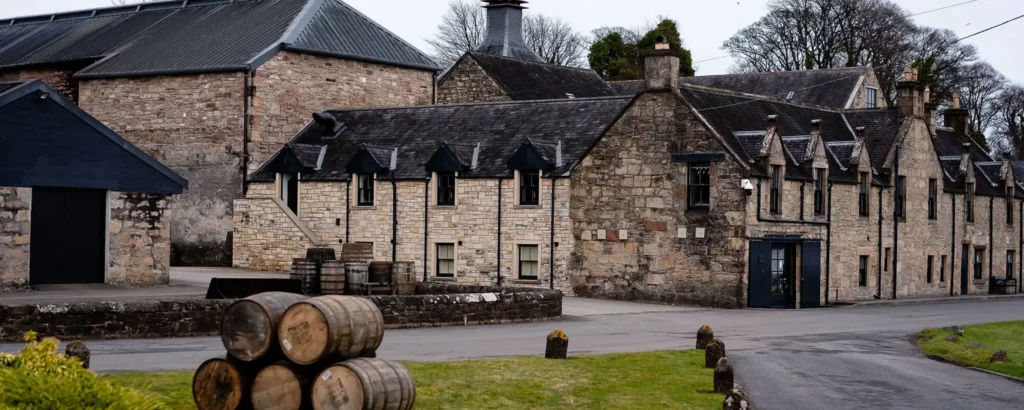
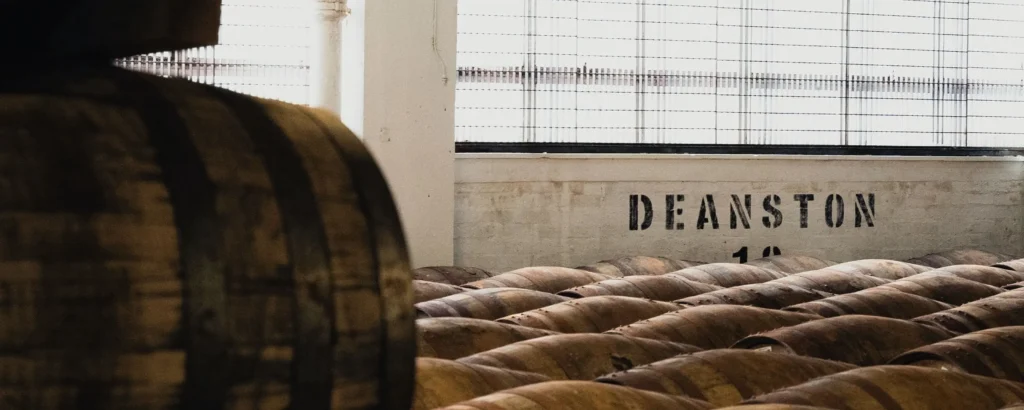
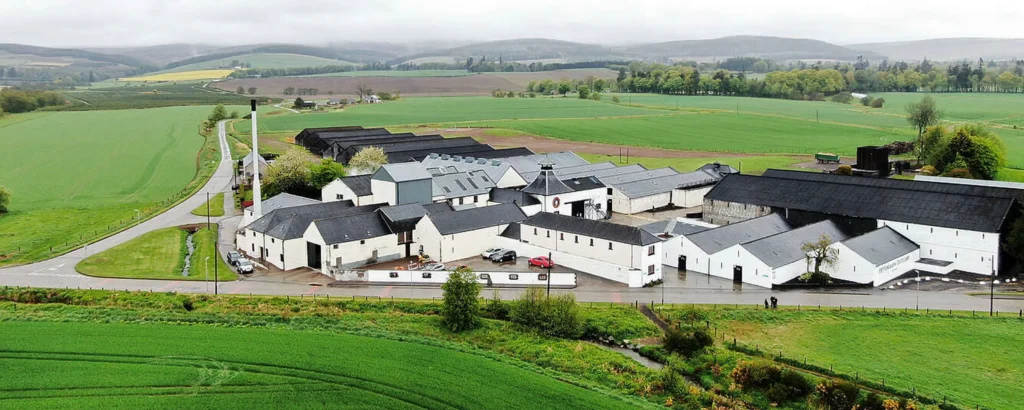
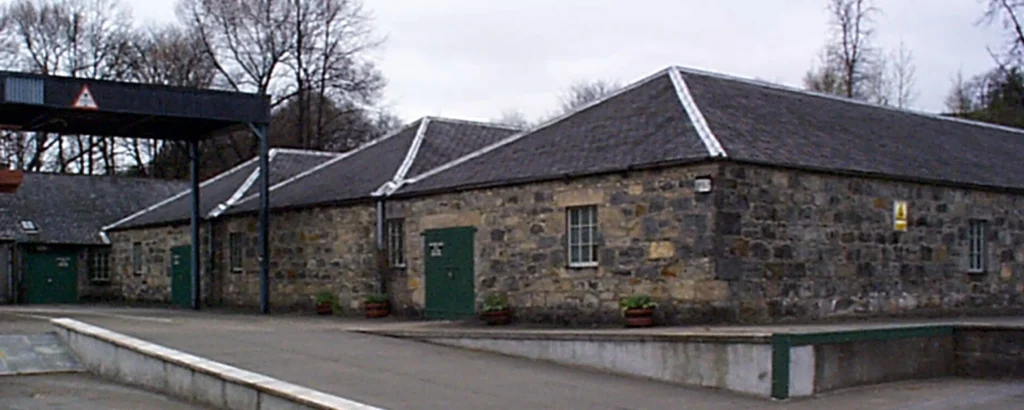
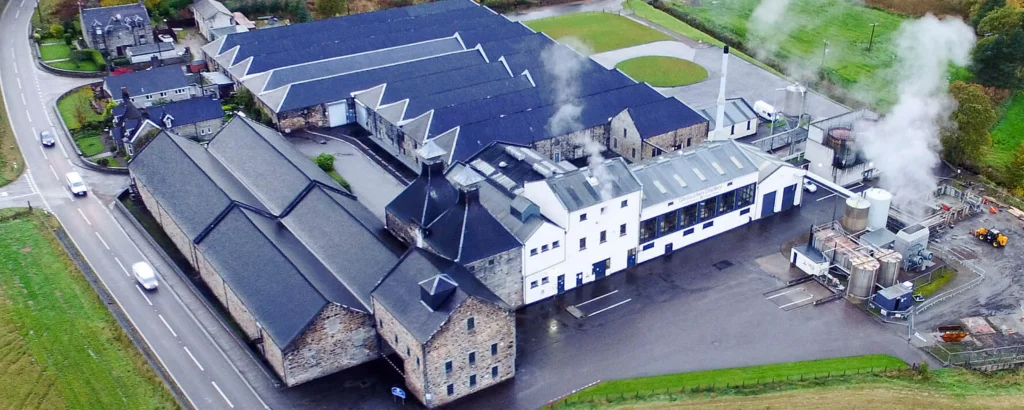
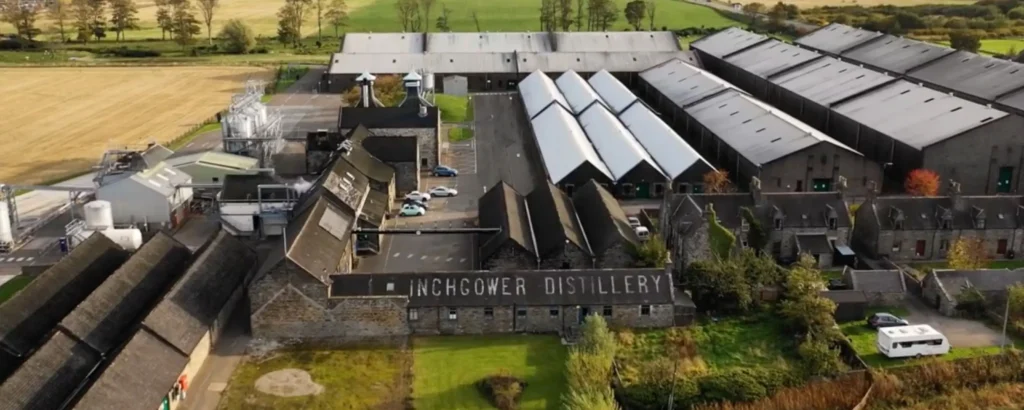
Teaninich may not be a household name, but it plays an important role in the Scotch whisky industry. Located near Alness in the northern Highlands, the distillery produces millions of litres of spirit each year, much of which is destined for some of Scotland's best-known blended whiskies.
Its reputation among blenders, unusual production methods and limited official single malt releases make it an interesting distillery to explore. For investors considering to invest in Teaninich whisky casks, there is considerably more to explore than this Highland producer's relatively low public profile suggests.
Why Consider Teaninich Whisky Investment?
Unlike distilleries that have built their reputation through luxury single malt releases, Teaninich has spent much of its history supplying whisky to the blending industry.
Owned by Diageo, the distillery contributes to blends including Johnnie Walker, where its distinctive spirit helps provide structure and depth. Its whisky has also attracted the attention of independent blenders and bottlers.
This established role gives Teaninich whisky a commercial identity beyond its own single malt range. However, blending demand does not necessarily translate into demand for privately owned casks, and investors should distinguish between the two.
A Teaninich whisky investment is therefore worth examining through the lens of cask quality, potential buyers and purchase price, rather than consumer brand recognition alone.
Over 200 Years of Highland Whisky Production
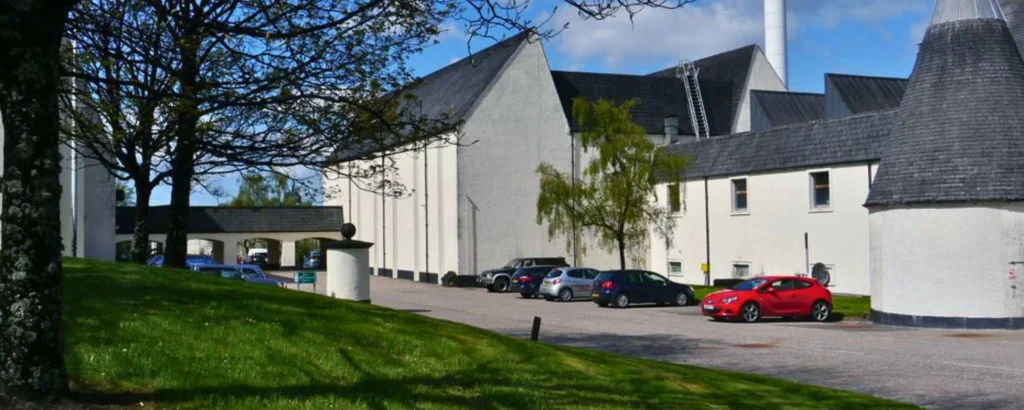
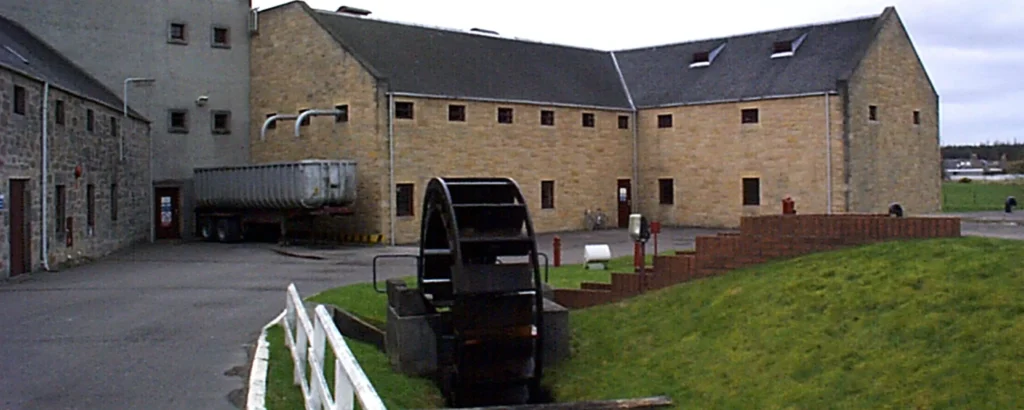
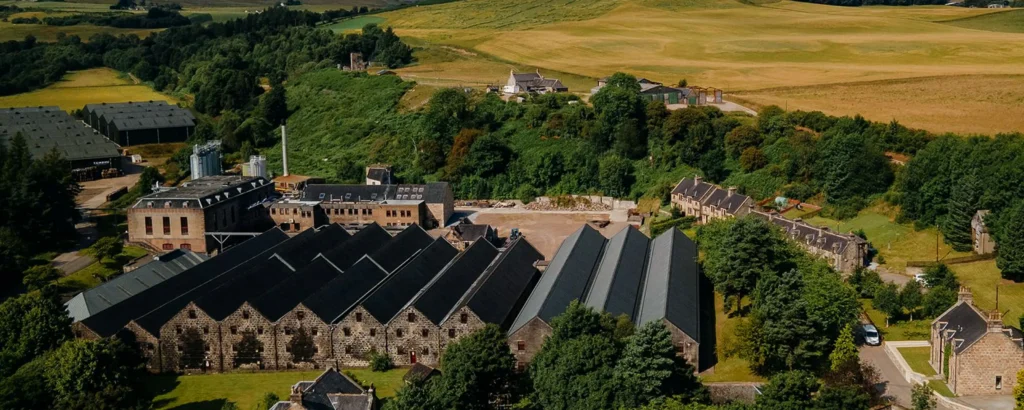
Teaninich was founded in 1817 by Captain Hugo Munro on his family's estate near Alness, overlooking the Cromarty Firth. The distillery remained connected to the Munro family for much of the 19th century before passing through several owners.
A defining moment came in 1933 when Teaninich was acquired by Distillers Company Limited (DCL), a predecessor of today's Diageo. From then onwards, its production became increasingly important to Scotland's blended Scotch whisky industry.
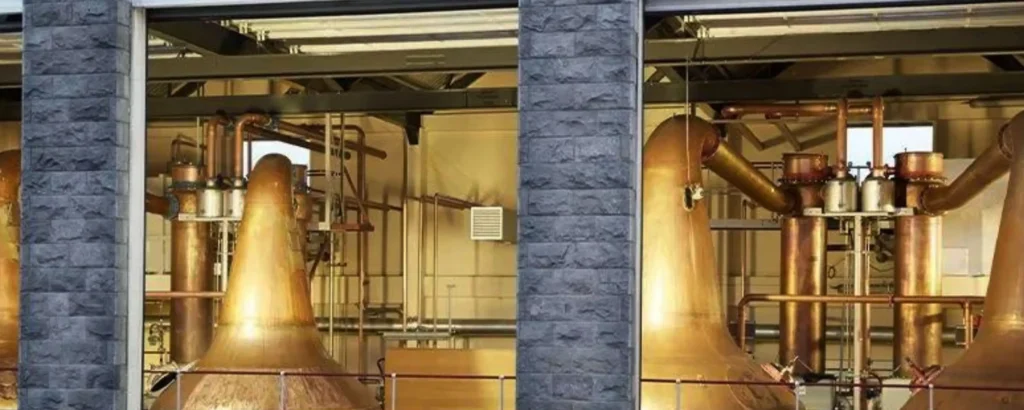
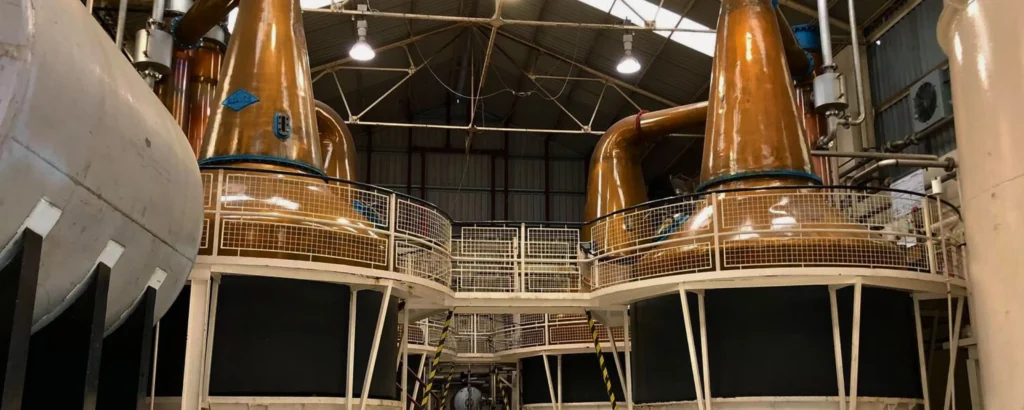
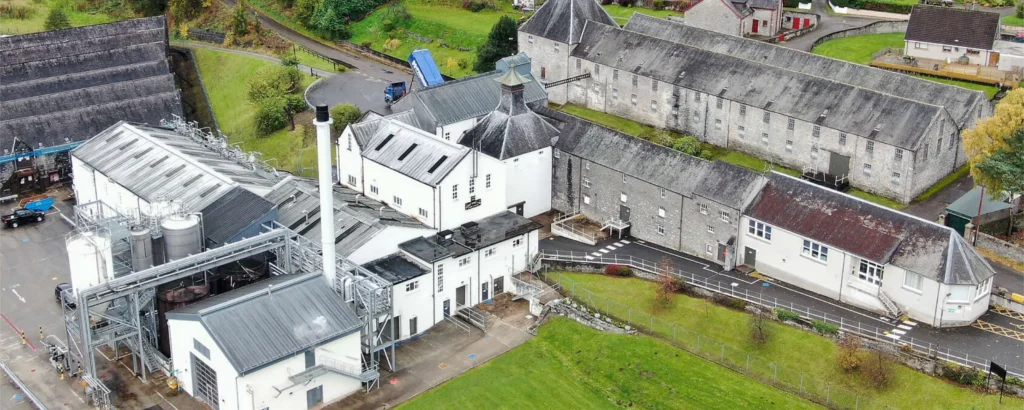
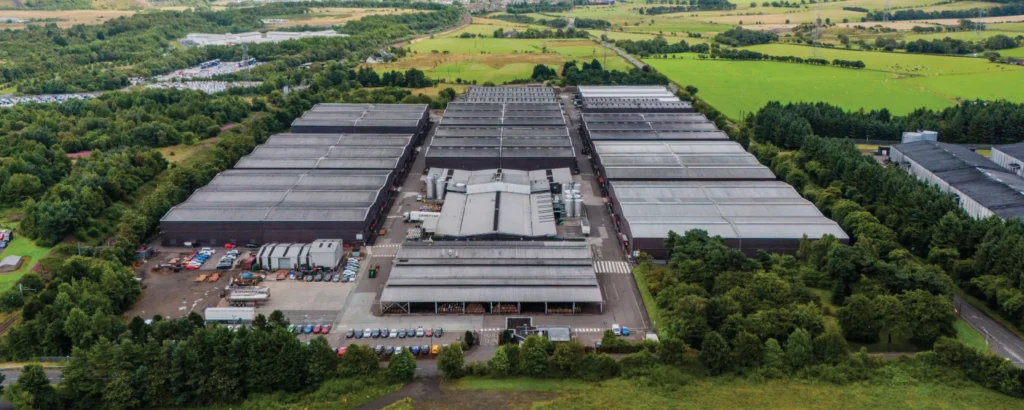
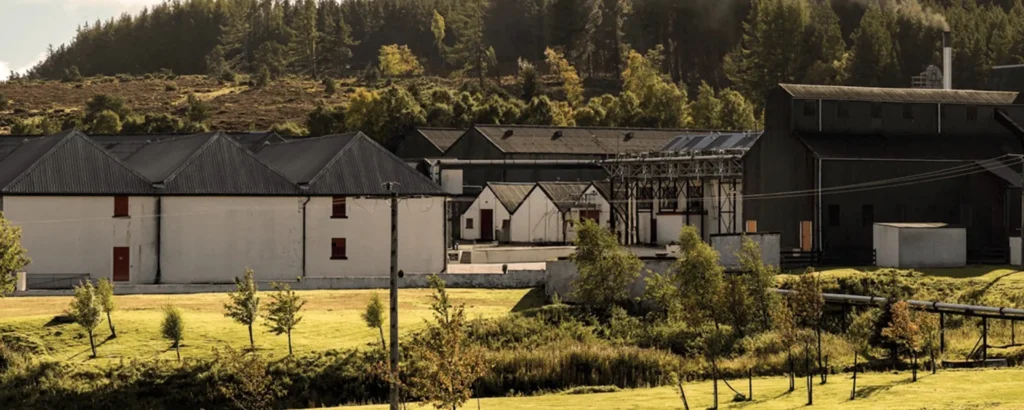
Expansion during the 1970s substantially increased capacity, with two separate production facilities operating on the site. Further modernisation eventually replaced the older equipment, creating the large-scale distillery operating today.
Despite its long history and considerable output, Teaninich has never developed the extensive official single malt range seen at many other Highland distilleries.
What Makes Teaninich Whisky Different?
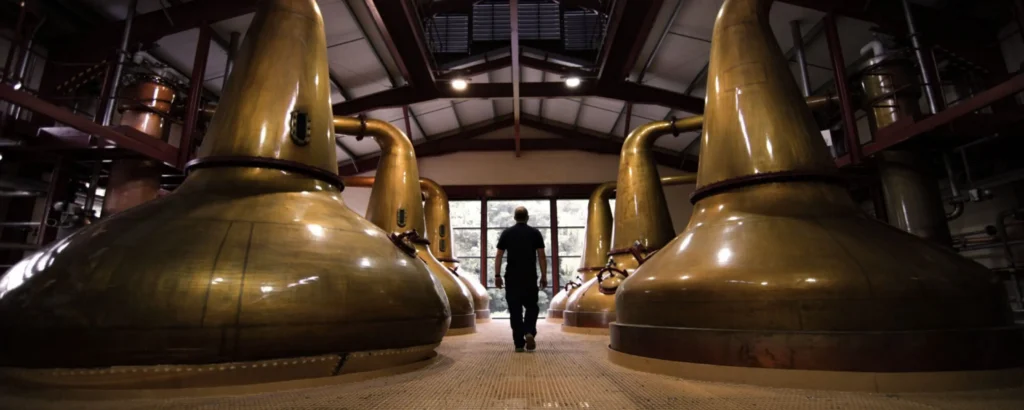
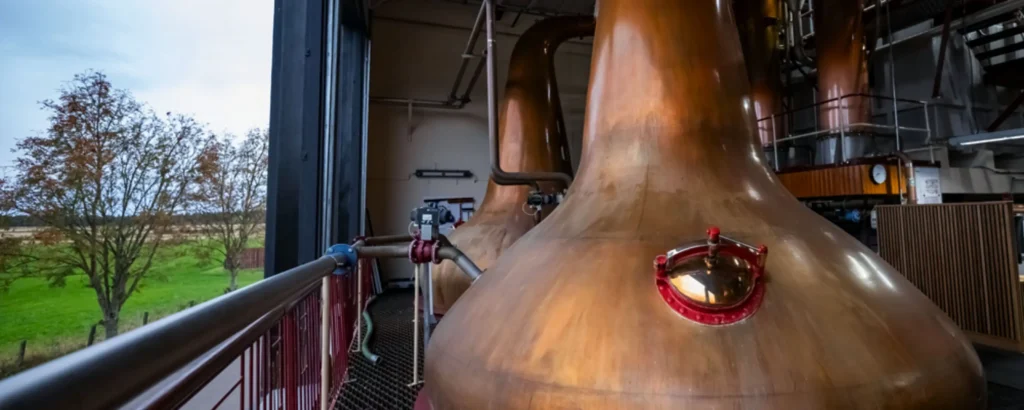
Teaninich has an unusual approach to whisky production. Rather than using the traditional roller mill and mash tun found at most Scotch distilleries, it employs a hammer mill and mash filter.
The hammer mill grinds malted barley into a fine flour, while the mash filter separates the sugary liquid from the grain solids. This equipment is more commonly associated with brewing and allows Teaninich to process large quantities of malt efficiently.
The resulting spirit is known for its weight and texture, often displaying cereal, grassy and fruity characteristics. These qualities make it particularly useful in blending, where different single malts are combined to achieve a consistent flavour profile.
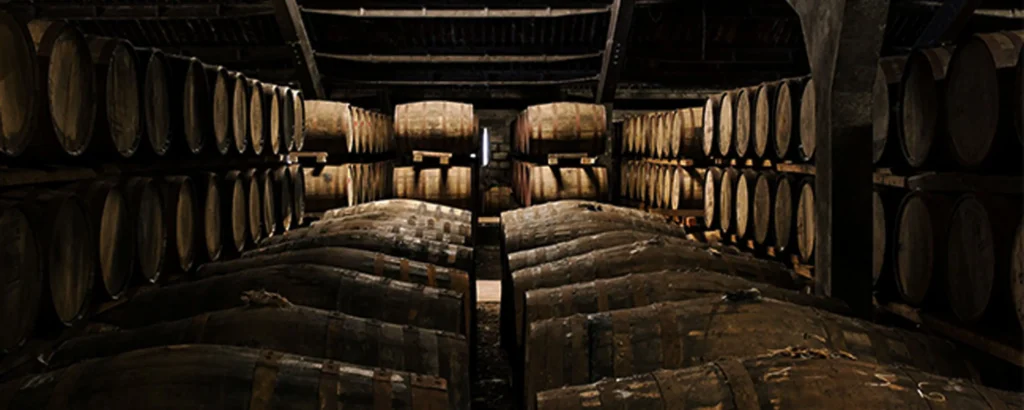
Those characteristics can also develop interestingly during maturation. Anyone planning to invest in Teaninich whisky casks should consider how the distillery's spirit interacts with different types of oak over time.
Why Are Teaninich Single Malt Bottlings Uncommon?
Despite producing whisky on a substantial scale, Teaninich has relatively few official single malt releases.
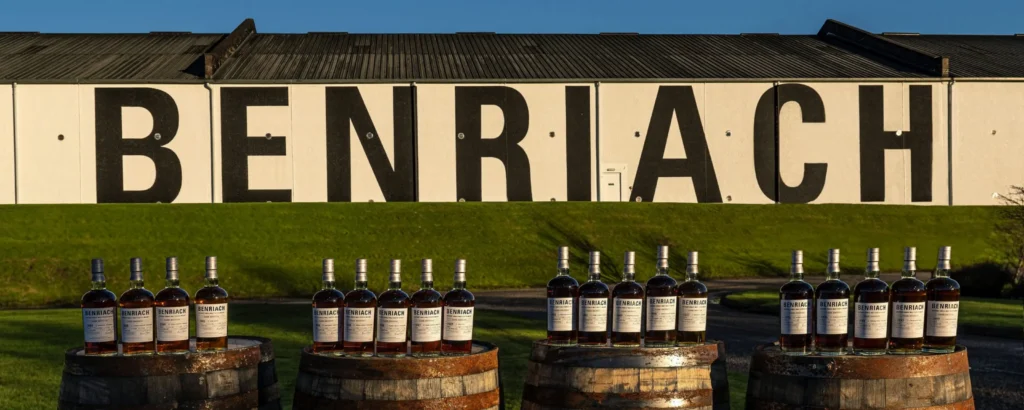
Its best-known expression is the 10-year-old from Diageo's Flora & Fauna collection, a range created to showcase lesser-known distilleries within the company's portfolio. A 17-year-old expression also appeared in Diageo's 2017 Special Releases.
Independent bottlers provide another opportunity to discover Teaninich. Their releases frequently showcase individual casks, allowing whisky enthusiasts to explore different vintages, maturation styles and flavour profiles.
This creates an interesting distinction: Teaninich is not necessarily a scarce whisky, but independently bottled expressions can offer access to styles and ages rarely represented in its official range.
For a Teaninich whisky investment, understanding this distinction is important when assessing potential future demand.
What Should Investors Look for in a Teaninich Whisky Cask?
The individual cask should always take priority over the distillery name.
Age, vintage, cask type, fill history, alcohol strength and remaining volume all influence the characteristics and potential value of maturing whisky. Provenance, warehouse documentation and the intended holding period also deserve careful consideration.
Teaninich's established relationship with the blending industry may suggest possible commercial applications for mature stock, while independent bottlers represent another potential route to market. Neither should be treated as a guaranteed buyer.
Investors should also account for the Angel's Share, which gradually reduces the volume of whisky during maturation. Regular monitoring and regauging help establish how the cask is developing.
Is Teaninich Whisky Worth Investing In?
Teaninich offers a different perspective on Highland whisky ownership. Its appeal lies in more than two centuries of production, its distinctive distillation process and its established place within the Scotch whisky trade.
For those looking to invest in Teaninich whisky casks, the opportunity is less about luxury branding and more about understanding the underlying spirit, its maturation potential and the market for individual casks.
As with any whisky investment, returns are not guaranteed. Purchase price, ongoing costs, cask condition and future demand all influence the eventual outcome.
Speak to The 1901 Group team to discuss available Teaninich casks and explore whether they could complement your whisky portfolio.