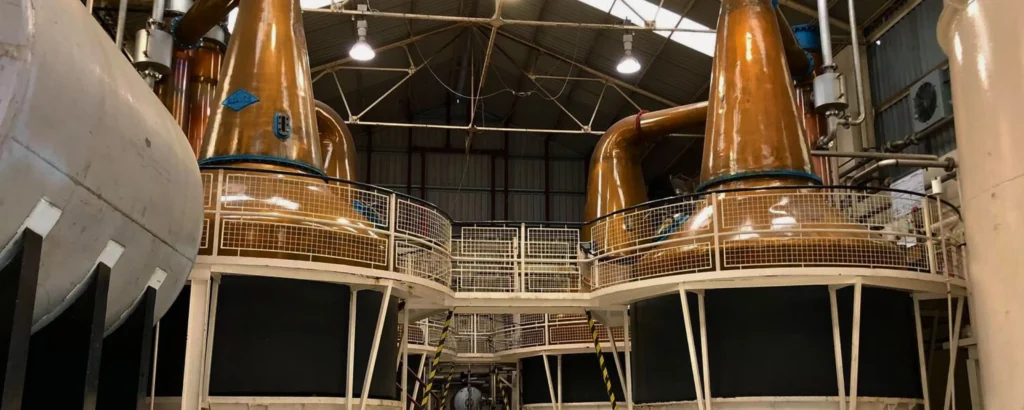
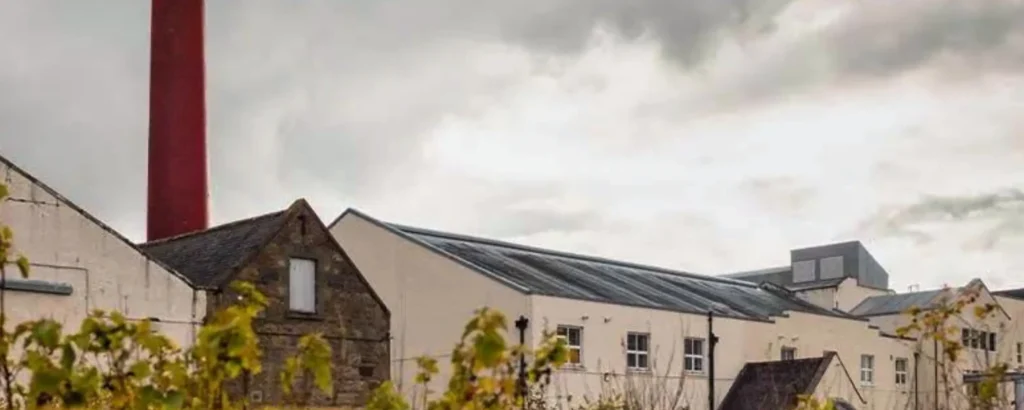
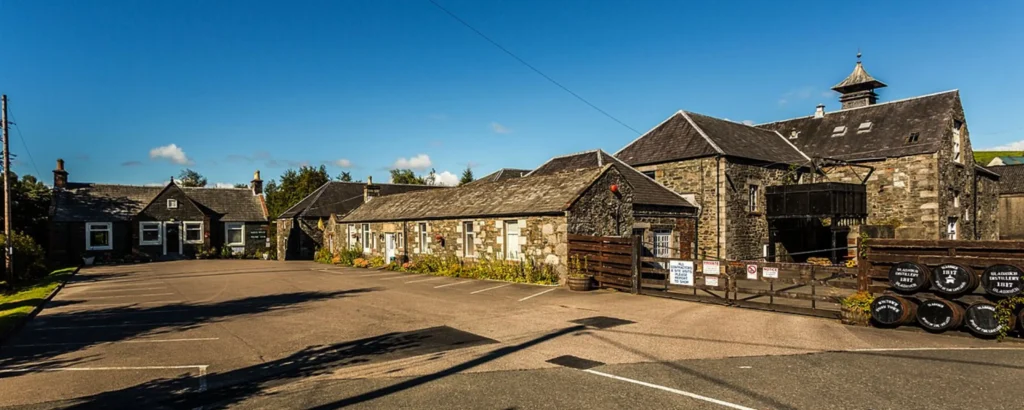
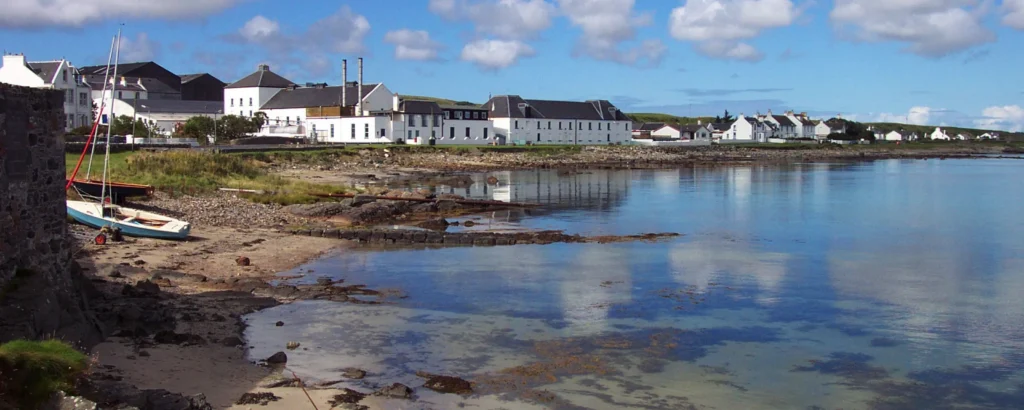
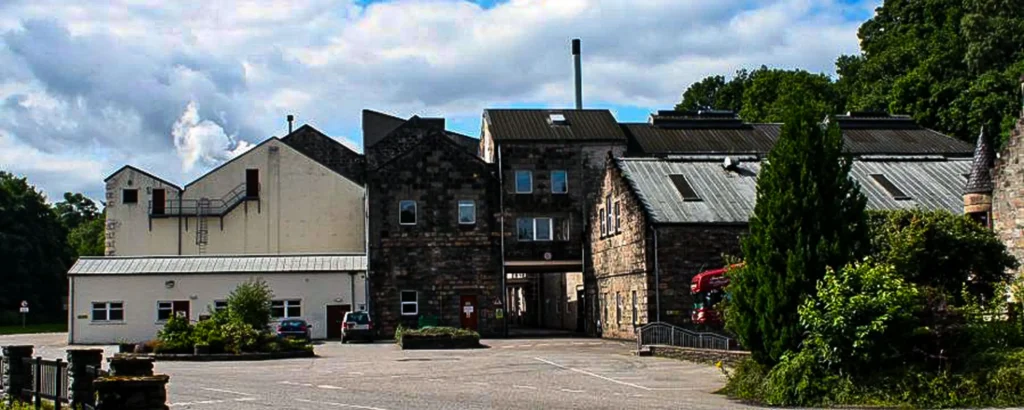
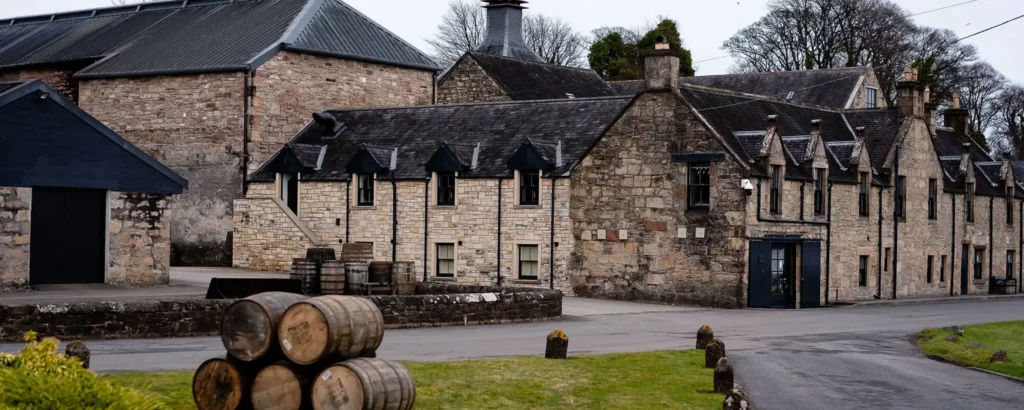
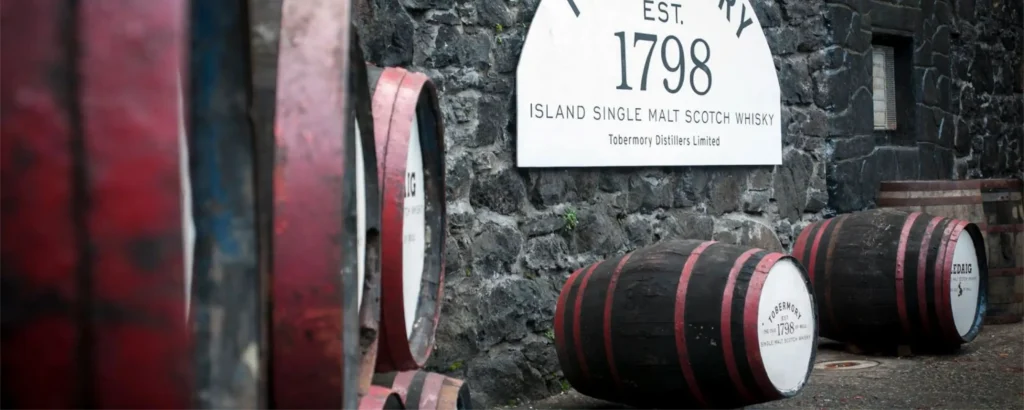
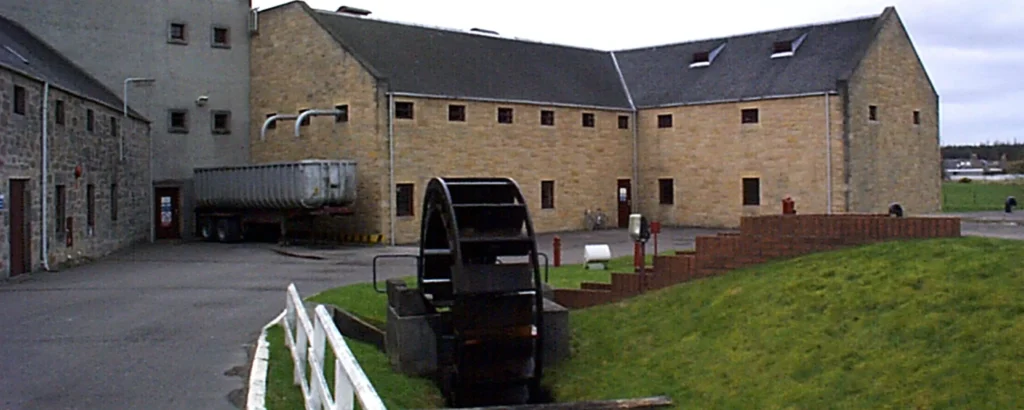
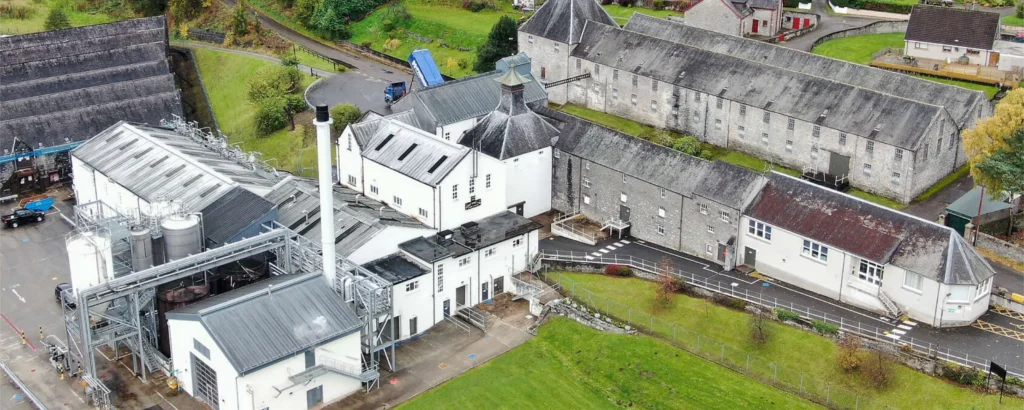
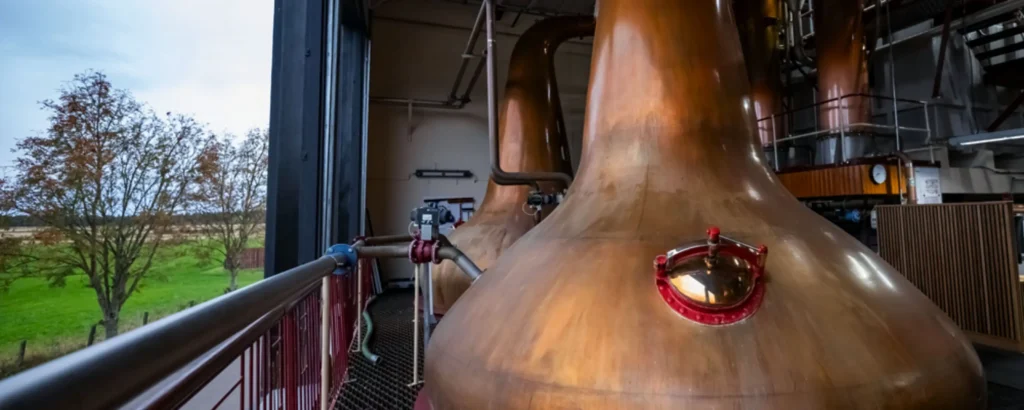
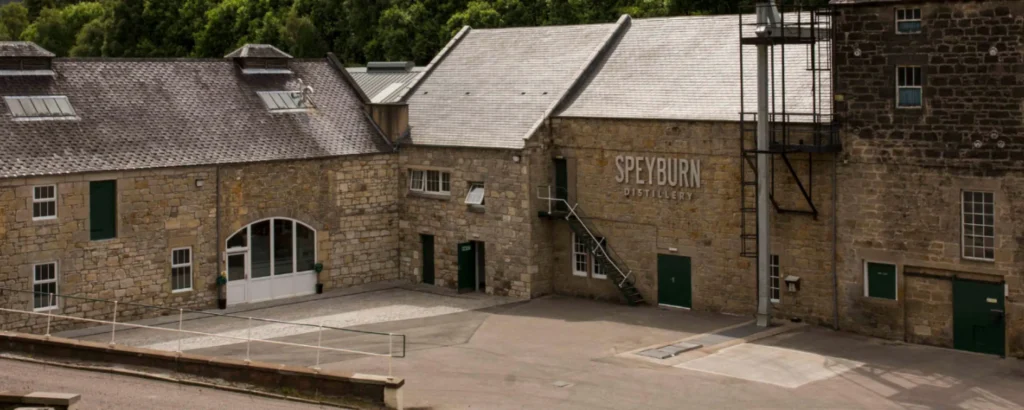
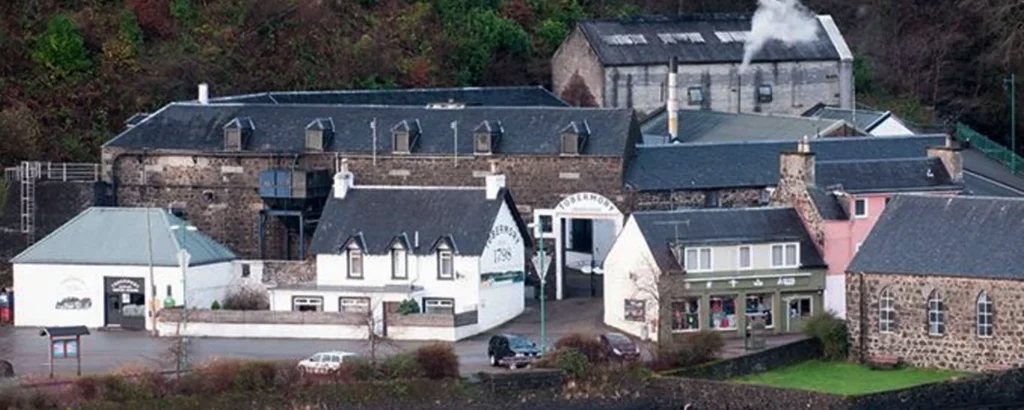
One distillery, two very different whiskies. Located on the picturesque Isle of Mull, Tobermory has been producing Scotch whisky since 1798, making it one of Scotland's oldest surviving distilleries.
Best known for its unpeated, fruity single malt and its heavily peated counterpart, Ledaig, the distillery offers two distinct expressions of island whisky making.
For those exploring Tobermory whisky investment, its long history, distinctive spirit and approach to maturation provide plenty of reasons to take a closer look.
A Brief History of Tobermory Distillery
Tobermory was established in 1798 by John Sinclair in the colourful harbour town of the same name on the Isle of Mull. Originally known as Ledaig, the distillery has experienced a turbulent history, with extended closures caused by changing economic conditions and the challenges of operating on a Scottish island.
Production ceased for several decades between 1930 and 1972, followed by another closure during the 1980s. The distillery underwent further renovation between 2017 and 2019, when production was temporarily suspended to allow improvements to its facilities.
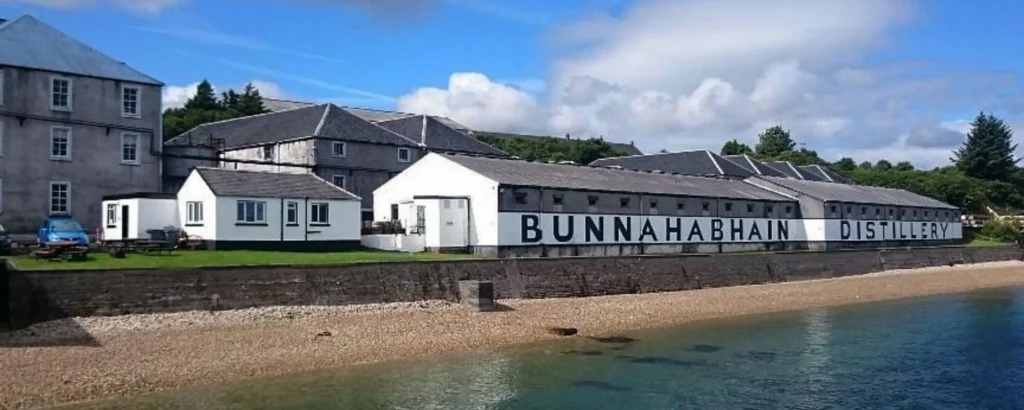
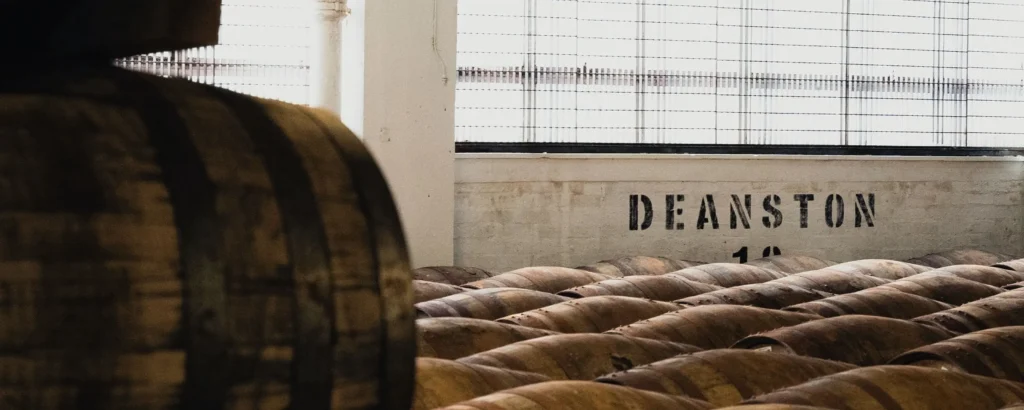
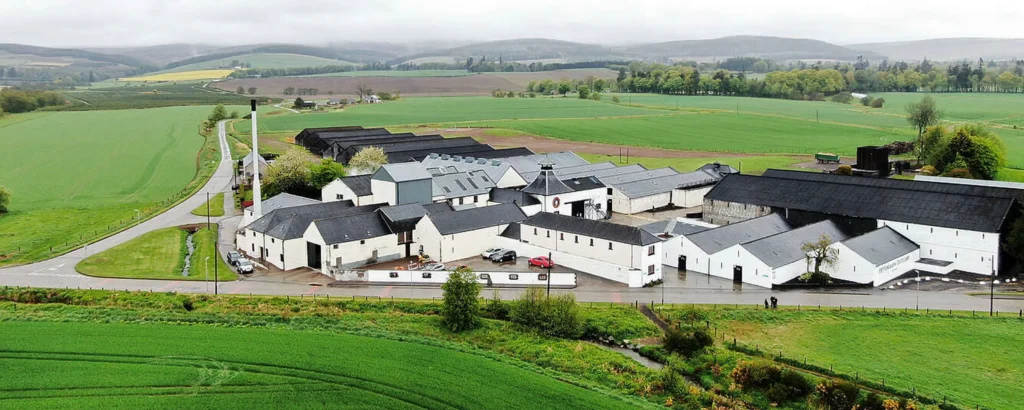
Today, Tobermory belongs to CVH Spirits, alongside other established Scotch whisky names including Deanston and Bunnahabhain. Despite its interruptions, the distillery has retained a traditional approach to whisky production, with an emphasis on characterful spirit and careful maturation.
Two Distinct Whiskies from One Distillery
What makes Tobermory unusual is its production of both unpeated and heavily peated single malt whisky.
The unpeated spirit is released under the Tobermory name, while its smoky counterpart is known as Ledaig, recalling the distillery's original identity. Tobermory whisky typically displays orchard fruit, citrus, gentle toffee sweetness and a slightly oily texture, sometimes accompanied by a subtle coastal character. Ledaig, by contrast, is known for its pronounced peat smoke, earthy notes and maritime qualities. Although both spirits originate from the same distillery, their different production styles mean they can appeal to different audiences.
This distinction matters when considering Tobermory whisky investment, particularly when comparing casks of different ages and distillation periods. A cask containing Ledaig should not be assessed the same way a unpeated Tobermory would be assessed, even when both share the same distillery provenance.
How Does Tobermory Whisky Develop in the Cask?
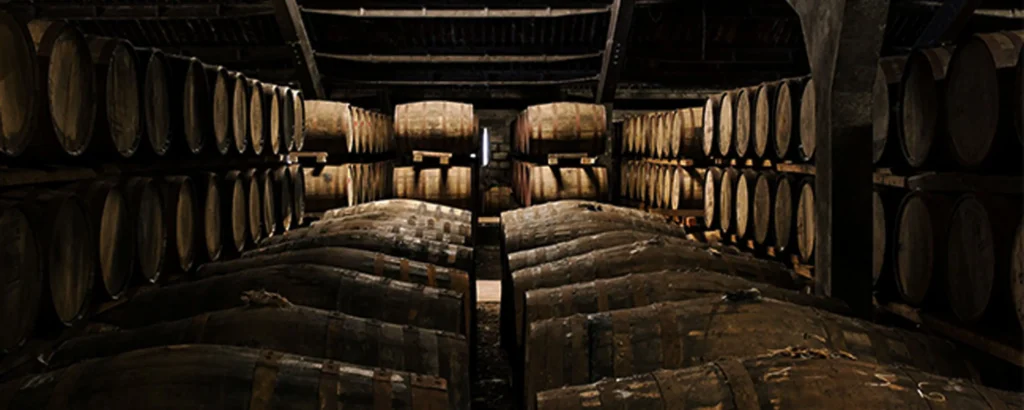
Tobermory's fruity, slightly oily spirit provides a versatile foundation for maturation. The distillery has explored alternative wood influences, including wine casks, demonstrating how different maturation choices can shape the spirit.
However, the results vary considerably between individual casks.
A first-fill sherry cask may produce a richer, more wood-driven whisky, while a refill bourbon hogshead can allow more of Tobermory's underlying fruitiness to remain prominent.
Those looking to invest in Tobermory whisky casks should therefore consider the cask's previous use, fill history and current condition, rather than relying on the distillery name alone.
Does Tobermory's Island Heritage Influence Its Appeal?
Mull's remote location and Tobermory's long distilling history give the whisky a strong sense of identity. Unlike the larger whisky-producing regions, island distilleries are relatively few in number, and each has developed its own character and following.
Tobermory's history of closures also means there are gaps in its production, with no whisky distilled during certain periods. Older casks from earlier production eras may therefore attract interest from specialist buyers seeking particular vintages. Though limited historical production does not automatically make an individual cask valuable.
For Tobermory whisky investment, provenance, maturation quality and the preferences of potential buyers remain more important than a distillation year alone.
Tobermory Cask Ownership and Availability
Much of Tobermory's production is retained for the distillery's own maturation and bottling programmes. Therefore, casks entering private ownership may originate from historical stock transactions or the secondary market.
Anyone planning to invest in Tobermory whisky casks should confirm whether the spirit is Tobermory or Ledaig, establish clear ownership and review the relevant warehouse documentation.
Restrictions on the use of distillery names for independent bottling should also be understood before purchase.
Potential buyers at the point of resale may include independent bottlers, brokers and private collectors, although demand will depend on the specific cask.
What Should Tobermory Whisky Investors Consider?
Age, cask type, alcoholic strength and remaining volume all influence the prospects of a maturing Tobermory cask.
Drawing a sample from a cask can provide useful insight into the whisky's development, particularly when deciding whether additional ageing would improve its character.
For anyone investing in whisky casks, it is important to recognise that maturation involves both opportunities and risks.
Evaporation gradually reduces the volume of whisky, while excessive wood influence or declining alcoholic strength may affect its eventual desirability.
A whisky cask investment also depends on finding a suitable buyer, and neither resale timing nor future returns can be guaranteed.
Is Tobermory Whisky a Good Investment?
Tobermory combines more than two centuries of history with a distinctive position among Scotland's island distilleries. Its unpeated spirit, contrasting peated production and varied maturation styles offer an interesting range of characteristics for prospective cask owners to explore.
Nevertheless, Tobermory whisky investment should be assessed on the merits of the individual cask, with careful consideration of ownership, maturation and future market demand.
Speak to The 1901 Group team to discuss available Tobermory whisky casks and the practical considerations involved in long-term whisky ownership.