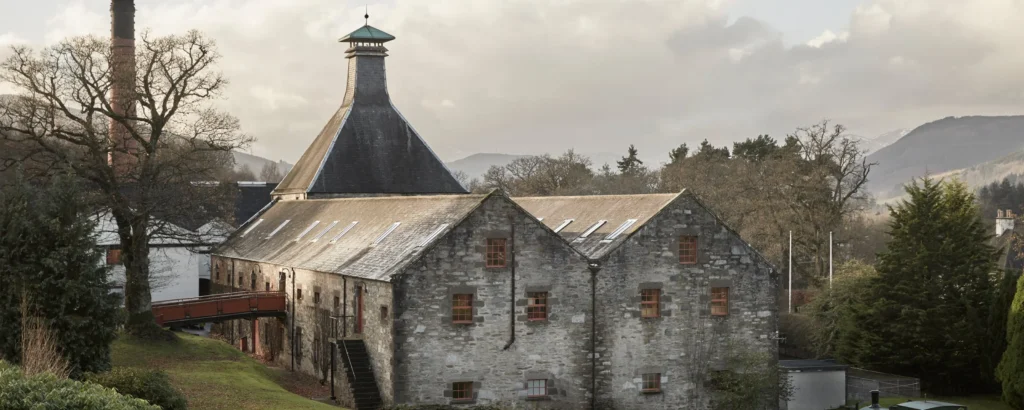
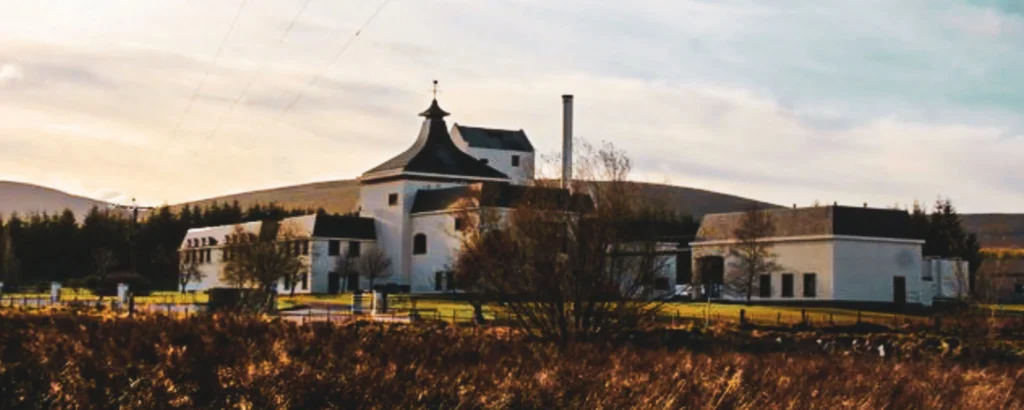
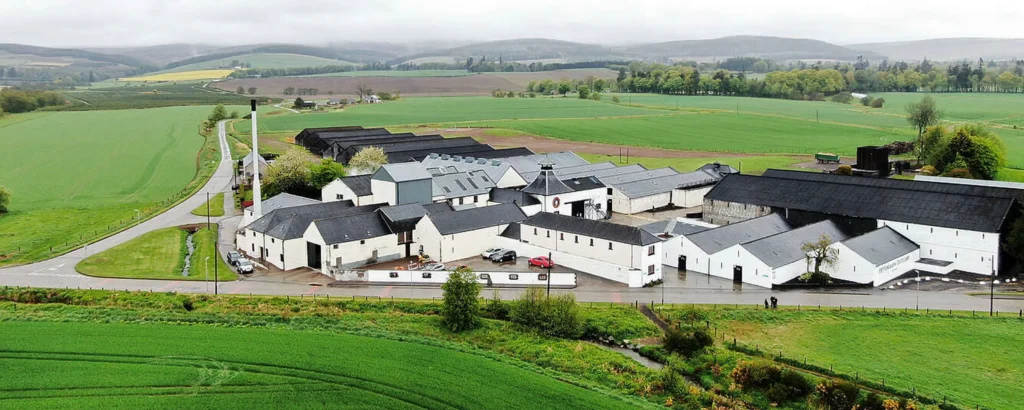
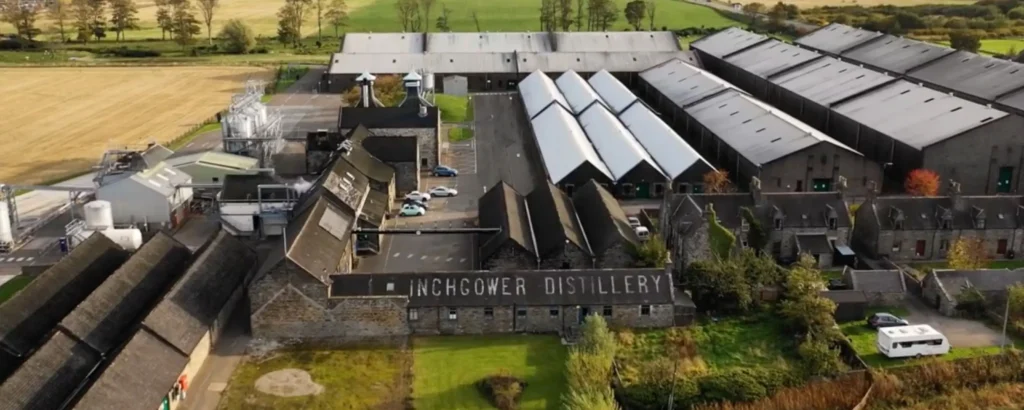
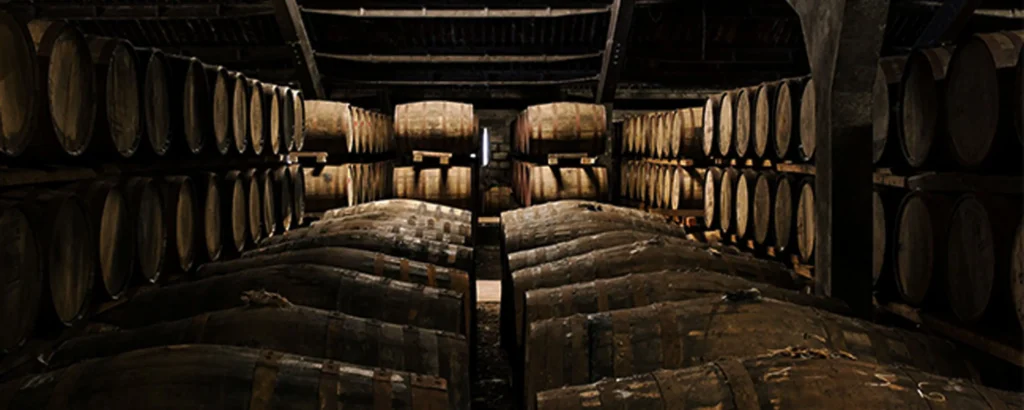
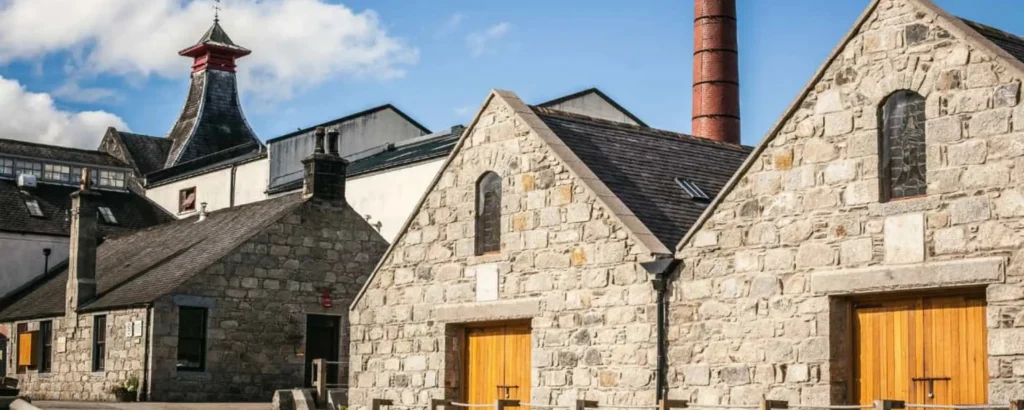
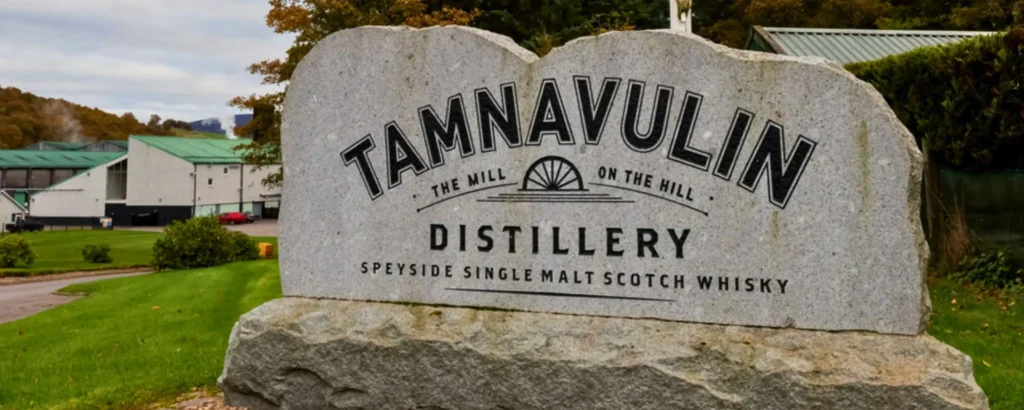
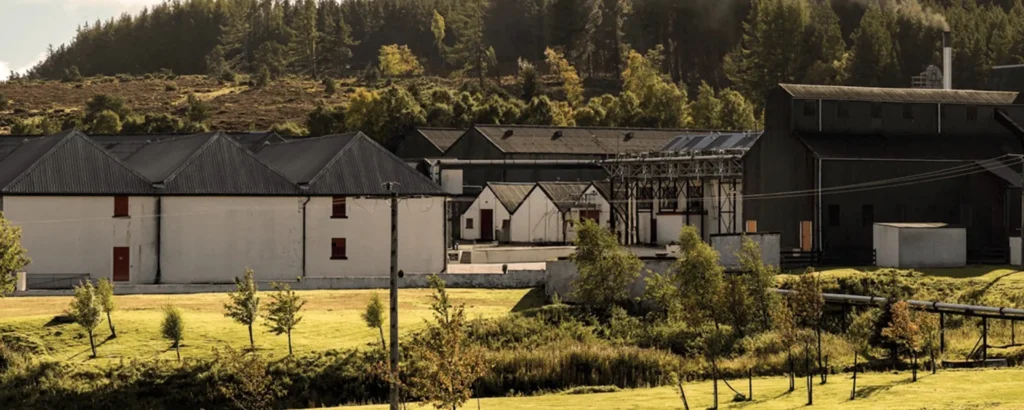
Known as ‘The Gentle Dram’, Tomintoul produces a soft, approachable style of Speyside whisky from its remote location in the Cairngorms. Yet behind that gentle character sits a surprisingly diverse distillery, with extensive age-statement releases, experimental cask finishes and a separate heavily peated style produced under the Old Ballantruan name.
This combination gives investors plenty to examine. Anyone looking to invest in Tomintoul whisky is considering a distillery that has moved well beyond its original role as a supplier to the blending industry, while retaining the production scale and versatility that role required.
From 1960s Newcomer to Established Speyside Distillery
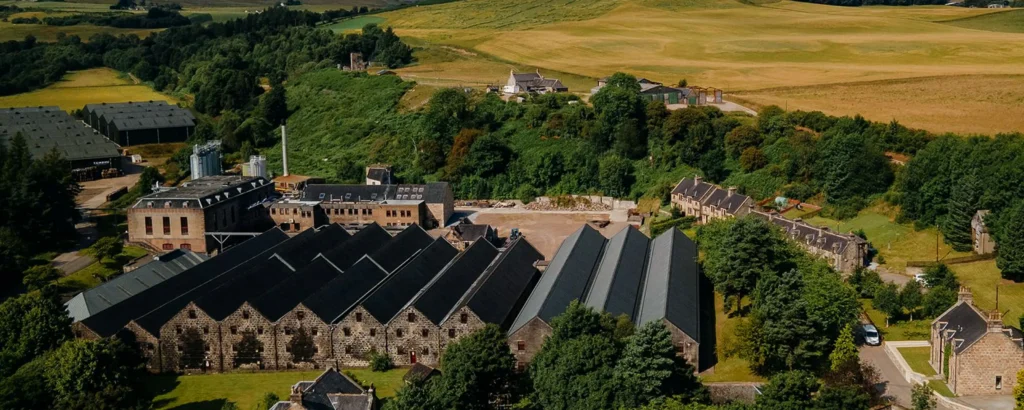
Tomintoul was established during the Scotch whisky expansion of the 1960s, beginning production in 1965 near the village from which it takes its name. The distillery changed hands several times over the following decades and spent a significant period within the Whyte & Mackay group.
Its modern chapter began in 2000, when independent Scotch whisky company Angus Dundee Distillers acquired Tomintoul. The new owner placed greater emphasis on developing the distillery as a single malt brand, introducing a growing collection of age statements and specialist releases.
Today, the range extends from younger expressions through to whiskies matured for several decades. That breadth demonstrates Tomintoul’s ability to produce spirit suited to extended maturation, an important consideration for Tomintoul whisky investment with a longer holding horizon.
A Distillery Built Around Cask Variety
Tomintoul's gentle spirit provides a versatile foundation for maturation. The classic unpeated new make is typically light and fruit-driven, with orchard fruit, malt and floral characteristics.
Where the distillery becomes particularly interesting is in its approach to wood. Alongside traditional bourbon and sherry maturation, Tomintoul has released whiskies influenced by an extensive variety of casks, including wine and fortified wine finishes.
This experimentation demonstrates how differently the underlying spirit can develop depending on the wood surrounding it. Investors who invest in Tomintoul whisky should therefore pay close attention to the individual cask specification rather than treating all Tomintoul stock as interchangeable.
Cask type, previous use and fill history can affect both maturation and the eventual character of the whisky, particularly over a multi-year investment period.
The Other Side of Tomintoul: Old Ballantruan
There is also another dimension to the distillery. Since 2001, Tomintoul has produced heavily peated spirit for a limited period each year.
Official bottlings of this whisky appear under the Old Ballantruan name, creating a markedly different style from the gentle Speyside character for which Tomintoul is best known.
From an investment perspective, knowing which spirit type a cask contains is therefore essential. Peated and unpeated Tomintoul originate from the same distillery but can present very different maturation profiles and potential markets.
This additional production style gives a Tomintoul whisky investment another point of distinction compared with distilleries producing one consistent style throughout the year.
What Makes a Tomintoul Cask Worth Considering?
The distillery name is only the starting point. Before deciding to invest in Tomintoul whisky, the individual cask needs to stand up to scrutiny.
Its age and vintage provide the first layer of information, followed by cask type, size and fill history. Current bulk litres and ABV help show how the whisky is developing and how much spirit remains after evaporation through the Angel’s Share. Provenance, storage and ownership documentation should also be established.
Tomintoul's broad official range provides evidence of the different ages at which its whisky is bottled, but this does not mean that simply leaving a cask to mature will automatically increase its desirability. The relationship between age, remaining liquid, alcoholic strength, wood influence and market demand needs to be considered throughout the investment period.
Tomintoul Whisky Investment: Where Could the Opportunity Lie?
Tomintoul occupies an interesting position within Speyside. It is an established producer with more than 60 years of distilling history, yet it does not command the same level of mainstream attention as the region's largest luxury single malt names.
Under Angus Dundee, however, the distillery has developed a substantial single malt portfolio while continuing to demonstrate considerable versatility through different ages, cask finishes and peated production.
That can make Tomintoul worth exploring for investors seeking exposure beyond the most prominent distillery names. As with every whisky cask, future performance will depend on the asset purchased, its entry price, maturation and eventual demand rather than the name on the cask alone.
Speak to The 1901 Group team to explore current Tomintoul cask availability and whether it could complement your whisky portfolio.