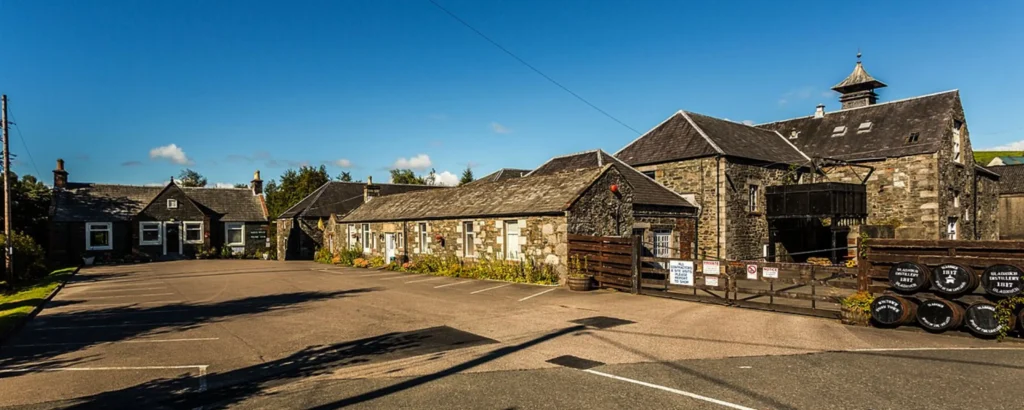
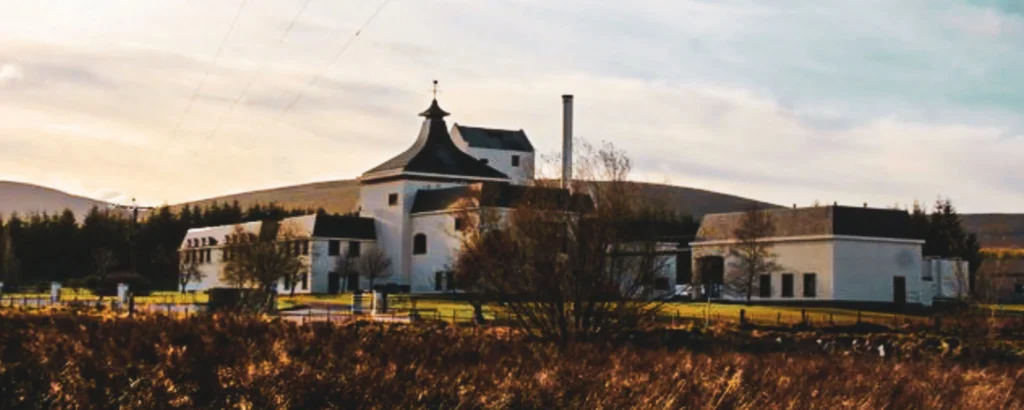
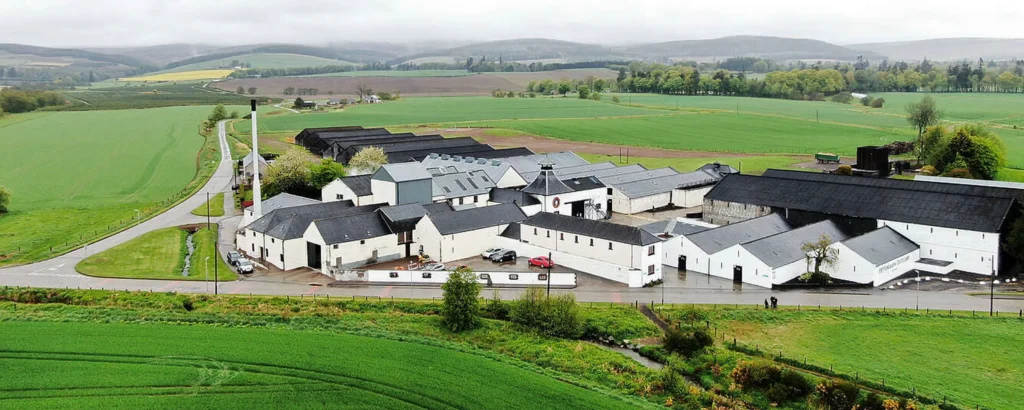
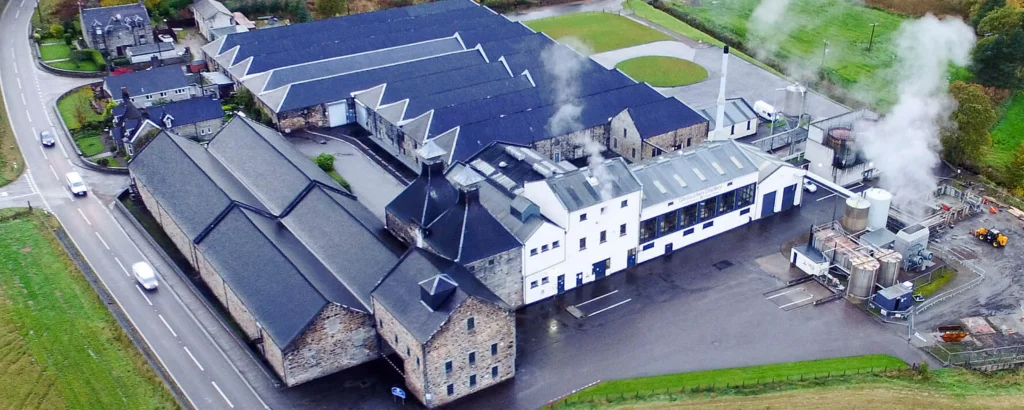
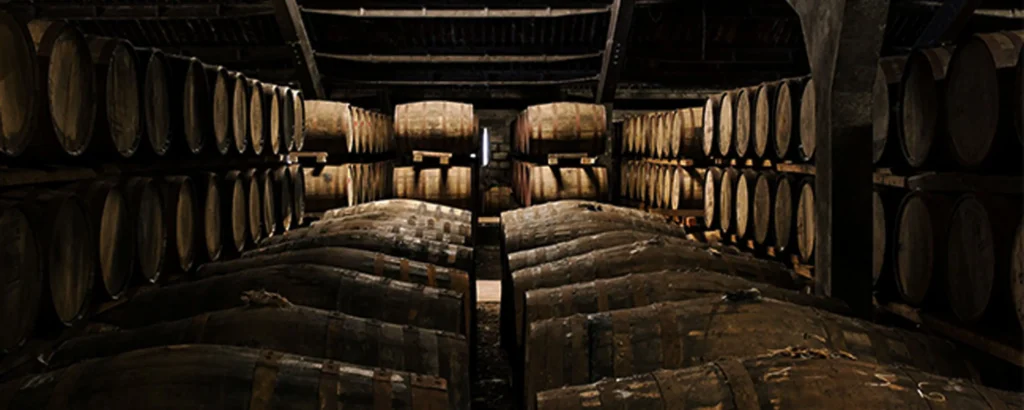
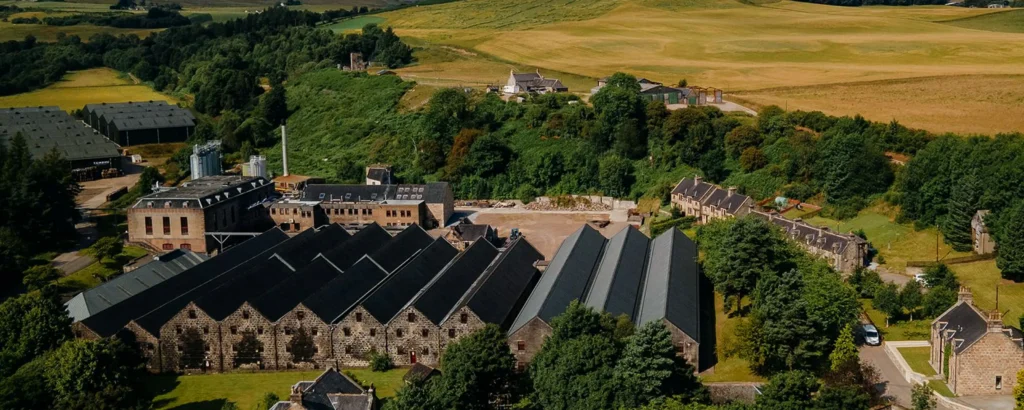
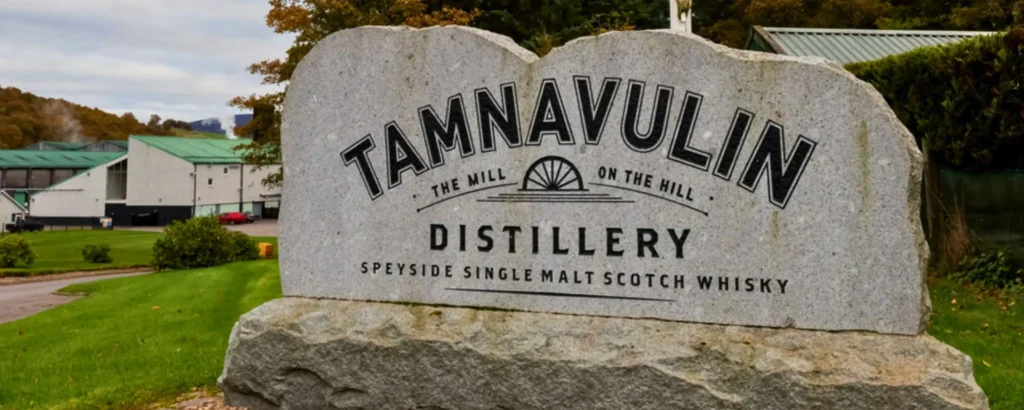
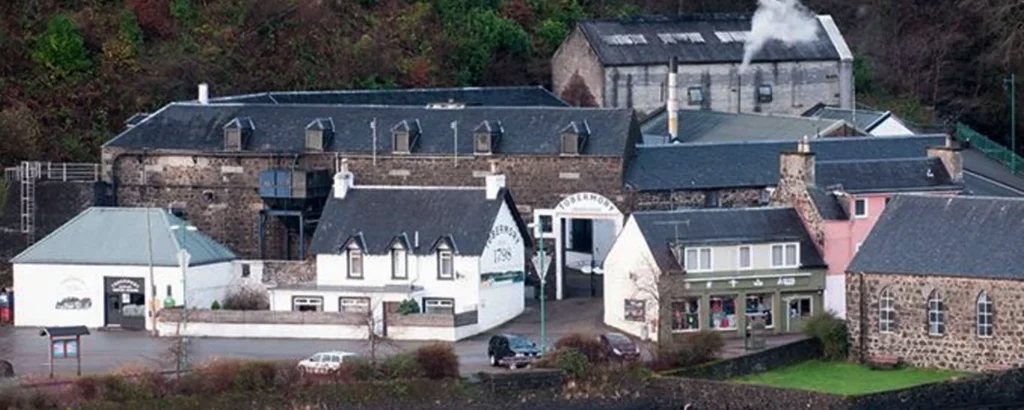
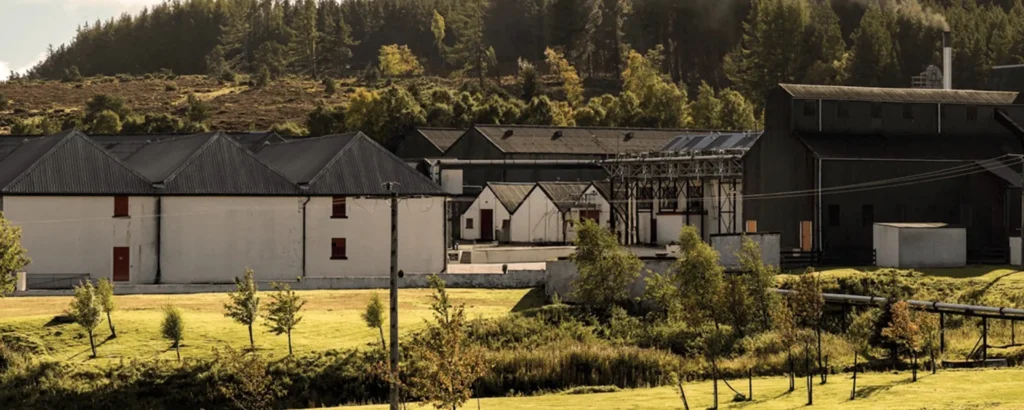
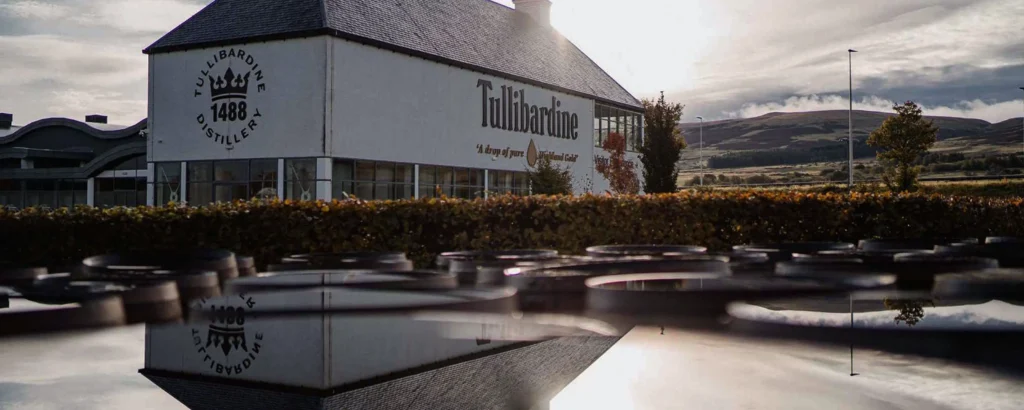
Tullibardine is easily overlooked among Scotland’s better-known Highland names. Yet the distillery has several characteristics that make it interesting from a cask investment perspective: a history stretching back to 1949, a nine-year period of closure, an established single malt range and an owner with roots in the French wine industry.
A Tullibardine whisky investment therefore offers a different proposition from buying into one of Scotch whisky’s dominant luxury brands. Its story is as much about the individual cask, maturation and available stock as it is about the name on the spirit.
A Distillery With a Different Kind of History
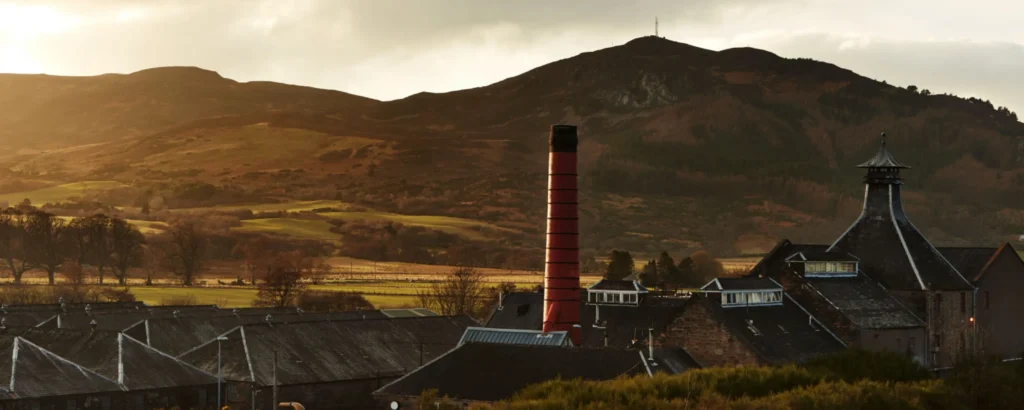
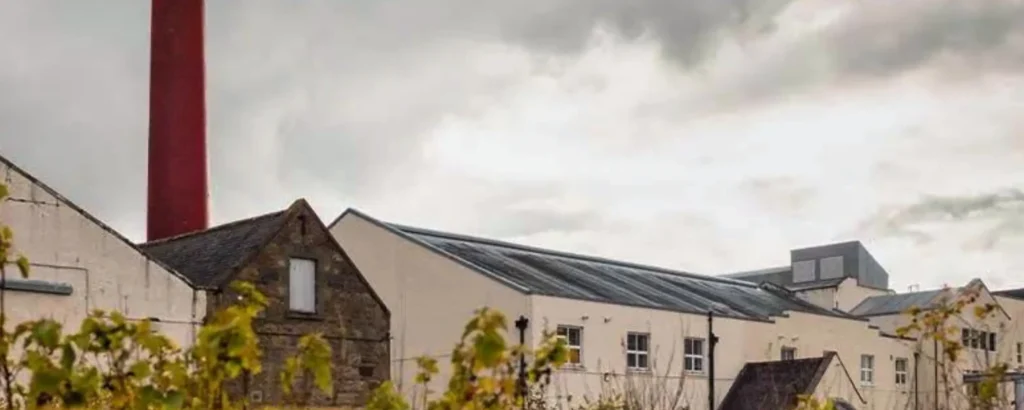
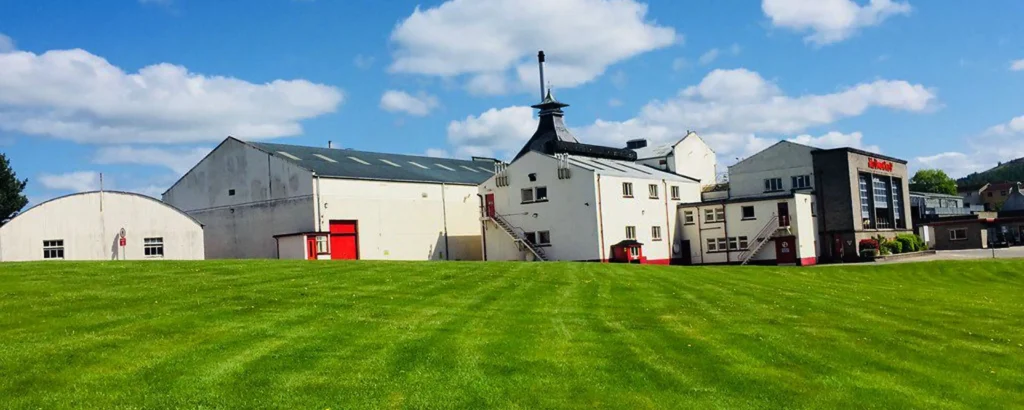
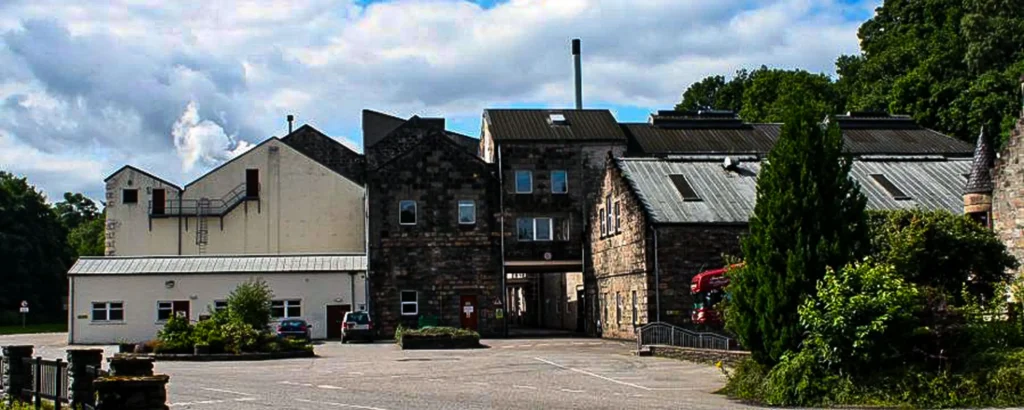
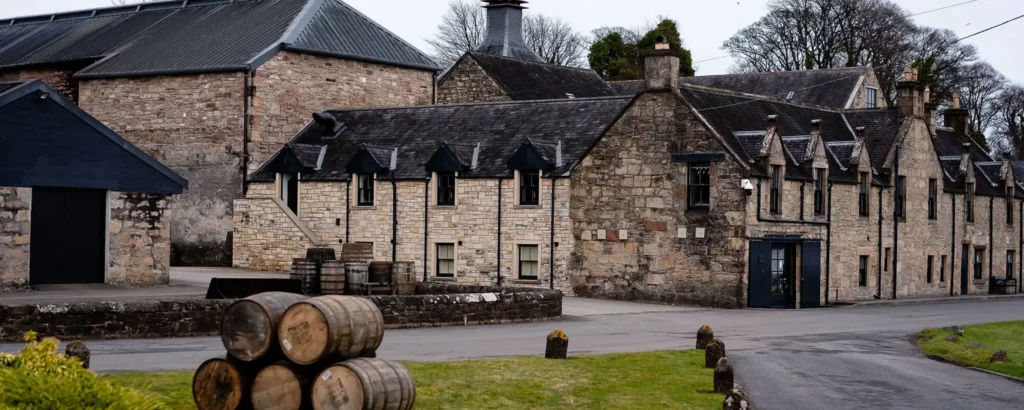
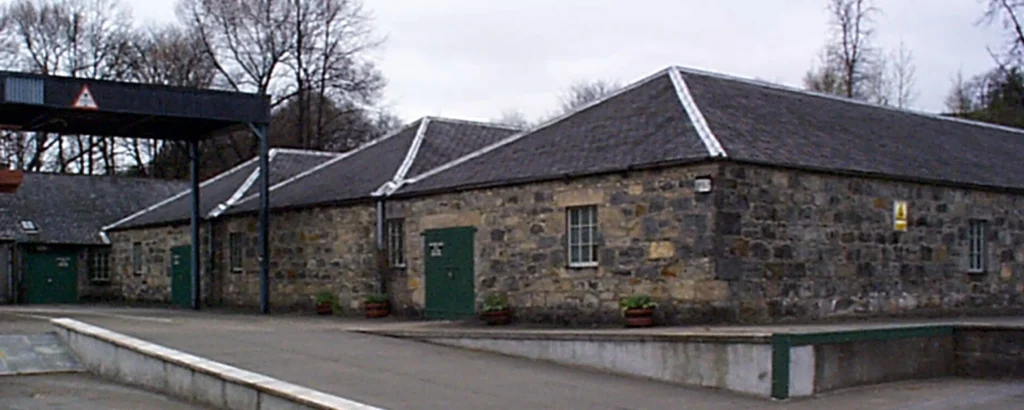
Tullibardine was founded in 1949 by renowned distillery architect William Delmé-Evans on the site of a former brewery in Blackford, Perthshire. Brewing on the site can be traced back centuries, while the distillery itself was one of relatively few new Scotch whisky distilleries established during the first half of the 20th century.
Several owners followed before Tullibardine became part of Invergordon Distillers in 1971 and subsequently Whyte & Mackay. Production stopped in 1994 and the distillery remained mothballed until new owners restarted the stills in 2003.
That interruption created a clear divide in its stock. Whisky distilled before the closure is now increasingly mature.
Investors considering a Tullibardine whisky investment could therefore pay particular attention to vintage as well as age, especially when examining older stock.
From Blending Whisky to Single Malt
For much of its earlier life, Tullibardine produced spirit primarily for blends. Its identity as a standalone single malt developed much later.
The next significant change came in 2011, when the distillery was acquired by French wine and spirits company Picard Vins & Spiritueux. Its whisky production now serves both the Tullibardine single malt range and Highland Queen blended Scotch.
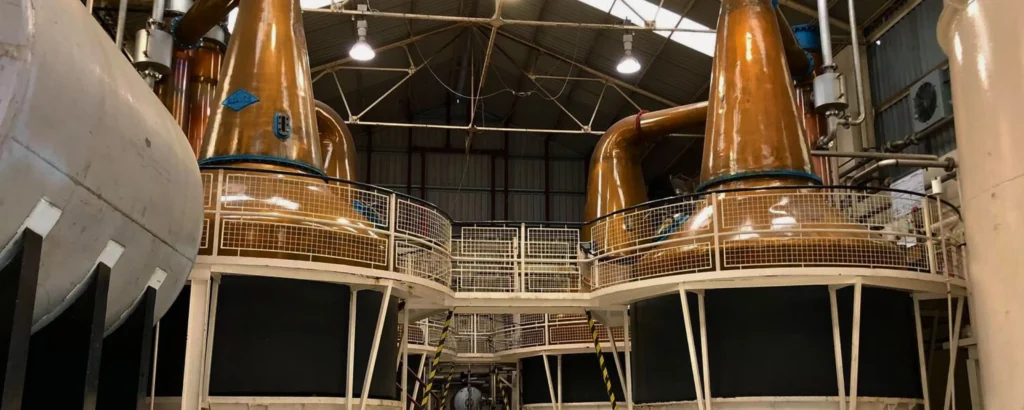
Unlike many distilleries that send different stages of production elsewhere, Tullibardine also has blending and bottling facilities on site. This greater degree of control across production gives the distillery an interesting position within the Highland whisky landscape.
For investors who want to invest in Tullibardine whisky, the growth of the single malt side of the business could add another dimension to a distillery historically associated with blending.
Wine Casks and the Tullibardine Style
Tullibardine produces a light, floral and fruit-driven spirit. While bourbon casks form an important part of its maturation programme, the distillery has become particularly associated with secondary maturation and finishing.
Its range has included whisky finished in Sauternes, Burgundy and other wine casks. The connection is natural given the wine background of its French ownership and gives Tullibardine a recognisable approach to maturation.
From a cask investment perspective, this is where the details become worth noting. A standard ex-bourbon cask and a cask with wine influence may offer substantially different flavour development and eventual appeal.
A Tullibardine whisky investment should consequently be assessed according to the characteristics of the individual asset: cask type and size, previous fills, distillation year, current ABV and bulk litres all help build a clearer picture of what is being acquired.
What Could Drive Demand for Tullibardine Casks?
Tullibardine sits outside the group of distilleries whose names alone can command substantial premiums. That makes the relationship between entry point, age and cask quality especially important.
Potential demand for mature stock can come from several directions. The distillery has an established official single malt range, its whisky continues to have a role in blending, and independently bottled Tullibardine releases provide another outlet for individual casks.
Older vintages may have an additional point of distinction because of the distillery’s production gap. However, age or scarcity should never be viewed as an automatic guarantee of value.
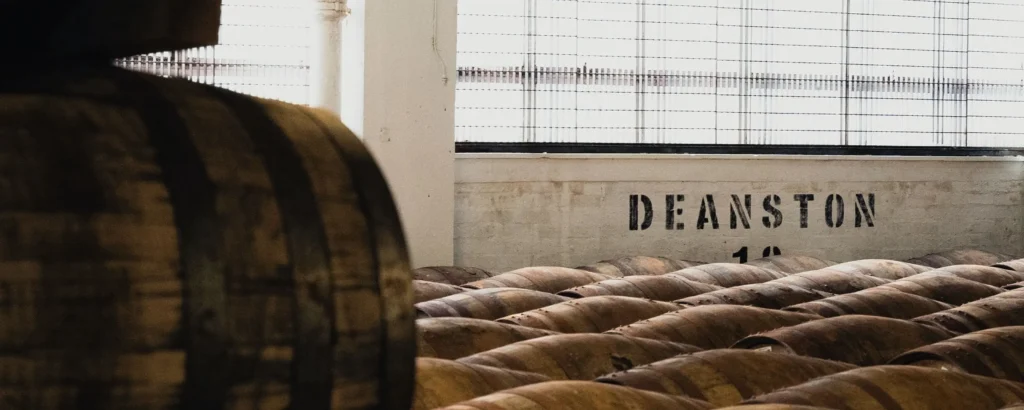
Anyone thinking to invest in Tullibardine whisky should also establish provenance, ownership documentation and storage arrangements, while monitoring the effects of maturation and the Angel’s Share over the intended holding period.
Is Tullibardine Whisky Investment Worth Considering?
Tullibardine does not rely on the same investment narrative as Scotland’s most famous collectible distilleries. Instead, it combines an unusual production history, mature stocks from different eras, established blending demand and a developing single malt identity.
Its approach to wine-cask maturation and the influence of its French ownership add further individuality to the distillery.
Whether a particular cask represents an attractive Tullibardine whisky investment will ultimately depend on its specification, provenance, purchase price and future market demand. Returns are never guaranteed, making careful cask selection and ongoing management essential.
Speak to The 1901 Group team to explore current Tullibardine whisky investment opportunities and how they could fit within a wider whisky portfolio.