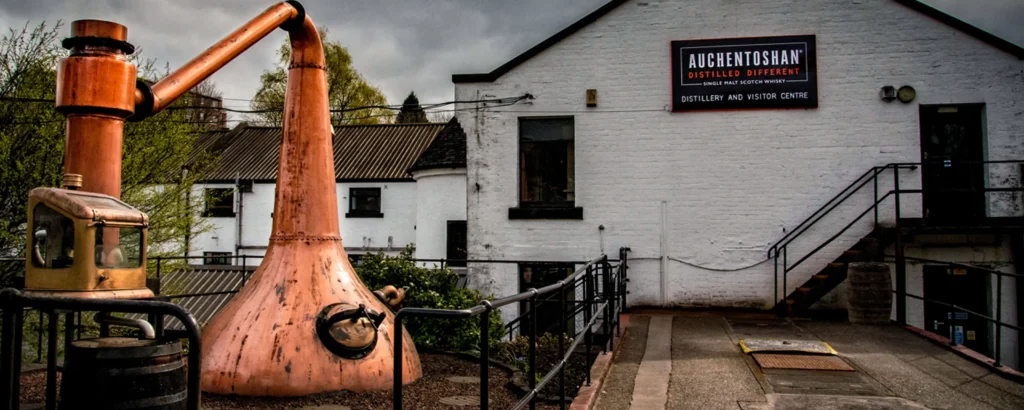
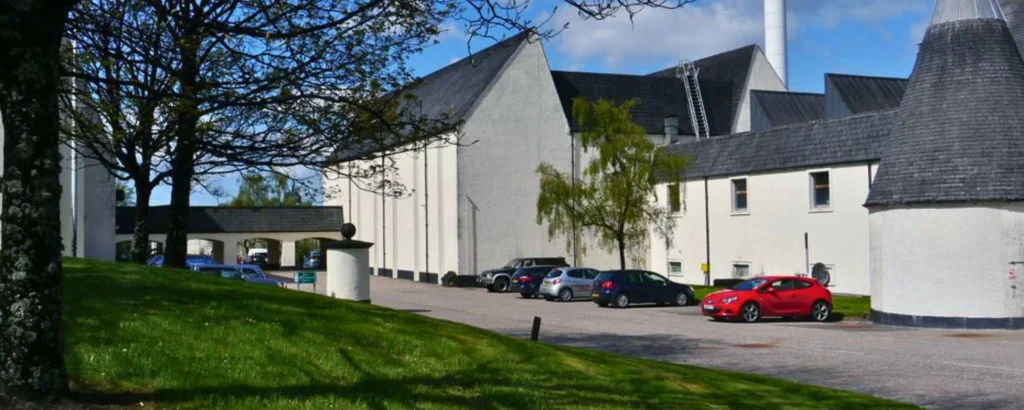
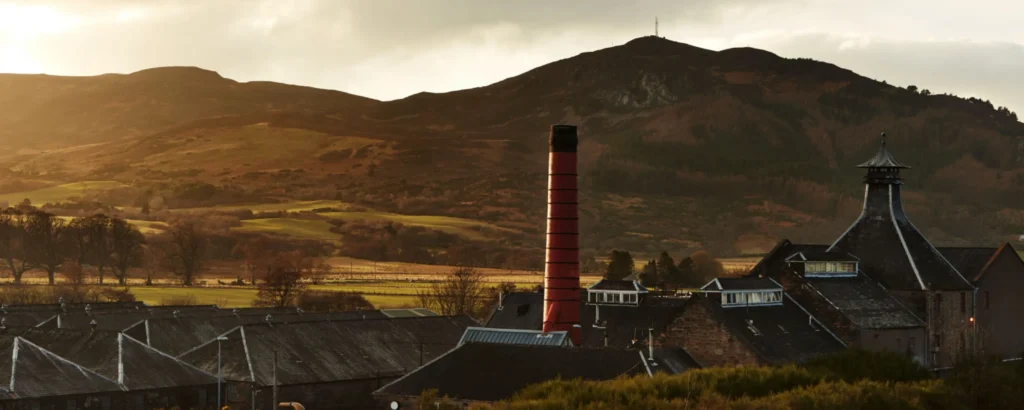
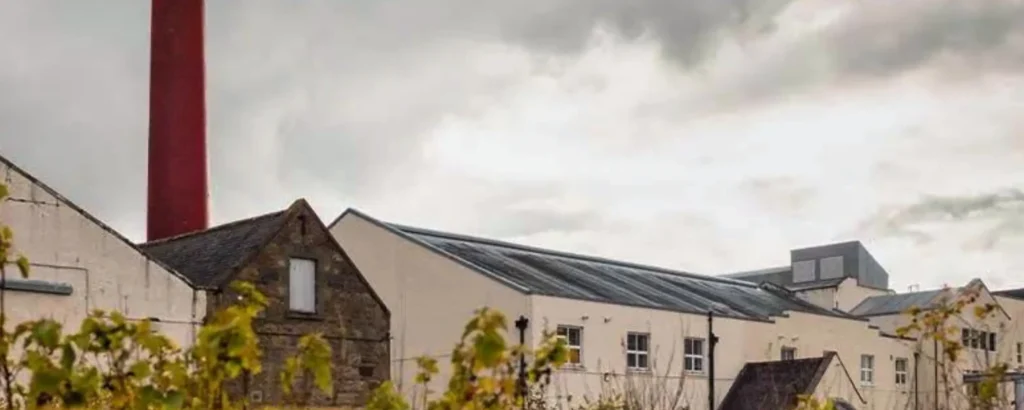
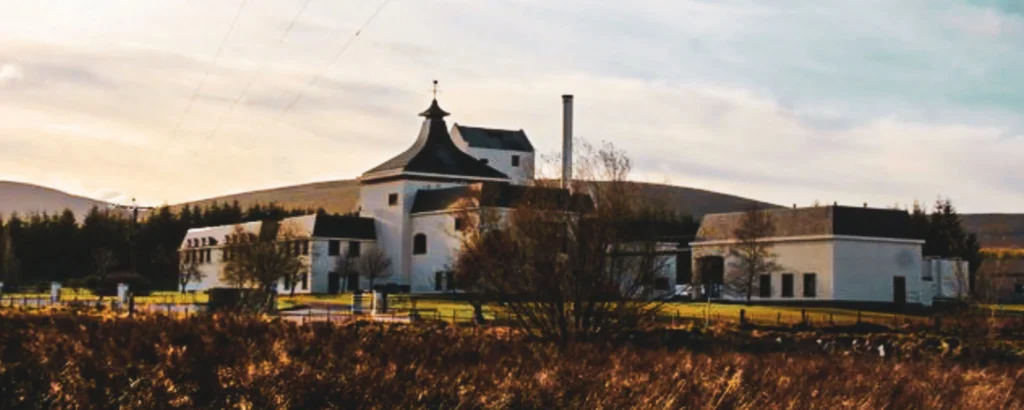
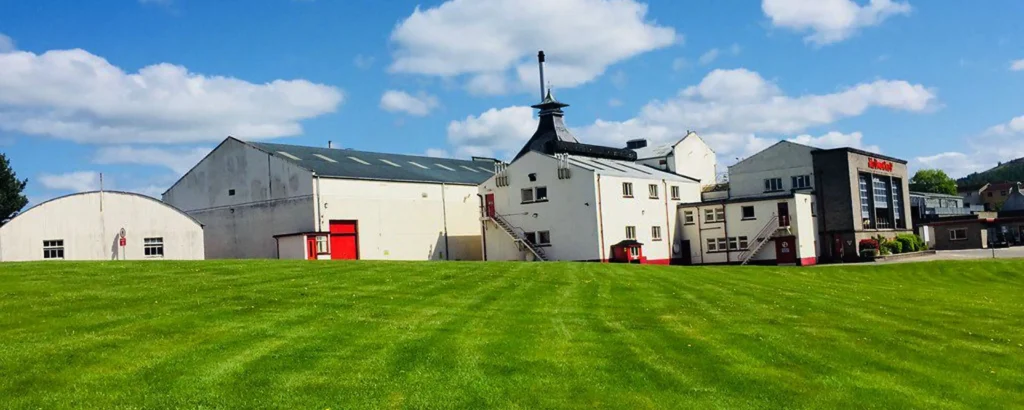
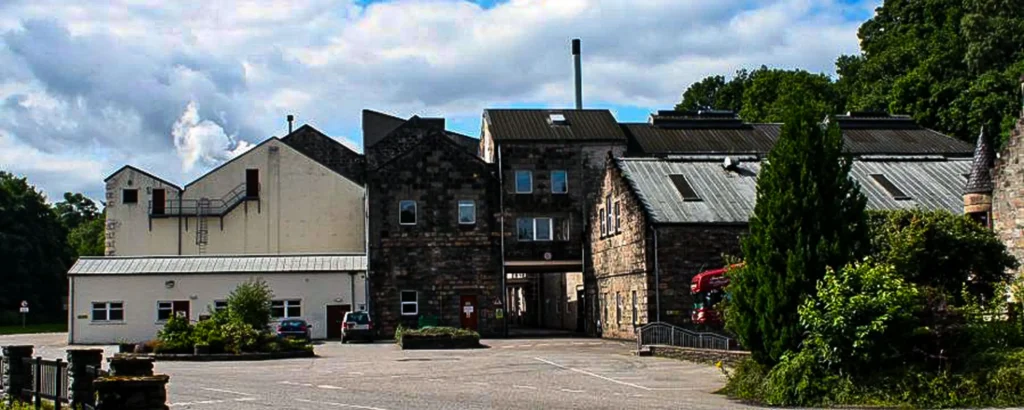
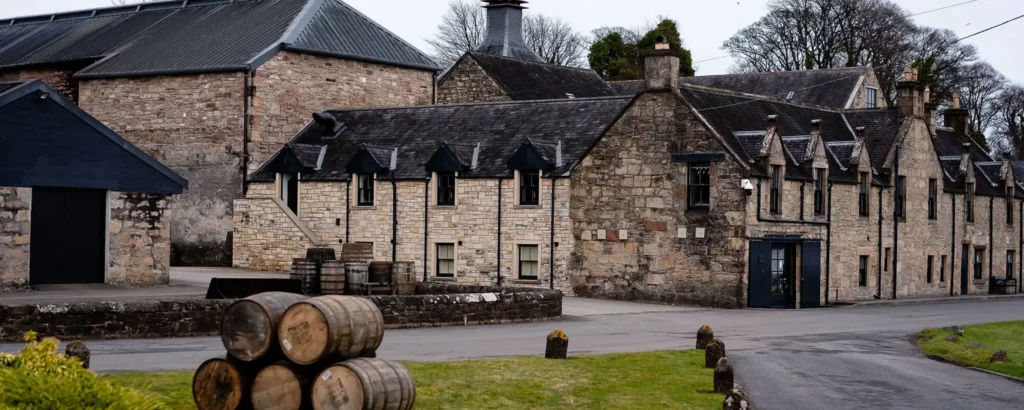
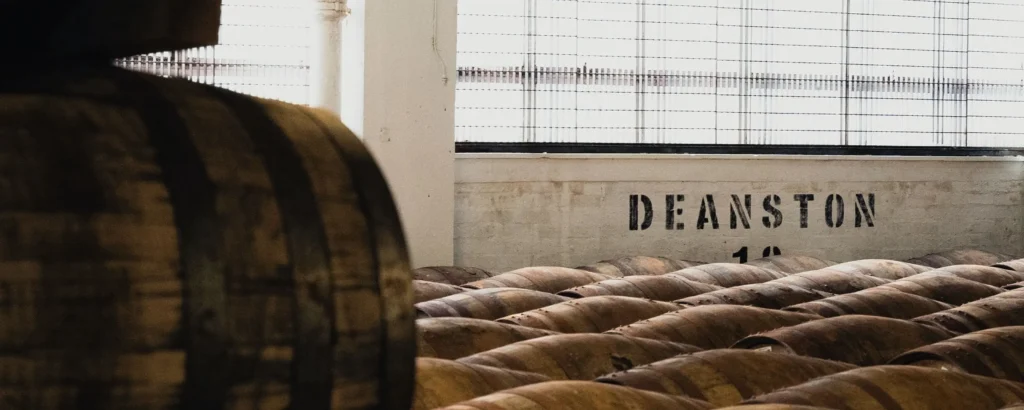
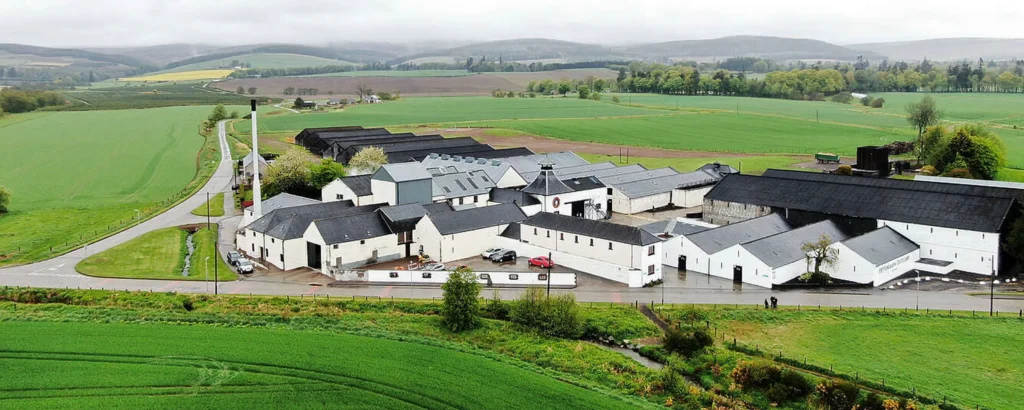
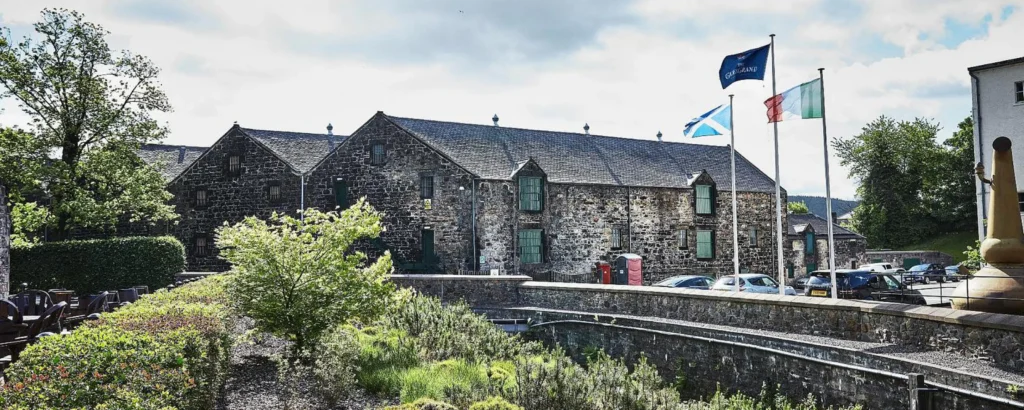
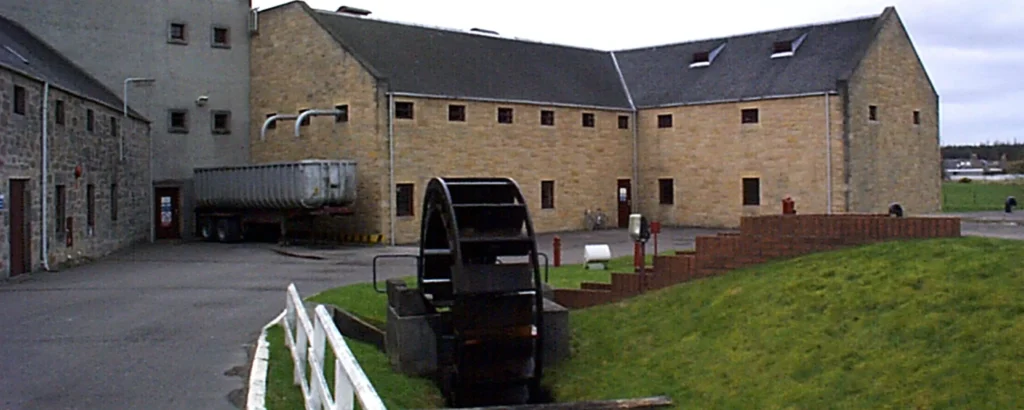
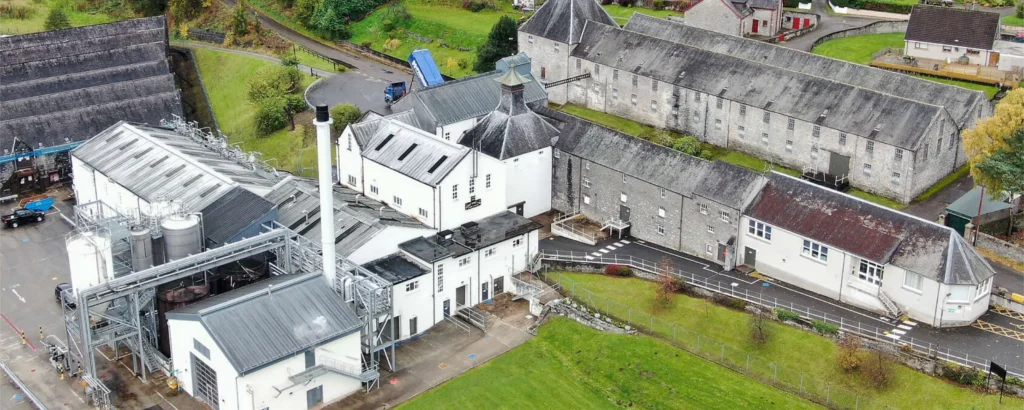
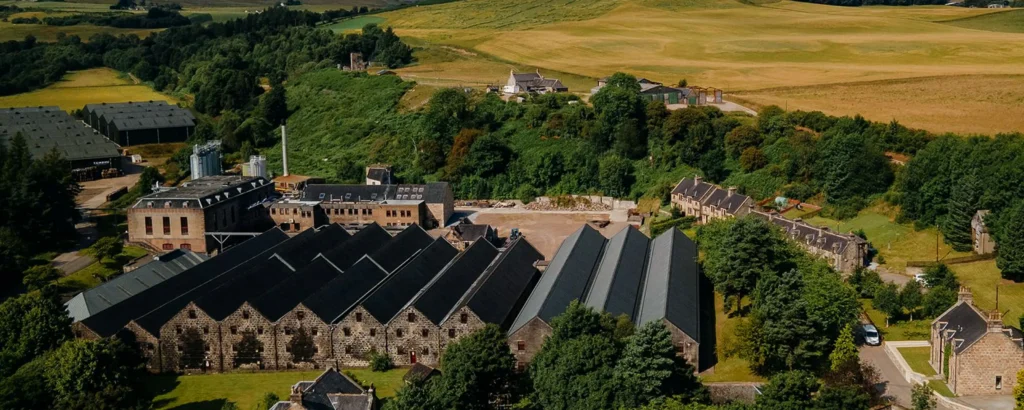
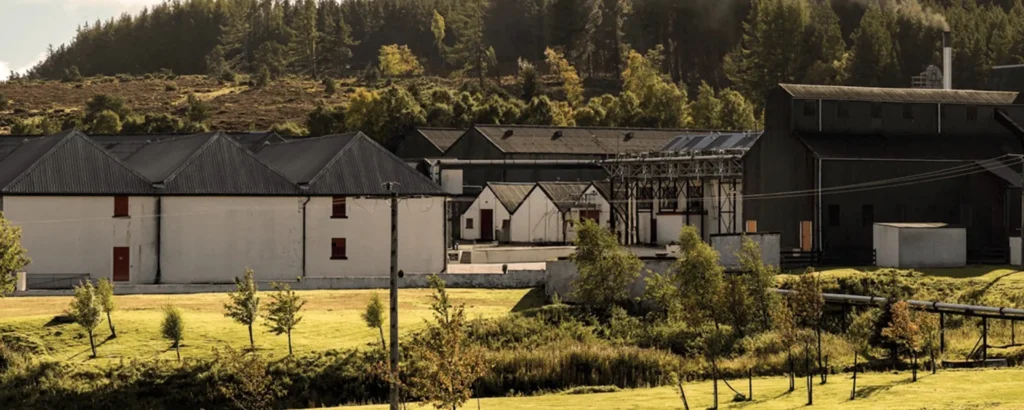
Fettercairn is a Highland distillery with more than 200 years of history, an unusual approach to distillation and a growing presence as a single malt brand. Founded in 1824 near the village of Fettercairn, it sits at the foothills of the Grampian Mountains and today forms part of the Whyte & Mackay portfolio.
For those looking to invest in Fettercairn whisky, there is more to consider than its age. Its distinctive tropical spirit, long-established role in blending and increasing focus on premium single malt releases create a combination worth examining from a cask investment perspective.
Considerations When Investing in Fettercairn Whisky
Fettercairn spent much of its modern history producing whisky for blends, particularly those within the Whyte & Mackay portfolio. However, its position has evolved significantly. A major relaunch in 2018 put greater emphasis on Fettercairn as a single malt, supported by age-statement releases and experimentation with different types of oak.
This changing profile is worth noting when considering Fettercairn whisky investment. Rather than relying on an already dominant luxury reputation, there is also the potential development of the distillery's own brand alongside established demand for its spirit within the wider Scotch industry.
Fettercairn also celebrated its 200th anniversary in 2024, placing it among Scotland's historic licensed distilleries. Its heritage, distinctive production methods and increased visibility as a single malt provide several angles for investors assessing Fettercairn whisky investment.
From 1824 to the Modern Fettercairn Distillery
Fettercairn was founded by Sir Alexander Ramsay in 1824, shortly after the Excise Act of 1823 transformed legal whisky distillation in Scotland. Originally called Old Fettercairn, it was one of the earliest distilleries to obtain a licence under the new legislation.
Sir John Gladstone acquired the distillery in 1830. His son, William Gladstone, would later serve four terms as British Prime Minister, giving Fettercairn an unusual connection to British political history.
The 20th century brought closures and several changes of ownership before Whyte & Mackay acquired Fettercairn in 1973. The distillery remains part of Whyte & Mackay today.
For decades, Fettercairn's primary purpose was supplying malt whisky for blends. The rise of a more prominent single malt range has therefore marked an important new chapter in the distillery's development.
A Distinctive Highland Spirit
One of the strongest reasons to invest in Fettercairn whisky is the individual character of the spirit itself.
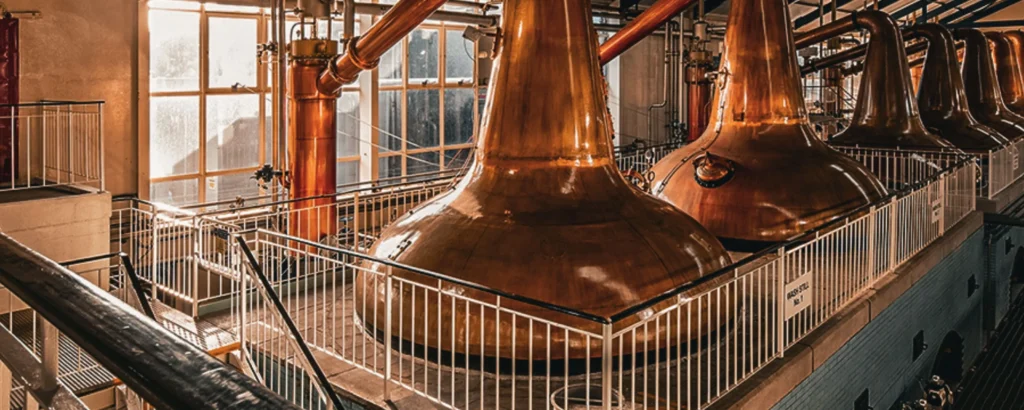
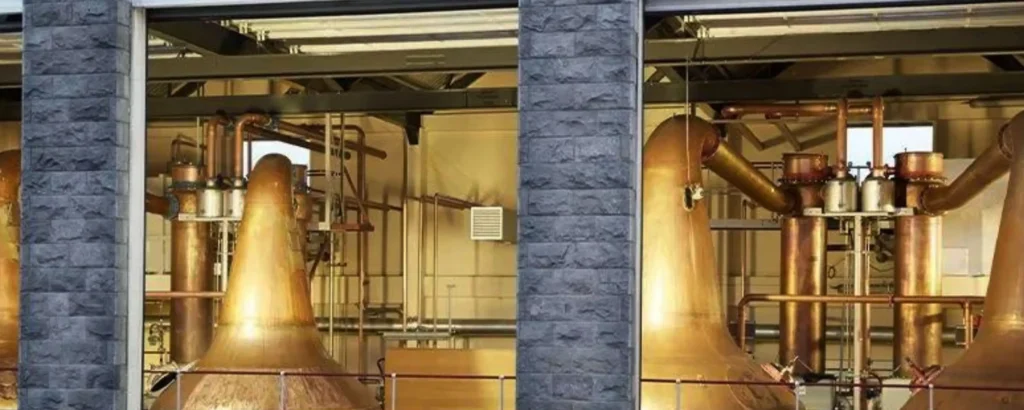
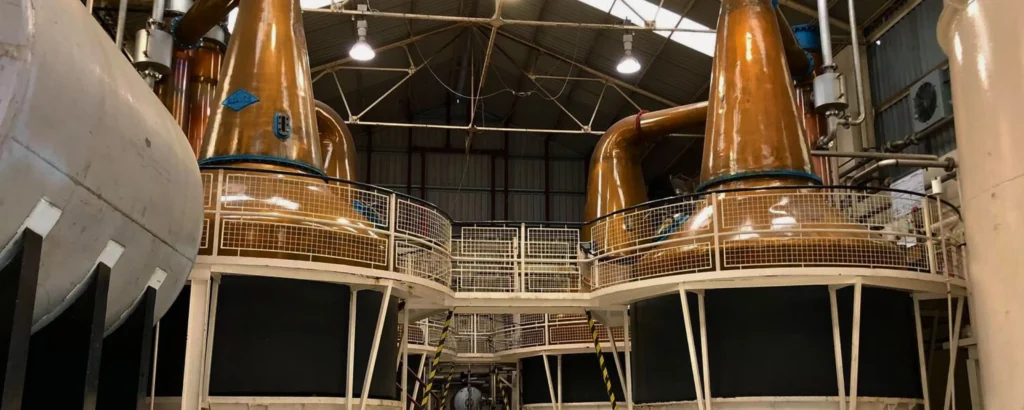
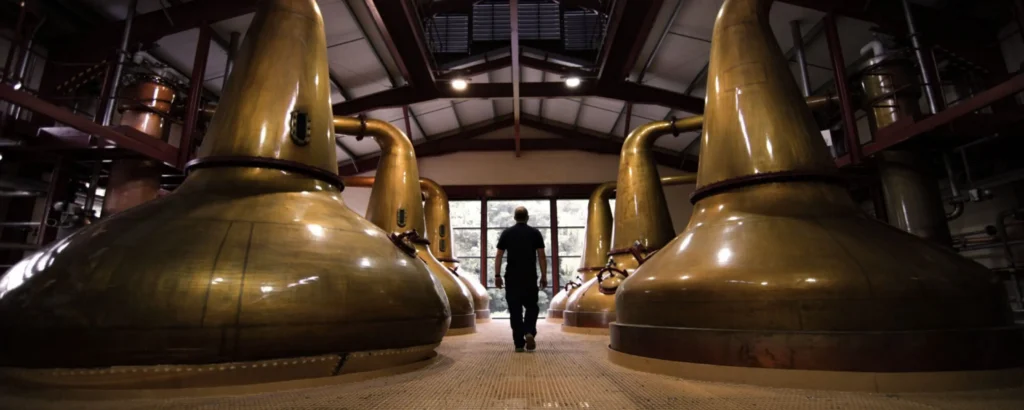
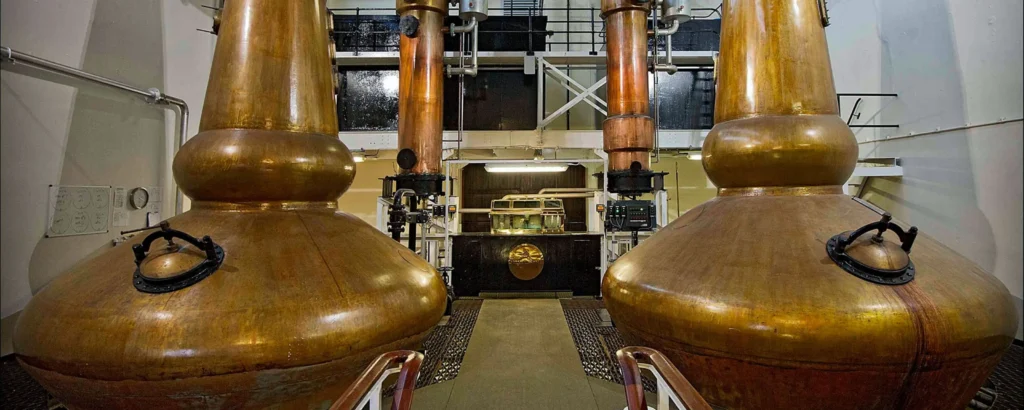
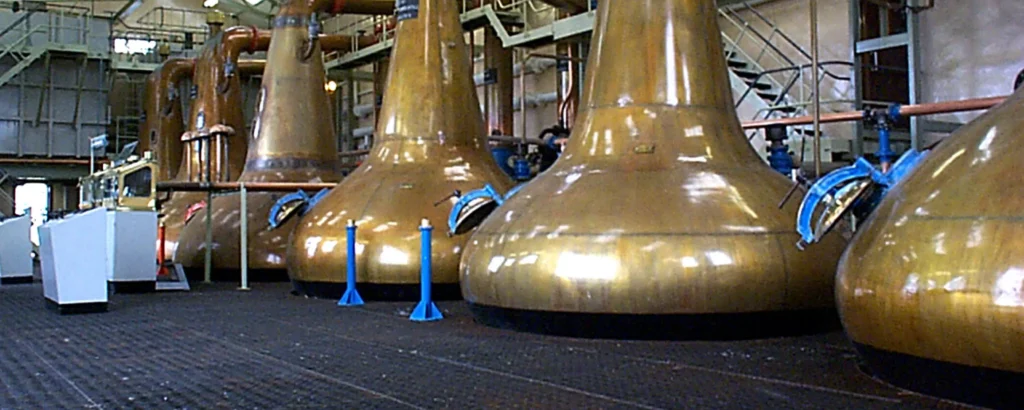
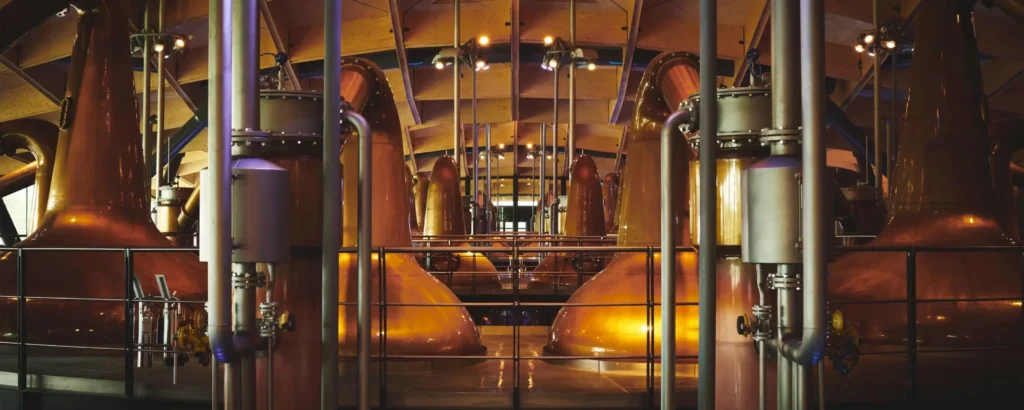
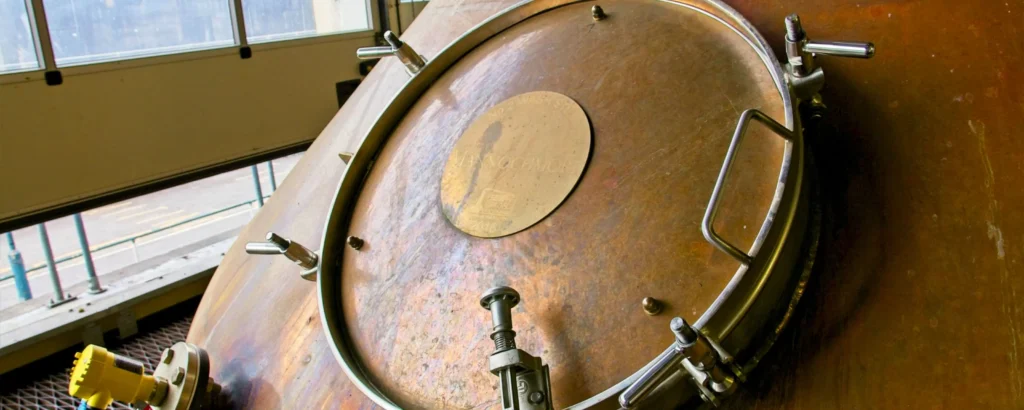
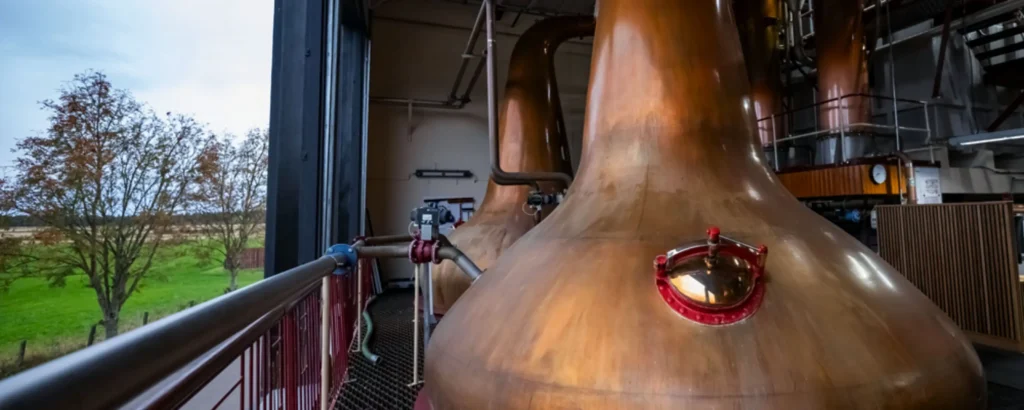
Fettercairn is known for producing a relatively light, tropical and fruit-driven whisky. Its signature production feature is immediately visible in the still house: cooling rings fitted around the necks of its spirit stills spray water down the outside of the copper.
This encourages increased condensation and reflux inside the still, helping create the lighter spirit style associated with Fettercairn. No other Scotch whisky distillery currently uses this exact cooling-ring system.
Ex-bourbon American oak has traditionally played an important role in maturation, complementing the distillery's tropical fruit character. Fettercairn has also explored other wood types, including Scottish oak, which has featured in several of its releases.
Fettercairn Whisky Investment: Looking at the Cask
The distillery story provides useful context, but whether to invest in Fettercairn whisky ultimately depends on the individual cask, amongst other factors.
A younger ex-bourbon hogshead, for example, presents a very different proposition from an older cask or one that has undergone additional maturation. Investors should examine the distillation date, cask type and fill history, current litres of alcohol as well as ABV, provenance and storage arrangements.
The relationship between spirit and wood is especially relevant over longer maturation periods. As whisky ages, its flavour develops while evaporation gradually reduces the volume held within the cask. Regauging can help track these changes and provide an updated picture of both volume and alcoholic strength.
Investors should also consider potential exit routes. Mature stock may ultimately appeal to independent bottlers, whisky companies or other market participants, but demand and achievable prices can change considerably over time.
Is Investing in Fettercairn Whisky a Good Idea?
Fettercairn occupies an interesting middle ground. It has the heritage of a distillery founded two centuries ago and the backing of a major Scotch whisky group, while its development as a consumer-facing single malt brand is comparatively recent.
Its distinctive production process, tropical spirit style and experimentation with maturation also give Fettercairn a recognisable identity in an increasingly crowded single malt market.
For those considering whether to invest in Fettercairn whisky, these qualities should be weighed alongside the fundamentals of the specific cask and its purchase price. Distillery reputation can contribute to future demand, but it cannot guarantee investment performance.
Speak to The 1901 Group team to explore current Fettercairn cask availability and whether it could have a place within your whisky cask portfolio.