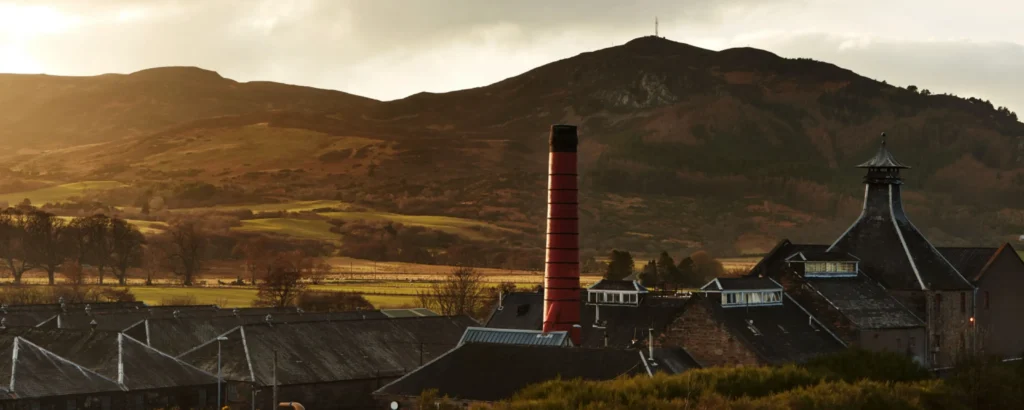
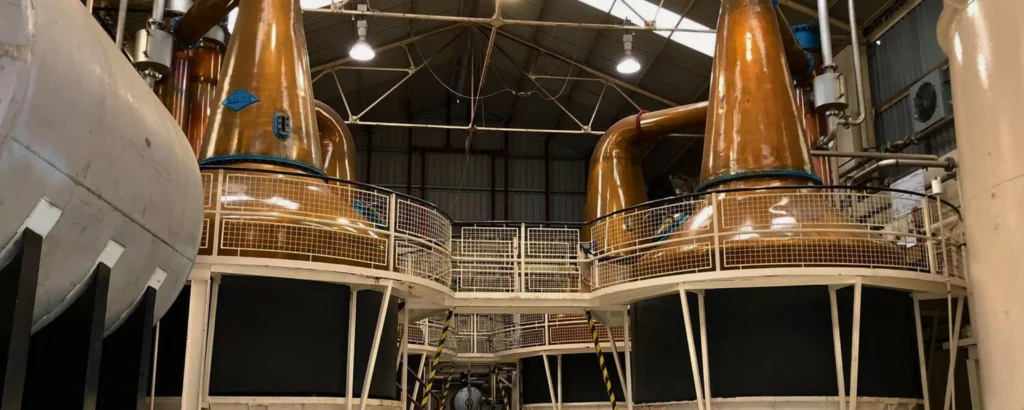
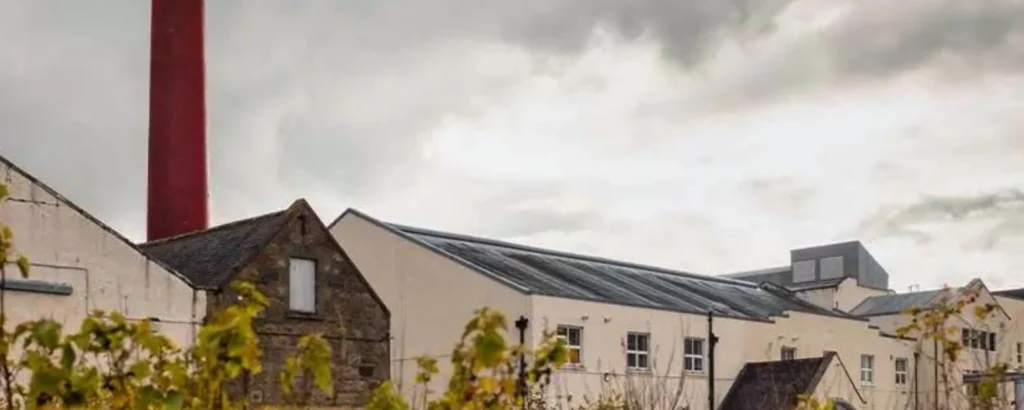
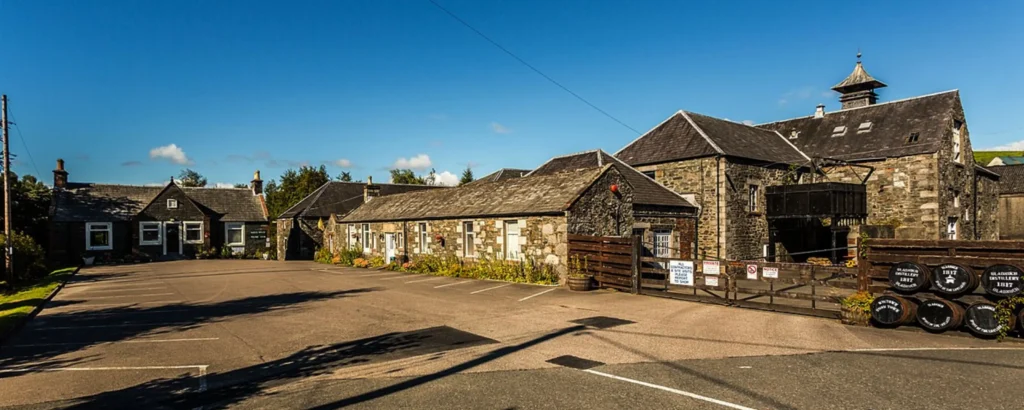
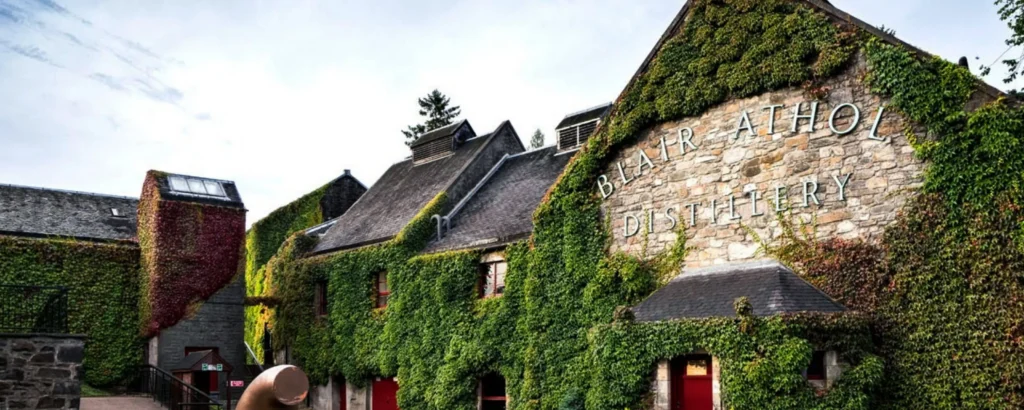
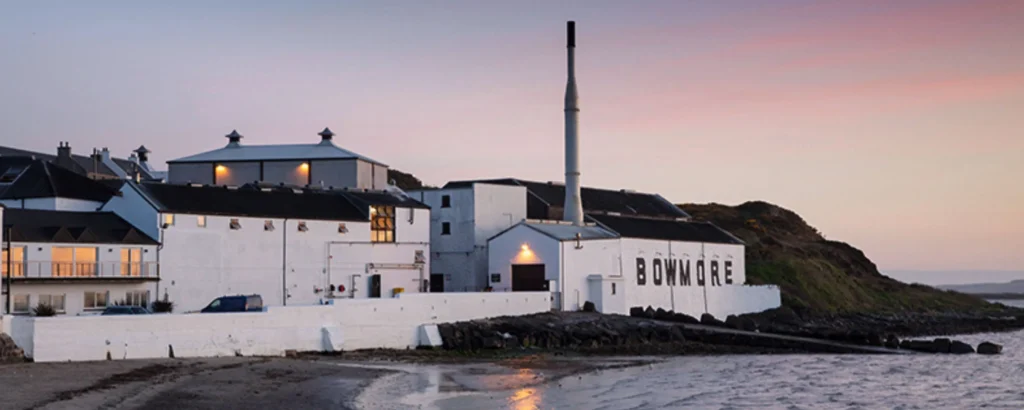
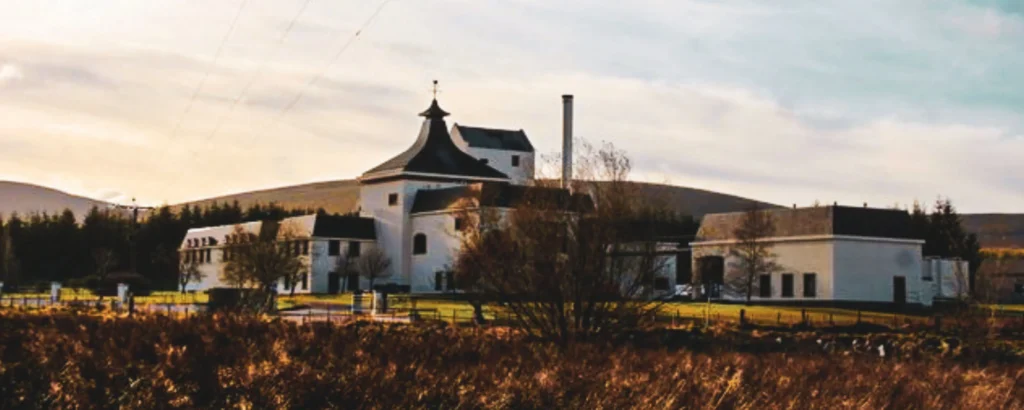
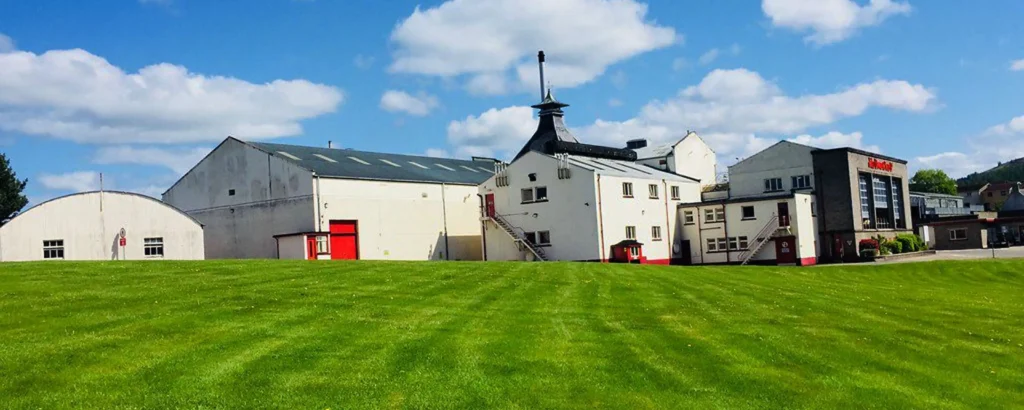
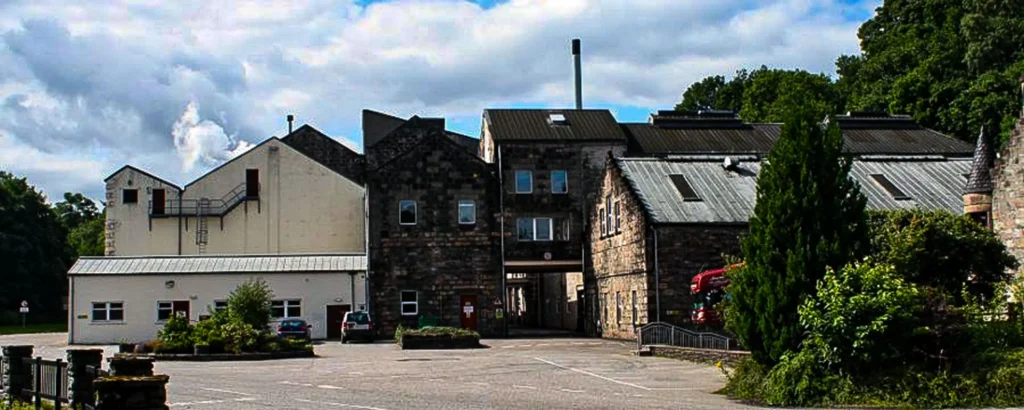
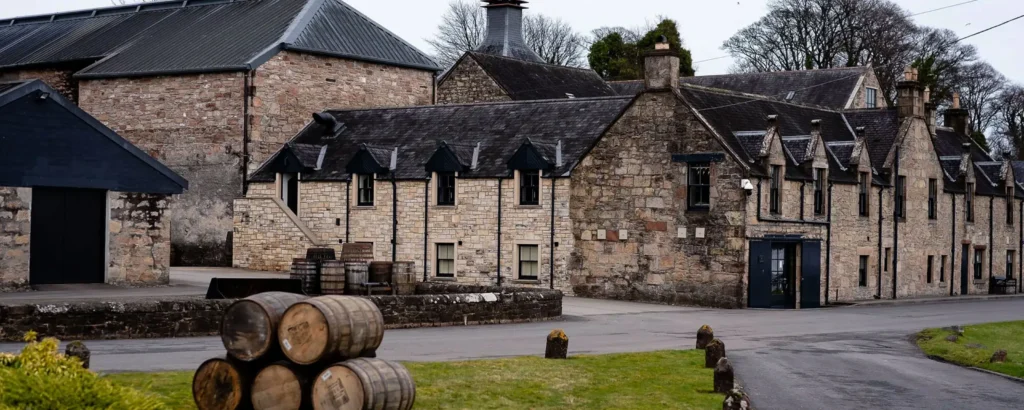
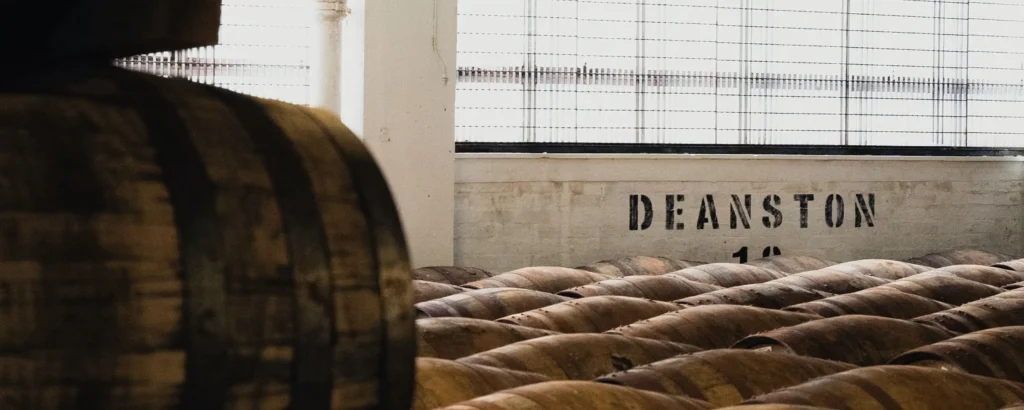
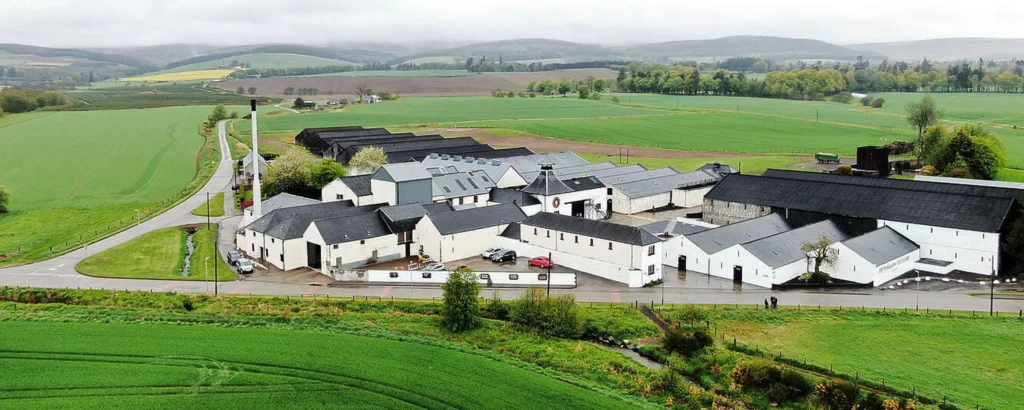
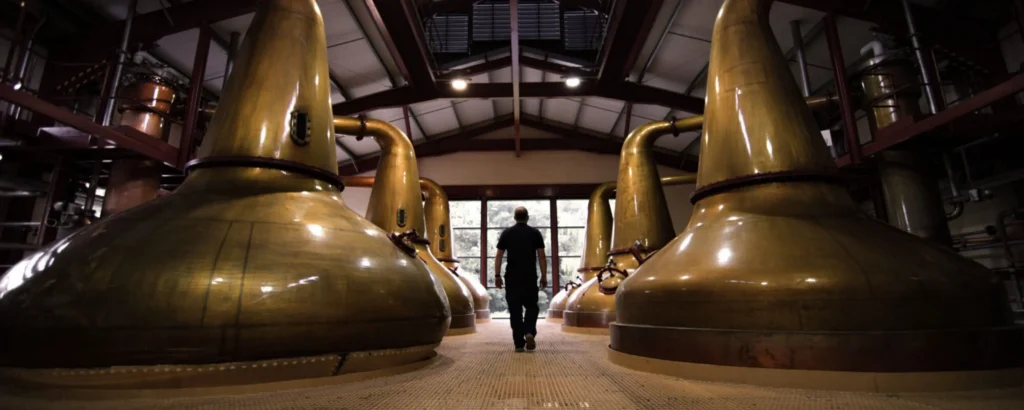
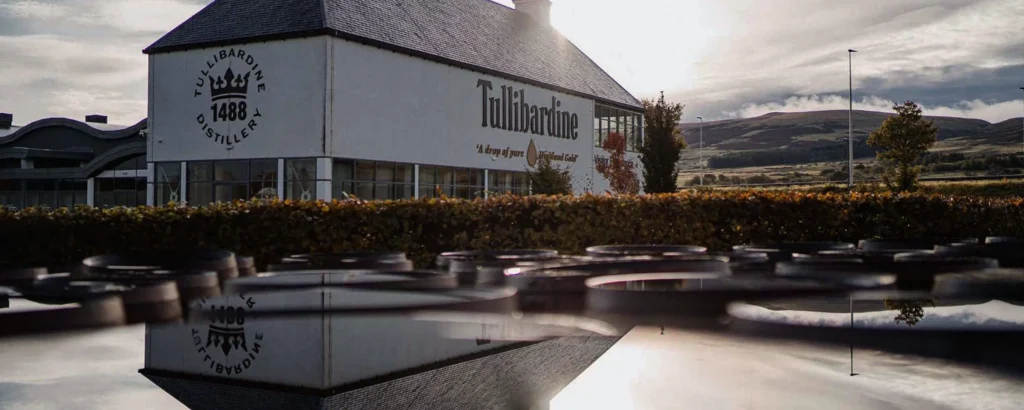
The Dalmore distillery occupies an established position at the premium end of the Scotch whisky market. With a history stretching back to 1839, a strong international brand and a reputation for highly aged and prestigious releases, the Highland distillery offers a distinctive proposition for whisky cask investors.
A Dalmore whisky investment provides exposure to a distillery whose identity has become closely associated with luxury single malt. Unlike distilleries whose production is primarily recognised for its role in blends, Dalmore has developed significant value around its own name, supported by an extensive range of age-statement whiskies and limited releases.
Its ownership is another important consideration. The Dalmore forms part of Whyte & Mackay, which is owned by international drinks group Emperador Inc. This provides the distillery with the backing and distribution capabilities of an established global spirits business. Combined with its premium positioning and long production history, this has helped build recognition in key whisky markets worldwide.
From Highland Distillery to Luxury Single Malt
The Dalmore was founded by Alexander Matheson in 1839 on the northern shore of the Cromarty Firth, close to Alness in the Scottish Highlands.
In 1867, the Mackenzie family took control of the distillery and introduced the 12-pointed Royal Stag emblem that remains one of the brand's most recognisable features. The distillery subsequently developed as both a source of whisky for blending and, increasingly, as a single malt in its own right.
For much of its history, Dalmore's whisky was primarily destined for blending, including a longstanding role within Whyte & Mackay blends. This began to change during the 1990s, when greater emphasis was placed on establishing The Dalmore as a single malt brand. Its move towards the premium end of the market accelerated during the 2000s, supported by an expanding range of aged, rare and limited-edition releases.
Today, The Dalmore has established a strong position within the luxury single malt category, with a portfolio stretching from its core range to exceptionally old and prestigious releases. For investors considering a Dalmore whisky investment, this evolution is significant. The distillery has demonstrated an established commercial market for mature whisky under its own name rather than relying primarily on demand from the blending industry.
Why Investing in Dalmore Whisky
One of Dalmore's most notable characteristics from an investment perspective is its emphasis on mature whisky.
Age is fundamental to the economics of Scotch whisky because additional mature stock cannot be created quickly in response to demand. A whisky intended for release at 18, 25 or 30 years old must have been distilled and placed into the cask at least that many years earlier.
A distillery with an established market for older age statements therefore has a practical requirement for stocks at different stages of maturation.
Dalmore's position within the premium market adds another dimension. The brand has released some exceptionally old and high-value whiskies over the years, reinforcing its association with rarity, age and luxury.
For a Dalmore whisky investment, these factors provide useful context when considering the potential long-term market for mature stock. They do not, however, guarantee the performance of an individual cask. Acquisition price, age, cask specifications and future market conditions remain critical.
Investment in Dalmore's Future
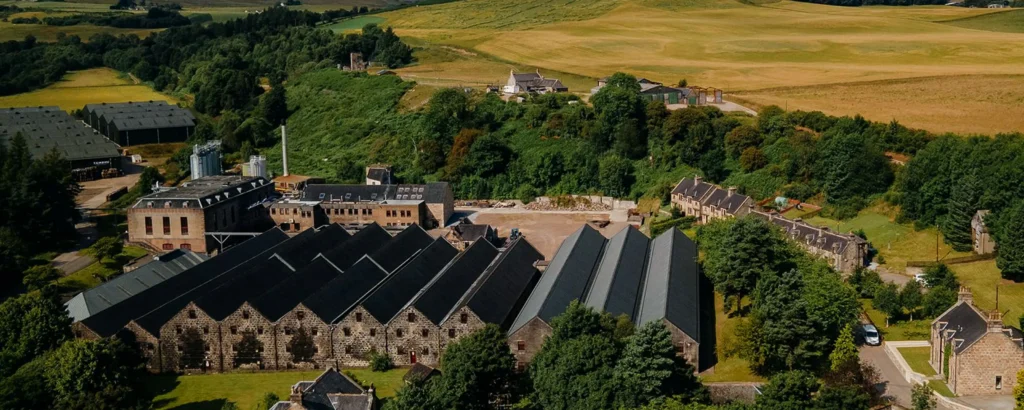
Dalmore's development has also been supported by significant investment in the distillery itself. A major expansion programme has been designed to increase production capacity substantially, alongside the redevelopment of production facilities and the visitor experience.
For those assessing a Dalmore whisky investment, this investment demonstrates the long-term ambitions behind the brand. Increased production should not be interpreted as a guarantee of greater future cask values, additional supply is itself an important consideration, but it does demonstrate Whyte & Mackay's commitment to expanding Dalmore's position within the global premium whisky market.
A Reputation Built Through Maturation
Cask maturation is central to Dalmore's identity. The distillery has become particularly associated with sherry-seasoned oak, alongside American oak ex-bourbon casks and other carefully selected maturation styles used across its range.
This is relevant when assessing a Dalmore whisky investment because the cask itself plays a fundamental role in the development of the spirit. Cask type, age, previous use and maturation history can all influence the characteristics and potential desirability of the whisky.
For investors, this reinforces the importance of assessing each Dalmore cask individually. A prestigious distillery name provides valuable context, but provenance, cask specifications, ABV, remaining volume and acquisition price ultimately determine the characteristics of the asset being purchased.
Dalmore's Position in a Whisky Portfolio
Dalmore can offer a different type of exposure within a diversified whisky cask portfolio. Its investment proposition centres less on relative obscurity or future brand discovery and more on an already established premium identity.
The distillery's Highland provenance, Whyte & Mackay ownership, international distribution and longstanding association with mature single malt all contribute to its position within the Scotch whisky market.
This does not mean every Dalmore whisky investment represents the same opportunity. Older stock may command a higher acquisition price, while younger casks provide a longer potential maturation period. The price at which an investor enters is therefore particularly important when assessing potential returns.
Investors should also consider how an individual cask could eventually be sold. Market demand, stock availability and the requirements of bottlers, whisky businesses and other investors can all influence exit opportunities.
Dalmore Whisky Investment with The 1901 Group
When assessing a Dalmore whisky investment, The 1901 Group considers both the strength of the underlying distillery and the characteristics of the individual cask.
Our assessment includes provenance, age, cask type, ABV, volume, maturation profile and acquisition price. Once purchased, casks are held in HMRC-regulated bonded warehouses in Scotland, with ownership documentation and ongoing portfolio management throughout the investment period.
Whisky cask investment carries risk and returns cannot be guaranteed. Individual cask performance can be affected by maturation, market conditions, future supply and demand, acquisition price and the eventual exit route.
For suitable investors, a Dalmore whisky investment offers exposure to a historic Highland distillery with strong international recognition, an established premium positioning and a longstanding commercial market for mature and aged single malt whisky.